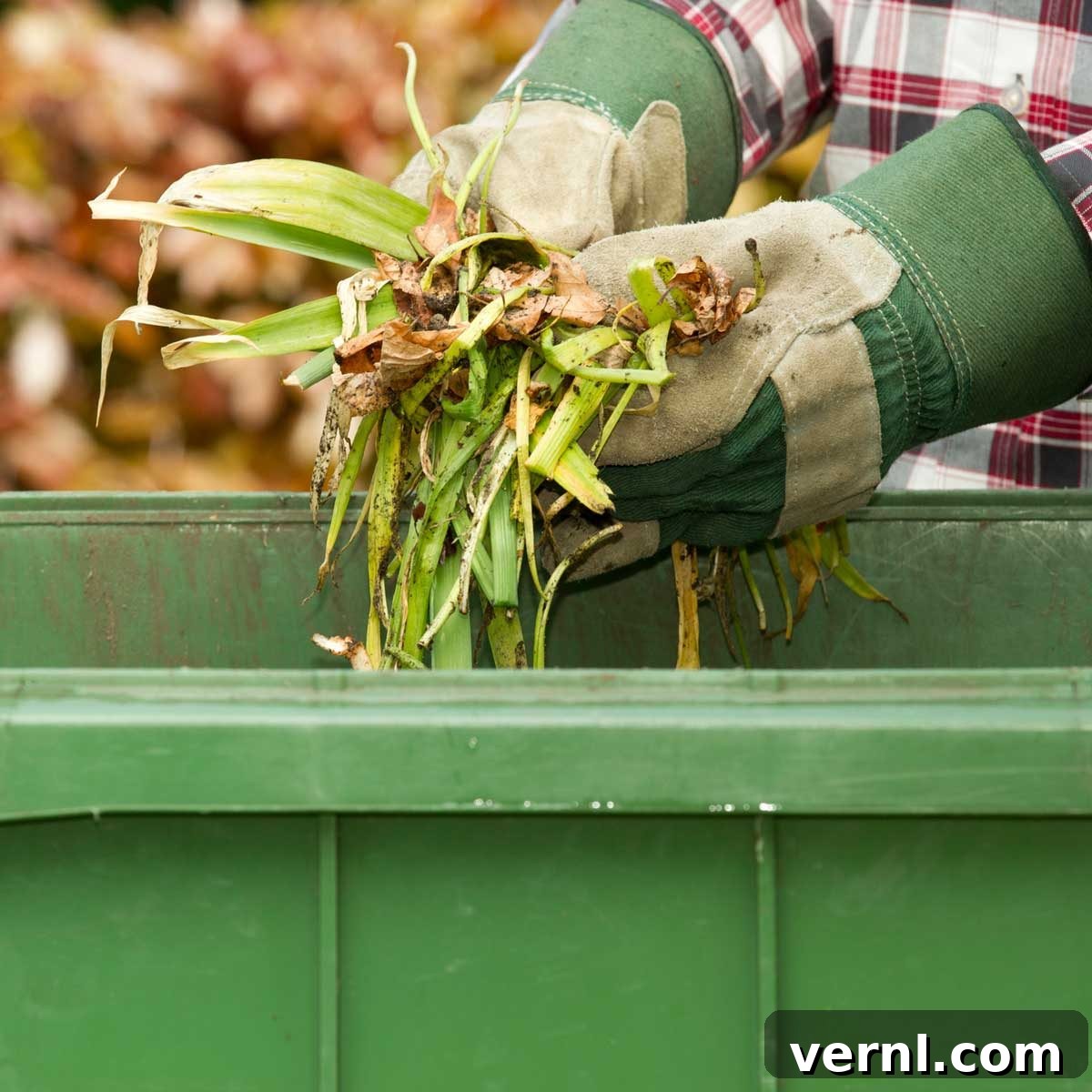
After a satisfying day of cultivating your outdoor space—be it meticulously cutting the grass, artfully pruning shrubs, or diligently pulling persistent weeds—you’re often left with a substantial accumulation of organic debris. This pile of sticks, leaves, grass clippings, and other garden remnants presents a common challenge for homeowners. The question then arises: how do you properly and responsibly dispose of this yard waste? Instead of simply tossing it into your regular household trash bin, which might not only be impractical due to volume but also potentially unlawful depending on local regulations, it’s essential to explore dedicated and sustainable disposal solutions. This comprehensive guide will walk you through various effective methods for managing the scraps from your backyard, ensuring both environmental responsibility and compliance with local ordinances.
Improper disposal of yard waste can lead to a myriad of issues, including landfill overload, potential fines, and even environmental harm through the release of methane gas when organic matter decomposes in anaerobic landfill conditions. Conversely, responsible yard waste management offers numerous benefits: it supports local composting efforts, enriches soil, reduces waste, and helps maintain the aesthetic appeal and value of your property. From do-it-yourself strategies to professional services, there’s a solution tailored to every homeowner’s needs and every garden’s output. Let’s delve into the most effective ways to tackle your garden’s aftermath.
Effective Strategies for Yard Waste Disposal
Managing yard waste doesn’t have to be a daunting task. With a little planning and knowledge of available resources, you can keep your property tidy and contribute to a healthier environment. Whether you’re dealing with a small bag of leaves or a massive pile of branches after a storm, there’s a method that fits your specific situation. Here are several practical approaches to consider.
1. Haul Your Yard Waste to a Designated Facility
One of the most straightforward and often cost-effective methods for disposing of large quantities of yard waste is to transport it yourself to a municipal collection site or a composting center. Many local governments and private organizations operate these facilities specifically to handle organic materials from the public, diverting them from landfills and transforming them into valuable compost.
Benefits of Hauling: This option is typically inexpensive, sometimes even free for residents, and ensures your organic waste is processed in an environmentally sound manner, often becoming nutrient-rich compost that can be used in gardens and agriculture. It also gives you full control over when and how you dispose of your waste, making it ideal for sporadic or large cleanup projects.
How to Find and Utilize These Centers: Begin by checking your local municipal website or waste management department for information on nearby yard waste drop-off locations, operating hours, and any associated fees. These sites often have specific instructions regarding the preparation of your waste. For example, some locations, such as Ramsey County in Minnesota, ask residents to sort leaves and grass clippings separately from larger items like trees and shrubs, ensuring efficient composting processes. You might need to bring your waste in biodegradable bags, or simply loose in a truck or trailer. Always confirm what materials are accepted (e.g., leaves, grass, branches, garden debris, sometimes even food scraps) and what is not (e.g., lumber, treated wood, rocks, soil, garbage).
Preparing Your Load: To make your trip smoother and comply with facility rules, ensure your yard waste is free of contaminants. For branches, consider bundling them or cutting them into manageable lengths. Leaves and grass are often best contained in sturdy paper bags, which are compostable, rather than plastic bags, which may need to be emptied on-site. Remember to cover your load with a tarp during transport to prevent debris from scattering on the road, which can lead to littering fines.
2. Schedule a One-Time Yard Waste Pick-Up
If you have an occasional need for yard waste disposal that’s too much to haul yourself but doesn’t warrant a permanent service, a scheduled one-time pick-up could be the ideal solution. This option is particularly convenient after major landscaping projects, seasonal cleanups, or storm damage.
Municipal Curbside Clean-Up Days: Many cities and towns organize annual or semi-annual curbside clean-up days where residents can place yard waste (and often other bulky items) at the curb for collection. These events are usually well-publicized by local authorities and are often free of charge. Be sure to follow their guidelines regarding item size, bundling requirements, and placement deadlines to ensure your waste is collected.
Private Waste Management Services: If your city doesn’t offer such a service, or if the timing of a municipal event doesn’t align with your project, private waste management companies often provide on-demand pick-up services. For example, WM (Waste Management) offers on-demand services for various types of waste, including yard debris and regular trash. These services are flexible, allowing you to schedule a pick-up that fits your schedule. Pricing typically depends on the volume and type of waste.
Renting a Dumpster for Large Projects: For truly massive landscaping overhauls, such as extensive tree removal, land clearing, or significant yard renovations, renting a temporary dumpster can be incredibly practical. You can select a dumpster size appropriate for your project, fill it at your leisure, and have the company haul it away when you’re done. Always clarify what types of yard waste (e.g., stumps, soil, concrete from old paths) are permitted in the dumpster, as rules can vary.
Seasonal Disposal Needs: On-demand services are also excellent for specific seasonal needs, like disposing of Christmas trees after the holidays or managing a large accumulation of autumn leaves. Many services have specific collection programs for these items.
3. Hire a Professional Junk Removal Service
For those who prefer a completely hands-off approach, hiring a junk removal service is an excellent option. This service goes beyond simple curbside pick-up by offering full-service removal directly from your property, saving you significant time and effort.
The Convenience Factor: The primary advantage of a junk removal service is convenience. A dedicated team will come to your home, do all the heavy lifting—whether it’s lugging away heavy branches, moving dense piles of leaves, or dismantling old garden structures—and haul everything away. This is particularly beneficial for individuals with physical limitations, busy schedules, or those dealing with exceptionally large or cumbersome yard waste.
What They Typically Handle: Junk removal companies are usually equipped to handle a wide range of yard waste, including large branches, stumps, fallen trees, hedges, bags of leaves, grass clippings, garden soil, old planters, and even broken garden tools or furniture. Some services can also manage mixed debris, which is useful if your clean-up involves more than just organic materials.
Cost Considerations: While more expensive than DIY hauling, the cost often reflects the labor and specialized equipment involved. According to Budget Dumpster, the average cost of a junk removal service is around $297, but this price can vary significantly. Factors influencing the final cost include the volume and type of yard waste, the complexity of removal (e.g., cutting up large branches), your geographic location, and the accessibility of the waste on your property. Always obtain a free, no-obligation quote before committing to a service.
Choosing a Reputable Service: When selecting a junk removal company, look for services with positive reviews, clear pricing structures, and a commitment to eco-friendly disposal practices. Many reputable companies strive to recycle or compost as much of the yard waste as possible, aligning with sustainable waste management goals.
4. Subscribe to a Regular Yard Waste Pickup Service
For homeowners who engage in consistent yard maintenance and generate a steady stream of organic waste throughout the year, subscribing to a regularly scheduled pickup service can be the most practical and efficient solution. This option eliminates the need for repeated appointments or trips to a drop-off center.
How Regular Services Work: With a subscription service, you typically rent a separate, designated bin specifically for organic waste. This green waste bin is usually collected on a fixed schedule, often weekly or bi-weekly, alongside your regular trash and recycling bins. This provides a consistent and convenient way to manage ongoing yard debris without accumulation.
Benefits of a Subscription: The main advantage is effortless, continuous waste management. You simply fill your dedicated bin with acceptable yard waste, wheel it to the curb on the designated day, and the service handles the rest. This is ideal for managing grass clippings from weekly mowing, trimmings from regular hedge maintenance, and seasonal garden clean-ups.
Finding Available Services: To find out which weekly waste management services are available in your neighborhood, start by checking with your local municipality or county waste management department. Many public services offer this as part of their standard waste collection programs. Additionally, private companies like WM (Waste Management) are prominent providers of scheduled yard waste pickup services in various regions. When choosing a service, inquire about the types of yard waste accepted, any size or weight restrictions for items placed in the bin, and the collection schedule.
5. Consider Burning Your Yard Waste (with Caution)
In certain rural areas or on large properties where access to composting centers or waste management services might be limited, burning yard waste remains a traditional, though increasingly regulated, disposal method. This approach is primarily suitable for dry, woody materials like sticks and logs, which can sometimes be repurposed as firewood.
Legality and Environmental Concerns: It is crucial to understand that the legality of burning yard waste varies significantly by location. Many municipalities have strict bans or severe restrictions on outdoor burning due to concerns about air pollution, public health, and, most importantly, the increased risk of wildfire. Burning contributes to smog and releases particulate matter into the air, which can be detrimental to respiratory health. Therefore, if you are considering this option, you must thoroughly check your local laws, county ordinances, and state regulations regarding open burning before you light anything.
Safety Regulations are Paramount: If outdoor burning is permitted in your area, obtaining any necessary permits is non-negotiable. Furthermore, adherence to all safety regulations for yard waste burning and bonfires is absolutely essential to prevent property damage or injuries. Key safety measures include:
- Burning only natural, untreated wood and vegetation. Never burn garbage, plastics, chemically treated wood, or other unsafe items that release toxic fumes.
- Establishing a clear burn area, free of flammable materials like dry grass, leaves, and structures, for at least 25 feet in all directions.
- Having a water source (hose, buckets of water) and a shovel readily available to extinguish the fire if needed.
- Never leaving a fire unattended, even for a moment.
- Burning during safe weather conditions, avoiding windy days or periods of drought.
- Extinguishing the fire completely before leaving the area.
Given the environmental impact and significant safety risks, burning should always be considered a last resort. Alternative methods, especially those focusing on recycling or reusing your yard waste, are generally far more preferable and sustainable.
6. Embrace Home Composting and Mulching
Beyond traditional disposal methods, a truly sustainable approach to yard waste management involves recycling it directly within your own garden. Home composting and mulching are excellent ways to turn organic waste into valuable resources for your landscape, reducing your waste output to zero for many materials.
Home Composting: Composting is the natural process of decomposition that turns organic materials like leaves, grass clippings, and kitchen scraps into a dark, rich soil amendment called compost. This “black gold” improves soil structure, provides essential nutrients for plants, and helps retain moisture. There are various composting methods and systems, from simple backyard piles to enclosed bins (e.g., tumblers, worm bins). To start, you’ll need a mix of “greens” (nitrogen-rich items like grass clippings, fresh plant trimmings, food scraps) and “browns” (carbon-rich items like dry leaves, shredded branches, straw). Regularly turning the pile and keeping it moist will accelerate the decomposition process, yielding usable compost in a few months to a year.
Mulching with Yard Waste: Many types of yard waste can be directly used as mulch in your garden beds. Leaves, for example, can be shredded with a lawnmower and spread around plants to suppress weeds, conserve soil moisture, and gradually break down to enrich the soil. Wood chips from chipped branches also make excellent mulch. You can rent or purchase a wood chipper/shredder for larger branches, transforming them into beneficial ground cover. Mulching not only improves plant health but also significantly reduces the amount of material that needs to be hauled away.
Grasscycling and Leaf Mold: “Grasscycling” involves leaving grass clippings on your lawn after mowing. These clippings quickly decompose, returning nitrogen and other nutrients to the soil, reducing the need for chemical fertilizers. For leaves, creating “leaf mold” is another fantastic option. Simply pile leaves in a dedicated area and let them slowly decompose over one to two years. The resulting leaf mold is a superb soil conditioner, especially for improving clay soils and boosting water retention in sandy soils.
Conclusion: Choosing the Right Yard Waste Solution
Effectively managing yard waste is an integral part of responsible homeownership and environmental stewardship. As we’ve explored, a variety of options exist, ranging from do-it-yourself hauling to professional full-service junk removal, and most sustainably, repurposing materials through composting and mulching. Each method offers unique advantages, catering to different volumes of waste, project types, and individual preferences. By understanding the available resources and adhering to local regulations, you can make informed decisions that benefit both your property and the planet.
Whether you opt for the convenience of a scheduled pickup, the cost-effectiveness of a municipal drop-off, or the eco-friendly benefits of on-site composting, the key is to choose a method that aligns with your needs and local environmental guidelines. By consciously managing your garden’s output, you contribute to healthier communities, reduce landfill waste, and cultivate a more sustainable lifestyle. Make responsible yard waste disposal a priority, and enjoy a cleaner, greener, and more vibrant outdoor living space.