The introduction of vinyl flooring at the 1934 Chicago World Fair marked a significant moment, immediately capturing the public’s imagination. Yet, it wasn’t until the conclusion of World War II, when the intense military demand for petroleum resources eased, that vinyl flooring began its widespread adoption across American homes. Initially finding its place in practical areas like kitchens, basements, and occasionally living rooms, homeowners were quick to appreciate its remarkable durability and inherent water resistance. However, the early iterations of vinyl often featured a distinctly synthetic appearance, which many found less appealing than natural materials.
The flooring industry responded to this aesthetic challenge with continuous innovation, leading to the development of luxury vinyl tiles (LVT) and luxury vinyl planks (LVP). These advanced products were engineered with multiple layers, meticulously designed to mimic the intricate textures and visual characteristics of hardwood, natural stone, and other premium materials. Their popularity surged in Europe and Asia during the 1980s, eventually making a significant impact across North America, transforming perceptions of vinyl flooring.
The initial luxury vinyl offerings, both LVT and LVP, consisted entirely of vinyl. However, around 2010, a new evolution emerged as manufacturers began reinforcing the core of these products with a blend of plastic composites. This groundbreaking development gave rise to rigid core flooring. This innovative core typically incorporates either wood plastic composite (WPC) or stone plastic composite (SPC). Among these, SPC (Stone Plastic Composite) has increasingly become the material of choice, dominating the market for modern LVT and LVP products due to its superior characteristics. While WPC, often a type of high-density fiberboard, offers a comfortable feel, its wood content, even when sealed by vinyl layers, can leave it susceptible to moisture in specific conditions. In contrast, an SPC core contains no wood, making it inherently more robust against water.
What Is SPC Flooring?
SPC flooring, an acronym for Stone Plastic Composite flooring, represents a cutting-edge category of luxury vinyl plank or tile. It is often referred to as rigid core flooring or engineered vinyl flooring, a testament to its advanced construction. This highly durable flooring solution is meticulously manufactured in several distinct layers, typically four or five, depending on whether an integrated backing, such as foam or cork, is included for enhanced comfort and insulation. Each layer plays a crucial role in the overall performance and aesthetic appeal of the final product.
At its heart lies the SPC core, which is the defining feature of this flooring type. Manufacturers precisely engineer this core, usually ranging from 3.2 to 7 millimeters in thickness, by combining limestone powder, polyvinyl chloride, and various stabilizers. The inclusion of limestone powder contributes significantly to the core’s exceptional density and stability. Because stone is considerably denser than wood, SPC cores are generally thinner than their WPC counterparts while offering superior performance characteristics. This unique composition makes SPC floors incredibly durable, often backed by lengthy warranty periods that can extend for 25 years or even longer, underscoring their longevity and resilience in both residential and commercial settings.
Understanding the Layers of SPC Flooring
To fully appreciate SPC flooring, it’s essential to understand its multi-layered construction:
- UV Layer: The uppermost layer, invisible to the eye, provides crucial protection against ultraviolet light, helping to prevent fading and discoloration over time.
- Wear Layer: This transparent, robust layer is the first line of defense against daily wear and tear. It offers exceptional resistance to scratches, dents, scuffs, and stains, protecting the design layer beneath. The thickness of the wear layer (measured in mil) significantly impacts the flooring’s durability and warranty.
- Design Layer: This is where the aesthetic magic happens. A high-definition photographic film is applied, showcasing realistic visuals of natural wood grains, stone textures, abstract patterns, or intricate tile designs. Advanced printing technologies ensure a remarkable level of detail and authenticity.
- SPC Core Layer: As discussed, this rigid, waterproof core is the foundation of the flooring. Made from limestone powder, PVC, and stabilizers, it provides unparalleled stability, density, and impact resistance. It prevents expansion and contraction due to temperature and moisture fluctuations, making SPC flooring suitable for all environments.
- Attached Underlayment (Optional): Many SPC products come with an integrated underlayment, typically made of IXPE foam or cork. This layer offers additional benefits such as enhanced comfort underfoot, superior sound absorption (reducing impact noise), and improved thermal insulation.
Pros and Cons of SPC Flooring
SPC flooring, as a leader in rigid core technology, offers a compelling combination of advantages and a few considerations that prospective buyers should weigh.
SPC Flooring Pros
- Exceptional Durability: SPC flooring is engineered for resilience. Its robust wear layer provides a strong defense against everyday abuse, including scratches from pet claws, scuffs from footwear, and general abrasions. The dense SPC core also makes it highly resistant to dents and impacts from dropped objects, ensuring the floor maintains its pristine appearance for years. This makes it an ideal choice for high-traffic areas in both residential and commercial environments.
- 100% Waterproof: One of the most significant advantages of SPC flooring is its completely waterproof nature. Unlike traditional hardwood or even WPC flooring, the stone plastic composite core is impervious to water. This means SPC can be confidently installed in moisture-prone areas such as bathrooms, kitchens, basements, and laundry rooms without concern for warping, swelling, or mildew growth, even in the event of spills or floods.
- Easy and Quick Installation: SPC flooring utilizes a user-friendly click-lock system, allowing planks or tiles to snap together seamlessly without the need for messy glues or nails. This floating floor installation method is incredibly DIY-friendly, significantly reducing installation time and costs. Homeowners can often complete projects themselves, making it a cost-effective choice.
- Remarkable Stability: Thanks to its rigid, non-wood core, SPC flooring is exceptionally stable. It resists expansion and contraction caused by fluctuations in temperature and humidity, a common issue with wood-based flooring. This stability means SPC can be installed over larger areas without the need for transition strips, providing a continuous, expansive look.
- Comfort and Sound Insulation: While its core is dense, many SPC products come with an attached underlayment (foam or cork) that significantly enhances underfoot comfort. This integrated padding also acts as an excellent sound barrier, reducing impact noise and creating a quieter indoor environment, which is especially beneficial in multi-story homes or apartments.
- Vast Design Versatility: The high-definition design layer of SPC flooring allows for an incredible range of aesthetic options. It can flawlessly mimic the intricate grains of various hardwoods, the unique patterns of natural stone (marble, granite, slate), geometric designs reminiscent of vintage linoleum, or contemporary abstract motifs. Embossed textures further enhance the realism, providing a tactile experience that closely resembles the genuine material.
- Low Maintenance: SPC flooring is incredibly easy to clean and maintain. Its waterproof and stain-resistant surface requires only regular sweeping or vacuuming to remove debris, followed by a damp mop with a mild cleaner. There’s no need for waxing, polishing, or special treatments, making it a hassle-free flooring solution for busy households.
SPC Flooring Cons
- Imitation Appearance (Perception): While SPC flooring excels at replicating natural materials, it is, at its core, an imitation. Despite significant advancements in printing technology and texture embossing, discerning eyes might still distinguish it from real hardwood or stone. For those prioritizing the authentic, organic feel of genuine materials, this can be a drawback, particularly with wood patterns.
- Susceptibility to Fading: Despite the inclusion of a UV protective coating, prolonged exposure to direct sunlight can cause the colors of SPC flooring to fade over time. Areas consistently exposed to intense sunlight, such as those near large windows or glass doors, may exhibit a gradual loss of vibrancy. Homeowners might need to consider UV-blocking window treatments or regular rug rotation to mitigate this effect.
- Not Entirely Scratch-Proof: While highly scratch-resistant, SPC flooring is not entirely scratch-proof. Extremely heavy foot traffic, sharp objects, abrasive particles like sand or grit, or untrimmed pet claws can still potentially damage the wear layer. Deep gouges or significant abrasions are difficult to repair and can detract from the floor’s appearance.
- Cannot Be Refinished: Unlike hardwood floors that can be sanded and refinished multiple times to restore their appearance, SPC flooring cannot be restored once its wear layer is significantly damaged or its luster is lost. The only viable option for severe wear or damage is replacement, which can be a consideration for long-term home value and sustainability.
- Harder Underfoot Than WPC: Due to its dense, stone-based core, SPC flooring tends to feel harder underfoot compared to WPC (Wood Plastic Composite) flooring, which contains wood fibers for a slightly softer feel. While an integrated underlayment helps, some users might find it less comfortable for prolonged standing, especially without additional area rugs.
SPC vs. WPC: A Detailed Comparison
When choosing rigid core flooring, the primary distinction often comes down to SPC and WPC. While both offer impressive durability and waterproof characteristics, their core compositions lead to notable differences:
- More Stable: SPC flooring boasts superior dimensional stability compared to WPC. Because its core contains no wood, SPC is significantly less prone to expanding or contracting when exposed to fluctuating temperatures and humidity levels. This makes it a more reliable choice for environments with inconsistent climate control.
- More Impact Resistant: The higher density of the stone plastic composite core makes SPC flooring inherently more resistant to heavy impacts and indentations. It stands up better to dropped objects and heavy furniture, making it excellent for high-traffic or commercial settings where resilience is paramount.
- Less Expensive: Generally, SPC flooring is more cost-effective than WPC. The raw materials and manufacturing process for SPC tend to be slightly less expensive, translating into a more budget-friendly option for consumers seeking high-performance flooring without a premium price tag.
- Thinner Core Layer: On the flip side, the denser nature of SPC often means its core layer is thinner than that of WPC. This can result in a slightly harder feel underfoot and potentially less thermal and sound insulation compared to WPC. However, this particular drawback can often be effectively mitigated by installing a high-quality underlayment beneath the SPC planks or tiles, adding cushioning and enhancing acoustic properties.
How Much Does SPC Flooring Cost?
SPC flooring presents a highly attractive value proposition, often significantly less expensive than traditional natural materials like real hardwood or stone tile, especially when considering the potential for DIY installation. The national average cost for rigid core flooring, which includes both SPC and WPC options, typically ranges around $2.50 to $6.00 per square foot (psf) for materials alone, with premium options potentially reaching higher. This range is quite competitive when compared to the material costs of other popular flooring types.
For instance, traditional hardwood flooring can cost anywhere from $3 to $10+ psf, and natural stone tile often runs from $5 to $15+ psf, and these figures usually do not include professional installation expenses. The affordability of SPC makes high-end aesthetics accessible to a wider range of budgets, without compromising on durability or performance.
SPC flooring can be considered a sophisticated cousin to laminate flooring, given that both feature a multi-layered construction and a similar click-lock installation method. Laminate flooring materials typically cost between $1.50 to $3.50 psf. While laminate can be cheaper upfront, SPC generally offers superior benefits in terms of durability, waterproof capabilities, and overall longevity, justifying its slightly higher price point. Laminate, being wood-based, is also not inherently waterproof and can be more susceptible to moisture damage.
When it comes to professional installation, the costs for SPC flooring are comparable to those for laminate, generally ranging from $3 to $8 psf. This professional service includes subfloor preparation, laying the planks, and finishing touches. However, the DIY-friendly nature of SPC allows many homeowners to save significantly on installation costs, making the overall project even more economical. The overall investment in SPC flooring provides an excellent balance of cost, aesthetics, and long-term performance.
How To Install SPC Flooring
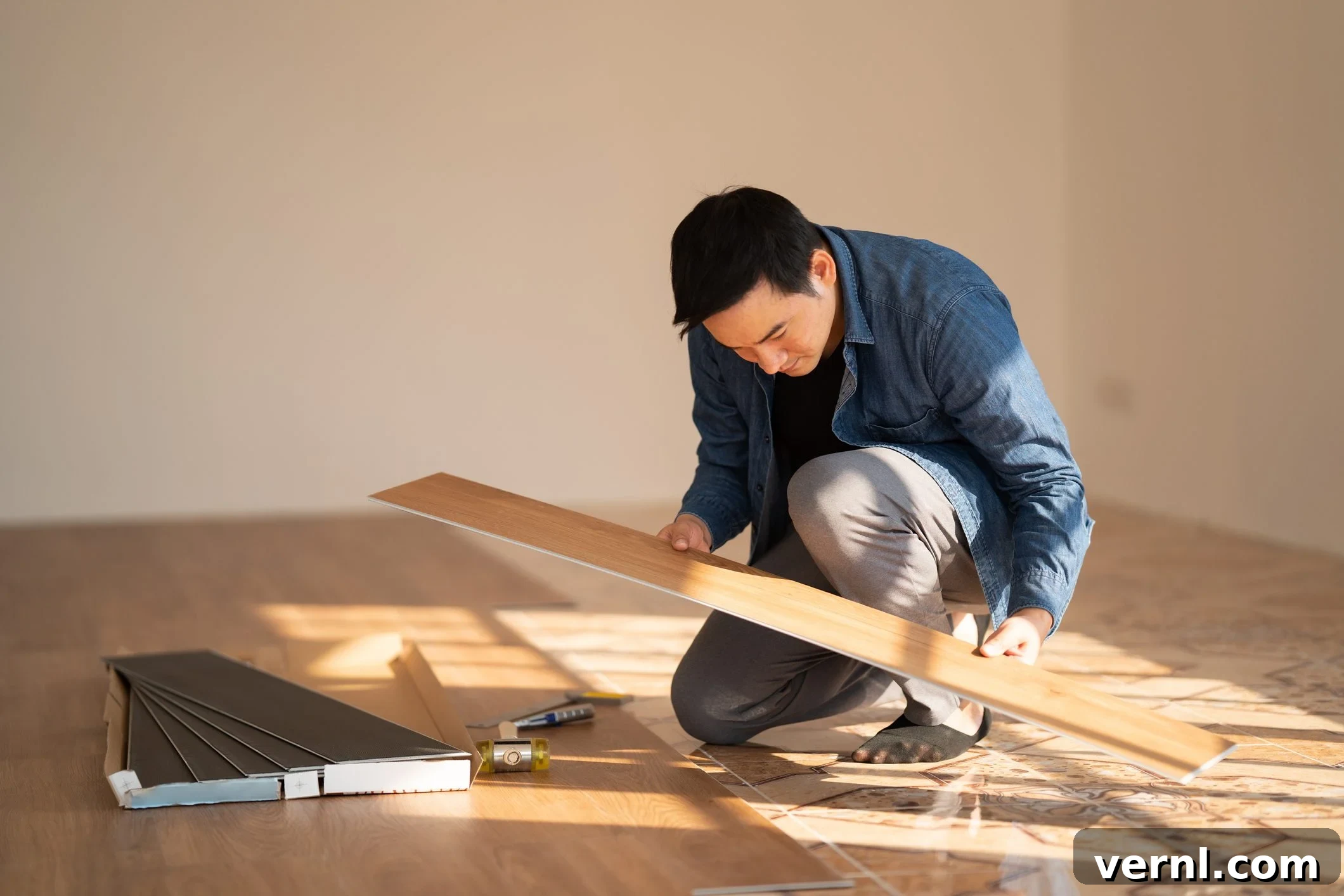
One of the most appealing aspects of luxury vinyl flooring with an SPC core is its straightforward installation process, making it a popular choice for both DIY enthusiasts and professionals. SPC comes in planks or tiles designed with an interlocking click-lock system that creates a “floating floor” – meaning it’s not directly adhered to the subfloor. Unlike older vinyl versions, the vast majority of modern SPC products require no glue, significantly simplifying the process and reducing mess.
Pre-Installation Preparation
Proper preparation is key to a successful and long-lasting SPC floor. First, ensure the SPC planks or tiles are acclimatized to the room’s temperature and humidity for at least 24-48 hours before installation. The subfloor is paramount; it must be clean, dry, and, most importantly, perfectly flat. SPC flooring is rigid, but it will conform to irregularities in the subfloor, which can lead to gaps, unevenness, or even compromise the locking mechanism over time. Any dips or humps exceeding 1/8 inch over a 6-foot span should be leveled using appropriate patching compounds.
SPC flooring is remarkably versatile and can often be installed directly over many existing floor types, including hardwood, concrete, old vinyl (sheet or tile, provided it’s flat and well-adhered), and certain types of tile. However, always check the manufacturer’s specific guidelines for approved substrates.
The Installation Process
The click-lock system makes assembly surprisingly easy, often simpler than laminate planks. Here’s a general overview:
- Starting Point: Begin installation in a corner of the room, typically working from left to right, along the longest wall. Remember to leave an expansion gap (usually 1/4 to 1/2 inch, check manufacturer instructions) around the perimeter of the room to allow for minor movement of the floor due to temperature changes. Use spacers to maintain this gap.
- Laying the First Row: Place the first plank with its tongue side facing the wall. Interlock the short ends of subsequent planks by angling and pressing them down until they click securely into place.
- Cutting Planks: SPC planks are incredibly easy to cut. For straight cuts, you generally only need a utility knife and a straightedge. Score the top surface firmly along your cut line, then simply snap the plank along the score. For more intricate cuts, such as around doorframes, pipes, or curved areas, a jigsaw or even specialized vinyl cutters can be used.
- Subsequent Rows: Start the second row with a cut piece of plank (ensuring it’s at least 6-8 inches long) to create a staggered, natural look and enhance stability. Angle the long side of the plank into the groove of the previous row and press down, then tap the short end into place using a tapping block and rubber mallet if needed.
- Finishing Touches: Once the entire floor is laid, remove the expansion gap spacers.
Underlayment Recommendations
While many SPC products come with an attached underlayment, if yours does not, or if you desire enhanced comfort, sound dampening, or insulation, an additional underlayment is highly recommended. A good quality underlayment can also help bridge minor subfloor imperfections and prevent moisture from below. Always choose an underlayment specifically designed for rigid core vinyl flooring.
Baseboards and Trim
Finally, to complete the installation and cover the necessary expansion gaps around the room’s perimeter, you will need to install baseboards or quarter-round molding. These trims provide a neat, finished look and securely hold the floating floor in place, preventing lateral movement.
Maintaining Your SPC Flooring
One of the many benefits of SPC flooring is its remarkably low maintenance requirements, which contribute to its long-term appeal and durability.
- Regular Cleaning: Daily or weekly sweeping, dust mopping, or vacuuming (using a hard floor attachment) is usually sufficient to remove dirt, dust, and grit that could potentially scratch the wear layer. For deeper cleaning, a damp mop with a pH-neutral floor cleaner is recommended. Avoid excessive water, as standing water, even on waterproof flooring, can seep into seams over time or cause issues with the subfloor.
- Avoid Harsh Chemicals: Do not use abrasive cleaners, wax-based products, steam mops, or strong detergents that can damage the wear layer, leave a residue, or dull the finish.
- Protect from Scratches: While scratch-resistant, it’s wise to take precautions. Place felt pads under furniture legs, use walk-off mats at entryways to trap dirt, and trim pet nails regularly. Avoid dragging heavy furniture across the floor.
- Manage Sunlight Exposure: To prevent potential fading over extended periods, consider using blinds, curtains, or UV-protective window films on windows that receive intense, direct sunlight.
- Prompt Spill Cleanup: Although waterproof, it’s best practice to wipe up spills immediately to prevent staining, especially from colored liquids, and maintain hygiene.
By following these simple care guidelines, your SPC flooring will retain its beauty and performance for decades, providing a durable and attractive surface for your home or business.