
Single-use products offer undeniable convenience in our fast-paced lives, yet this ease comes with a hidden, substantial cost. Far beyond the immediate purchase price, these disposables can drain hundreds, even thousands, of dollars from your annual budget. “They are among the most frequent and easiest-to-fix cash flow leaks I see in household budgets,” states Cody Schuiteboer, a seasoned home budget expert. He emphasizes, “Cutting that spending will lead to real, tangible savings that accumulate over time.”
The financial burden is only one facet of the problem. Single-use items carry a profound and often irreversible cost to our environment and, increasingly, to our personal health. From the manufacturing processes that consume vast resources and generate pollution to the chemicals embedded within the products themselves, their lifecycle is fraught with negative impacts. The sheer volume of waste they produce overwhelms landfills and pollutes our oceans, contributing to critical ecological challenges.
The good news is that significantly reducing, or even completely eliminating, many of these items from your daily routine is far simpler than you might imagine. The transition often requires only a slight adjustment period, leading to a more sustainable, cost-effective, and healthier lifestyle. I’ve personally embarked on this journey, successfully phasing out nearly all single-use items from my home. While initial habits took a moment to rewire, the long-term benefits have been transformative, leading to increased happiness, improved well-being, and significant financial gains.
Ready to make a positive change for your wallet, your health, and the planet? Here’s a comprehensive guide to common single-use items you can eliminate from your home, complete with practical, easy-to-adopt alternatives that won’t compromise your convenience or comfort.
Paper Towels
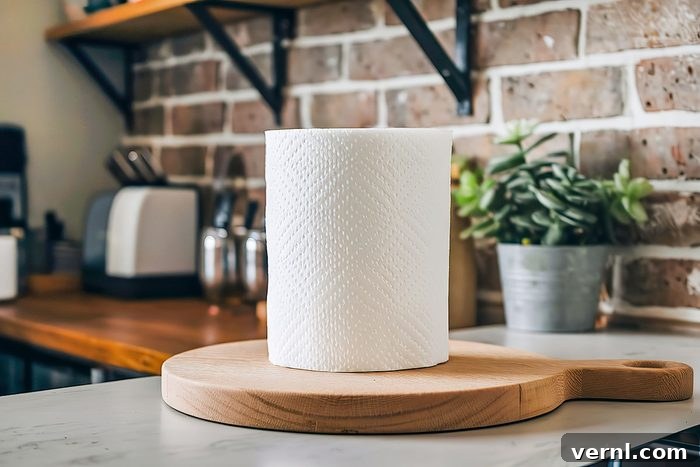
Paper towels are a household staple for many, yet they represent a significant recurring expense and an enormous environmental burden. The average household typically consumes two or three rolls per week, translating to an annual expenditure of approximately $180. Beyond the cost, their production contributes to deforestation, and their disposal adds mountains of waste to landfills.
Cleaning expert Marisol Rivera advises her clients to rethink their relationship with paper towels, reserving them strictly for extreme, unmanageable messes rather than treating them as an everyday norm. The shift to reusable alternatives is both economically sensible and ecologically responsible. Consider investing in a collection of high-quality cotton towels, absorbent Swedish dishcloths, or even repurposing old cotton T-shirts by cutting them into practical cleaning rags.
These alternatives are not only more durable but also more effective for a wide range of cleaning tasks. “While the transition to this system might take about two weeks to become fully automatic, the benefits—both financial and environmental—will last a very long time,” notes Schuiteboer. Washing them is straightforward, often fitting seamlessly into existing laundry cycles, making them a truly sustainable and cost-effective choice for a cleaner home and a greener planet.
Plastic Wrap
Plastic wrap, a ubiquitous item in most kitchens, is a prime example of a single-use product with far-reaching negative consequences. While it appears convenient for food storage, its environmental footprint is devastating. As budget expert Cody Schuiteboer emphatically states, “Plastic wrap is a product that should be banned from every kitchen drawer in America. It is one of the most used single-use plastic items, and it is almost impossible to recycle, so every single piece that has ever been used still exists in a landfill or in the ocean.” Its non-biodegradable nature means it persists for hundreds of years, breaking down into microplastics that contaminate our food chain and ecosystems.
Fortunately, numerous superior and sustainable alternatives exist to keep your food fresh without harming the planet. Swapping out plastic wrap for durable glass containers with airtight lids is an excellent long-term solution, offering clear visibility of contents and easy cleaning. Reusable silicone stretch lids provide a versatile option, fitting various bowl and container sizes, creating a tight seal. For those seeking a more natural approach, beeswax wraps offer a breathable, moldable, and reusable way to cover food and produce. These alternatives not only save you money in the long run by eliminating repeat purchases but also significantly reduce plastic pollution, safeguarding our environment and contributing to a healthier home free from potential chemical leaching.
Grocery Bags
While plastic grocery bags might not incur a direct cost at the checkout counter (unless you reside in an area with plastic bag fees), their environmental toll is undeniably immense. The average American consumer uses a staggering 365 plastic bags annually. In stark contrast, countries like Denmark boast an average usage of just four bags per person per year, demonstrating how easily this habit can be transformed through conscious choices and policy.
These lightweight, seemingly innocuous bags have devastating impacts, from becoming lethal hazards for wildlife that ingest them to contributing to widespread pollution. Their manufacturing process demands significant resources and energy, releasing greenhouse gases that accelerate climate change. The good news is that transitioning to reusable totes is one of the simplest and most impactful sustainable switches you can make.
To streamline this eco-friendly habit, cleaning expert Marisol Rivera offers a pragmatic tip: always keep a few foldable reusable bags stashed in your car, purse, or backpack. This ensures you’re never caught off guard and always prepared for an impromptu shopping trip. Reusable bags, available in various durable materials like cotton, jute, or recycled plastic, are not only more robust for carrying groceries but also a powerful statement against disposable culture, directly contributing to cleaner communities and healthier ecosystems.
Disposable Cups
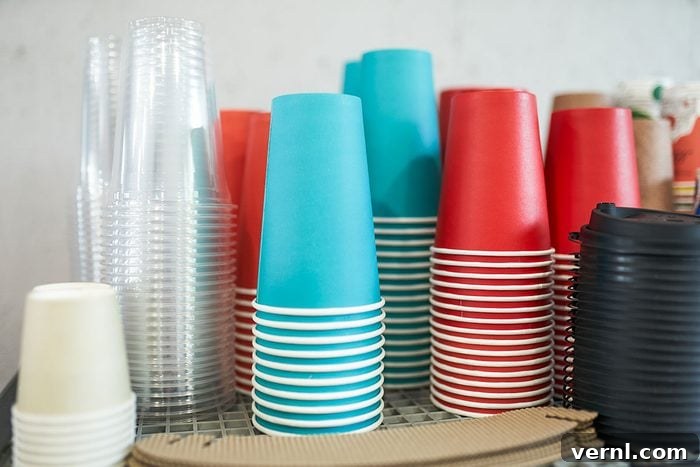
The accumulation of single-use disposable cups and their accompanying plastic lids is a common sight in modern life, particularly for those who enjoy daily coffee runs or frequently host social gatherings. While appearing convenient, these items contribute massively to landfill waste, with many ‘paper’ coffee cups being unrecyclable due to their plastic linings. The cost of daily coffee in a disposable cup extends beyond the beverage itself, encompassing the environmental impact of its entire lifecycle.
To combat this waste and save money, Marisol Rivera, a cleaning expert, suggests a twofold approach. For guests at home, consider purchasing a basic yet elegant set of lightweight, reusable cups or even versatile mason jars. These can be easily washed and reused countless times, eliminating the need for wasteful disposables during entertaining. For your on-the-go beverages, investing in a good-quality insulated travel mug is a game-changer. These mugs keep your drinks at the perfect temperature for longer and stylishly serve as your daily companion.
“Once the travel mug becomes second-nature to grab before you leave the house, that greatly reduces the amount of disposable cups you throw away,” Rivera explains. An added benefit is that many coffee shops warmly welcome and happily refill your reusable mug with your favorite drink, sometimes even offering a small discount. This simple switch not only slashes waste but also saves you money over time, transforming a wasteful habit into a sustainable ritual.
Bottled Water
The habit of regularly purchasing bottled water, often perceived as a healthy and convenient choice, is in fact a significant financial drain and an environmental catastrophe. Annually, this seemingly innocuous habit can add up to $500 or even more per household. Beyond the monetary cost, the proliferation of plastic bottles introduces harmful microplastics and potential toxins into your body and creates a tremendous, almost incomprehensible amount of plastic waste that persists in our environment for centuries.
Budget expert Cody Schuiteboer doesn’t mince words: “Bottled water demonstrates a clear lack of financial consideration. I advise clients to cut this spending, as it is both quick and easy.” The environmental footprint of bottled water is staggering, encompassing the energy-intensive manufacturing of plastic, the vast amounts of water used in bottling, and the fossil fuels consumed in transportation. It’s a costly indulgence both for your wallet and the planet.
The solution is simple, elegant, and effective: invest in durable, high-quality stainless-steel water bottles for all your hydration needs on the go. These bottles are robust, keep your water cold, and are free from plastic contaminants. If concerns about tap water quality exist, an under-sink filtration system or even a simple pitcher filter can provide clean, great-tasting water at a fraction of the cost of bottled alternatives. To ensure this new habit sticks, Marisol Rivera suggests a brilliant tip: fill your reusable bottles the night before and leave them ready by the door, making it effortless to grab and go. This transition is not just about saving money; it’s about investing in your health and contributing to a healthier planet.
Disposable Razors
The disposable razor industry thrives on a manufactured need, normalizing the idea that shaving instruments must be discarded after a few uses. “The disposable razor industry operates on the assumption that it must normalize disposables,” observes budget expert Cody Schuiteboer. This consumer model not only creates mountains of plastic waste but also costs consumers significantly more over time than sustainable alternatives.
Contrary to popular belief, a superior and more cost-effective shaving experience is readily attainable. Investing in a quality cartridge razor system with replaceable blades, or even transitioning to a classic safety razor with inexpensive, recyclable blades, will pay for itself in well under a year. Beyond the substantial financial savings, these options dramatically reduce plastic waste, as only the small metal blades are discarded (and often recyclable) rather than entire plastic handles and cartridges.
Marisol Rivera adds that making this switch also saves on daily frustration, eliminating the need to rummage through a drawer full of dull or possibly still-good disposable blades. Reusable razors often provide a smoother, closer shave, reducing skin irritation and ingrown hairs, thus elevating your grooming routine to a more luxurious and environmentally conscious experience. This simple yet impactful change offers a win-win for your wallet, your skin, and the environment.
Cleaning Wipes
Pre-moistened cleaning wipes have become a go-to for quick clean-ups, lauded for their convenience. However, this convenience comes at a high price, both financially and environmentally. As Marisol Rivera points out, these wipes are often expensive and easily overused, leading to unnecessary waste and recurrent expenses. Furthermore, many disposable wipes contain harsh chemicals and are not biodegradable, contributing to landfill burden and even clogging plumbing systems when flushed.
A far more sustainable, cost-effective, and often more effective alternative involves a simple spray bottle filled with an all-purpose cleaner (consider making your own natural solutions with vinegar or essential oils) paired with a set of reusable microfiber cloths. Microfiber cloths are exceptionally effective at trapping dirt, dust, and bacteria, making them superior to disposable wipes for most cleaning tasks. Cody Schuiteboer confirms this, stating, “Microfiber cloths also clean better since they’re more effective at trapping bacteria and dirt.”
For instances requiring genuine disinfection, such as during illnesses, Rivera recommends reserving a small canister of dedicated disinfecting wipes for specific, limited use. For general cleaning, adopting reusable cloths is a game-changer. Pro-tip for optimal hygiene: color-code your microfiber cloths. Assign separate colors for different areas of your home – for example, blue for kitchen surfaces, green for glass and mirrors, and yellow for the bathroom. This prevents cross-contamination and ensures a truly clean and healthy living environment while dramatically reducing your reliance on disposable wipes.
Fabric Softeners and Dryer Sheets
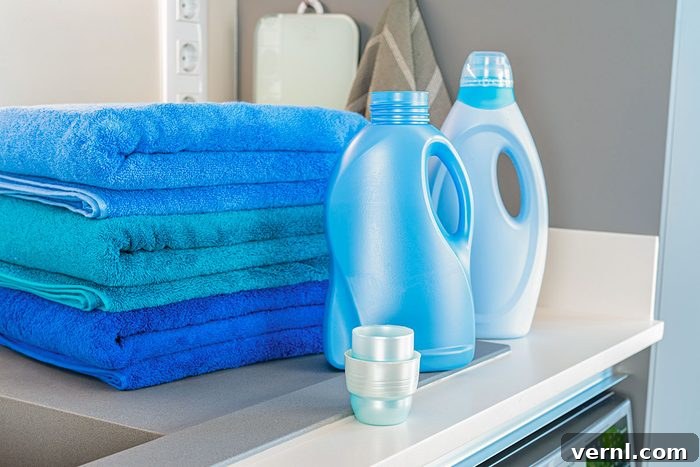
Many consumers reach for fabric softeners and dryer sheets hoping for softer clothes and fewer wrinkles. However, these seemingly innocuous products are packed with chemicals and artificial fragrances that carry multiple hidden costs. Beyond the direct purchase price, these chemicals can wreak havoc on your appliances, leaving residue that impacts their efficiency and lifespan. More critically, they pose potential health issues, ranging from mild skin irritation and allergic reactions to more severe conditions like asthma flare-ups, migraines, and even hormone disruption due to endocrine-disrupting phthalates.
Cody Schuiteboer further explains the detrimental effect on fabric performance: “They also leave a waxy coating on fibers, making them absorb less dirt and water. This makes your towels less effective.” This coating reduces the absorbency of towels and cloths, counteracting their primary purpose and forcing you to buy replacements sooner. The good news is that highly effective, natural, and non-toxic alternatives are readily available.
Marisol Rivera suggests a simple swap: for softer clothes and odor removal, add a quarter cup of white distilled vinegar to the rinse compartment of your washing machine. Don’t worry, the vinegar smell dissipates completely during the cycle, leaving clothes fresh and naturally softened. To combat static cling and reduce drying time, introduce wool dryer balls to your dryer. These reusable balls also naturally soften fabrics without any chemicals. By adopting these eco-friendly and health-conscious alternatives, you’ll not only save money but also protect your family’s health and prolong the life and effectiveness of your linens.
Shower Puffs, Sponges and Loofahs
The quest for hygiene in the bathroom often leads us to products like loofahs, mesh shower puffs, and sponges. However, what starts as an effort to cleanse can inadvertently become a breeding ground for bacteria and fungi. Medical expert James J. Chao, MD, FACS, warns, “Loofahs and mesh shower puffs in your bathroom are popular, but rarely cleaned well.” Their intricate designs and moisture-retaining materials create ideal conditions for organic material and moisture to become trapped in their pores, promoting rapid microbial growth. “They can also cause folliculitis or minor skin irritation if you continually rub them on your skin,” Dr. Chao adds, highlighting potential skin health risks.
The solution is simple, effective, and economical: switch to classic, easy-to-wash regular washcloths. These can be used, tossed into the laundry, and replaced daily, ensuring a fresh and hygienic exfoliation experience without the microbial build-up. Similarly, the same principles apply to kitchen sponges, notorious for harboring bacteria. Swapping traditional sponges for reusable dishcloths that can be washed and replaced daily significantly reduces germ proliferation. Alternatively, investing in a dish brush that can dry standing up and is regularly cleaned offers another hygienic solution.
Dr. Chao strongly advocates for this simple change: “A few dollars spent on rags can literally save you thousands in skin infections.” By choosing reusable and easily washable alternatives for both your personal care and kitchen cleaning, you’ll not only save money on frequent replacements but, more importantly, safeguard your health from unseen microbial threats, ensuring a truly clean and safe environment.
FAQ
What counts as a single-use item?
A single-use item is fundamentally a product meticulously designed for a very limited number of uses, typically just once, before it’s intended for disposal. The concept isn’t always explicitly labeled as “disposable” on the packaging, but as budget expert Cody Schuiteboer clarifies, “the product’s price point often dictates its purpose.” He elaborates, “If an item is low-cost enough that the act of washing it, repairing it, or carefully storing it for future use isn’t rational or economically sensible, then it unequivocally falls into the category of a single-use product.” This definition helps consumers identify and rethink their reliance on everyday items that are, in essence, designed to be thrown away after minimal utility, thereby contributing to perpetual consumption and waste cycles.
Won’t reusable items create more laundry?
It’s a common concern that adopting reusable items will lead to a significant increase in laundry. While it’s true that there will be a slight uptick in the number of items needing washing, Cody Schuiteboer asserts that “the math doesn’t support this as a meaningful argument” against making the switch. For most households, the additional reusable cloths, bags, and other items can be easily integrated into existing laundry cycles without the necessity of adding an entirely new load. The volume added is typically minor.
To further minimize any perceived burden and maximize savings, cleaning expert Marisol Rivera offers a practical tip: simply combine these additional reusable items with your existing loads of towels or other household linens. Furthermore, she recommends line-drying these items whenever possible. This not only saves on electricity costs by reducing dryer usage but also helps preserve the integrity and lifespan of your reusable goods, making the transition to a more sustainable lifestyle even more economically and environmentally friendly.
Is the initial investment in reusable items worth it?
Absolutely. While some reusable alternatives, such as quality insulated travel mugs, stainless steel water bottles, or durable sets of microfiber cloths, might have a slightly higher upfront cost than their disposable counterparts, this initial investment is almost always recouped quickly. The savings accumulate over weeks, months, and years as you eliminate the need for repeat purchases of single-use items. Beyond the financial returns, the investment pays dividends in terms of reduced environmental impact, a healthier home environment (due to fewer chemicals and less plastic exposure), and the satisfaction of contributing to a more sustainable planet. Think of it as investing in long-term savings and a better future, rather than short-term convenience.
About the Experts
- Cody Schuiteboer is president and CEO of Best Interest Financial, where he talks to customers about household budget optimization every day.
- Marisol Rivera is a cleaning expert and professional organizer at Sparkly Maid Austin.
- James J. Chao, MD, FACS, is co-founder and chief medical officer of VedaNu Wellness in San Diego, California.