
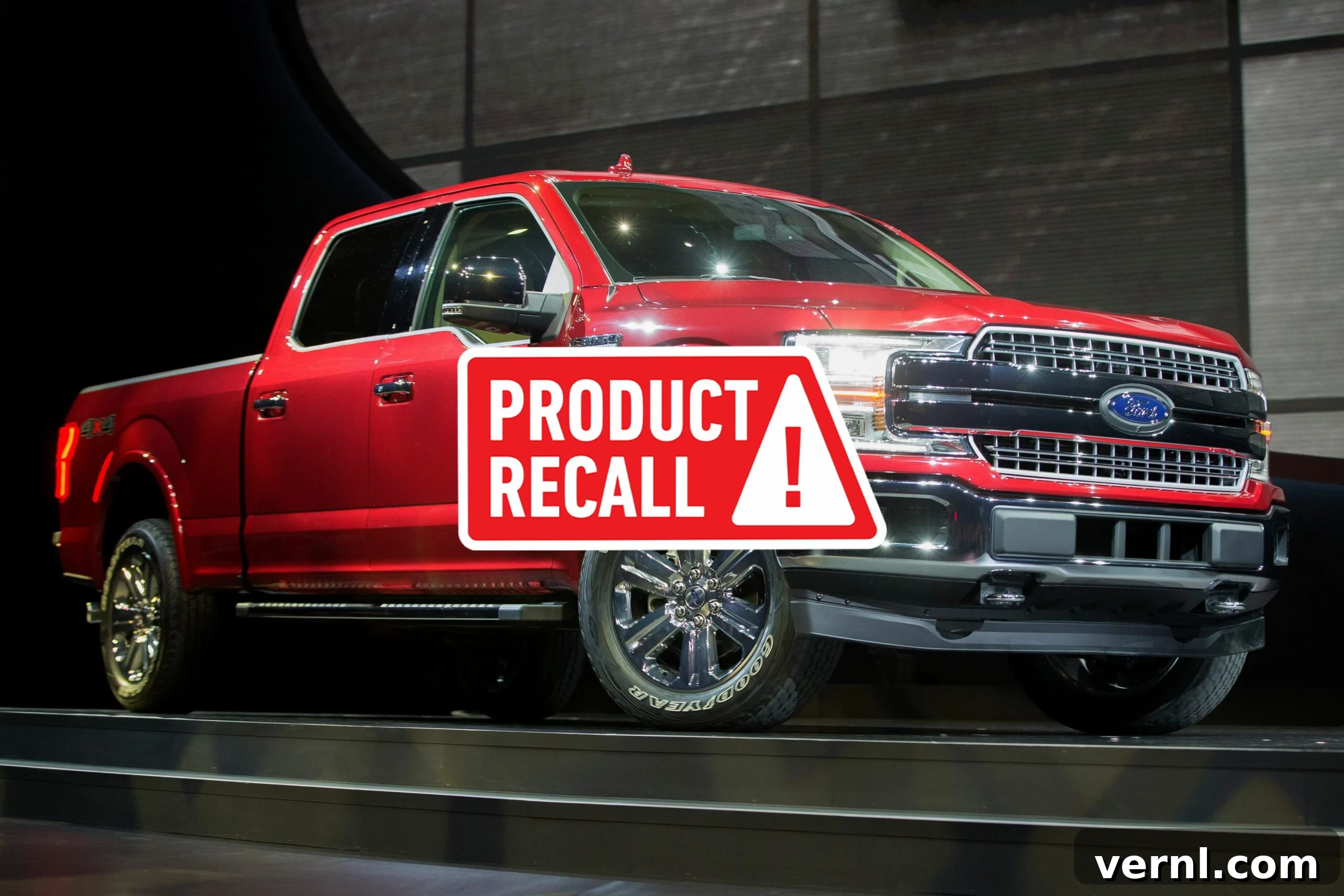
Urgent Safety Alert: Ford’s Brake System Recall Affects Over 120,000 Vehicles – What Owners Need to Know
Few components in a vehicle are as critical to safety as its braking system. Properly functioning brakes are paramount for safely navigating roads, accurately judging stopping distances, and ultimately, preventing accidents. When a vehicle’s brakes are compromised, the risk of a collision escalates exponentially, putting not only the occupants of that vehicle but also everyone else on the road in severe danger. This makes any issue with a braking system a matter of extreme urgency and grave concern for both vehicle manufacturers and owners alike.
The National Highway Traffic Safety Administration (NHTSA), the U.S. government agency dedicated to saving lives, preventing injuries, and reducing vehicle-related crashes, has recently documented several significant Ford recalls. Among these critical advisories is a widespread recall directly impacting the brake systems of certain Ford and Lincoln vehicles. This particular recall is substantial, affecting a staggering figure of over 120,000 vehicles currently in operation across the nation. What makes this situation particularly alarming is the insidious nature of the problem: drivers may not even be aware of the brake system defect until it’s too late, potentially in an emergency braking scenario where optimal performance is non-negotiable.
This article aims to provide a comprehensive overview of this vital Ford brake recall. We will delve into which specific models are involved, explain the underlying technical flaw, detail Ford’s proposed solution, and most importantly, outline the crucial steps vehicle owners must take to ensure their safety and resolve this issue promptly. Understanding the scope and implications of this recall is the first step toward proactive safety for all affected drivers.
Understanding the Ford Brake Recall: Which Vehicles Are Affected?
The NHTSA has confirmed that Ford is initiating a recall for more than 120,000 vehicles due to critical brake system problems. This extensive recall encompasses a range of popular Ford and Lincoln models, primarily focusing on trucks and large SUVs from specific model years. Owners of the following vehicles should pay close attention to this advisory:
- 2017 Ford F-150
- 2018 Ford F-150
- 2017 Ford Expedition
- 2018 Ford Expedition
- 2017 Lincoln Navigator
- 2018 Lincoln Navigator
If your garage is home to one of these listed vehicles, vigilance is key. Ford is committed to directly notifying all affected owners. Official owner letters containing detailed instructions and next steps are scheduled to be mailed out in late April 2025. It is imperative that you keep a close watch on your mailbox for this crucial correspondence. Until you have received your official notification and confirmed whether your specific vehicle is impacted, it is strongly advised to exercise the utmost caution when driving. Consider reducing unnecessary travel, maintaining slower speeds wherever it is safe to do so, and always leaving a significantly increased stopping distance between your vehicle and others on the road. Your safety, and the safety of those around you, depends on these precautions.
Identifying Your Vehicle and Taking Precautionary Measures
While awaiting official notification from Ford, owners can also proactively check their vehicle’s status. The NHTSA offers a VIN (Vehicle Identification Number) lookup tool on its official website (nhtsa.gov/recalls). By entering your 17-character VIN, you can ascertain if your specific F-150, Expedition, or Navigator is included in this or any other pending recall. It is a quick and reliable way to get immediate confirmation. Until the repair is performed, if your vehicle is indeed affected, understanding the potential risks is paramount. A compromised braking system can dramatically increase stopping distances, making sudden stops much more dangerous. Therefore, defensive driving, avoiding aggressive braking, and ensuring adequate following distance become even more critical safety practices.
Unpacking the Problem: Why Are These Ford Vehicles Being Recalled?
The core of this significant recall lies within a critical component of the braking system: the brake master cylinder. According to the NHTSA’s official brief, the affected Ford and Lincoln vehicles suffer from a manufacturing defect where the brake master cylinder is not properly sealed. This sealing deficiency “may allow brake fluid to leak from the front wheel circuit into the brake booster.” This technical explanation points to a serious functional failure with direct implications for vehicle safety.
To elaborate, the brake master cylinder is essentially the heart of your vehicle’s hydraulic braking system. When you press the brake pedal, it pressurizes brake fluid, which then travels through lines to actuate the brake calipers or wheel cylinders, forcing the brake pads or shoes against the rotors or drums to slow or stop the vehicle. A leak in this vital component means that the necessary hydraulic pressure cannot be consistently maintained. If fluid leaks from the front wheel circuit into the brake booster – a component designed to amplify the force applied to the brake pedal, making it easier for the driver to brake – it can lead to several dangerous consequences.
Firstly, a continuous brake fluid leak means drivers will have to replenish their brake fluid more often, incurring additional maintenance costs. More importantly, and far more critically, “a brake fluid leak can cause reduced brake function and extend the distance required to stop, increasing the risk of a crash.” Imagine an emergency situation where you need to stop quickly, but your vehicle takes significantly longer to respond. This extended stopping distance can be the difference between avoiding an accident and being involved in a severe collision. Reduced brake function can manifest as a “spongy” brake pedal feel, reduced braking power, or even a sudden loss of braking capability, especially in demanding situations. Such unpredictable performance makes driving hazardous and underscores the absolute necessity of addressing this recall promptly.
Ford’s Solution: How Will They Fix This Critical Issue?
Ford is taking definitive action to rectify this severe brake system defect. The recall plan ensures that affected vehicles will undergo a comprehensive repair to restore full braking functionality and, more importantly, driver confidence. The primary repair involves Ford dealers replacing the faulty brake master cylinder. This replacement will address the sealing issue directly, preventing further fluid leaks and ensuring the hydraulic system operates as intended.
Furthermore, Ford has guaranteed a crucial additional measure: “if the master cylinder is leaking, the brake booster will also be replaced.” This proactive step recognizes that prolonged leakage of brake fluid into the booster could potentially damage this component as well. By replacing both the master cylinder and the brake booster if a leak is confirmed, Ford aims to provide a complete and lasting solution, eliminating any residual concerns related to the initial defect. It’s a testament to ensuring the integrity of the entire braking subsystem.
Crucially, all these necessary repairs will be performed at no cost to the vehicle owner. This is standard practice for safety recalls, as manufacturers are obligated to correct defects that pose a risk to safety. Once you receive your owner notification letter, it will contain all the necessary instructions on how to schedule your repair appointment with an authorized Ford or Lincoln dealership. It is strongly advised to schedule this service as soon as possible to mitigate any safety risks associated with the defect.
Essential Steps for Affected Owners
If you own one of the recalled Ford F-150, Expedition, or Lincoln Navigator models from 2017-2018, taking immediate and informed action is paramount for your safety and peace of mind. Here’s a clear guide on what you should do next:
1. Verify Your Vehicle’s Status
As mentioned, keep a close watch for the official recall notification letter from Ford, expected in late April 2025. In the meantime, or if you don’t receive a letter, visit the NHTSA’s recall website (nhtsa.gov/recalls) and enter your vehicle’s 17-character VIN. This will confirm whether your specific vehicle is part of the recall.
2. Prioritize Safety While Driving
Until the recall repair is completed, assume your vehicle might be affected and drive with extreme caution. This means:
- **Maintain Extra Stopping Distance:** Leave significantly more space between your vehicle and the one ahead, especially at higher speeds or in adverse weather conditions.
- **Reduce Speed:** Drive at speeds lower than the posted limit where safe and practical, allowing more time to react and stop.
- **Avoid Sudden Braking:** Apply brakes gently and progressively, anticipating stops well in advance.
- **Minimize Driving:** If possible, limit your vehicle’s use for essential trips only.
- **Be Alert to Warning Signs:** Pay attention to any changes in brake pedal feel (spongy, low, hard), unusual noises when braking, or illumination of the brake warning light on your dashboard.
3. Schedule Your Free Repair
Once you’ve confirmed your vehicle is affected and you’ve received your notification, contact your nearest authorized Ford or Lincoln dealership immediately to schedule the recall service. Remember, the replacement of the brake master cylinder and, if necessary, the brake booster, will be performed free of charge.
4. Contact Ford or NHTSA for Further Questions
If you have any additional questions or require further clarification regarding the recall and the repair process, Ford customer service is available to assist you. You can reach them at 1-866-436-7332. When you call, it’s helpful to mention recall number 25S37, which is an expansion of NHTSA recall number 22V-150. Alternatively, you can contact the NHTSA Vehicle Safety Hotline directly at 1-888-327-4236. The NHTSA’s specific reference number for this recall is 25V236000.
Beyond the Recall: Proactive Brake Maintenance for All Drivers
While responding to recalls is crucial, understanding the general importance of brake maintenance is vital for all vehicle owners, regardless of whether their car is subject to a recall. Your vehicle’s braking system is complex, comprising numerous components that wear down over time. Regular inspection and timely maintenance can prevent many common brake problems and ensure your vehicle remains safe on the road.
Recognizing Warning Signs of Brake Problems
Being attentive to your vehicle’s behavior can help you detect brake issues early. Here are common warning signs that indicate your brakes may need attention:
- **Squealing or Grinding Noises:** Often the first indicator of worn brake pads. Grinding usually suggests metal-on-metal contact, which means severe wear and potential damage to rotors.
- **Vibrations or Pulsations:** If you feel a shaking or pulsing through the brake pedal or steering wheel when braking, it could signal warped brake rotors.
- **Spongy or Soft Brake Pedal:** A pedal that feels soft or goes nearly to the floor before engaging can indicate air in the brake lines, low brake fluid, or a master cylinder issue.
- **Hard Brake Pedal:** If the pedal feels unusually stiff and requires excessive force, it might point to a problem with the brake booster.
- **Vehicle Pulling to One Side:** Uneven wear or a caliper problem can cause your vehicle to pull to the left or right when you apply the brakes.
- **Brake Warning Light:** The illumination of your dashboard’s brake warning light (often an exclamation mark inside a circle) signifies a potential issue with your brake system or low brake fluid levels.
The Importance of Regular Brake Inspections
Do not wait for warning signs to appear. Incorporate routine brake inspections into your vehicle’s maintenance schedule. During these inspections, a qualified technician will check the brake pads, rotors, calipers, brake lines, and fluid levels. They can identify wear and tear before it becomes a safety hazard, ensuring that your braking system is always in optimal condition. Regular fluid checks and flushes are also important, as brake fluid can absorb moisture over time, reducing its effectiveness and potentially corroding internal components.
The Critical Role of the NHTSA in Vehicle Safety
This Ford brake recall highlights the indispensable role of the National Highway Traffic Safety Administration (NHTSA). As the primary federal agency responsible for vehicle safety in the United States, the NHTSA works tirelessly to reduce deaths, injuries, and economic losses resulting from motor vehicle crashes. They achieve this through a multifaceted approach that includes setting and enforcing safety standards for motor vehicles and equipment, investigating safety defects, and facilitating safety recalls. The NHTSA’s oversight ensures that manufacturers are held accountable for product defects that could compromise safety, acting as a crucial watchdog for consumers.
Recalls like Ford’s brake system issue are a direct result of the NHTSA’s rigorous processes, which involve defect investigations, data analysis from consumer complaints, and collaboration with manufacturers. Their ultimate goal is to remove unsafe vehicles from the road and ensure that all vehicles meet stringent safety criteria, thereby protecting the public and fostering a culture of safety within the automotive industry. Engaging with NHTSA resources, like their VIN lookup tool, is an empowering way for consumers to participate actively in their own vehicle safety.
Conclusion: Prioritizing Your Safety on the Road
The Ford brake system recall serves as a critical reminder that vehicle safety should always be a top priority. A defect in a component as vital as the braking system can have severe, life-altering consequences. If you own a 2017 or 2018 Ford F-150, Expedition, or Lincoln Navigator, it is imperative to take this recall seriously and act promptly. Verify your vehicle’s status, adhere to heightened safety precautions while driving, and schedule your free repair at an authorized dealership without delay. Your proactive measures are not just about protecting your investment; they are about safeguarding lives. Drive safely, stay informed, and ensure your vehicle is always in peak condition to respond to every demand of the road.
Source
Loss of Brake Function from Brake Fluid Leak, National Highway Traffic Safety Administration, 2025.
RELATED:
- Do You Know What That Little Button on Your Seat Belt Is For?
- What Those Lines on Your Backup Camera Really Tell You
- Here’s What The Small Panel On Your Car’s Front Bumper Is For