
Understanding the Hyundai and Kia Theft Vulnerability: A Comprehensive Guide for Owners
In recent years, a significant surge in vehicle thefts has put a spotlight on specific models from Hyundai and Kia, drawing widespread attention from vehicle owners, law enforcement, and insurance providers alike. The vulnerability of certain cars, primarily due to the absence of crucial anti-theft technology, has made them attractive targets for thieves nationwide. This issue gained notoriety through viral trends on social media, which regrettably provided step-by-step instructions on how to exploit these design flaws.
While many modern vehicles boast sophisticated security features, including advanced engine immobilizers that prevent a car from starting without the correct key, a particular range of Hyundai and Kia models manufactured between 2011 and 2021 notably lacked this essential technology. This oversight transformed these vehicles into easy targets for criminals, leading to alarming statistics in major cities. For instance, in 2022, Kias and Hyundais accounted for a staggering 57% of all car thefts in Milwaukee and 55% in St. Louis, highlighting the disproportionate impact of this vulnerability.
“Certain models between 2011 and 2021 did not have engine immobilizers, so essentially no anti-theft technology, making them ridiculously easy to steal,” explains Alex Black, Chief Marketing Officer at EpicVIN. “This increased risk subsequently led certain insurance companies to decline coverage, particularly in urban areas where reports of theft skyrocketed.” This critical vulnerability created a ripple effect, impacting not only the owners but also the broader automotive insurance market.
In response to this escalating crisis, both Hyundai and Kia have taken steps to address the problem. They have issued anti-theft software updates for many of the affected vehicles and are actively working to remedy the situation. These efforts include partnering with AAA to facilitate insurance options for owners struggling to find coverage. Guillermo Francisco Cornejo, an insurance agent and CEO of Riders Share, adds, “They’re also launching a captive insurance company to offset the lack of insurance for their brands. The Hyundai/Kia theft vulnerability was quite unique and no other OEMs come close.” This comprehensive guide will delve deeper into the specific models affected, the reasons behind the insurance challenges, and crucial steps you can take to protect your Hyundai or Kia.
Why Are Some Auto Insurance Companies Reluctant to Cover Certain Hyundais and Kias?
The primary reason insurance companies are hesitant to cover specific Hyundai and Kia models is their heightened susceptibility to theft. This isn’t merely a matter of convenience for thieves; it translates directly into increased financial risk for insurers. When a particular make and model experiences a significantly higher theft rate than average, it directly impacts an insurance company’s actuarial data, leading to a substantial increase in claims payouts. This imbalance forces insurers to either raise premiums dramatically, deny coverage altogether, or even cancel existing policies to mitigate their financial exposure.
At the core of this vulnerability is the absence of a crucial security component known as an engine immobilizer. An engine immobilizer is a sophisticated electronic security device that prevents the engine from starting unless the correct, pre-programmed key or fob is present and recognized by the vehicle’s computer system. This technology works by disabling key components necessary for engine operation, such as the fuel pump or ignition system, if an unauthorized key is used. Some advanced systems even incorporate a timed no-start condition or use satellite and mobile phone communication to alert authorities if an incorrect key attempt is detected.
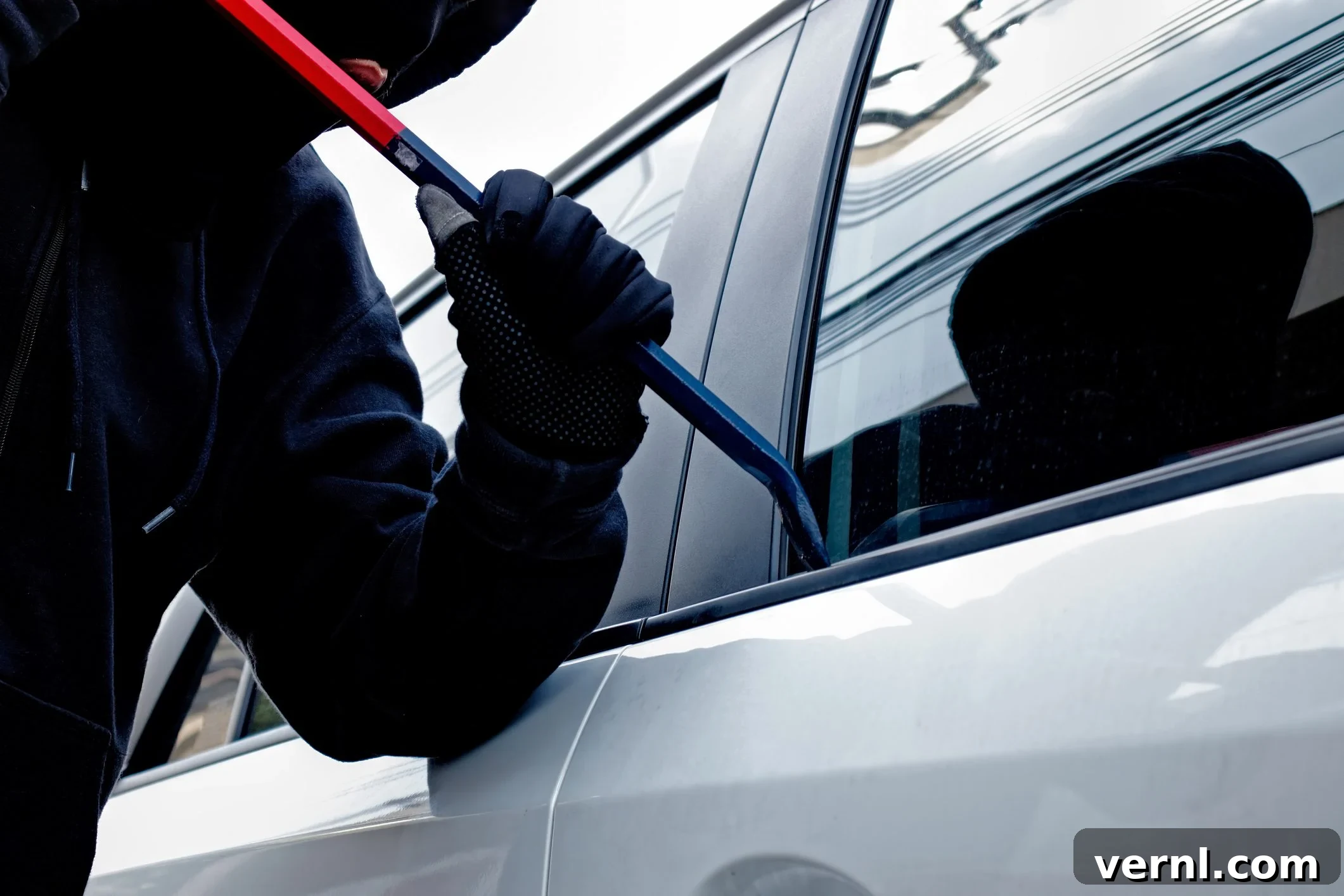
Without an engine immobilizer, a car becomes remarkably easy to steal, even for models equipped with keyless entry systems. The simplicity of the theft method associated with these specific Hyundai and Kia models is particularly alarming: thieves can gain access by merely prying open the steering column cover and then manipulating the ignition system with basic tools like a screwdriver and a common USB cord. This method bypasses traditional lock mechanisms and hot-wiring techniques, making the theft process incredibly quick and virtually silent. The viral spread of these theft techniques via platforms like TikTok, often referred to as the “Kia Challenge,” further exacerbated the problem, effectively creating a widespread blueprint for car thieves.
Which Specific Hyundai and Kia Models Are Most Affected by Theft Vulnerability?
The models primarily targeted within the two brands car thieves are targeting are those manufactured between 2011 and 2021 that lack the standard engine immobilizer technology. These include popular models such as the Kia Soul, Kia Sorento, Hyundai Tucson, and Hyundai Elantra, among others. The absence of this key security feature makes them exceptionally vulnerable, transforming them into prime targets for criminals seeking easy-to-steal vehicles.
The modus operandi for stealing these cars is alarmingly straightforward and has been widely disseminated online. Thieves can easily pry off the plastic cover surrounding the steering column, exposing the ignition cylinder. Once exposed, they can forcibly break the ignition mechanism and then use a standard USB cable to twist the cylinder, effectively hot-wiring the car and allowing it to start. This rudimentary but effective method requires minimal tools and expertise, making it accessible even to amateur thieves. The viral videos illustrating this exact technique have significantly contributed to the surge in thefts, as they demystified the process and demonstrated how easy it was to exploit this design flaw.
The widespread knowledge of this vulnerability, combined with the sheer number of these models on the road, created a perfect storm for increased theft rates. Owners of these specific model years are therefore strongly advised to take immediate action to bolster their vehicle’s security, as the standard factory features are insufficient to deter determined thieves.
Which Insurance Companies Are Denying Coverage to Hyundais and Kias?
The escalating theft rates for vulnerable Hyundai and Kia models have indeed prompted a significant response from the auto insurance industry. As of now, major insurance providers such as State Farm and Progressive have reportedly begun denying coverage for these select Kia and Hyundai models in certain high-risk areas, according to reports from CNN Money. This trend is not isolated to just these two carriers; while the full scope of coverage changes across the entire insurance industry remains fluid and potentially varies by region, it is widely anticipated that other insurance providers may follow suit by either substantially increasing coverage premiums, implementing stricter eligibility requirements, or declining coverage altogether for these high-risk vehicles.
Both Kia and Hyundai have acknowledged the gravity of the situation and responded to these decisions by insurers. In statements to NBC15, both manufacturers expressed regret over the impact on their customers, emphasizing their commitment to resolving the issue. “Kia America regrets this decision by certain insurers and its impact on owners and lessees of select Kia vehicles, which we anticipate will be temporary,” Kia stated. The company also clarified that “Engine immobilizers are now standard on all Kia vehicles and have always been standard equipment on Kia vehicles with push-button ignitions,” highlighting that newer models are not affected by this particular vulnerability.
Similarly, Hyundai articulated its position: “Hyundai regrets this decision by insurers and its impact on select Hyundai vehicle owners and lessees, which we anticipate will be temporary.” To address the problem proactively, Hyundai also announced initiatives to provide support for affected owners. This includes making newly customized security kits available for purchase and installation at local Hyundai dealerships. These kits aim to retrofit some of the affected vehicles with enhanced security features, providing an additional layer of protection against the prevalent theft methods. The long-term impact on vehicle resale values and insurance accessibility for these models remains a concern for many owners.
If My Insurance Doesn’t Want to Cover My Car, What Can I Do?
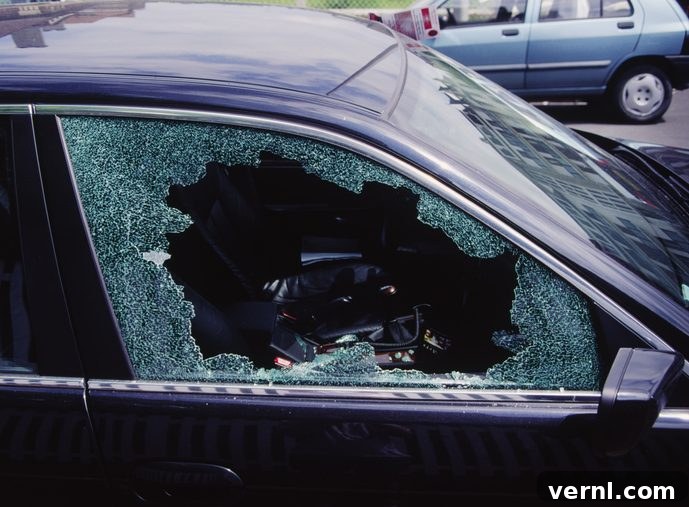
Facing a situation where your Hyundai or Kia is deemed uninsurable, or where premiums have become prohibitively expensive, can be incredibly frustrating and stressful. If your current insurer denies renewal or new coverage, your first step should be to explore other insurance providers. While major carriers might be reluctant, some smaller, regional, or specialized insurers might still offer coverage, albeit potentially at a higher cost. It’s crucial to shop around, compare quotes, and be transparent about your vehicle’s make, model, and year, as well as any security enhancements you’ve added.
Secondly, contact your local Hyundai or Kia dealership immediately. Both manufacturers have rolled out anti-theft software updates and made security kits available for purchase and installation. This software update is often provided free of charge and can significantly enhance your vehicle’s resistance to the “USB theft” method. The physical security kits, while an additional expense, provide a more robust deterrent. Presenting proof of these installed security enhancements to potential insurers might positively influence their decision or help in securing more favorable rates.
If finding affordable or even any insurance remains a challenge, or if the financial burden of high premiums outweighs the car’s value, it may be worth taking a hard look at your finances and considering alternative transportation solutions. Evaluating the long-term costs of ownership, including insurance, maintenance, and potential depreciation due to the theft stigma, might lead you to conclude that replacing your vehicle with a model less susceptible to theft is the most financially prudent choice. This is especially true if you are unable to find any insurance coverage, as driving uninsured carries severe legal and financial risks.
However, if purchasing a new car is not financially feasible at this time, or if you are committed to keeping your current vehicle, investing in a few robust anti-theft car devices is highly recommended. While these devices do not solve the underlying design flaw, they can significantly increase the time and effort required for a thief to steal your car, often deterring them entirely. Popular options include:
- Steering Wheel Locks: Visible and physical deterrents that make it impossible to steer the vehicle.
- Brake Pedal Locks: Similar to steering wheel locks, these prevent the use of the brake pedal, rendering the car immobile.
- Kill Switches: These discreet devices manually cut off power to essential components (like the fuel pump or ignition), preventing the car from starting even if hot-wired.
- Advanced Car Alarms: Beyond basic alarms, these can include motion sensors, tilt sensors, and even GPS tracking capabilities.
- GPS Tracking Devices: While not preventing theft, these greatly increase the chances of recovery if your car is stolen.
Implementing a combination of these devices, alongside the manufacturer’s software update, creates multiple layers of protection, making your vehicle a less appealing target for thieves and potentially easing your journey to secure insurance coverage.
Frequently Asked Questions About Car Insurance and Theft
Are exotic or luxury cars harder to insure?
Yes, exotic and luxury cars are indeed significantly harder and more expensive to insure compared to standard vehicles. Several factors contribute to this. Firstly, their high purchase price means that the cost to replace them in the event of a total loss is substantially higher. Secondly, these vehicles often utilize specialized components and advanced technology that are not only costly to manufacture but also difficult to source and repair, leading to exorbitant repair bills for even minor damages. “Not only are they costly to repair or replace, a lot of the time they have hard-to-find parts or need special repair,” says Alex Black from EpicVIN. This complexity demands specialized mechanics and workshops, further increasing potential claim costs.
Moreover, luxury and exotic cars are often high-value targets for sophisticated theft rings or joyriders, making them inherently riskier for insurers. The allure of these vehicles makes them prime candidates for being stolen, disassembled for parts, or shipped overseas. Black adds, “They’re also high-value targets for theft or joyrides, so that also makes them harder to insure, especially something like a Lambo or a McLaren.” Insurers often require specific security measures, specialized policies, and charge significantly higher premiums to cover the elevated risks associated with these exclusive vehicles. Some insurers, like The Hartford, even specialize in offering tailored coverage for high-net-worth individuals and their luxury vehicle collections.
Does the location of the vehicle affect insurance eligibility and rates?
Absolutely, the geographical location where you live and primarily park your vehicle profoundly affects both your insurance eligibility and your rates. Insurance operates on the principle of risk assessment, and your location is a crucial determinant of that risk. Meegan Hall, senior editor at Car Talk, explains, “Risk is a key factor in insurance, and things like theft rates, repair costs and accident frequency in the area where a car is driven are considered when writing a policy.” This means that an identical car driven by an identical driver could have vastly different insurance costs depending on where it’s garaged.
Areas with higher population density, elevated crime rates (especially for vehicle theft), higher traffic congestion, and a greater frequency of accidents typically correspond to higher insurance premiums. For example, a car driven and parked in a bustling metropolitan area like New York City will almost certainly face a different, and likely higher, risk assessment compared to one in a quieter, less populous town like Rochester, Minnesota. Insurers utilize vast amounts of data to make these assessments. “They buy data from vendors like TNEDICCA or they rely on zip code-level data for crime rates, accident rates or sometimes proxies for congestion like population density,” notes Guillermo Francisco Cornejo. Furthermore, insurers are aware of which roads are statistically more dangerous in the country, and if your commute or regular driving routes pass through such areas, it can also factor into your risk profile and premium calculations. This granular analysis ensures that premiums accurately reflect the localized risks associated with your vehicle’s environment.
About the Experts
- Guillermo Francisco Cornejo is a licensed insurance agent and co-founder and CEO at Riders Share, a motorcycle rental platform that leverages AI to accurately price vehicle rental insurance.
- Alex Black is the Chief Marketing Officer at EpicVIN. With over 15 years of experience, he is a seasoned car expert, having worked extensively in car auctions, vehicle history providers, and various other facets of the automotive industry.
- Meegan Hall serves as the Senior Editor of Car Talk, the digital content evolution of the beloved, long-running NPR show dedicated to all things automotive.