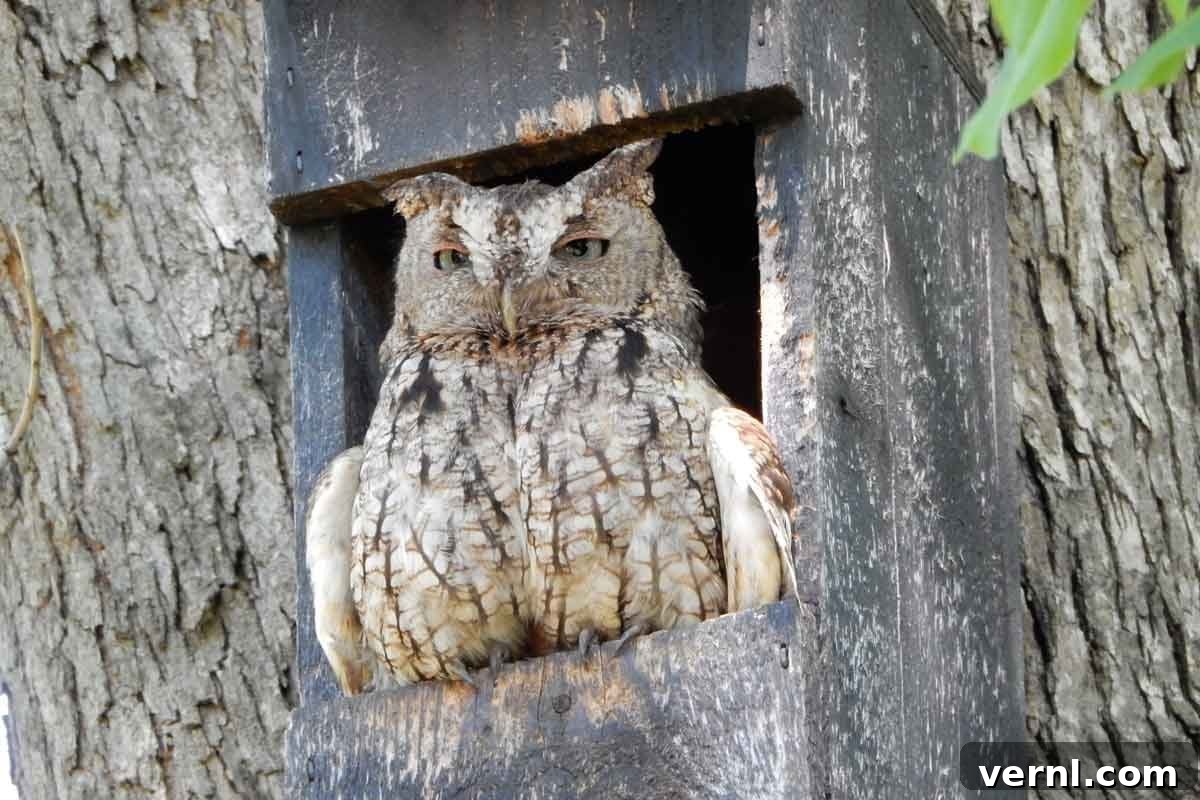
If you’re seeking an intelligent, eco-friendly solution to common garden pests, look no further than the silent hunters of the night: owls. Learning how to attract owls to your property is not just a fascinating endeavor for wildlife enthusiasts; it’s also an incredibly effective and sustainable method for natural pest control. These majestic raptors possess unparalleled hunting prowess, making them invaluable allies in managing a wide array of yard nuisances, from bothersome insects to destructive rodents.
Owls’ diets are remarkably diverse, adapting to their species, size, and geographic location. Smaller owl species, such as the endearing screech owls, are adept at preying on a variety of invertebrate pests including insects, snails, and spiders, alongside small mammals like mice. As you scale up to larger species, their dietary preferences expand significantly. Iconic raptors like barn owls and great horned owls are formidable predators, regularly feasting on problematic voles, tunneling moles, agile mice, scurrying chipmunks, busy squirrels, and even larger fare such as rabbits. Occasionally, they might also consume reptiles, including snakes. This intricate dance of predator and prey exemplifies biological pest management at its finest, a system meticulously designed by nature itself. For those keen on identifying their garden invaders, understanding the distinction between voles versus moles is a good starting point.
Globally, there are approximately 250 recognized species of owls, each with unique characteristics that allow them to thrive in diverse environments. While they can be identified through subtle differences in appearance and distinctive vocalizations, owls generally share a set of remarkable anatomical features. These include a large, often round head, disproportionately large, forward-facing eyes that grant them binocular vision, a sharp, downward-curving beak, and powerful talons designed for seizing prey. Their sensory capabilities are truly extraordinary. Owls boast exceptional vision, particularly adapted for low-light conditions prevalent during dusk and dawn, their prime hunting hours. Complementing their sight is acute hearing, further enhanced by the asymmetrical placement of their ears, which allows them to pinpoint the exact location of sounds with remarkable precision. These specialized features, combined with their unique ability to fly almost completely silently, make them superior nocturnal hunters. Fortunately, encouraging these beneficial predators to take up residence in your yard is not an insurmountable challenge, and the benefits of their natural pest hunting prowess are profound for any landscape.
Cultivating an Owl Haven: Trees and Other Vital Plants
Trees are indispensable for creating a thriving wildlife habitat, offering multifaceted value that extends particularly to owls. These magnificent birds utilize trees for a variety of essential activities: safe roosting spots during the day, secure nesting sites for raising their young, and strategic perches from which to survey their hunting grounds. The presence of mature trees, especially those with dense canopies and strong branches, provides crucial cover and protection from elements and other predators.
Beyond live trees, dead trees or “snags” — those with dead tops or decaying trunks — are surprisingly valuable ecological assets. Often overlooked and sometimes removed for aesthetic reasons, these natural structures offer vital “scouting” perches for a range of raptors, including owls, hawks, and eagles, allowing them to survey their territory with an unobstructed view. Examples of the wildlife value of snags highlight their importance. If your yard lacks a natural snag, you can mimic this by strategically pruning certain live branches to expose bare limbs, creating ideal roosting spots that offer good visibility and easy access. While snags are important, it’s equally crucial to include a diversity of living trees and understory plants. Integrating fruiting shrubs, nut-bearing plants like hazelnuts, and various ornamental grasses provides essential food and shelter for the small animals that constitute an owl’s primary prey. This multi-layered vegetation creates a robust ecosystem, ensuring a steady food supply for your resident owls while also enhancing biodiversity in your garden. For a deeper dive into sustainable landscaping practices, learn more about creating a comprehensive wildlife habitat.
Providing Essential Habitat: Owl Nesting and Roosting Structures
While a naturally hollow tree or one with a generously sized cavity in a limb offers the quintessential owl habitat, mimicking these ideal conditions is readily achievable through the strategic placement of a large nesting box. These specially designed structures provide a safe, secluded, and weather-protected environment for owls to nest and raise their young. The type and size of the nesting box will depend on the owl species you aim to attract; for instance, a small screech owl box differs significantly from one designed for a barn owl.
You have the option to purchase a pre-built nesting box from wildlife suppliers or, for the more DIY-inclined, construct one yourself. When building, ensure the wood is untreated and durable, capable of withstanding various weather conditions. Key considerations for placement include selecting a secluded location that offers minimal disturbance from human activity or pets. The box should be mounted securely, typically about 10-20 feet off the ground, depending on the owl species. For smaller owls like screech owls, 10-15 feet is often sufficient, while larger species may prefer higher elevations. Crucially, the entrance hole of the box should be oriented away from the prevailing winds in your region to prevent rain and cold drafts from entering. Facing it towards the east or south can often provide protection and capture morning sunlight. Additionally, ensuring there’s a clear flight path to the entrance hole is vital, so avoid placing it directly amidst dense branches. Regularly inspecting the box for signs of activity, without disturbing occupants, can help determine its success. For more in-depth guidance on selecting, installing, and maintaining owl nesting boxes, resources such as those from the University of Missouri Extension offer valuable, research-backed information.
Minimizing Light Pollution: A Darker Environment for Nocturnal Hunters
Owls, being predominantly nocturnal hunters, rely heavily on their extraordinary night vision to navigate and locate prey in the dark. Consequently, any excessive or misplaced artificial lighting in your yard can be detrimental to their hunting success and overall well-being. In fact, brightly lit areas are often actively avoided by owls, as their eyes are highly sensitive to light, and intense illumination can disrupt their natural hunting patterns and ability to see in subtle shadows.
The proliferation of outdoor lighting, including ubiquitous porch lights, powerful security lights, and even purely aesthetic landscape lighting, can severely disorient nocturnal owls. This is particularly true for lights connected to motion detectors, which can suddenly illuminate and startle hunting owls, causing them to abandon their pursuit or even leave the area altogether. Beyond owls, bright outdoor lights are known to confuse and disorient other migrating birds and nocturnal wildlife, contributing to light pollution that disrupts entire ecosystems. To create a more owl-friendly environment, consider reducing the intensity and duration of your outdoor lighting. Opt for motion-activated lights with shorter timers and lower wattage bulbs, or use downward-facing fixtures that direct light only where it’s needed, minimizing upward light spill. Shielded fixtures that prevent light from escaping horizontally or upwards are ideal. Dimming switches and amber or red-spectrum lights can also be less disruptive than harsh white or blue lights. By consciously reducing light pollution, you not only benefit owls but also contribute to a healthier, more natural nocturnal environment for all wildlife.
Encouraging a Healthy Prey Base: The Foundation of Owl Attraction
For owls to establish a permanent presence in your yard, they require a consistent and healthy supply of prey. Creating an environment rich in their natural food sources is paramount for attracting and retaining these beneficial predators. This involves adopting gardening practices that foster biodiversity and provide ample cover for small animals, which in turn, become sustenance for owls.
Untamed naturalistic gardens are an excellent starting point. Rather than meticulously manicured lawns and sparse plantings, embrace areas of native plants, wildflowers, and varied ground cover. These diverse plantings offer abundant food, nesting sites, and crucial shelter for a variety of small animals, including insects, voles, mice, and other creatures that owls commonly hunt. Allowing certain areas of your garden to grow a little wild can transform it into a vibrant micro-ecosystem. Another highly effective strategy is to incorporate brush piles into your landscape, particularly in less-frequented corners of your yard. These simple stacks of branches, leaves, and other garden debris create ideal hideouts and breeding grounds for small mammals and insects. While this might seem counterintuitive to a gardener battling pests, remember that a healthy population of prey animals is essential for attracting and sustaining owls. The owls will manage the population naturally, ensuring balance. However, it is absolutely critical to avoid the use of rodenticides or any chemical poisons to control pests. Owls and other raptors are highly susceptible to secondary poisoning. If an owl consumes a rodent that has ingested poison, the toxins can accumulate in the owl’s system, leading to severe illness, injury, or even death. This undermines the very goal of attracting them as natural pest control. Instead, focus on integrated pest management techniques that are organic and safe for wildlife, ensuring the health and safety of both your garden and its magnificent feathered guardians.