
The relentless march of global warming is undeniable. Climate scientists worldwide have issued stark warnings, and in 2023, the New York Times published a compelling series of graphics illustrating the undeniable rise in global temperatures. For homeowners and renters across the globe, this reality translates into an urgent need for effective cooling solutions. Room air conditioners are no longer just a luxury; they are increasingly essential tools for maintaining comfort, safeguarding health, and, for some, ensuring survival during intense heatwaves. As summers grow hotter and longer, investing in a reliable cooling system becomes a critical decision for household well-being and energy management.
Among the myriad of air conditioning solutions available, room air conditioners stand out as one of the most popular choices due to their accessibility, affordability, and practical convenience. These compact units offer targeted cooling, making them ideal for individuals or families who wish to cool specific areas of their home without the significant investment required for a whole-house system. According to the U.S. Energy Information Administration, approximately 25 percent of all homes in the U.S. already utilize a room air conditioner, highlighting their widespread adoption. If your home is currently sweltering through warmer seasons and you’re contemplating a change, embarking on the journey to find the perfect room air conditioner is a wise step, and we’re here to guide you through every aspect of that decision-making process.
What Is a Room Air Conditioner and How Does It Work?
At its core, a room air conditioner is an appliance designed to lower the temperature and humidity within a confined space. It achieves this through a continuous cycle of drawing in warm, humid air from the room, processing it, and then returning cooler, drier air. The fundamental principle involves a refrigerant, a substance that easily converts between liquid and gas states. As warm air passes over evaporator coils containing this refrigerant, the liquid refrigerant absorbs heat and vaporizes into a gas, effectively chilling the coils. This cooled air is then blown back into the room by a fan, creating an immediate sensation of relief.
Simultaneously, the now-gaseous refrigerant travels to a condenser coil, typically located on the exterior side of the unit (for window or wall-mounted types), where it releases the absorbed heat into the outside environment and condenses back into a liquid. This continuous cycle not only cools the air but also significantly reduces ambient moisture, making rooms feel less muggy and more comfortable. Beyond temperature regulation, many modern room air conditioners incorporate filters that help to trap dust, pollen, and other airborne particles, contributing to improved indoor air quality. These units are surprisingly powerful, capable of effectively cooling areas as large as 1,600 square feet, depending on their British thermal unit (Btu) rating, making them versatile solutions for various room sizes.
While central air conditioning systems are engineered to cool an entire home through a network of ducts, room air conditioners offer a more localized approach, focusing their cooling power on smaller, designated spaces. This distinction makes them a more energy-efficient choice when only specific rooms require cooling, such as a bedroom at night or a home office during the day. Although they might not match the whole-house efficiency of a central system, their significantly lower purchase price, simpler installation, and reduced operating costs for targeted cooling make them an attractive and budget-friendly option for many households.
Exploring the Types of Room Air Conditioners
When most people think of room air conditioners, images of portable units or traditional window units often come to mind. However, the market for room air conditioners is far more diverse, offering specialized solutions to fit various architectural styles, aesthetic preferences, and specific cooling needs. Understanding these different types is crucial for making an informed decision that best suits your living situation. Here are the four most common types of room air conditioners, each with its own set of advantages and considerations:
Window Room Air Conditioners
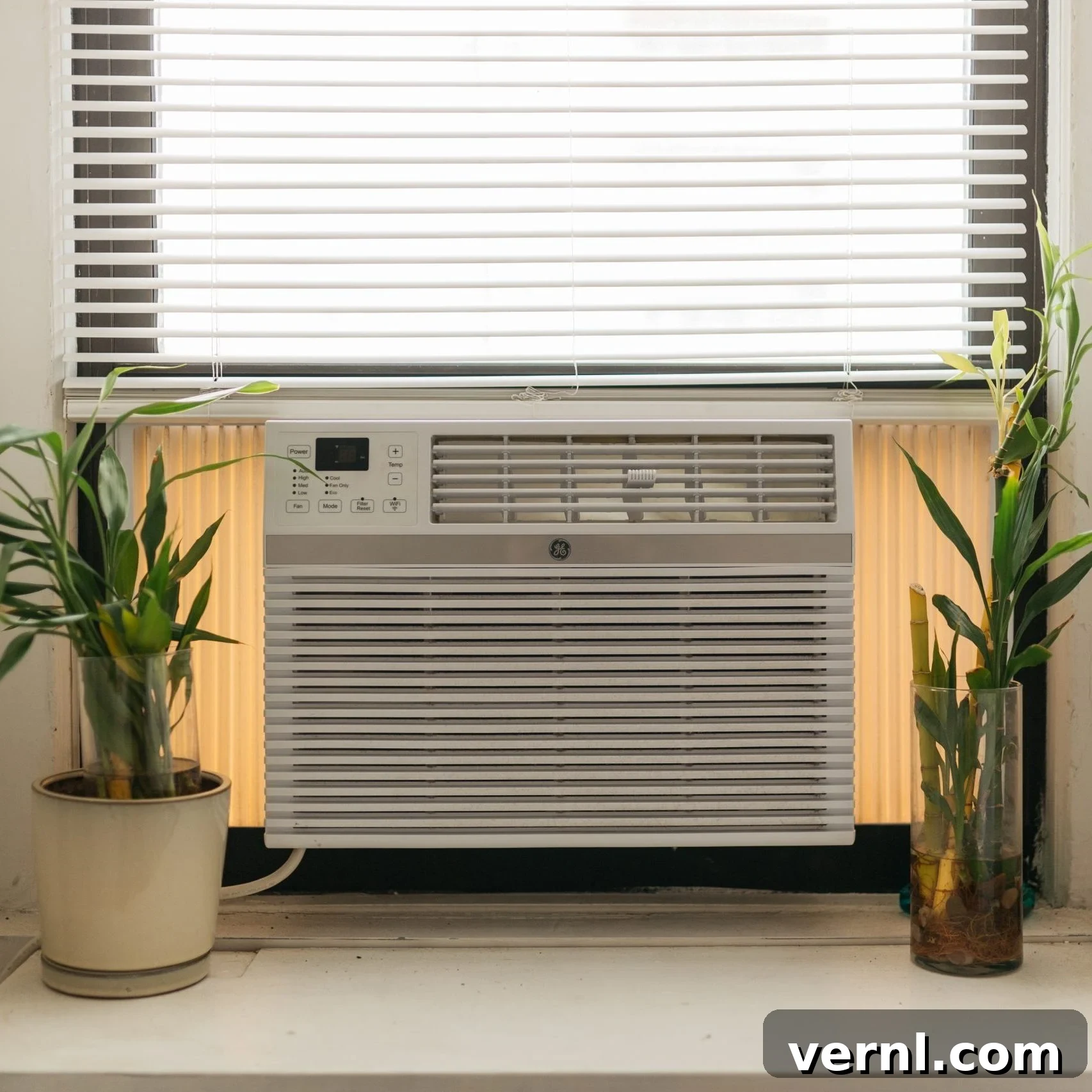
Window air conditioners remain the perennial favorite and most widely recognized type of room air conditioner in homes across the country. Their enduring popularity stems from a combination of straightforward functionality, ease of installation, and cost-effectiveness. These self-contained units house all their components—compressor, condenser, evaporator, and fan—within a single chassis. The installation typically involves securing the unit within a double-hung or sliding window frame, requiring only a readily available power source nearby. The design allows the hot air and moisture extracted from the room to be vented directly outside, ensuring efficient cooling.
A significant advantage of window units is their relative simplicity of maintenance, particularly their easily accessible filters, which can be regularly cleaned or replaced to maintain optimal performance and air quality. They are available in a vast array of sizes and British thermal unit (Btu) ratings, allowing consumers to select a model perfectly matched to the dimensions of the room they intend to cool. Generally, window air conditioners are among the most economical options on the market, offering substantial cooling power without a hefty price tag. Before making a purchase, it’s always wise to consult detailed product evaluations, such as our comprehensive Windmill Air Conditioner review, to ensure you’re choosing a unit that aligns with your specific needs and expectations.
Portable Room Air Conditioners
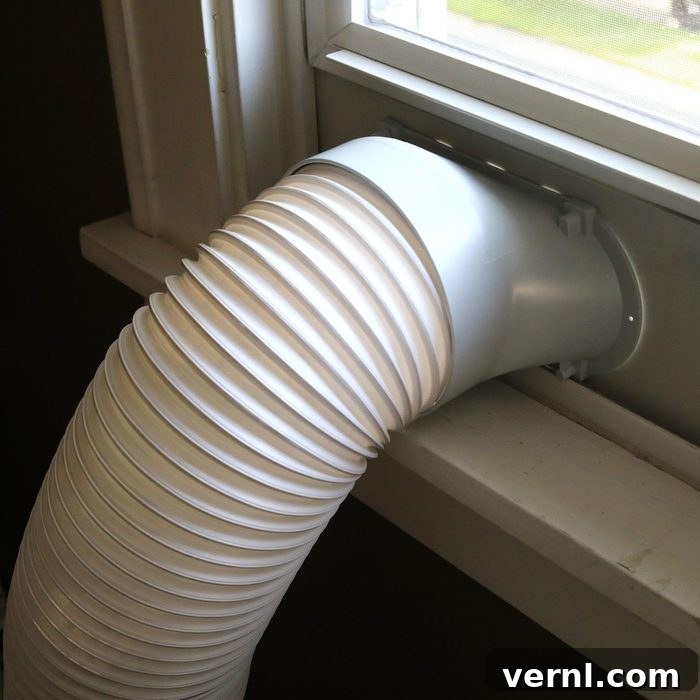
Portable air conditioners are freestanding units designed for convenience and flexibility, often chosen by individuals who cannot install a window unit or prefer not to. These units are self-contained and relatively easy to set up, requiring minimal installation effort. However, despite their “portable” designation, it’s important to note that these air conditioner units are not as mobile as their name might suggest. They can often be quite heavy, making frequent relocation a cumbersome task. Moreover, because they require an attached vent hose to expel warm air and moisture, their movement is restricted by the proximity to a window or a designated vent opening.
The operational principle of a portable AC involves pulling warm room air, cooling it over internal coils, and then returning the chilled air to the space. The hot, humid air byproduct, a result of the cooling process, is then exhausted through a flexible hose that must be routed out a window, a sliding door, or a pre-drilled hole in a wall. While they offer flexibility, portable units are generally considered less efficient than window units. They can also be noticeably noisier due to the compressor and fan being located entirely within the living space. Prospective buyers should consider these factors, including the potential for higher energy consumption and ambient noise, when weighing the benefits of their convenience against overall performance.
Wall- and Floor-Mounted Room Air Conditioners (Ductless Mini-Splits)
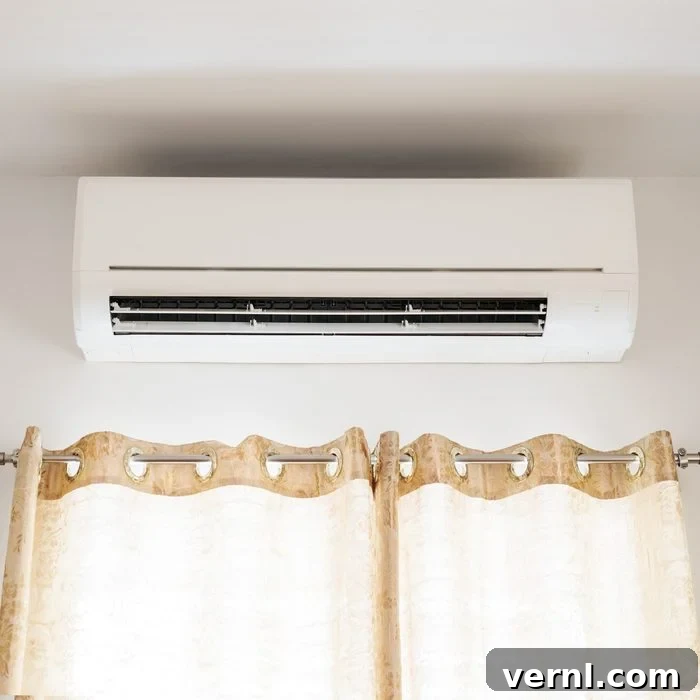
Wall- and floor-mounted room air conditioners, more commonly known as ductless air conditioners or mini-split systems, represent a more sophisticated and permanent solution for zoned cooling. Unlike traditional central air conditioning, they don’t require extensive ductwork, making them an excellent option for homes without existing ducts, additions, or for specific rooms needing dedicated temperature control. These systems typically consist of two main components: an indoor unit (often a sleek, wall-mounted console, though floor-mounted options exist) and an outdoor condenser unit.
The indoor unit, mounted high on an interior wall or discreetly near the floor, draws in warm air, cools it, and circulates the conditioned air back into the room. The outdoor unit contains the compressor and condenser, which dissipate the heat and moisture extracted from the indoor air into the external environment. These two units are connected by a small conduit that houses refrigerant lines, power cables, and a condensate drain, requiring only a small hole drilled through the wall for installation. Wall-mounted air conditioners are highly praised for their quiet operation, superior energy efficiency (often featuring inverter technology for precise temperature control), and aesthetically pleasing design that blends seamlessly with modern interiors. Floor-mounted units, specifically designed to sit close to the floor (but not directly on it), offer a unique advantage: their lower placement allows for easier filter access and maintenance, making them an excellent choice for individuals with mobility challenges or respiratory issues who benefit from easily cleaned air filters. Many mini-split models also offer heating capabilities, providing year-round comfort with a single system.
Ceiling Recessed Room Air Conditioners (Cassettes)
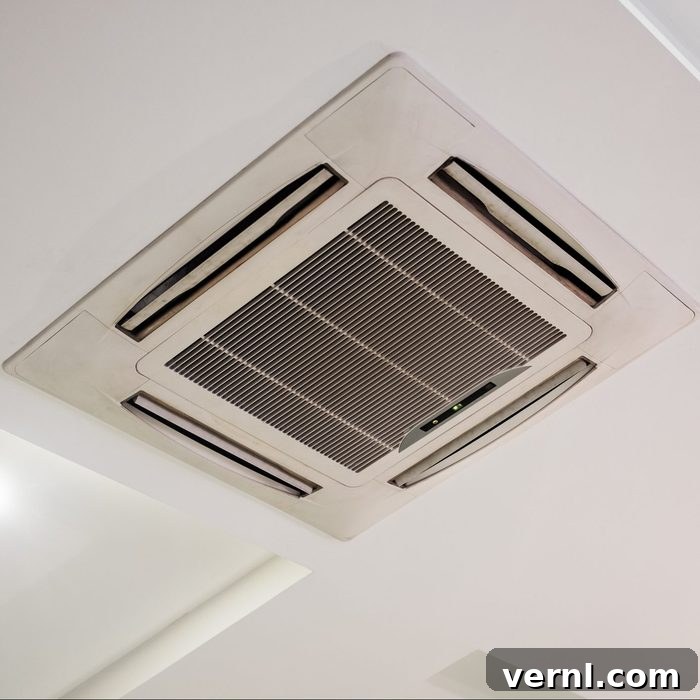
For those seeking the ultimate in discreet and powerful cooling, ceiling recessed room air conditioners, often referred to as cassette units, offer an elegant solution. These mini-split systems are ingeniously designed to be installed directly into the ceiling, making them virtually invisible save for a flush-mounted grille. This makes them an ideal choice for large rooms, open-plan living spaces, or commercial environments where aesthetics and unobstructed floor space are paramount. A key feature of cassette units is their multi-directional airflow capability; they are engineered to distribute conditioned air in four directions simultaneously, ensuring uniform cooling across expansive areas with minimal drafts.
Installation of a ceiling recessed unit typically requires a minimum of 10 inches of clearance in the ceiling space to accommodate the main housing. While the main body is hidden, it still requires proper venting to the outside, similar to other air conditioning systems, for the effective removal of heat and moisture. Due to the complexity of their installation, which often involves modifications to the ceiling structure and specialized wiring, professional installation is almost always necessary. Despite the higher initial cost and installation complexity, their superior performance, energy efficiency, quiet operation, and ability to blend seamlessly into the decor make them a premium choice for high-end cooling. For those exploring various AC options, including the best window air conditioner for your needs, understanding the sophisticated capabilities of ceiling recessed units can provide a broader perspective on modern cooling technology.
How To Choose the Perfect Room Air Conditioner
Selecting the right room air conditioner involves more than just picking a unit off the shelf. It requires careful consideration of several key factors to ensure optimal performance, energy efficiency, and long-term satisfaction. With the variety of types and features available, understanding what to prioritize will help you make an informed decision that perfectly matches your space and budget. When deciding what type and model of room air conditioner to buy, pay close attention to these essential features:
Btu Rating: Sizing Your AC for Optimal Performance
The British thermal unit (Btu) rating is perhaps the most critical specification for any air conditioner. As air conditioning expert Debbie Hughes explains, for heating, ventilation, and air conditioning (HVAC) purposes, one Btu quantifies the amount of heat an air conditioner can remove from a space in one hour. Choosing the correct Btu rating is paramount; an undersized unit will struggle to cool the room adequately, running constantly and inefficiently, while an oversized unit will cool too quickly, cycling on and off frequently without proper dehumidification, leading to a clammy and uncomfortable environment.
To determine the approximate Btu rating you’ll need, Hughes recommends a simple calculation: measure the square footage of the space you wish to cool and multiply it by 20. For example, a 300-square-foot room would ideally require a 6,000 Btu unit (300 sq ft x 20 = 6,000 Btu). This rough value serves as a good starting point, but it’s important to adjust based on specific environmental factors. If your room is heavily shaded or receives minimal direct sunlight, you can subtract 10 percent from this calculated Btu value. Conversely, if the area receives abundant direct sunlight, has high ceilings, houses multiple occupants, or contains heat-generating appliances (like computers or kitchen equipment), it’s advisable to add 10 percent to ensure sufficient cooling capacity. Proper sizing prevents both wasted energy and inadequate comfort.
Venting: The Key to Effective Cooling
Proper venting is an absolutely crucial, non-negotiable aspect of operating a room air conditioner effectively. As HVAC expert Brian Amodio emphasizes, if your room air conditioner isn’t properly vented to the outside, it simply cannot cool the space because the hot air and moisture it extracts will remain trapped indoors, essentially making the unit self-defeating. The fundamental principle of refrigeration dictates that heat must be moved from the inside to the outside, which is why venting to an exterior environment is imperative—venting into a different room, a closet, or even an attic is ineffective and will lead to an uncomfortably hot and humid interior.
Most room air conditioning units, including window, portable, and ductless mini-split systems, require a dedicated opening to the outside—be it a window, a door, or a professionally installed wall hole. This allows the hot exhaust air and condensed moisture to be expelled from the living space. For portable units, this typically involves a flexible exhaust hose connected to a window venting kit. For window units, their design inherently vents outside. Ductless mini-splits, with their separate outdoor condenser, manage this external heat exchange through refrigerant lines. If your living situation or architectural constraints make it impossible to set up a proper external venting system for a room air conditioner, Amodio advises that a central AC system, while a larger investment, may prove to be a far more efficient and practical cooling solution for your entire home.
Cost: Understanding the Investment and Operational Expenses
One of the primary reasons for the popularity of room air conditioners is their generally lower cost and easier installation compared to full central air conditioning systems. However, within the category of room air conditioners, prices can vary significantly, influenced by the unit’s type, Btu rating, brand, and included features. Understanding these cost differentiators is essential for budgeting and making a financially sound decision.
Window air conditioners typically represent the most budget-friendly entry point, with prices ranging between $150 and $1,000, making them highly accessible. Portable air conditioners follow, usually averaging between $100 and $400, offering flexibility at a moderate cost, though sometimes with trade-offs in efficiency and noise. For more advanced and aesthetically integrated solutions, wall- and floor-mounted ductless mini-split units come with a higher price tag, generally costing between $700 and $1,500 per indoor unit, plus professional installation fees. Ceiling recessed units can be even more expensive due to their complex installation. Beyond the initial purchase, prospective buyers should also consider operational costs, primarily electricity consumption, which can vary based on the unit’s energy efficiency rating (EER or SEER), usage habits, and local electricity rates. It’s always a good idea to research specific models; for instance, you can read our detailed review of the LG portable air conditioner to get an idea of what to expect from a popular model.
Warranty: Protecting Your Investment
When investing in any appliance, especially one as crucial as an air conditioner, understanding the warranty is vital for protecting your purchase and ensuring peace of mind. Most reputable residential air conditioner manufacturers offer a standard five- to 10-year components warranty, covering defective parts within the unit. This typically includes critical components such as the fan motor, compressor, evaporator coil, and blower motor, which are essential for the unit’s operation. However, as Debbie Hughes points out, these standard manufacturer warranties almost universally do not cover the cost of labor for repairs.
This is where additional protections come into play. Many HVAC companies and retailers offer extended labor warranties or comprehensive service contracts. These agreements are designed to cover the labor costs associated with any air conditioner repairs and routine maintenance services during the specified warranty period, which can save homeowners significant out-of-pocket expenses should a repair be needed. It’s also important to note that while installing window or portable air conditioners might be a DIY project for many, wall-mounted or floor-mounted (mini-split) systems almost always require professional installation to ensure proper functioning, maximize efficiency, and, crucially, to keep the manufacturer’s warranty valid. Improper installation by an unqualified individual can often void your warranty, leaving you exposed to full repair costs. Always clarify warranty terms and consider additional service contracts, especially for more complex systems.
Energy Efficiency Ratings: SEER and EER
Beyond the initial cost, the long-term expense of owning a room air conditioner is heavily influenced by its energy efficiency. Key metrics to look for are the Seasonal Energy Efficiency Ratio (SEER) for central ACs and ductless mini-splits, and the Energy Efficiency Ratio (EER) for window and portable units. A higher SEER or EER rating indicates a more energy-efficient unit, meaning it consumes less electricity to produce the same amount of cooling, ultimately leading to lower operating costs and a reduced carbon footprint. For window and portable units, look for the Energy Star label, which signifies that the appliance meets strict energy efficiency guidelines set by the U.S. Environmental Protection Agency. Investing in a unit with a good EER or SEER rating might involve a slightly higher upfront cost, but the savings on your monthly energy bills can quickly offset this difference over the lifespan of the appliance. Always compare these ratings when evaluating different models to ensure you’re making an environmentally conscious and economically sound choice.
Noise Levels: Ensuring a Peaceful Environment
The noise level of an air conditioner can significantly impact comfort, especially if the unit is in a bedroom, office, or living area. Noise levels are typically measured in decibels (dB). Window and portable units tend to be louder than ductless mini-splits, as all their operational components are located within the living space. Portable units, in particular, often receive criticism for their noise output. When comparing models, look for a decibel rating provided by the manufacturer. Units operating around 50-60 dB are generally considered moderately quiet for a room AC, while anything above 65 dB might be disruptive, particularly for sleeping or concentration. Ductless mini-splits, with their outdoor compressor, can operate as low as 20-30 dB indoors, offering near-silent cooling. Consider the intended placement of the unit and your personal sensitivity to noise when making your selection to ensure your new AC enhances, rather than detracts from, your indoor environment.
Smart Features and Connectivity
Modern room air conditioners increasingly come equipped with smart features and connectivity options that enhance convenience and control. Many units now offer Wi-Fi connectivity, allowing you to control your AC remotely via a smartphone app. This means you can turn the unit on before you arrive home, adjust settings from another room, or even monitor energy usage. Other smart features include programmable timers, sleep modes (which subtly adjust temperature for optimal sleep), eco-friendly settings, and integration with smart home ecosystems like Amazon Alexa or Google Assistant for voice control. While these features may add to the unit’s cost, they can significantly improve user experience, energy management, and overall comfort, making your room air conditioner an integral part of a connected smart home.
Before finalizing your decision, remember to also explore these common air conditioner myths that you need to stop believing, to ensure you’re working with accurate information.
FAQs About Room Air Conditioners
Will a room air conditioner significantly drive up your energy bill?
It’s true that running an air conditioner will increase your energy bill, but the extent of the hike may not be as dramatic as you might initially expect, especially with modern, energy-efficient units. Most room air conditioners draw a moderate amount of power, typically consuming about one kilowatt (1,000 watts) on average per hour of operation. To put this into perspective, at the average national electricity rate of approximately $0.16 per kilowatt-hour, running a standard room air conditioner for 10 hours a day would cost roughly $1.60. If you maintain this usage for an entire month (30 days), the total increase in your electricity bill would be less than $50. This is a relatively small price to pay for the significant relief and comfort offered by an air conditioner during sweltering summer months. Factors that can influence this cost include the unit’s efficiency rating (EER), the ambient outdoor temperature, the insulation quality of your room, and how consistently you use the unit. Proper sizing and thoughtful use, such as setting the thermostat slightly higher when you’re out, can help manage these costs effectively.
Can I use a room air conditioner in a garage?
Absolutely! If a room air conditioner is capable of cooling any room in your house, there’s no inherent reason why it can’t effectively cool your garage. Garages, however, often present unique challenges compared to typical living spaces. They are frequently poorly insulated, have large openings (like garage doors) that allow heat to penetrate easily, and can be exposed to direct sunlight for extended periods. To maximize the effectiveness of a room air conditioner in a garage, it’s highly recommended to improve insulation wherever possible, seal any gaps or cracks around doors and windows, and ensure proper ventilation for the AC unit itself. Portable or window units are often practical choices for garages due to their relatively easy installation. For specific recommendations, here are some of our picks for the best air conditioners to use in a garage, along with valuable tips for installing one to ensure efficient and lasting cooling.
About the Experts
- Debbie Hughes is the esteemed owner of Hughes Air Heating & Cooling, a leading HVAC service provider based in Mesa, Arizona, bringing years of practical expertise to the field.
- Brian Amodio is the visionary CEO of Action Air Conditioning, Heating & Solar in San Diego, CA, recognized for his extensive knowledge and innovative approaches to climate control solutions.
Sources
- New York Times: It’s Not Your Imagination. Summers Are Getting Hotter; Published in 2023, this interactive piece underscores the reality of rising global temperatures.
- U.S. Energy Information Administration: Air conditioning in nearly 100 million U.S. homes; Data published in 2024, providing insights into residential AC adoption and usage trends across the United States.