
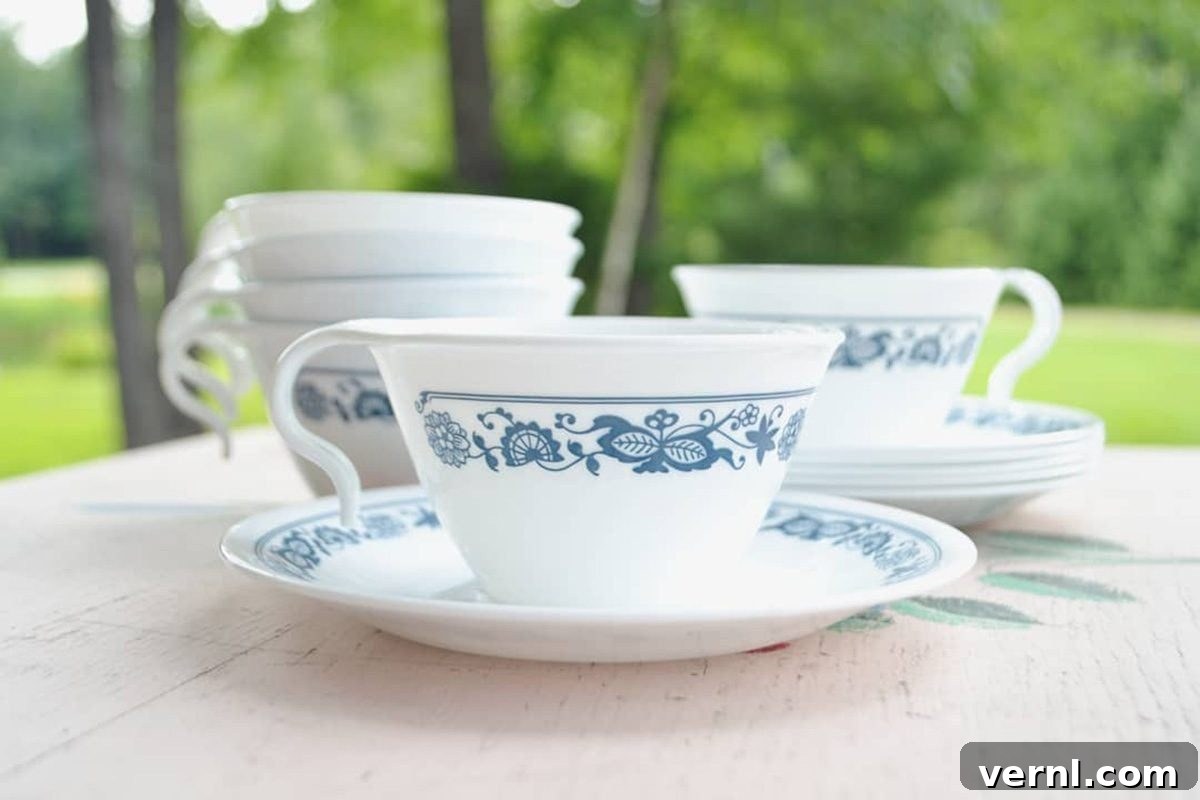
For many households, Corelle dinnerware isn’t just a collection of plates and bowls; it’s a cherished staple, often evoking a sense of nostalgia. Its legendary durability, lightweight design, and stackable convenience have made it a go-to choice for generations. Whether acquired during a kitchen refresh in the ’70s or passed down through the family, these sturdy dishes have weathered countless meals, from hurried breakfasts to festive holiday dinners. This enduring presence, however, prompts an important question for conscientious consumers: Is your vintage Corelle dinnerware still safe to use?
While modern Corelle products are manufactured to stringent safety standards, older pieces, particularly those produced decades ago, may pose a hidden risk: lead. This article delves into the history of Corelle, the evolution of safety regulations, and provides essential guidance on how to assess the safety of your cherished Corelle dishes. Our aim is to help you understand potential risks and make informed decisions about your dinnerware, ensuring the well-being of your family while still appreciating the iconic designs.
The Enduring Appeal and Legacy of Corelle Dinnerware
Corelle has cemented its place in kitchens worldwide thanks to its revolutionary Vitrelle glass technology. Introduced by Corning Glass Works in 1970, Vitrelle is a unique three-layer laminated glass that provides exceptional resistance to chips, breaks, and scratches. This innovation quickly made Corelle dinnerware a household name, synonymous with practicality and resilience. Its light weight, thin profile, and ability to nest compactly in cupboards further added to its appeal, making it ideal for everyday use and special occasions alike.
Beyond its functional advantages, Corelle dinnerware boasts a vast array of patterns and designs that reflect the evolving tastes of various eras. From vibrant floral motifs of the ’70s to minimalist designs of later decades, each set tells a story, often becoming a treasured family heirloom. This deep-rooted connection means that many individuals are reluctant to part with their older Corelle pieces. However, it is precisely this longevity that necessitates a closer look at the potential implications for safety, particularly concerning pieces manufactured before modern regulatory standards were firmly established.
Unveiling the Hidden Danger: Lead in Vintage Dinnerware Designs
The primary concern with older Corelle dinnerware, and indeed much vintage tableware, revolves around the use of lead in decorative paints and glazes. Before comprehensive regulatory oversight, lead was a common ingredient in ceramic and glass decorating processes. It was favored for its ability to produce vibrant colors, ensure the durability of painted designs, and facilitate specific aesthetic finishes.
The Evolution of Safety Regulations and FDA Standards
The understanding of lead’s toxicity has evolved significantly over the past half-century. Historically, lead was present in various consumer products, from paints to gasoline, before its severe health risks became widely recognized. In the context of tableware, the U.S. Food and Drug Administration (FDA) began to introduce regulations concerning lead leaching from dinnerware, particularly from the 1970s onwards. These regulations gradually tightened, aiming to minimize consumers’ exposure to lead.
It’s critical to understand that these stringent regulations only came into full effect around 40 years ago, with ongoing refinements and increased awareness. This means that Corelle dishes manufactured before the late 1970s or early 1980s were produced at a time when lead limits were either non-existent or far less restrictive than they are today. Even dishes from the 1980s and ’90s could potentially contain lead, especially in their decorative elements, if the manufacturers had not yet fully transitioned to lead-free alternatives or if the designs were applied in a way that left lead susceptible to leaching.
How Lead Exposure Occurs from Dinnerware
Lead is particularly hazardous because it is a cumulative toxin, meaning it builds up in the body over time. There is no known safe level of lead exposure, and even small amounts can have serious health consequences. When present in dinnerware, lead exposure can occur in several ways:
- Wear and Tear: Over decades of use, washing (especially in dishwashers with abrasive detergents), and scraping with utensils, the decorative paint on older Corelle dishes can chip, flake, or wear down. This directly exposes the lead-containing paint, which can then mix with food.
- Acidic Foods: Highly acidic foods and beverages (such as tomato sauce, citrus fruits, vinegar-based dressings, coffee, or tea) can accelerate the leaching of lead from compromised glazes or painted designs into the food or drink.
- Heat Exposure: Heating food in older Corelle dishes, particularly in a microwave, can increase the rate at which lead leaches from the decor into the food. Similarly, serving very hot foods or beverages can also contribute to this process.
- Prolonged Contact: Storing food, especially acidic food, in older dishes for extended periods can also facilitate lead migration.
The Serious Health Risks of Lead Exposure
The health implications of lead exposure are well-documented and affect nearly every system in the body. While direct lead poisoning from dinnerware is less common than exposure from old house paint or contaminated water, it is still a significant concern, especially for vulnerable populations:
- Children: Infants and young children are particularly susceptible to lead’s toxic effects. Even low levels of lead exposure can cause irreversible damage to the developing brain and nervous system, leading to developmental delays, learning disabilities, behavioral problems, and reduced IQ.
- Pregnant Women: Lead can cross the placenta and harm the developing fetus, potentially leading to premature birth, low birth weight, and developmental problems.
- Adults: In adults, lead exposure can cause high blood pressure, kidney damage, reproductive problems, nerve disorders, muscle and joint pain, memory loss, and mood disturbances.
Given these serious risks, it becomes imperative to exercise caution when dealing with dinnerware of uncertain origin or age. Corelle itself, recognizing these concerns, has advised that dishes manufactured prior to 2005 should ideally be used for decorative purposes only. This recommendation, highlighted in an email posted on Lead Safe Mama, underscores the company’s awareness of the potential issues with older patterns and manufacturing processes.
Identifying Potentially Unsafe Corelle Dinnerware
The question of whether to continue using your beloved Corelle dishes isn’t always straightforward. It largely depends on their age and condition. Understanding the key indicators of potential risk can help you make an informed decision.
Age as a Primary Indicator of Corelle Safety
- Corelle Dishes Purchased After 2005: Generally speaking, Corelle products manufactured and purchased after 2005 are considered safe. By this time, manufacturers, including Corelle, had largely adopted lead-free glazes and paints in their production processes to comply with modern FDA regulations and increasing consumer awareness. These dishes are designed for everyday use, including microwave and dishwasher safety.
- Corelle Dishes Manufactured Before 2005: This is where caution becomes paramount. While not all pre-2005 Corelle is necessarily unsafe, the risk significantly increases the further back you go in time. Corelle’s own recommendation to use pre-2005 dishes for decoration only serves as a strong guideline.
- Pre-1980 Corelle: Dishes manufactured before the late 1970s and early 1980s represent the highest risk category. During this period, lead was commonly used in decorative elements, and regulatory standards were either non-existent or far less stringent than today. If you have Corelle from this era, it is highly advisable to assume it contains lead and to avoid using it for serving food.
Visual Inspection: Signs of Deterioration
Beyond the manufacturing date, the physical condition of the dinnerware is a critical factor. Even if a dish was made in an era where lead was still used, if the protective glaze and decorative layers are intact, the risk of lead exposure might be lower. However, once deterioration begins, the risk escalates significantly. Look for these “obvious signs of deterioration”:
- Worn or Faded Glaze: A dull, hazy, or noticeably worn surface, especially on the rim or eating surface, indicates that the protective top layer might be compromised.
- Chipping or Flaking Paint: This is a clear red flag. If the decorative patterns are chipping, peeling, or flaking off, the underlying paint, which may contain lead, is directly exposed and can easily contaminate food.
- Deep Scratches: Utensil marks, deep scratches, or abrasions can penetrate the decorative layer, exposing any lead-containing materials beneath.
- Bubbling or Cracking: Any signs of cracking, crazing, or bubbling in the glaze or design indicate a compromised surface integrity, potentially allowing lead to leach.
- Discoloration: Unexpected discoloration or staining that isn’t easily cleaned might also suggest a breakdown of the dish’s surface.
If your older Corelle dinnerware exhibits any of these signs, it is strongly recommended to refrain from using it for food service.
Usage Patterns to Avoid with Vintage Corelle
Even if older Corelle pieces appear to be in good condition, certain practices can exacerbate the risk of lead exposure:
- Avoid Hot Foods and Beverages: Heat can increase the leaching of lead from glazes and paints. Using vintage Corelle for hot soups, coffee, or tea is ill-advised.
- No Microwave Use: The high temperatures generated in microwaves can significantly accelerate lead leaching. Additionally, some metallic elements in older designs can cause arcing.
- Steer Clear of Dishwashers: Harsh detergents and high water temperatures in dishwashers can be abrasive and hasten the wear and tear of the dish’s surface, breaking down protective layers and exposing lead. Handwashing with mild soap is gentler but still carries risks if the dish is compromised.
- Do Not Store Food: Especially avoid storing acidic foods (like tomato-based sauces, citrus, or vinegar) in older Corelle dishes for extended periods, as acidity promotes lead leaching.
Proactive Steps for Ensuring Corelle Dinnerware Safety
If you’re unsure about the age or safety of your Corelle collection, there are several steps you can take to assess the risk and protect your family.
Determining the Manufacturing Date
Accurately dating Corelle dinnerware can be challenging, as clear date stamps were not always applied, especially on older pieces. However, you can try the following:
- Pattern Identification: Many online resources and collector communities specialize in Corelle patterns. By searching for your specific pattern, you might be able to narrow down its production era. Websites like Corelle Corner or dedicated fan forums often have extensive archives.
- Backstamps and Markings: Examine the back of your dishes for any manufacturer marks or stamps. While they might not provide an exact date, changes in logos or wording over time can help estimate the period.
- Original Packaging: If you happen to have any original packaging or purchase receipts (unlikely for very old pieces), these would provide definitive dating.
Utilizing Lead Testing Kits
For a quick and accessible screening, lead testing kits are available and can be purchased from various retailers, including Amazon. These kits typically consist of swabs that change color in the presence of lead.
- How They Work: You activate the swab, rub it on the decorative areas of your dish, and observe any color change (usually red or pink).
- Limitations to Consider: While convenient, it’s crucial to understand the limitations of home lead test kits:
- Sensitivity: They are generally better at detecting higher concentrations of lead and may not reliably pick up trace amounts.
- False Negatives/Positives: User error, interference from other chemicals, or the nature of the glaze can sometimes lead to inconclusive or inaccurate results. A negative result doesn’t guarantee the complete absence of lead.
- Surface Testing Only: These kits primarily test the surface. If lead is present in an intact underlying layer that hasn’t been exposed, the test might not detect it.
- Best Use: Use these kits as a preliminary screening tool. If a test comes back positive, consider that piece unsafe. If it’s negative but the dish is very old or shows signs of wear, it’s still wise to exercise caution.
Professional Lab Testing
For the most definitive assessment, professional lab testing offers a precise analysis of lead content. While more costly and time-consuming, it provides peace of mind for highly treasured or frequently used items. Seek out accredited labs that offer testing for lead in consumer products or ceramics.
Making the Informed Decision: Display, Donate, or Replace
Ultimately, the decision regarding your vintage Corelle dinnerware comes down to balancing sentimental value with health and safety. The “when in doubt, throw it out” principle is particularly applicable when lead exposure is a concern.
Embrace Decorative Use
If you have older Corelle pieces that you adore but suspect may contain lead, consider repurposing them for decorative use only. Display them on a wall rack, in a china cabinet, or use them as purely ornamental pieces. This allows you to appreciate their beauty and nostalgic value without risking your health.
Responsible Disposal
If you determine that your old Corelle dishes are unsafe for food use and you do not wish to keep them for decoration, do not simply discard them in regular household trash. Lead-containing items should be disposed of responsibly to prevent environmental contamination. Check with your local waste management facility for guidelines on disposing of hazardous materials or ceramics containing lead.
Opt for Modern, Lead-Free Dinnerware
For everyday dining, investing in modern, certified lead-free dinnerware provides the utmost peace of mind. Today’s manufacturers adhere to strict safety standards, offering a vast selection of beautiful and durable options made from various materials, including new Corelle, porcelain, bone china, and other lead-free ceramics. This ensures your family enjoys meals without any hidden health concerns.
Conclusion: Balancing Nostalgia with Health
Corelle dinnerware holds a special place in the hearts and homes of many, a testament to its quality and timeless appeal. However, the passage of time and the evolution of safety standards mean that our approach to vintage pieces must be re-evaluated. By understanding the potential risks of lead in older Corelle dishes, recognizing the signs of wear, and taking proactive steps to assess their safety, you can make responsible choices.
Whether you decide to proudly display your vintage Corelle as a piece of history or replace it with contemporary, lead-free alternatives, prioritizing your family’s health is paramount. This comprehensive guide empowers you to navigate the complexities of dinnerware safety, ensuring that your kitchen remains a safe and healthy environment for everyone.