
Understanding High-Profile Vehicles: A Comprehensive Guide
When you envision a “high-profile” vehicle, your mind might conjure images of elaborate custom cars, a presidential motorcade, or even the distinctive Pope-mobile. While these vehicles certainly command attention, the term “high-profile” in the context of roadways and traffic management refers to something far more common and practical. In fact, you likely encounter them daily on highways, and you might even own or drive one yourself.
The concept of a high-profile vehicle is rooted in its physical dimensions and the unique challenges these pose, particularly in adverse weather conditions. Imagine driving a lightweight vintage car, like a 1960s Volkswagen Beetle, on a windy day; it might feel like the vehicle has a mind of its own, shifting lanes without your direct input, especially over long bridges. High-profile vehicles can exhibit similar behavior, but not due to their lightness. Instead, their sheer size – specifically their height, width, and sometimes length – makes them susceptible to external forces like strong winds. Even a standard vehicle can become “high-profile” by carrying an oversized or unusually shaped load. Understanding what defines these vehicles and their implications is crucial for safe driving and effective road management.
If you’re curious about the specifics of high-profile vehicles, why they matter, and how they impact your driving experience, read on. This guide will delve into their definition, common types, popular models, and the key advantages and disadvantages of owning one.
What Exactly Is a High-Profile Vehicle?
While some might colloquially use “high-profile” to describe a flashy or luxurious vehicle, the more accurate term for that would be “high-end.” For highway authorities, Department of Transportation officials, and agencies like the Mackinac Bridge Authority (MBA), a high-profile vehicle is defined by its physical dimensions: it is significantly taller, wider, or longer than typical passenger cars. This dimensional distinction is critical for safety and traffic control, especially when weather conditions are less than ideal.
The primary reason for this classification lies in the physics of their design. High-profile vehicles possess a large cross-sectional area, meaning they present a greater surface for wind to act upon. This “sail effect” makes them highly susceptible to strong crosswinds, which can push them off course, potentially leading to loss of control, accidents, and even road closures. Tall vehicles, in particular, also face an increased risk of toppling over, especially when navigating sharp turns at higher speeds due to a higher center of gravity. Highway officials use the “high profile” designation to issue advisories, set temporary speed limits, or even close certain roads to these vehicles during severe weather, all in an effort to prevent accidents and ensure public safety.
Historically, driving high-profile vehicles has been considered more challenging than operating standard cars. However, continuous advancements in vehicle design, engineering, and driver-assist technologies are steadily improving their stability, handling, and overall safety, making them more accessible and manageable for a broader range of drivers.
Common Types of High-Profile Vehicles
The category of high-profile vehicles encompasses a wide array of modes of transport, each serving different purposes but sharing common characteristics that classify them as such. Here’s a breakdown of the most prevalent types:
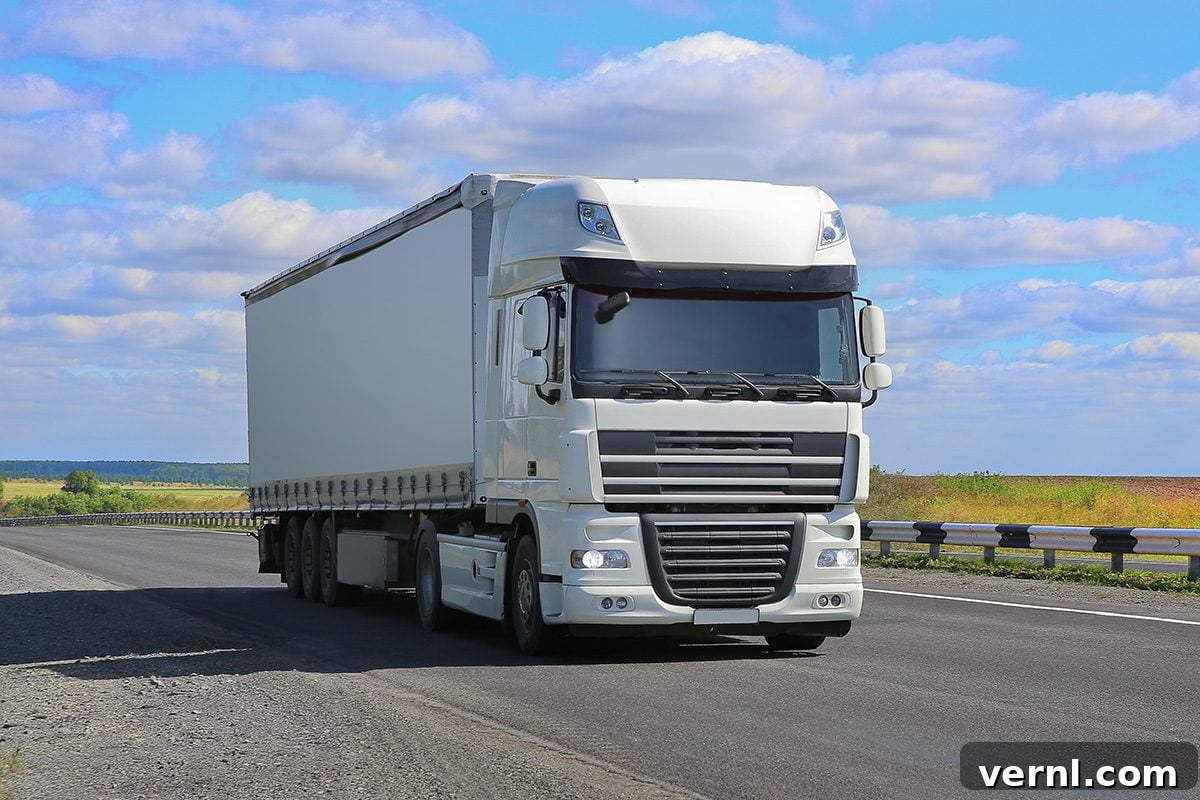
- Commercial Trucks: This broad category includes a multitude of heavy-duty vehicles essential for commerce and logistics. Examples range from semi-tractor trailers that transport goods across states, car haulers carrying multiple automobiles, and boat transporters, to cube vehicles and box trucks used for local deliveries. Regulations regarding their width and length are established by the U.S. Department of Transportation and individual states, while federal height requirements typically defer to state-specific guidelines, which can vary significantly. Their massive size and weight make them inherently high-profile and highly susceptible to wind forces.
- Recreational Vehicles (RVs): Both self-propelled motorhomes and tow-along travel trailers fall under this classification. RVs, designed for leisure and extended travel, are characterized by their substantial height and length, providing ample living space but also presenting a large surface area to the wind.
- Buses: Public transportation and charter buses, built to carry numerous passengers, are tall, long, and often wide. Their considerable dimensions categorize them as high-profile, making them subject to specific handling considerations, especially in windy conditions or on winding roads.
- Panel Trucks and Vans: This includes commercial vans, passenger vans, and panel trucks used for various services, deliveries, or family transport. While generally smaller than commercial trucks or large RVs, their boxy design and elevated rooflines still contribute to a significant cross-sectional area, classifying them as high-profile compared to sedans or hatchbacks.
- Sport Utility Vehicles (SUVs): Modern SUVs are popular family vehicles, known for their elevated driving position and spacious interiors. Early SUV models, such as the Geo Tracker or Ford Explorer from the 1990s, were notoriously prone to rollovers due to their high center of gravity. However, contemporary SUVs have made significant strides in design, with many now built on car platforms (crossovers) and incorporating advanced stability control systems. Electric vehicles (EVs) and hybrids, in particular, often feature heavy battery packs mounted low in the chassis, effectively lowering their center of gravity and enhancing stability.
- Pickup Trucks Carrying Loads: A standard pickup truck can transform into a high-profile vehicle when outfitted with certain accessories or carrying specific types of cargo. This includes trucks with camper toppers, ladder racks, or anything strapped to the roof or extending significantly above the bed, such as lumber, kayaks, or even tall toolboxes. These additions increase the vehicle’s height and surface area.
- Any Vehicle Towing Something: Whether it’s a small sedan towing a utility trailer, an SUV pulling a boat, or a truck hauling a large camping trailer, the combined unit becomes a high-profile vehicle. The trailer itself adds significant length, height, and surface area, dramatically affecting the vehicle’s aerodynamics, stability, and handling characteristics.
Popular High-Profile Vehicle Models for Consumers
For individuals without a commercial driver’s license, the most common high-profile vehicles of interest tend to be RVs, vans, and SUVs. These categories offer versatility, space, and functionality that appeal to a wide range of lifestyles.
Recreational Vehicles (RVs)
Self-propelled motorhomes are typically divided into three classes, each offering a distinct experience:
- Class A RVs: These are the largest motorhomes, often resembling luxury buses. They offer extensive living space, numerous amenities, and are built on heavy-duty commercial chassis. While providing maximum comfort, they are also the most challenging to maneuver and park.
- Class B RVs (Camper Vans): Arguably the most popular for their balance of comfort and convenience, Class B RVs are built on van chassis, making them smaller, more fuel-efficient, and significantly easier to drive and park than Class A or C models. They are ideal for couples or small families seeking maneuverability.
- Class C RVs: With a profile often resembling a pickup truck with an integrated living compartment over the cab, Class C RVs offer a good compromise between the spaciousness of a Class A and the drivability of a Class B. They are a popular choice for families due to their comfortable amenities and relatively manageable size.
Vans
Vans remain a practical choice for large families, businesses, or those needing significant cargo space. MotorTrend magazine’s top picks for 2024/2025 highlight some excellent options:
Top Minivans:
- Honda Odyssey: Renowned for its versatile interior and refined driving dynamics.
- Kia Carnival: A stylish entry that blends SUV aesthetics with minivan practicality.
- Toyota Sienna: Known for its reliability, spaciousness, and available all-wheel drive and hybrid powertrain.
Top Large Vans (Cargo/Passenger):
- Chevrolet Express: A workhorse known for its durability and customizable options.
- Ford E-Transit: Ford’s all-electric large van, offering significant cargo capacity with zero emissions.
- Ford Transit: A highly adaptable van, available in various configurations for both cargo and passengers.
SUVs
SUVs distinguish themselves from traditional passenger cars with their larger size, elevated stance, and often greater cargo and passenger capacity. The choice of an SUV model is highly personal, depending on individual needs and preferences. According to U.S. News, some of the best-selling SUV models in 2024 include:
- Kia Sportage
- Subaru Forester
- Ford Explorer
- Hyundai Tucson
- Nissan Rogue
- Jeep Grand Cherokee
- Chevrolet Equinox
- Tesla Model Y
- Honda CR-V
- Toyota RAV4
These models represent a range from compact crossovers to mid-size SUVs, reflecting the diverse demands of today’s consumers who seek a balance of utility, comfort, and modern technology.
Pros and Cons of High-Profile Vehicles
High-profile vehicles, such as SUVs, vans, and RVs, offer a unique blend of advantages and disadvantages that prospective owners should carefully consider. While they are incredibly popular, especially among families and adventurers, it’s important to weigh their historical characteristics against modern advancements, particularly with the rise of EV technology. Before purchasing or leasing, always check fuel efficiency ratings (MPG or MPGe) to understand the operating costs.
Pros
- Exceptional Roominess: One of the most compelling benefits is the sheer amount of interior space. SUVs and vans provide significantly more passenger room and cargo capacity than typical passenger vehicles, making them ideal for families, carpooling, or transporting gear for hobbies like sports, camping, or DIY projects. RVs take this to another level, offering expansive living areas comparable to small homes.
- Robustness and Capability: Many SUVs, particularly those built on body-on-frame platforms, boast higher ground clearance and robust construction, making them well-suited for navigating rough terrains, unpaved roads, or challenging weather conditions. This makes them a favorite for adventure seekers. While RVs are also solidly built, their “robustness” generally refers to their sturdy living structure rather than off-road capability.
- Superior Towing Power: Due to their larger frames, powerful engines, and often specialized transmissions, many high-profile vehicles like larger SUVs and RVs possess greater towing capacities than smaller cars. This capability is invaluable for hauling boats, utility trailers, horse trailers, or other heavy equipment, significantly expanding their utility.
- Enhanced Safety Features: Modern high-profile vehicles are designed with advanced safety in mind. Their substantial size and weight can offer a sense of security, and in the event of a collision, their robust construction may reduce the likelihood of severe injury compared to smaller, lighter vehicles. Furthermore, they often provide a “commanding view” of the road, giving drivers better visibility over traffic. Many models now come standard with Advanced Driver-Assistance Systems (ADAS) like stability control, multiple airbags, crumple zones, and reinforced chassis.
Cons
- Height and Size Restrictions: The larger dimensions of high-profile vehicles can present practical challenges. They may not fit into standard residential garages, public parking structures with low clearances, or automatic car washes. RV owners, especially, must be acutely aware of their vehicle’s exact height, as low highway overpasses can pose a significant hazard. Specialized GPS units with height restriction warnings are often a necessary tool for RV travel. Maneuvering in tight city streets or crowded parking lots can also be difficult.
- Susceptibility to Wind: As discussed, the large body of a high-profile vehicle acts like a sail, making it highly vulnerable to crosswinds. This can cause the vehicle to drift, requiring constant steering corrections and potentially leading to dangerous situations, especially on open highways, bridges, or when being passed by other large trucks (the “bow wave” effect). Highway authorities frequently issue wind advisories for these vehicles.
- Challenges in Driveability and Handling: Sitting higher off the roadway and controlling a larger, heavier vehicle introduces unique driving challenges. High-profile vehicles generally have a higher center of gravity, which can impact handling during sharp turns, emergency maneuvers, or on winding roads. Their increased weight also translates to longer braking distances. Parking, particularly parallel parking, demands greater spatial awareness and practice due to their extended length and width.
- Fuel Efficiency and Operating Costs: Historically, gas-powered high-profile vehicles (excluding modern hybrids and EVs) consumed more fuel than passenger cars due to their larger engines, increased weight, and greater aerodynamic drag. While advancements are being made, many conventional models still incur higher fuel costs. Beyond fuel, these vehicles often have higher purchase prices, insurance premiums, and maintenance costs, including more expensive tires and parts.
Is a High-Profile Vehicle the Right Choice for You?
The decision to own a high-profile vehicle ultimately hinges on your specific needs, lifestyle, and budget. You might find yourself drawn to one for practical reasons, such as accommodating a large family, transporting tools and supplies for your profession, or embarking on adventurous vacations. For daily commutes within a city, some might prefer a smaller, more economical car that’s easy to park. However, many individuals simply prefer the commanding presence, spaciousness, and versatility that larger vehicles offer, provided they have the financial means to purchase and maintain one.
If you’re concerned about handling a large vehicle, rest assured that modern advancements have significantly mitigated many historical challenges. Contemporary trucks, vans, and SUVs are increasingly equipped with sophisticated driving aids designed to enhance safety and ease of operation. These include features like blind-spot monitoring systems (often with flashing side mirrors), backup cameras, 360-degree surround-view cameras, parking sensors, lane-keeping assist, adaptive cruise control, and collision detection systems. While these technologies are incredibly helpful, it’s still essential to develop an intuitive feel for your vehicle’s size and dimensions to avoid mishaps, such as sideswiping other vehicles in tight parking situations.
Before making a purchase, consider your driving environment: Will you primarily be navigating bustling city streets, open highways, or rugged terrain? How often will you need the extra space or towing capacity? And critically, ensure your garage or usual parking space has sufficient room to accommodate the vehicle’s height, width, and length. A thorough test drive, perhaps even on different types of roads, will provide invaluable insight into whether a high-profile vehicle truly aligns with your comfort level and practical requirements.
Sources
- Mackinac Bridge Authority: What Vehicles Are Considered High-Profile?; 2023.
- MotorTrend: See Best Van; 2024.
- U.S. News: The 10 Best-Selling SUVs in 2024; 2024.