Unlock Year-Round Comfort: Why Spray Foam Insulation is Your Home’s Best Investment
For decades, homeowners have relied on traditional insulation methods like fiberglass to keep their homes comfortable. While fiberglass has served its purpose, modern advancements in building science have introduced a far superior solution: spray foam insulation. When you truly compare fiberglass and spray foam insulation, the differences are stark, revealing spray foam as the clear frontrunner for achieving optimal home energy efficiency and comfort. This innovative material not only surpasses conventional options in performance but also offers a myriad of benefits that extend far beyond simple temperature regulation.
Understanding the Superiority of Spray Foam
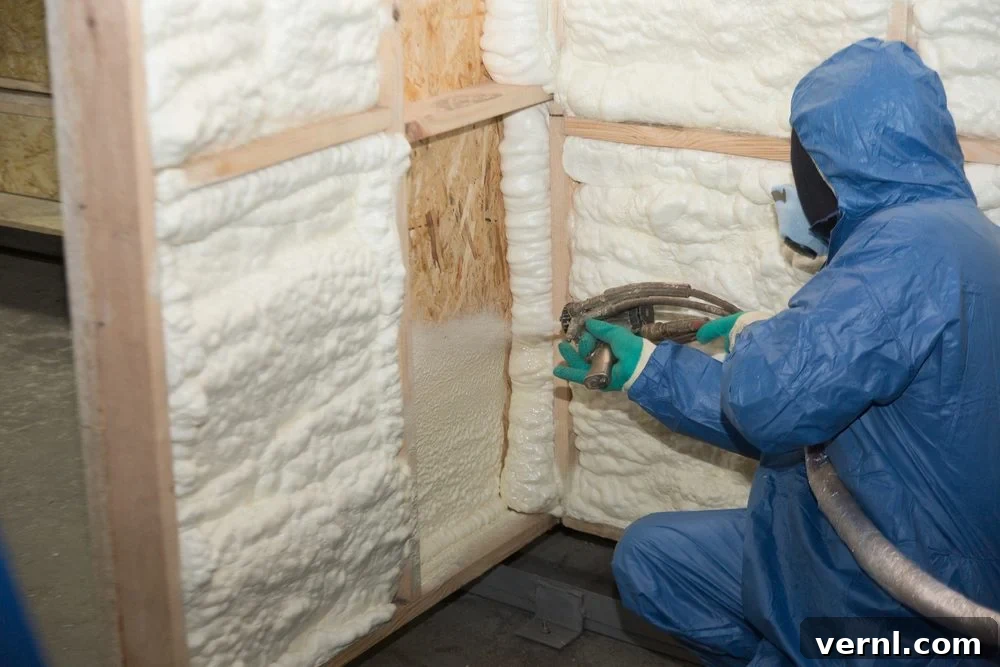
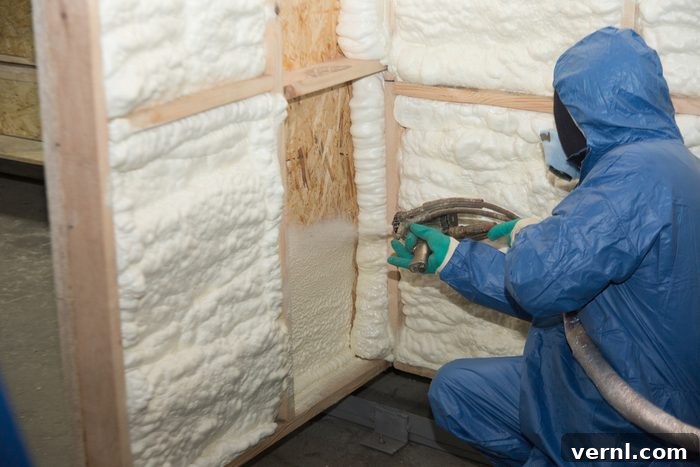
If you’re looking for an insulation solution that transforms your home into an energy-efficient sanctuary, spray foam is the answer. Unlike batt or blown-in insulation that simply fills spaces, spray foam is a dynamic material that expands significantly upon application. This expansion creates an impenetrable, airtight seal, meticulously filling every crack, crevice, and void in your home’s envelope. This unique property is critical for eliminating the common culprits behind energy loss and discomfort: air leaks and moisture infiltration. By preventing these issues, spray foam actively safeguards your home against potential mold growth, deters pests from nesting within your walls, and provides robust protection for your home’s structural integrity and critical HVAC systems, ensuring consistent indoor temperatures even during the most extreme weather conditions.
The Science of Comfort: How Spray Foam Regulates Temperature
Effective insulation is the cornerstone of a comfortable and energy-efficient home. The U.S. Department of Energy consistently highlights insulation’s vital role in preventing unwanted heat transfer, thereby stabilizing your home’s internal climate. Traditional insulation methods often struggle with air infiltration, allowing conditioned air to escape and unconditioned air to enter. Spray foam insulation, however, excels in creating a seamless thermal barrier. It actively resists heat transfer through conduction, convection, and radiation, effectively blocking any unwanted air movement through gaps and cracks that are inherent in typical home construction.
Consider the natural phenomenon of heat rising. In an inadequately insulated home, warm air generated by your heating system quickly ascends to the upper levels, escaping through an unsealed attic or roof, leaving lower areas feeling perpetually cold. Spray foam’s exceptional air-sealing capabilities trap this valuable heat inside your home, ensuring a more uniform temperature distribution from floor to ceiling. This superior ability to control air infiltration and moisture is precisely what sets spray foam apart, making it an incredibly reliable solution for achieving consistent indoor temperatures and significantly reducing the workload on your heating and cooling systems.
Beyond Energy Savings: The Multifaceted Benefits of Spray Foam Insulation
While energy efficiency is a primary driver for choosing spray foam, its advantages extend far beyond lower utility bills. Investing in spray foam insulation translates into a healthier, more comfortable, and more durable living environment:
1. Superior Air Sealing and Energy Efficiency
Air leaks are often the biggest culprit behind energy waste in homes. Spray foam expands to fill every void, creating an airtight barrier that traditional insulation simply cannot match. This dramatically reduces drafts, prevents heat loss in winter, and keeps cool air inside during summer, leading to substantial energy savings and a consistent indoor temperature year-round. An optimized thermal envelope means your HVAC system runs less frequently and more efficiently, extending its lifespan and reducing maintenance costs.
2. Unrivaled Moisture Control and Mold Prevention
Moisture infiltration is a silent threat to homes, leading to mold growth, wood rot, and compromised indoor air quality. Closed-cell spray foam, in particular, acts as an effective vapor barrier, preventing moisture from permeating your walls and attics. By controlling moisture, spray foam eliminates the conditions necessary for mold and mildew to thrive, protecting your home’s structural integrity and safeguarding your family’s health from potential respiratory issues associated with mold spores.
3. Effective Pest Deterrence
Traditional insulation materials like fiberglass can become attractive nesting grounds for rodents, insects, and other pests. Spray foam, with its dense, rigid structure once cured, offers no food source or accessible pathways for pests. It creates a formidable physical barrier that deters infestations, helping to keep your home clean, sanitary, and pest-free.
4. Enhanced Indoor Air Quality
By sealing off your home’s envelope, spray foam significantly reduces the infiltration of outdoor allergens, pollutants, and dust. This improved air sealing, combined with moisture control, contributes to a healthier indoor environment, particularly beneficial for individuals with allergies or respiratory sensitivities. You’ll experience fewer irritants and fresher air inside your living spaces.
5. Increased Structural Integrity (Closed-Cell Spray Foam)
Certain types of spray foam, specifically closed-cell varieties, contribute to the structural rigidity of your home. By adhering firmly to the framing and sheathing, it adds a level of structural enhancement that can improve a building’s resistance to high winds and other external pressures. This added strength offers an extra layer of protection for your property.
6. Excellent Sound Dampening Properties
Open-cell spray foam, with its unique cellular structure, is an excellent sound absorber. When installed in interior walls, ceilings, and floors, it dramatically reduces noise transfer between rooms and from exterior sources. This creates a quieter, more peaceful living environment, enhancing the overall comfort and tranquility of your home.
Choosing the Right Spray Foam: A Guide to Densities and Applications
To maximize the benefits of spray foam, understanding its different types and their ideal applications is essential. Generally, spray foam is categorized into two main types based on its cell structure and density: closed-cell and open-cell, with the original text’s “high,” “medium,” and “low” densities aligning with these broader categories.
1. High-Density (Closed-Cell) Spray Foam
- Characteristics: This type of foam has a dense, rigid structure with closed cells, meaning the gas inside the cells is sealed off. It has a high R-value (insulation value) per inch, typically R-6 to R-7.
- Applications: High-density spray foam is ideal for exterior walls, roofing, crawl spaces, and foundation perimeters. Its rigidity provides structural enhancement, and its impermeable nature makes it an excellent vapor and moisture barrier. This is particularly crucial for regulating temperatures on extremely hot or cold days, as it prevents thermal bridging and seals out external elements effectively.
2. Medium-Density (Open-Cell) Spray Foam
- Characteristics: Open-cell foam is lighter, less dense, and more flexible than closed-cell foam. Its cells are open and interconnected, allowing air to fill the cavities. It typically has an R-value of R-3.5 to R-4.5 per inch.
- Applications: Commonly used for interior cavity fill (e.g., inside wall cavities between studs), unvented attic applications, and sound dampening. While it provides excellent air sealing, it is permeable to moisture, meaning it is not a vapor barrier on its own. Its flexibility allows it to accommodate building movement without cracking.
3. Low-Density Spray Foam
While often grouped with open-cell, specific formulations might be referred to as “low-density” for particular interior cavity fill or unvented attic applications where extreme rigidity or a vapor barrier isn’t the primary concern, but air sealing and sound dampening are paramount. Always consult with an insulation professional to determine the best type for your specific project.
Strategic Application: Maximizing Your Home’s Thermal Envelope
The strategic placement of spray foam is key to unlocking its full potential, particularly when it comes to regulating your home’s temperature:
Attics and Roof Lines
Let’s consider a sweltering summer day. As the sun beats down, your roof absorbs immense heat. Applying high-density, closed-cell spray foam directly to the underside of your roof deck creates a super-insulating barrier, blocking radiant heat transfer and keeping your attic significantly cooler, which in turn cools your entire home. Conversely, attic insulation is equally critical during colder days. With proper insulation at the roof line, the warm air rising from your heater is captured within the conditioned space, preventing it from escaping through tiny cracks and gaps. High-density (closed-cell) spray foam is often preferred for this application due to its superior R-value and ability to act as an air and vapor barrier, creating a truly unvented, conditioned attic space.
Exterior and Interior Walls
Whether it’s closed-cell for exterior walls to provide maximum thermal resistance and structural benefit, or open-cell for interior walls for sound dampening and air sealing, proper wall insulation is crucial. It prevents heat from entering or escaping horizontally, ensuring an even temperature throughout your home.
Crawl Spaces and Basements
These often-neglected areas can be major sources of cold air infiltration and moisture. Spray foam applied to crawl space walls or basement ceilings effectively seals these areas, preventing cold, damp air from rising into your living spaces and protecting against potential mold and pest issues.
The Long-Term Value: A Smart Investment
Choosing spray foam insulation is not merely an expense; it’s a significant long-term investment in your property. Over time, the substantial energy savings realized through reduced heating and cooling costs will offset the initial installation cost, often providing a favorable return on investment. Furthermore, spray foam enhances overall home comfort, increases indoor air quality, reduces outside noise, and potentially boosts your home’s resale value by making it more attractive to energy-conscious buyers. Its longevity and consistent performance mean you won’t need to replace or supplement your insulation for decades, unlike some traditional materials that can settle or degrade over time.
Professional Installation: A Key to Success
While DIY spray foam kits are available for small projects, professional installation is highly recommended for whole-home insulation. The application of spray foam requires specialized equipment, expertise in mixture ratios, and adherence to safety protocols to ensure optimal performance and avoid costly mistakes. Before you embark on any spray foam project, especially larger ones, it’s wise to review common pitfalls and best practices. Here’s how to not use spray foam, just in case you’re considering a DIY approach or want to understand what a professional avoids.
Conclusion
The ability of spray foam to create a strong air seal and control moisture is absolutely key to effectively regulating your house’s temperature and maintaining a comfortable, healthy, and energy-efficient living environment. By understanding the different types of spray foam and their strategic applications, homeowners can make an informed decision to upgrade their insulation, moving beyond outdated methods and embracing a solution that delivers unparalleled performance and long-term value. Embrace the future of home insulation and experience the transformative benefits of spray foam for yourself.