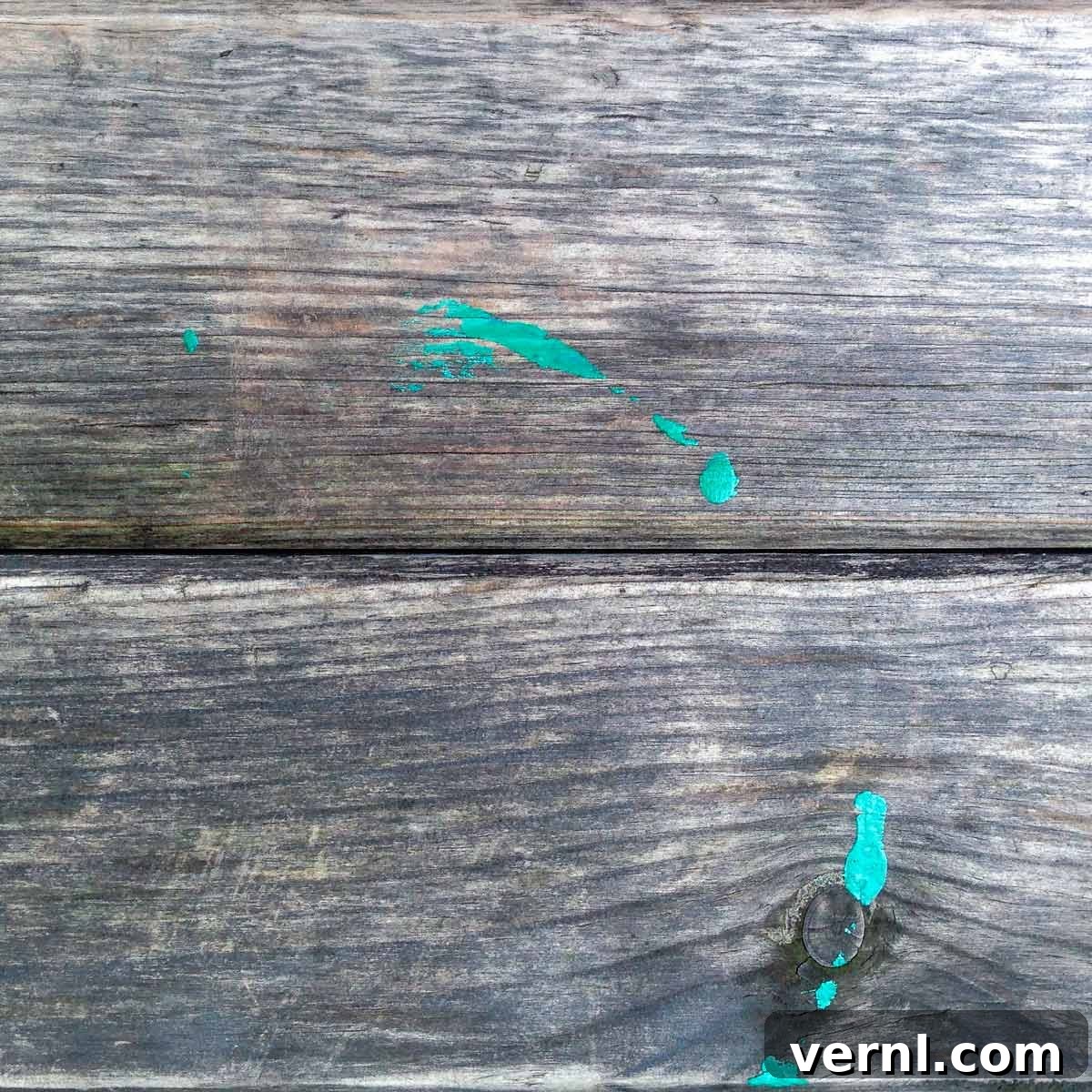
Wood floors are renowned for their timeless beauty, adding warmth and character to any home. They are also celebrated for their durability and relatively straightforward maintenance, making them a popular choice for homeowners. However, even the most careful DIY enthusiast or homeowner can face an unexpected challenge: paint splatters or spills on these cherished surfaces. Whether it’s an accidental drip during a home renovation project or a less-than-perfect outcome after repainting the wood floors, finding paint on your pristine hardwood can be frustrating. The good news is that removing paint from wood floors is a manageable DIY project with the right approach and tools. This comprehensive guide will walk you through proven methods and expert tips to effectively clean paint from your wood floors, restoring their original luster without causing damage.
Essential First Steps: Preparation and Paint Identification
Before you dive into any paint removal method, proper preparation is key. This not only ensures your safety but also protects your floors from further damage and makes the cleaning process more efficient.
Gather Your Tools and Prioritize Safety
Regardless of the method you choose, having your tools ready will save you time and effort. You’ll likely need a putty knife (ensure it’s rounded or dull to prevent scratches), soft rags, sponges, a small brush (like an old toothbrush), and buckets. Safety is paramount, especially when working with chemical removers. Always wear appropriate personal protective equipment, including gloves, safety glasses, and potentially a respirator, to protect yourself from fumes and skin contact. Ensure the area is well-ventilated by opening windows and using fans.
What Kind of Paint Are You Dealing With?
Understanding the type of paint is crucial, as water-based and oil-based paints require different removal techniques. Using the wrong method can be ineffective or, worse, damage your floor’s finish. If you’re unsure whether the paint is water-based (latex) or oil-based, perform a simple test recommended by Dunn Edwards Paints:
- Dampen a cotton ball with rubbing alcohol.
- Gently rub the cotton ball over an inconspicuous area of the dried paint splatter.
- If any paint residue transfers to the cotton ball, you’re dealing with water-based paint.
- If no paint comes off, it’s oil-based paint.
Once you’ve identified the paint type, you can proceed with confidence, selecting the most appropriate and effective removal strategy.
Expert Insight: Brad Holden’s Go-To Method for Paint Splatters
Sometimes, the simplest approach is the most effective. We consulted Family Handyman editor Brad Holden, an experienced DIYer, on his preferred method for tackling paint on hardwood floors. His advice? Go straight for a putty knife.
Brad emphasizes the importance of preparing the putty knife. If it’s new and has sharp edges, he recommends filing them down or rounding them over. This simple step significantly reduces the likelihood of scratching or gouging your wood floor’s finish while you work. With a carefully prepared putty knife and a steady hand, you can gently get underneath most dried paint splatters and pop them off the floor with minimal effort. This method is particularly effective for small drips and spots that haven’t deeply bonded with the floor’s surface. Working carefully and patiently is key to achieving a clean removal without any collateral damage.
While the putty knife method is highly effective for localized splatters, larger spills or older, more stubborn paint might require a different strategy. But don’t worry, even if you’re not confident wielding a putty knife without scratching your beautiful wood floors, there are plenty of other options available. Keep reading to discover alternative methods tailored to different paint types and situations.
Ever wonder if higher priced paint is worth it? The answer is yes, and here’s why.
How to Remove Water-Based Paint from Wood Floors
Method 1: The Gentle Power of Soap and Water
For fresh or dried water-based paint spills, your first line of defense should always be the simplest and least abrasive method: good old soap and water. This approach is gentle on your floors and often surprisingly effective for latex paints.
Color Trends Painting suggests mixing warm water with a mild dish soap or a dedicated wood floor cleaner. Dampen a soft rag with this solution and begin gently scrubbing the dried paint. The warm, soapy water helps to re-emulsify the latex paint, loosening its bond with the wood surface. As the paint softens, you should be able to wipe it away with a clean, dry rag. For more stubborn spots, let the dampened rag sit on the paint for a few minutes to allow the solution to penetrate and soften the paint further. If an extra bit of “oomph” is needed after softening, you can carefully use your rounded putty knife to gently scrape off the softened paint, always exercising caution to avoid damaging the floor’s finish.
Keep your hardwood floors clean the natural way by following these tips.
Method 2: Rubbing Alcohol and Lemon Juice for Stubborn Water-Based Paint
If soap and water aren’t quite cutting through the water-based paint, rubbing alcohol (isopropyl alcohol) combined with lemon juice can be a powerful next step. The trick to making this method work effectively is allowing the solution sufficient time to penetrate and break down the paint.
First, carefully scrape off as much loose paint as you can with a putty knife, being mindful not to scratch the floor. Next, prepare your solution: mix 3 parts rubbing alcohol with 1 part lemon juice in a small container. Dip a clean rag into this mixture and generously cover the paint splatter with the solution. Let it sit for approximately 5 minutes, allowing the alcohol to dissolve the paint and the lemon juice to help lift it. After the waiting period, use the rag to scrub off the paint. For particularly stubborn areas or intricate textures, a small brush (like an old toothbrush) can be more effective than a rag in dislodging the paint. Once the paint is removed, wipe the area thoroughly with a clean, water-dampened rag to remove any residue, then dry completely. This method is generally safe for most wood finishes but always perform a patch test in an inconspicuous area first.
Buy rubbing alcohol now on Amazon.
Universal Solutions: Tackling Both Water-Based and Oil-Based Paint
Method 3: Softening Paint with a Heat Gun (or Hair Dryer)
When faced with tougher, dried paint, whether water-based or oil-based, softening it with heat can significantly aid removal. A heat gun is a powerful tool for this purpose, but a standard hair dryer can serve as a gentler alternative if you’re concerned about damaging your floor.
Using one of our favorite heat guns can effectively soften the paint, making it easier to scrape away. According to the Spot Removal Guide, the process involves continuously pointing the heat gun at the paint while simultaneously using a putty knife to gently scrape it off. The heat causes the paint to become pliable, allowing it to lift from the wood surface more easily. It’s crucial to exercise extreme caution with a heat gun, as excessive heat can scorch the wood or damage the floor’s finish. Keep the tool moving and apply heat sparingly. If you’re nervous about damaging your floors, a hair dryer set to its highest heat setting offers a safer, albeit slower, alternative. Once the paint is removed, wipe the area with a damp rag to clean any residue, then dry the floor thoroughly.
Take care of any scratches on the floor at the same time by following these fix-it tips.
Buy a heat gun now on Amazon.
Method 4: Commercial Paint Removers for Stubborn Stains
If the above methods have proven ineffective, it might be time to bring in the heavy hitters: commercial paint remover products. These specialized solutions are formulated to break down paint and are often effective on both oil- and water-based types. Always prioritize safety and follow product instructions meticulously when using chemical removers.
The Spot Removal Guide recommends products like Goof Off Paint Splatter, which is generally considered safe for use on wood floors and effective for various paint types. Before applying any commercial remover, always perform a patch test in an inconspicuous area of your floor to ensure it won’t damage the finish. Apply the product according to the directions on the bottle, typically letting it sit for a specified time to dissolve the paint. Then, gently scrape off the softened paint with a putty knife or wipe it away with a rag. Ensure the area is well-ventilated during application and cleanup, and wear appropriate protective gear, including gloves and eye protection.
Here are 10 things you should never do to your wood floor.
Buy Good Off Paint Splatter now at The Home Depot.
Targeted Removal: How to Remove Oil-Based Paint from Wood Floors
Method 5: Paint Thinner for Oil-Based Spills
When you’ve confirmed you’re dealing with oil-based paint and other methods haven’t worked, specialized paint thinners are your best option. These solvents are designed to break down the chemical composition of oil-based paints.
Before beginning, ensure excellent ventilation in the work area. Open windows wide and use a fan to circulate air, as paint thinners emit strong fumes. Options include traditional paint thinner or less odorous alternatives like odorless paint thinner or mineral spirits. Dip a clean rag into the paint thinner and gently rub it onto the paint spill. The thinner will begin to dissolve the paint, allowing you to wipe it away. Be careful not to rub too vigorously or allow the thinner to sit on the wood for too long, as it can potentially damage the floor’s finish. Work in small sections, wiping clean with a fresh, thinner-dampened rag until all paint is removed. Afterward, wipe the area with a slightly damp cloth to remove any residue, then dry thoroughly. Always wear gloves and safety glasses during this process.
If a part of your wood floor gets damaged, here’s how you can patch it.
Buy paint thinner now on Amazon.
Buy odorless paint thinner now on Amazon.
Dealing with Wet Paint Spills: Act Fast!
Method 6: Cleansing Pads for Fresh Paint
While the previous methods focused on removing dried paint, what if you encounter a fresh spill during a painting project? The golden rule for wet paint on wood floors is simple: don’t let it dry! Wet paint, whether water- or oil-based, is significantly easier to clean up than dried paint, minimizing the risk of damage to your floors.
For immediate cleanup of fresh paint spills, surface-safe paint removal pads are an excellent solution. These specialized wipes are designed to gently lift wet paint without leaving residue or damaging finishes. Keep a supply of these pads on hand whenever you’re undertaking an interior painting project. The moment a spill occurs, grab a pad and gently wipe away the wet paint. Their convenience and effectiveness make them invaluable for quick cleanups, preventing paint from setting and saving you the headache of more intensive removal methods later on.
Follow these painting tips and tricks to keep your next painting project neat and tidy.
Buy paint cleansing pads now on Amazon.
General Tips for Success and Floor Maintenance
Beyond specific removal techniques, a few general best practices will help you protect your wood floors and achieve the best possible results:
- Always Test First: Before applying any cleaner or remover to a visible area, always test it in an inconspicuous spot (e.g., inside a closet, under a rug, or in a corner). This confirms that the product won’t damage or discolor your floor’s finish.
- Work in Small Sections: Avoid overwhelming your floor or yourself. Tackle paint removal in small, manageable sections to maintain control and ensure thorough cleaning.
- Ventilation is Crucial: Especially when using chemical products, ensure the work area is well-ventilated to protect your respiratory health.
- Protect Surrounding Areas: Use painter’s tape or plastic sheeting to protect adjacent areas of the floor or baseboards from any cleaners or thinners you’re using.
- Gentle is Best: Always start with the least abrasive method and gradually move to stronger options if needed. Aggressive scrubbing or scraping can permanently damage your wood floor.
- Clean and Dry Thoroughly: After removing the paint, always wipe the area clean with a damp cloth to remove any residue from the remover, then dry it thoroughly to prevent water damage or streaking.
- Consider Re-Finishing: In rare cases where paint has been deeply ingrained or the floor’s finish has been compromised, a light sanding and spot re-finish by a professional may be necessary to restore the floor’s appearance.
Wood floors are a significant investment and a beautiful feature of any home. While paint spills can be an unwelcome sight, armed with the right knowledge and tools, you can confidently tackle these challenges yourself. By following these detailed methods and safety precautions, you’ll be able to effectively remove paint from your wood floors, preserving their beauty and extending their lifespan for years to come. Your diligent efforts will ensure your hardwood floors remain a source of pride, clean and free from any unwanted artistic additions.
Every product is independently selected by our editors. If you buy something through our links, we may earn an affiliate commission.