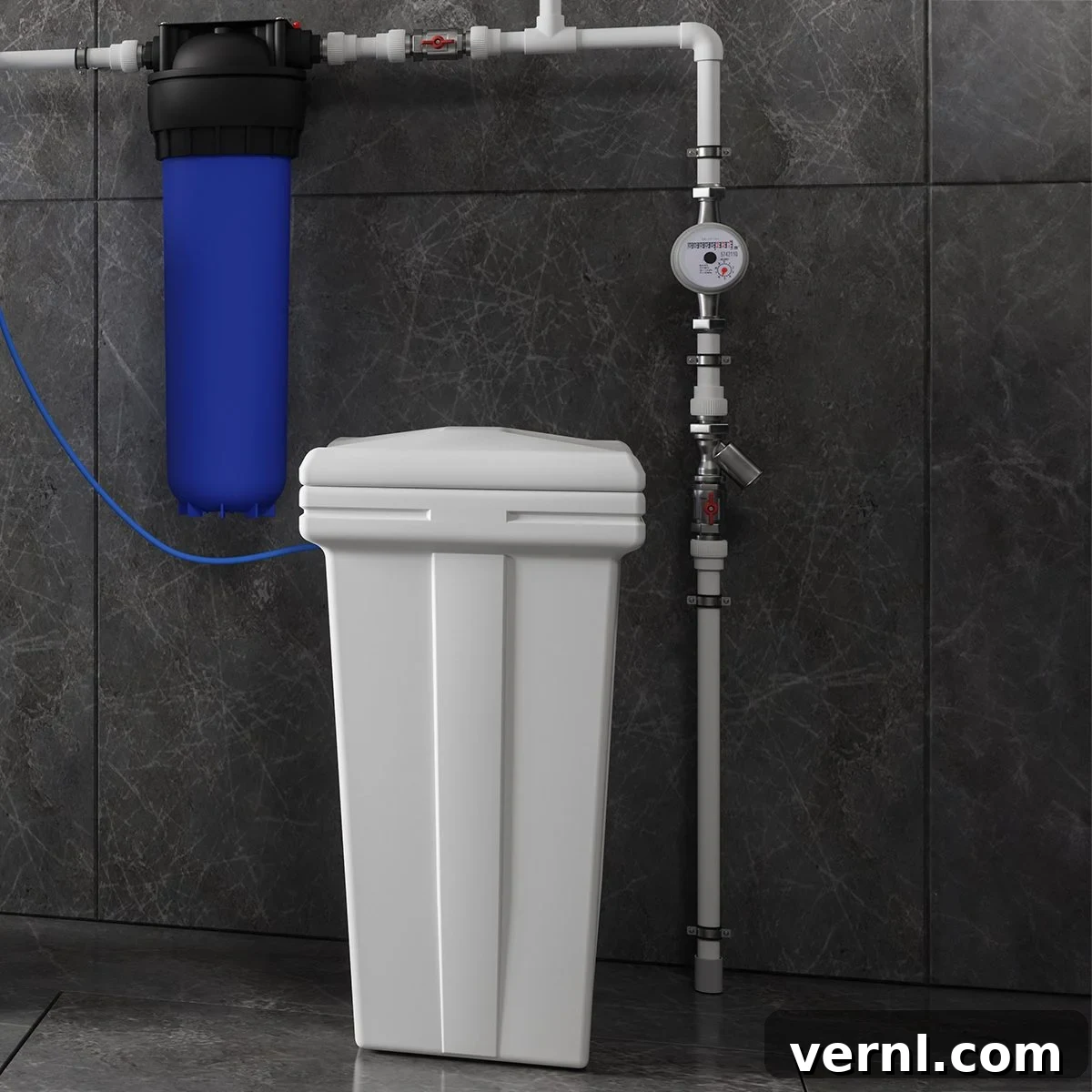
In many homes, including my own, our water supply originates from a deep well. A common characteristic of well water, and even municipal water in numerous regions, is its hardness. The challenges posed by hard water around the house were a constant struggle until I learned how to install a water softener from a local plumbing expert. This installation provided a welcome respite, transforming our daily lives.
Demystifying Water Softeners: Your Ultimate Guide to Combating Hard Water
Have you ever noticed stubborn mineral stains on your bathroom fixtures, experienced dry, itchy skin after a shower, or found your appliances failing prematurely? The culprit is likely hard water. This comprehensive guide will delve into everything you need to know about water softeners, from understanding what hard water is and its impact, to choosing, installing, and maintaining the perfect softening system for your home.
What Exactly Is Hard Water and Why Should You Care?
In the simplest terms, hard water is water with a high concentration of dissolved minerals, primarily calcium and magnesium. However, there’s a more precise scientific definition. According to Kelly Russum, a seasoned plumber serving California’s Coachella Valley, water analysts quantify hardness using GPG (grains per gallon), where one grain is equivalent to 64.8 milligrams of calcium. “Soft water typically registers below 1 GPG, while water is considered hard when its GPG level reaches 7 or more,” Russum explains. This means a single gallon of hard water often contains half a gram or more of these mineral compounds.
These mineral ions, specifically calcium (Ca2+) and magnesium (Mg2+), are picked up as water percolates through rock and soil formations. While generally safe for consumption, their presence can lead to a host of inconvenient and costly problems within your household.
The Hidden Costs and Everyday Annoyances of Hard Water
Water with elevated mineral content silently wreaks havoc on your home and daily routines. The issues are diverse and often accumulate over time, leading to significant expenses and frustrations:
- Unsightly Mineral Stains: Persistent white, chalky residue and crusty buildup on bathroom fixtures, kitchen faucets, showerheads, glass shower doors, and other surfaces. This “soap scum” makes cleaning a constant battle.
- Appliance Deterioration: Sediment and scale buildup in water heater tanks reduces efficiency and shortens the lifespan of the appliance. Similarly, dishwashers, washing machines, coffee makers, and ice makers are all susceptible to premature wear and tear, leading to costly repairs or replacements.
- Plumbing Blockages: Minerals can accumulate inside pipes, leading to constricted water flow and eventually costly blockages. This scale can also damage internal components of faucets and valves, causing leaks and malfunctions.
- Skin and Hair Issues: Hard water prevents soap from lathering effectively, leaving behind a sticky residue on your skin and hair. This can lead to dry, itchy skin, exacerbated skin conditions like eczema, and dull, lifeless hair that is difficult to manage.
- Reduced Cleaning Efficiency: You’ll find yourself using significantly more soap, detergent, and shampoo to achieve desired cleaning results because the minerals react with the cleaning agents, reducing their effectiveness and requiring more product.
- Foul-Tasting and Discolored Drinking Water: While calcium and magnesium are often invisible, other minerals commonly found in hard water, particularly iron, can cause noticeable discoloration (rusty or reddish tints) and an unpleasant metallic taste or odor in your drinking water.
- Dull Laundry: Clothes washed in hard water can feel stiff, look dingy, and fade prematurely due to mineral deposits that cling to fabric fibers.
It’s important to remember that these problems aren’t exclusive to well water users. Many municipal water supplies across the country are also hard enough to cause mineral stains, reduce appliance efficiency, and make showering a less-than-pleasant experience.
Understanding the Water Softener Solution
The definitive solution to these hard water challenges is to install a water softener. But what exactly is this device, and how does it work its magic? Our experts explain the mechanics, available types, and what’s involved with installation and ongoing maintenance.
What Is a Water Softener?
At its core, a water softener functions as a specialized filter. Unlike filters designed to remove contaminants like chlorine, pesticides, or heavy metals, a water softener is specifically engineered to remove the hardness-causing minerals – primarily calcium, magnesium, and often iron – from your home’s water supply. A typical whole-house water softening system consists of two main components: a tall, cylindrical resin tank (ranging in diameter from eight to 14 inches and in height from 44 to 65 inches) and a separate, shorter brine tank that holds a concentrated solution of sodium chloride (common salt) or potassium chloride.
Justin Cornforth, a plumber based in South Carolina, advises, “There are both whole-house water softeners and point-of-use systems, such as under-counter units. I strongly recommend opting for a whole-house system because it ensures that all water-using appliances in your home, as well as your entire plumbing system, receive the benefits of softened water.” This comprehensive approach protects your entire home infrastructure.
How Does a Water Softener Work? The Ion Exchange Process Explained
The magic of a salt-based water softener lies in a sophisticated process known as ion exchange. Josh Rudin, a Certified Restorer from Phoenix, AZ, elaborates: “It operates by effectively removing minerals, predominantly calcium and magnesium, from hard water through ion exchange. Simply put, this is a method where undesirable mineral ions are removed and replaced with more desirable ions, thereby ‘softening’ the water.”
Inside the softener’s resin tank, there’s a substantial bed of tiny, negatively charged resin beads. These beads are initially charged with positively charged sodium or potassium ions, which are supplied by the brine solution in the separate salt tank. As hard water flows from your main water line into the resin tank, the positively charged mineral ions (calcium and magnesium) in the hard water are electrically attracted to the negatively charged resin beads. Being stronger in charge, they displace the weaker sodium or potassium ions, which are then released into the water. “In this intricate process,” Rudin explains, “sodium or potassium is released into the water while the calcium and magnesium ions are captured and held by the resin beads.”
Over time, the resin beads become saturated with calcium and magnesium ions and can no longer effectively exchange ions. At this point, the system needs to perform a regeneration cycle, typically every week or so, depending on water hardness and usage. During regeneration, the concentrated brine solution from the salt tank is flushed through the resin tank. The high concentration of sodium or potassium ions in the brine “washes” the accumulated calcium and magnesium ions off the resin beads and down a drain. This recharges the resin beads with fresh sodium or potassium ions, preparing them to soften water again. Most modern water softening systems are equipped with smart controllers that automate this regeneration process based on water usage or a set schedule, ensuring continuous soft water.
Exploring Different Types of Water Softener Systems
When considering a water softening solution for your home, you’ll encounter a few distinct types of systems, each with its own mechanism and suitability for different needs:
- Salt-Based Ion Exchange Water Softeners: This is the most common and widely recognized type, functioning exactly as described above through the ion exchange process. “They are the most prevalent and generally the most effective type for addressing significant hard water issues,” states Asif Bux, a plumber from Calgary, Alberta. They actively remove calcium and magnesium ions.
- Salt-Free Water Conditioners: These systems do not technically “soften” water by removing minerals. Instead, according to Russum, they often use a process called Template Assisted Crystallization (TAC). This technology conditions the water by changing the structure of the hardness minerals so they don’t form scale on surfaces. “People who are concerned about their sodium intake or the environmental impact of salt-based systems may prefer these types of softeners,” Russum advises, noting they often use potassium chloride instead of sodium chloride. While they prevent scale, they do not offer all the benefits of truly softened water (e.g., improved soap lather).
- Reverse Osmosis (RO) Systems: Cornforth clarifies, “Reverse osmosis water softeners are an excellent option for homes where the goal is to remove a broad spectrum of contaminants, including PFAs, TDS (Total Dissolved Solids), chlorine, heavy metals, VOCs, odors, rust, sediment, and more, in addition to hardness minerals.” However, RO systems are typically point-of-use (e.g., under the kitchen sink) rather than whole-house systems. For whole-house hard water issues, an RO system is often used in conjunction with a traditional salt-based softener to achieve optimal water quality for both general use and drinking.
- Magnetic or Electronic Water Conditioners: These devices claim to alter the magnetic properties of minerals to prevent scale buildup without removing them. However, their effectiveness is widely debated within the plumbing industry, and scientific evidence supporting their claims is often inconclusive.
The Unmistakable Advantages of Softened Water
The benefits of installing a water softener extend far beyond simply eliminating mineral stains. All our expert contributors unanimously agree with Russum, who asserts that soft water will profoundly and positively impact your entire home and plumbing system. “It prevents the accumulation of mineral deposits in your pipes, and as a direct result, you can also realize significant savings on your energy bills because, with scale-free pipes, your water heater doesn’t have to work nearly as hard to heat water,” he explains. Other compelling advantages include:
- Extended Appliance Lifespan: By preventing scale buildup, a water softener protects your water heater, dishwasher, washing machine, and other water-using appliances from premature breakdown, saving you money on repairs and replacements.
- Reduced Energy Consumption: Scale is an insulator, making water heaters less efficient. Soft water ensures your water heater operates at peak efficiency, translating to noticeable reductions in your energy bills.
- Elimination of Stubborn Mineral Stains: Say goodbye to the frustrating white, crusty deposits on faucets, showerheads, sinks, and toilets. Cleaning becomes easier and less frequent.
- Improved Soap and Detergent Efficiency: Soft water allows soaps, shampoos, and detergents to lather more effectively and clean thoroughly, meaning you use less product to achieve superior results.
- Softer Skin and Healthier Hair: Without mineral residues clinging to your body, your skin feels noticeably softer, smoother, and less prone to dryness or irritation. Hair becomes shinier, more manageable, and less prone to breakage.
- Brighter, Cleaner Laundry: Clothes come out of the wash looking brighter, feeling softer, and lasting longer, free from the dulling effects of mineral deposits.
- Improved Water Taste and Clarity: If your hard water contained iron or other taste-altering minerals, softened water will often have a cleaner, more pleasant taste and appearance.
Potential Downsides and Considerations of Having a Water Softener
While the benefits of soft water are undeniable, it’s also important to be aware of potential drawbacks and factors to consider before investing in a system. Rudin and Bux highlight that the initial installation costs and ongoing maintenance expenses are primary downsides. They also raise concerns about the potential dangers of elevated sodium content in softened water for individuals with specific health conditions (like high blood pressure) and the negative environmental consequences associated with disposing of brine wastewater.
However, it’s worth noting that many of these problems can be mitigated. For health concerns, choosing a system that uses potassium chloride instead of sodium chloride is a viable alternative. For environmental impact, modern, high-efficiency water softeners use significantly less water and salt during regeneration cycles.
Russum further elaborates on potential issues, flagging elevated salt content as a concern and adding two more points:
- Increased Water Volatility: “The ion exchange process used to soften water can make it slightly more corrosive or ‘volatile,’ meaning it has a greater tendency to pick up unwanted elements from your plumbing pipes. This could potentially include lead, particularly in older homes with lead pipes or solder, making the water potentially more dangerous if not properly managed.” This is less of an issue with modern plumbing materials.
- Water Waste During Regeneration: “A traditional water softener can use a significant amount of water during its regeneration cycle – sometimes up to 120 gallons for every 1,000 gallons of water softened over a month, depending on the system’s efficiency and your water’s hardness. This can lead to a noticeable increase in your water bill.” Modern, demand-initiated systems are much more efficient, regenerating only when necessary.
How to Choose the Right Water Softener for Your Home
Selecting the optimal water softener system involves careful consideration of several key factors specific to your household. The two most critical considerations are your water’s hardness level and your typical daily water usage. This ensures you purchase a unit that can effectively meet your demands without over- or under-sizing.
According to the Department of Energy, weekly grain capacities (the total number of grains of hardness the unit can remove before requiring regeneration) ranging from 16,000 to 32,000 are generally suitable for smaller homes, apartments, or RVs. Medium to large households, with higher water usage and potentially harder water, would typically require a significantly larger grain capacity, often ranging from 40,000 to 100,000 grains. Many reputable manufacturers and retail websites provide detailed charts and calculators that allow you to determine the correct size based on your estimated water usage and the specific hardness of your water.
To accurately determine your water hardness, it’s highly recommended to send a water sample to a certified laboratory for comprehensive testing. This will give you a precise GPG reading, which is essential for proper sizing. Additionally, consider the following:
- Type of System: Revisit the choice between salt-based for maximum softening, salt-free for scale prevention without sodium, or specific point-of-use systems like RO for drinking water.
- Regeneration Method: Opt for a metered or demand-initiated regeneration system over a timed one. Metered systems track water usage and only regenerate when necessary, saving both salt and water.
- Flow Rate: Ensure the softener’s service flow rate (measured in GPM – gallons per minute) is sufficient for your home’s peak water usage. This prevents a drop in water pressure when multiple fixtures are in use simultaneously.
- Bypass Valve: A built-in bypass valve is a convenient feature that allows you to direct water around the softener for tasks like outdoor watering or during maintenance, without interrupting the main water supply.
- Warranty and Brand Reputation: Invest in a system from a reputable manufacturer with a good warranty on both the tank and the control valve.
- Salt Alarm/Indicator: Some advanced systems include a low-salt indicator that alerts you when it’s time to refill the brine tank, simplifying maintenance.
Water Softener Installation: A Step-by-Step Overview
Installing a whole-house water softener is a significant plumbing project that requires precision and adherence to local codes. A typical water softener system consists of two primary tanks: the tall softener tank containing the resin beads and the shorter, wider brine tank. Here’s a quick rundown of the general installation process:
- Choose the Right Location: The softener should be installed on the main water line, typically after the water meter and before the water heater, in a dry, level area with access to power and a drain.
- Install a Bypass Loop: A crucial first step is to plumb a bypass loop into your home’s main water supply line. This loop includes valves that allow you to direct water into the softener, around the softener (for maintenance or when soft water isn’t desired), or to shut off water to the softener entirely. One leg of the loop directs raw water into the softener tank, and the other directs the softened outflow back into the home’s water supply.
- Position the Tanks: Place the softener tank and the brine tank in their designated locations, ensuring they are level and stable.
- Connect the Tanks: The brine tank needs to be connected to the softener tank with plastic tubing, which is typically supplied with the unit. This tubing allows the brine solution to be drawn into the resin tank during regeneration.
- Install the Drain Pipe: A drain pipe must be run from the softener’s control head to an appropriate drain, such as a utility sink, floor drain, or standpipe (often at the washing machine). This allows the mineral-laden wastewater from the regeneration cycle to be safely discharged.
- Connect to Power: The control valve on the softener tank needs electrical power to operate the regeneration cycles. This often involves simply plugging it into a standard grounded electrical receptacle. Ensure it’s a dedicated outlet or one that won’t be easily unplugged.
- Add Salt and Start-Up: Once all plumbing and electrical connections are secure, add salt to the brine tank and follow the manufacturer’s instructions for the initial startup and programming of the control valve. This usually involves flushing the system and initiating the first regeneration cycle.
How Much Does It Cost to Install a Water Softener System?
The cost of installing a water softener system can vary significantly, depending on the type of system, its capacity, brand, complexity of the installation, and regional labor rates. “The most basic, entry-level softening systems start around $500 for just the components themselves, not including installation,” says Rudin. He cautions, “It’s certainly possible you might find a deal for less, but it would likely involve extensive deal hunting — and perhaps encountering a few less-than-successful softening systems — before finding a reliable solution.”
Bux and Cornforth place the higher end of equipment costs for more advanced or larger capacity systems between $2,500 and $3,000. When you factor in professional labor costs, Kelly Russum warns that the maximum total cost for a complex installation in a challenging location could potentially climb as high as $11,000. However, Russum stresses that “it’s almost impossible to provide a definitive answer without assessing the specific home and its plumbing configuration.” For an accurate estimate, obtaining several quotes from licensed plumbers in your area is always advisable.
Can You Install a Water Softener Yourself? Professional vs. DIY
For handy homeowners with some plumbing experience, installing a smaller, point-of-use system like an under-counter water softener might be a manageable DIY project. However, attempting to install a whole-house water softener system is an entirely different undertaking and generally not recommended for novices.
“It’s far from an easy task,” warns Rudin. “If you lack precise knowledge of what you’re doing, there’s a substantial risk of causing significant plumbing damage during the installation process.” Russum further adds that “some regions and municipalities may legally require that a licensed and insured plumber perform the installation to ensure compliance with local building codes and safety regulations.” Incorrect installation can lead to leaks, inefficient operation, voided warranties, or even damage to your home. Unless you possess advanced plumbing skills and a thorough understanding of your home’s water system and local codes, hiring a professional is almost always the safer and more reliable option.
Maintaining Your Water Softener: Tips for Optimal Performance
Once installed, a water softener requires minimal but consistent maintenance to ensure its longevity and optimal performance. The primary maintenance task involves replenishing the salt in the brine tank.
How Often to Add Salt to Your Water Softener
The frequency of adding salt depends on several factors: your household’s water usage, the hardness of your water, and the capacity and efficiency of your specific softener model. Some modern systems feature convenient low-salt indicators that automatically alert you when it’s time for a refill. In the absence of such an indicator, you’ll need to manually check the salt level in the brine tank. Asif Bux recommends inspecting the salt every four to six weeks and adding more when the level falls below approximately one-quarter full, or below the water level if it’s visible.
Should I Use Salt Pellets or Crystals?
The type of salt you use can impact your softener’s performance and lifespan. Bux generally recommends using salt pellets. While they may cost slightly more than salt crystals, pellets typically have fewer additives, which can contribute to purer softened water overall. Furthermore, pellets tend to dissolve more slowly and uniformly, making them last longer, especially in households with exceptionally hard water. However, it is crucial to always consult your water softener’s owner’s manual for specific salt type recommendations. Justin Cornforth provides a vital warning: “Using the incorrect type of salt can lead to issues such as salt bridging (where salt forms a hard crust that prevents dissolution), clogging of the brine tank, and ultimately inefficient operation of your water softener.” Following manufacturer guidelines ensures smooth and effective performance.
Other Maintenance Tips:
- Clean the Brine Tank: Periodically, perhaps once a year, it’s a good idea to thoroughly clean out the brine tank. This helps remove any insoluble impurities or sludge that may accumulate from the salt, ensuring the brine solution remains clean and effective.
- Check for Salt Bridges: If your softener seems to be running out of salt quickly or not softening water effectively, check for a “salt bridge” – a crust that forms around the top or sides of the brine tank, preventing the salt below from dissolving. Break it up carefully with a broom handle or similar tool.
- Resin Bed Cleaner: In some cases, particularly with high iron content, a resin bed cleaner may be recommended periodically to prevent fouling and maintain the efficiency of the resin beads.
By understanding the mechanics of hard water and the intelligent engineering behind water softeners, you can make an informed decision to protect your home, enhance your comfort, and enjoy the numerous benefits of truly soft water.
Meet Our Expert Contributors
- Kelly Russum founded KC’s 23 ½ Hour Plumbing in 1978. He has been the trusted plumber for countless Coachella Valley residents ever since, bringing decades of experience to his advice.
- Justin Cornforth is the owner of Ace Plumbing, Electric, Heating & Air, a reputable family-owned company established in 2017 and based in Anderson, SC.
- Josh Rudin is a Certified Restorer and the owner of ASAP Restoration, LLC, providing essential services to Phoenix, AZ, and its surrounding areas.
- Asif Bux is the owner and service manager of Comfort Union, a fully licensed HVAC, Plumbing, and Electrical company located in Calgary, Alberta.
References & Further Reading
- Energy.gov: Purchasing and Maintaining A Water Softener