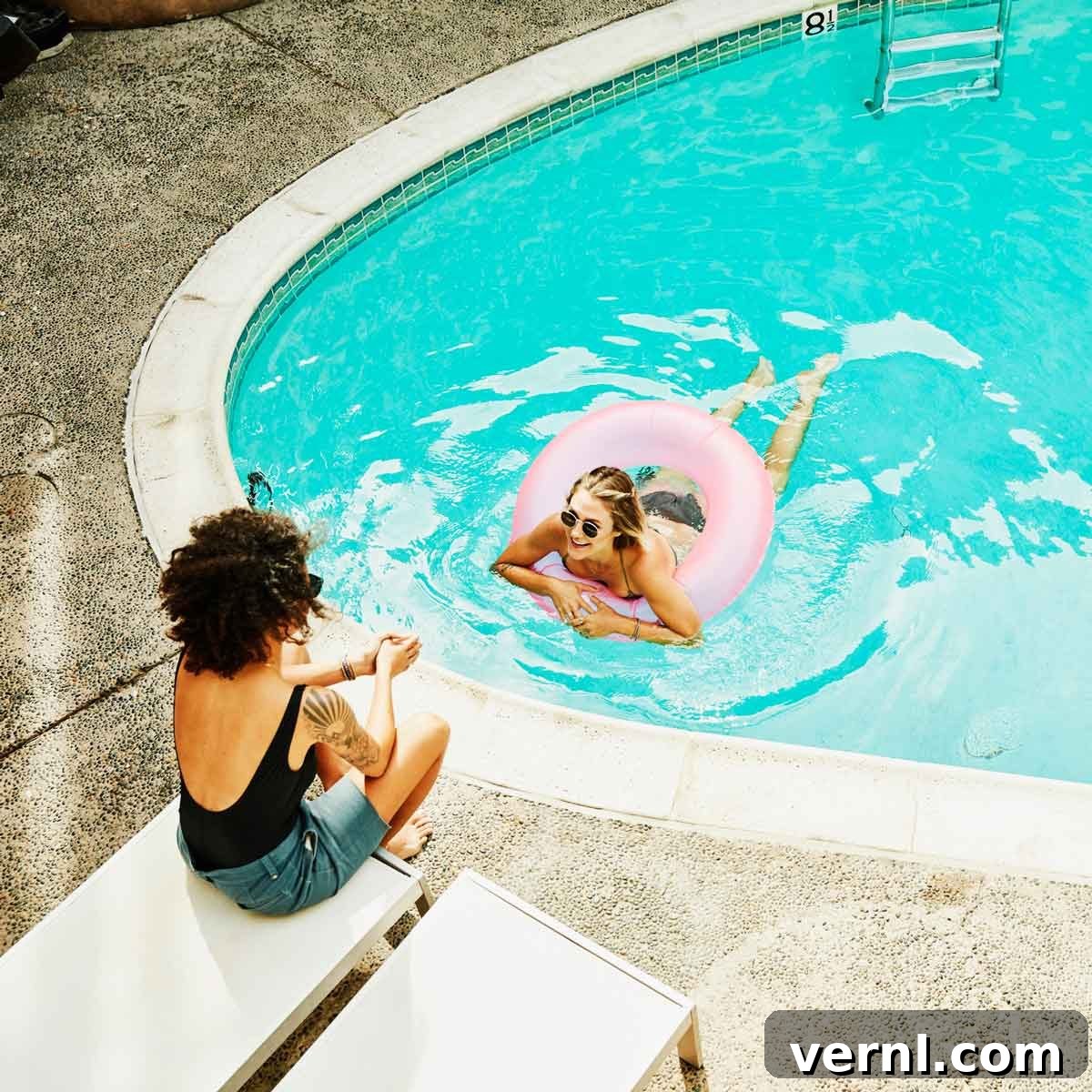
An in-ground swimming pool represents the pinnacle of backyard luxury for many homeowners. It’s an alluring vision: a serene, sparkling oasis perfect for cooling off on scorching summer days, hosting memorable gatherings with loved ones, and creating lasting family memories. However, beneath the shimmering surface of this dream often lie significant practical considerations regarding planning, price, and ongoing maintenance. Before you “take the plunge” into pool ownership, it’s essential to arm yourself with comprehensive knowledge. This detailed guide will navigate you through the fundamental aspects of in-ground pools, offering insights into their planning, installation, associated costs, and essential care, helping you determine if an in-ground pool is the right investment for your home and lifestyle.
Why Choose an In-ground Pool? Discovering the Benefits of a Backyard Oasis
Opting for an in-ground swimming pool is more than just an upgrade; it’s an investment in your home and an enhancement of your lifestyle. Whether you’re transitioning from a temporary above-ground model or dedicating a substantial portion of your backyard to this exciting project, an in-ground pool offers unparalleled advantages that contribute significantly to daily enjoyment and long-term home appeal.
Enhanced Lifestyle and Entertainment Value
There’s nothing quite like the convenience and joy of having a private swimming pool just steps from your back door. Imagine endless summer afternoons spent lounging by the water, the invigorating splash of a morning swim, or the therapeutic calm of a twilight dip. In-ground pools transform your backyard into a personal resort, providing a focal point for family fun, exercise, and relaxation. They serve as an ideal venue for teaching children to swim, encouraging healthy outdoor activity, and fostering a vibrant social hub for neighborhood gatherings, barbecues, and celebratory events. Beyond personal enjoyment, a well-maintained pool significantly elevates your outdoor living experience, making your home the go-to spot for entertainment and leisure.
Understanding the Impact on Home Value
As a purely monetary investment, the impact of in-ground pools on home resale value can be a nuanced topic. While it’s a common misconception that pools universally add significant financial value, the reality is more complex. In many markets, particularly those with warmer climates or a prevalence of luxury homes, a beautifully landscaped and meticulously maintained in-ground pool can indeed be a major selling point. It can differentiate your property from comparable listings, attract a specific buyer demographic seeking a premium outdoor lifestyle, and potentially expedite the sales process. However, in colder regions or neighborhoods where pools are less common, the return on investment might be less direct. Buyers in these areas might view a pool as a costly liability rather than an asset. Ultimately, while a pool may not always guarantee a dollar-for-dollar increase in appraisal value, the lifestyle benefits and enhanced marketability in the right context often justify the investment for homeowners.
What Are the Types of In-ground Pools? Exploring Your Options
Choosing the right type of in-ground pool is a foundational decision that impacts everything from installation time and cost to long-term maintenance and aesthetic appeal. The three primary types of in-ground pools are fiberglass, concrete (gunite/shotcrete), and vinyl liner, each offering distinct advantages and disadvantages.
Fiberglass Pools
Fiberglass pools are renowned for their straightforward installation process. The core of a fiberglass pool is a prefabricated shell, molded into various shapes and sizes at a factory. Once the excavation is complete in your backyard, this durable, one-piece shell is carefully lowered into place and backfilled. This method significantly shortens installation time, often allowing you to be swimming within a matter of days or weeks, as opposed to months.
- Pros: Fiberglass pools boast exceptional durability due to their non-porous surface, which naturally resists algae growth, reducing the need for harsh chemicals and frequent cleaning. This smooth surface also means lower long-term maintenance costs and fewer potential complications compared to other pool types. They are inherently waterproof and highly resistant to cracks and punctures.
- Cons: The primary limitation of fiberglass pools is their design inflexibility. Since they are pre-manufactured, you are restricted to existing shapes, sizes, and depths, offering minimal customization options. Larger fiberglass shells can also be challenging to transport and install in yards with limited access.
- Ideal For: Homeowners prioritizing quick installation, low maintenance, and energy efficiency, and who are content with standard pool shapes.
Concrete Pools (Gunite or Shotcrete)
Concrete pools, often referred to as gunite or shotcrete pools, offer unparalleled design flexibility. They are constructed by spraying a mixture of cement, sand, and water over a framework of steel reinforcing bars (rebar) built directly within the excavated hole. This method allows for complete customization in terms of size, depth, and shape, making it possible to create truly unique and intricate pool designs, including vanishing edges, custom tanning ledges, and integrated spas.
- Pros: The main advantage of concrete pools is their limitless design potential. If you can dream it, it can likely be built with concrete. They are incredibly durable and long-lasting, often considered the most robust pool type, capable of withstanding various environmental conditions for decades. Their sturdy construction means they can endure significant ground movement without structural issues.
- Cons: Concrete pools are generally the most expensive to install, primarily due to the extensive labor and specialized skills required. The installation process is also the longest, often taking several months to complete as the concrete cures and various finishing layers (like plaster or tile) are applied. Furthermore, their porous surface requires more frequent chemical treatments to prevent algae and maintain pH balance, leading to higher maintenance costs over time. They also typically require resurfacing every 10-15 years.
- Ideal For: Homeowners seeking a highly customized pool design, ultimate durability, and willing to invest more time and money into both installation and ongoing maintenance.
Vinyl Liner Pools
Vinyl liner pools provide a more budget-friendly entry point into in-ground pool ownership while still offering a degree of customization. These pools are constructed by assembling a metal, plastic, or polymer frame within an excavated pit, followed by sand or vermiculite base. A heavy-duty, flexible vinyl liner is then custom-fitted and installed over the frame and base, forming the pool’s interior surface.
- Pros: Vinyl liner pools are typically the least expensive in-ground pool option to install. They offer more design flexibility than fiberglass pools, with various shapes and sizes available, though not to the same degree as concrete. The smooth surface of the vinyl liner is less prone to algae growth than concrete, simplifying cleaning.
- Cons: The primary trade-off with vinyl pools is durability. The liner can be susceptible to tears and punctures from sharp objects, pets, or even chemicals. While repairable, liner replacements can be expensive, typically needed every 7-10 years, depending on quality and usage. They are considered the least durable in-ground pool type in the long run.
- Ideal For: Homeowners looking for a more affordable in-ground pool option with some customization, who are prepared for potential liner replacements over the pool’s lifespan.
How Much Room Do I Need for an In-ground Pool? Planning Your Backyard Layout
Determining the right amount of space for an in-ground pool involves more than just fitting the pool itself. Expert recommendations often suggest that the pool should occupy approximately 25 percent of your total backyard or outdoor recreation area. However, this is a flexible guideline; the critical aspect is to consider all the complementary elements that transform a pool into a functional and enjoyable outdoor living space.
Beyond the Pool’s Edge: Essential Space Considerations
When planning your pool, it’s crucial to allocate sufficient space for surrounding amenities. This includes a spacious pool patio or deck for lounging, sunbathing, and entertaining guests. Think about room for comfortable furniture, dining sets, and pathways. You might also want to reserve space for a dedicated lawn area for children to play or for garden features. If you envision a complete outdoor entertainment zone, factor in space for a covered patio, an outdoor kitchen, or a barbecue area. Additionally, a shed for storing essential pool equipment, chemicals, and seasonal items like lounge chairs and umbrellas is a practical necessity that requires dedicated space.
Navigating Yard Dimensions and Local Regulations
For those with limited backyard space, the 25 percent rule might need adjustment. A narrow backyard, for instance, might necessitate a long, narrow lap pool, which could leave minimal surrounding yard space. It’s vital to assess whether you’re prepared to dedicate such a significant portion of your outdoor area, especially if you reside in a region where the pool can only be used for a few months of the year. Beyond personal preferences, local zoning laws and building codes are paramount. These regulations dictate setbacks (how far the pool must be from property lines, fences, and your home), maximum coverage areas, and requirements for safety fencing. Always consult with local authorities and experienced pool contractors early in the planning process to ensure compliance and avoid costly delays or design changes. Consider accessibility for construction equipment, utility line locations, and drainage, all of which impact the ideal placement and size of your pool.
How Much Does an In-ground Pool Cost? A Comprehensive Financial Overview
The investment in an in-ground swimming pool can vary dramatically, ranging from approximately $25,000 for a basic, no-frills model to well over $100,000 for a custom-designed, amenity-rich aquatic retreat. The average price for a standard concrete in-ground pool, for example, often hovers around $50,000, but this figure can quickly escalate depending on your choices.
Breaking Down the Initial Investment
The base cost of the pool itself covers excavation, materials, and labor for the primary structure. However, this is just the starting point. Numerous “bells and whistles” and essential components contribute to the final price tag:
- Custom Features: Adding elements like a zero-entry design (beach entry), extra steps, built-in sitting areas, water features (waterfalls, jets), or an integrated in-ground hot tub can significantly increase costs. A separate or attached hot tub alone can add $10,000 or more.
- Decking and Patios: The surrounding pool deck or patio material (concrete, pavers, natural stone, wood) and its size will be a substantial additional expense.
- Safety and Enclosures: Essential safety features like a sturdy pool fence are often legally mandated and represent a critical cost. If you live in an area prone to insects, a screened-in pool cage can be a significant investment but offers protection and extends outdoor usability. A quality pool cover, whether manual or automatic, is also an important safety and maintenance accessory.
- Equipment and Utilities: This includes the pump, filter, heater (if desired), lighting, and the necessary electrical and plumbing connections. Advanced automation systems for pool operations will also add to the cost.
- Landscaping: Enhancing the pool area with landscaping, planting, and outdoor lighting contributes to the overall aesthetic but also adds to the expense.
Geographical Variations and Long-Term Expenses
It’s worth noting that pool installation costs can vary by region. In warmer states like Florida and Texas, where pools are more common and there’s a higher concentration of pool contractors, the competitive market often leads to prices that are approximately 20 percent lower than in other parts of the country. Beyond the initial installation, remember to budget for ongoing long-term costs. These include annual maintenance (chemicals, cleaning supplies, potential professional service), increased utility bills (for the pump, filter, and heater), occasional repairs, and potentially higher home insurance premiums. A comprehensive financial plan should account for both the upfront investment and the continuing operational expenses to truly understand the commitment of pool ownership.
What Maintenance Is Required for an In-ground Pool? Keeping Your Pool Pristine
Owning an in-ground pool comes with the responsibility of regular maintenance to ensure its longevity, cleanliness, and safety. The effort and expense involved can vary significantly based on pool size, material, and whether you opt for DIY maintenance or professional service. Expect to budget around $1,000 per year for routine pool maintenance if you handle most of the tasks yourself, covering chemicals, cleaning tools, and essential supplies. This figure does not include unexpected repairs, which can add considerably to the annual cost.
Routine Maintenance Tasks
Effective pool maintenance involves a series of daily, weekly, and seasonal tasks. Daily activities typically include skimming the surface for debris. Weekly tasks are more comprehensive and include:
- Water Chemistry Testing: Regularly testing and balancing pH, chlorine (or other sanitizer), alkalinity, and calcium hardness levels is crucial for water clarity, bather comfort, and equipment longevity.
- Cleaning: Brushing pool walls and floor to prevent algae buildup, and vacuuming the pool to remove settled debris.
- Filter Maintenance: Cleaning or backwashing your filter system according to manufacturer recommendations.
- Equipment Checks: Inspecting the pump, skimmer baskets, and overall equipment for proper function.
Seasonal tasks include opening the pool for summer use and properly winterizing it in colder climates to protect it from freezing temperatures.
Maintenance by Pool Type
- Concrete Pools: These pools typically demand the most attention. Their porous surface makes them more susceptible to algae growth, requiring more frequent brushing, stronger chemical treatments, and vigilant pH balancing. For this reason, many concrete pool owners opt to hire a professional pool service, which can cost $100 and up per monthly visit, with additional charges for seasonal opening and closing.
- Vinyl Liner Pools: While their smooth surface helps deter algae more than concrete, vinyl pools are still prone to it if not properly maintained. The main concern with vinyl is the liner’s susceptibility to tears and punctures, which can lead to costly and unexpected repair expenses. Proper care also involves avoiding abrasive cleaning tools that could damage the liner.
- Fiberglass Pools: Generally considered the easiest to maintain, fiberglass pools have a non-porous, smooth gel coat surface that is highly resistant to algae and staining. This translates to less time spent brushing, fewer chemicals needed, and lower overall maintenance costs.
DIY vs. Professional Pool Service
The decision to perform maintenance yourself or hire a professional depends on your time commitment, comfort level with chemicals, and budget. DIY maintenance is more economical but requires dedication and knowledge. Professional pool services offer convenience and expertise, ensuring your pool remains perfectly balanced and clean without the homeowner’s direct involvement, though at a higher annual cost. Regardless of your choice, proper maintenance is key to prolonging your pool’s life and ensuring a safe swimming environment.
Pool Safety and Regulations: A Top Priority for Every Pool Owner
Beyond the allure of refreshment and fun, the paramount concern for any in-ground pool owner must be safety. Establishing and adhering to strict safety protocols, alongside understanding local regulations, is critical to preventing accidents and ensuring a secure environment for everyone, especially children and pets. Unfortunately, many common pool mistakes made by homeowners can lead to dangerous situations, making proactive safety measures essential.
Essential Safety Measures and Equipment
- Fencing and Barriers: Most municipalities have strict laws requiring pool fences with self-closing and self-latching gates. These barriers are crucial for preventing unsupervised access to the pool area, particularly by young children. The fence should be at least four feet high, with no gaps or footholds that could aid climbing.
- Alarms: Consider installing door alarms on all entries to the pool area from your home, as well as pool alarms that detect entry into the water. These provide an immediate alert if someone unexpectedly enters the pool.
- Pool Covers: A secure, sturdy pool cover, especially an automatic safety cover, adds an extra layer of protection when the pool is not in use. It also helps with heat retention and cleanliness.
- Supervision: The most critical safety measure is constant, attentive adult supervision whenever children are in or near the pool. Never leave a child unattended, even for a moment.
- Emergency Preparedness: Keep a well-stocked first-aid kit, life preservers, and a shepherd’s crook (rescue hook) readily accessible by the pool. Learn CPR and ensure anyone supervising swimmers knows basic water rescue techniques.
- Chemical Safety: Store pool chemicals in a secure, cool, dry place, out of reach of children and pets. Always follow manufacturer instructions for handling, mixing, and adding chemicals to the pool to prevent dangerous reactions or injuries.
- Clear Rules: Establish and enforce clear pool rules, such as “no running,” “no diving in shallow areas,” and “swim with a buddy,” to promote safe behavior around the water.
By diligently implementing these safety measures and staying informed about local pool regulations, you can create a secure and enjoyable environment that maximizes the pleasure of pool ownership while minimizing risks.
Permits and Zoning: Navigating the Legal Landscape of Pool Installation
Before any excavation begins, understanding and securing the necessary permits and adhering to local zoning laws is a non-negotiable step in the in-ground pool installation process. Ignoring these requirements can lead to significant fines, construction delays, or even the forced removal of your pool.
The Importance of Local Regulations
Every municipality has specific regulations governing pool construction. These often include:
- Building Permits: Required for the structural integrity and safety of the pool itself, ensuring it meets construction standards.
- Electrical Permits: Needed for all wiring related to the pool’s pump, filter, lighting, and any heating systems.
- Plumbing Permits: Covers the installation of water lines, drainage, and connections to the public water supply or septic system.
- Zoning Ordinances: These dictate where on your property the pool can be located. Key aspects include:
- Setbacks: Minimum distances the pool must be from property lines, fences, and your house.
- Lot Coverage: Regulations on the maximum percentage of your lot that can be covered by structures, including the pool and deck.
- Easements: Identifying any utility easements where construction is prohibited.
- Safety Barrier Requirements: As mentioned in the safety section, local codes will specify the height, material, and self-latching mechanisms required for pool fences.
Working with Professionals
Navigating the permit process can be complex and time-consuming. Reputable pool contractors are typically well-versed in local regulations and can often assist with obtaining the necessary permits. They will also ensure that the pool design and installation comply with all applicable building codes and safety standards. Always confirm with your chosen contractor that they will handle the permit application process or guide you through it thoroughly. A proactive approach to permits and zoning not only ensures legal compliance but also guarantees a safe and structurally sound pool that will bring enjoyment for years to come.
Embarking on the journey of in-ground pool ownership is an exciting prospect that promises countless hours of enjoyment and creates a focal point for your outdoor living. However, it’s a decision that requires careful consideration of various factors—from the initial investment and ongoing maintenance to choosing the right pool type and ensuring paramount safety. By thoroughly researching your options, understanding the financial and time commitments, and adhering to local regulations, you can transform your backyard into the dream oasis you’ve always envisioned. A well-planned and properly maintained in-ground pool is more than just a place to swim; it’s a valuable addition to your home that enhances your lifestyle and creates a lifetime of cherished memories.