
Is the sight of your old, worn-out bathtub diminishing the appeal of your entire bathroom? You're not alone. Many homeowners dream of a sparkling new bathroom, but the reality of a full bathroom remodel, especially replacing the bathtub, can be daunting. With the average cost of tub replacement hovering around $5,500, it's a significant investment that often pushes it out of budget for many families.
Fortunately, there's a highly effective, budget-friendly alternative that can breathe new life into your bathroom without the extensive cost or upheaval: professional bathtub reglazing. This process restores your existing tub to a pristine, like-new condition, saving you thousands of dollars and countless hours of demolition and dust.
To demystify the world of bathtub refinishing and help you decide if it's the right choice for your home and budget, we consulted two seasoned industry experts: Nathan Oettinger, owner of The Painted Otter Refinishers, and Nick Coletti, owner of Superior Bathtub Refinishing. They shared their extensive knowledge on what tub reglazing truly involves, its typical costs, and the remarkable benefits it offers.
Meet Our Expert Panel
- Nathan Oettinger: With over fifteen years in the tub and tile refinishing business, Nathan is the owner of The Painted Otter Refinishers, serving clients in both New York and Texas. His deep understanding of refinishing techniques and materials makes him a go-to authority.
- Nick Coletti: Boasting more than two decades of experience, Nick owns Superior Bathtub Refinishing, based in Lynnfield, Massachusetts. His extensive background provides invaluable insights into quality workmanship and client satisfaction.
Understanding Bathtub Reglazing vs. Resurfacing
The terms "resurfacing" and "reglazing" are often used interchangeably, but it's important to understand the nuance. Resurfacing is a broad umbrella term encompassing various methods to improve a tub's surface. This can range from installing a fitted tub liner to painting a bathtub with a DIY kit, or indeed, having it professionally reglazed.
According to Nathan Oettinger, while "it's all resurfacing or refinishing," true "reglazing is exclusive to the professional industry." This distinction is crucial. Professional reglazing involves the application of a specialized, high-performance glaze or polyurethane coating directly over the existing tub finish. This process is designed to restore structurally sound tubs with cosmetic flaws such as stains, wear, chips, or dullness, making them look and feel brand new.
Why Professional Reglazing is Not a DIY Project
While the allure of a DIY project can be strong, bathtub reglazing is unequivocally not a task for the average homeowner. The reason lies in the specialized products and the skill required for their application. The glaze used by professionals is a commercial-grade product, engineered for superior adhesion, strength, and long-term flexibility. These high-quality glazing materials are simply not available off the shelf at your local hardware store.
As Nathan Oettinger explains, "Homeowners will not be able to get high-quality glazing products unless they have an active contractor account with a manufacturer." Even if one were to somehow acquire these professional-grade materials, the application process itself demands a significant level of expertise. "It is not a complicated process, but it is a nuanced and skill-based one," Oettinger emphasizes. Achieving truly great-looking, durable results requires developing proficiency with specialized sprayers and a keen eye for detail—skills that come only with extensive training and practice.
For those determined to tackle a DIY project, there are consumer-grade resurfacing kits available. These kits typically involve a similar multi-step process. However, it's vital to understand that while they might offer a temporary aesthetic improvement, they cannot replicate the robust strength, durability, or longevity of a professional reglazing job. The coatings in DIY kits often lack the industrial-grade components and professional application techniques necessary for a truly lasting finish, leading to premature peeling, chipping, or discoloration.
The Investment: How Much Does Bathtub Reglazing Cost?
The national average cost for professional bathtub reglazing hovers around $480, offering a stark contrast to the thousands required for a full tub replacement. However, prices can fluctuate based on several factors, including your geographic location, the size and material of your tub, and the extent of any necessary repairs.
Nathan Oettinger, with operations in different regions, provides a clear example: "I charge $450 for a tub in San Antonio and $550 for a tub in New York. So the price will vary a bit." This demonstrates that regional cost of living and market dynamics play a significant role. Nick Coletti's pricing in Massachusetts shows a slightly broader range, from approximately $300 on the lower end for simpler jobs to $900 for more complex projects, especially in high-cost areas like Boston and its surrounding suburbs. This variation underscores the importance of obtaining multiple quotes from local, reputable professionals to get an accurate estimate for your specific situation.
The Meticulous Process of Professional Tub Reglazing
The secret to a long-lasting, beautiful finish lies in a meticulous, multi-step process that quality refinishing companies consistently follow. Nathan Oettinger confirms that the core steps are "pretty much the same across the board for all the quality refinishing companies." Each stage is critical to ensuring the new glaze adheres perfectly and endures for years to come:
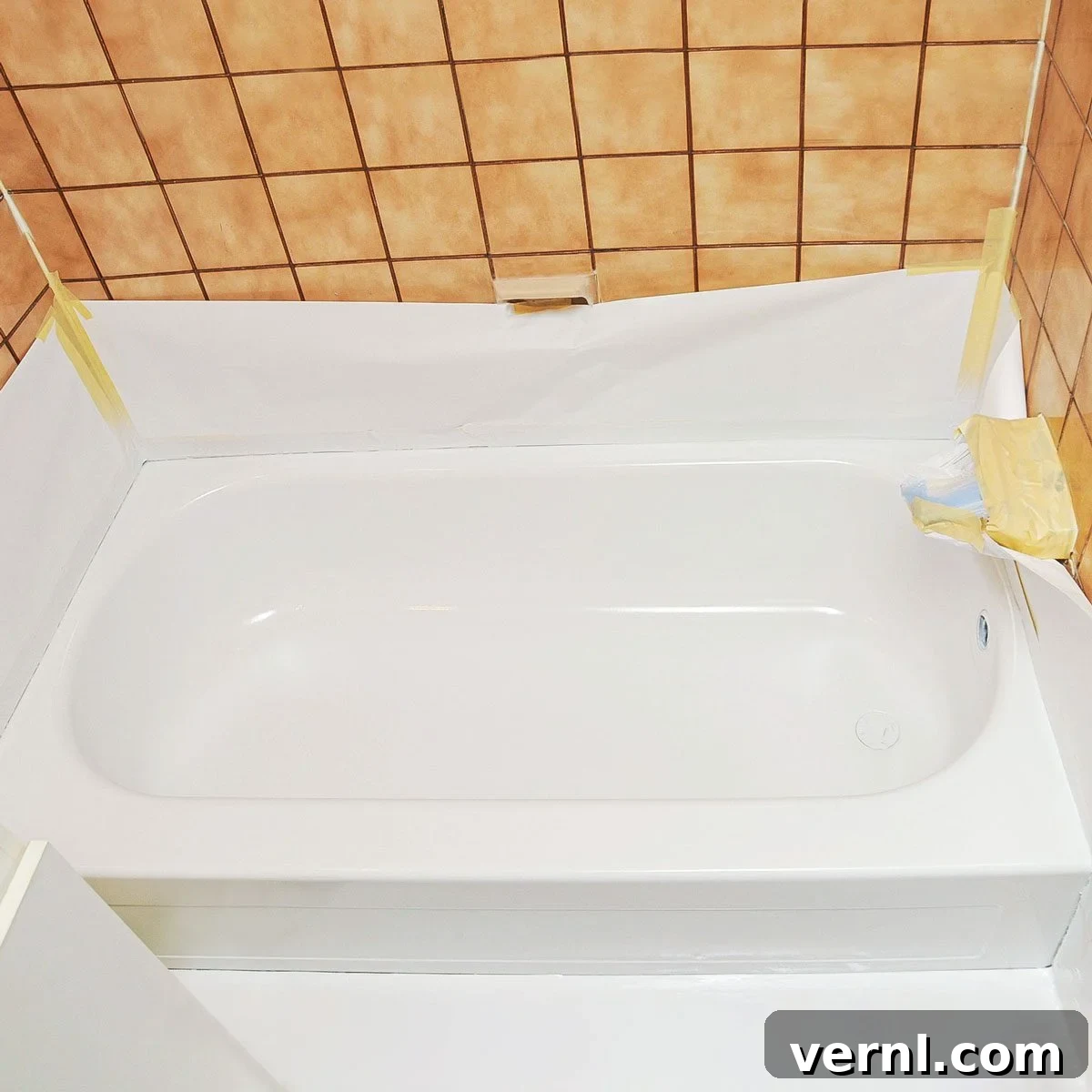
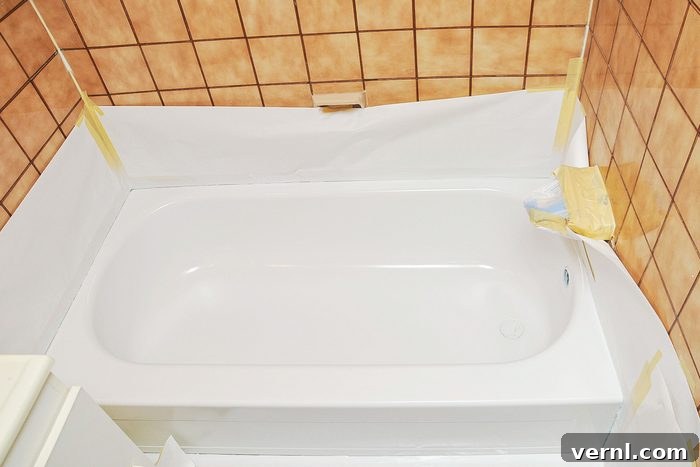
- Extensive Masking and Ventilation: The process begins with comprehensive preparation of the surrounding area. Pros meticulously apply plastic sheeting and painter's tape to mask off all surfaces adjacent to the tub, including walls, fixtures, and flooring. This protects your bathroom from overspray and dust. Nick Coletti describes this step vividly: "We basically make a spray booth inside someone's house," highlighting the care taken to isolate the workspace and ensure a clean application environment. Proper ventilation is also established to manage fumes from the strong chemicals used.
- Thorough Cleaning: Before any new coating can be applied, the tub must be immaculately clean. This involves rigorously removing all traces of soap scum, hard water stains, body oils, and residues using industrial-strength abrasive cleaners like Ajax or Comet, or specialized degreasers. Any remaining contaminants would compromise the adhesion of the new glaze.
- Precision Repair Work: Chips, deep scratches, minor cracks, or other surface imperfections in the original finish are carefully addressed. An industrial-grade resin or filler is applied to these damaged areas. Once cured, these spots are meticulously sanded smooth, creating a perfectly even surface that will be invisible once the new glaze is applied. This repair stage is crucial for a flawless final appearance.
- Chemical Etching and Surface Abrasion: This is a cornerstone step that truly differentiates professional reglazing. A chemical etcher is applied to the tub's glossy surface. This specialized solution subtly abrades and dulls the slick finish, creating microscopic pores and a rougher texture. This texturizing provides an exceptional mechanical bond for the primer and top coat. Nathan Oettinger emphasizes its importance: "Prepping the surface is 80 percent of the job," signifying that without proper etching, the new coating is highly prone to peeling or delamination.
- Advanced Primer Application: Following the etching, a specially formulated, high-adhesion primer is applied using a professional air sprayer. Nick Coletti notes, "We use a two-part epoxy primer base." This type of primer contains a hardening agent, which is key to the superior strength and durability of the entire reglazing system. Tubs typically receive two carefully applied coats of primer, ensuring maximum adhesion and a uniform base.
- Multi-Layer Top Coat: The final and most visible stage involves applying the top coat, which is the actual "glaze" that gives the tub its new look. This is done in several thin, even coats using an air sprayer, allowing each layer to cure slightly before the next is applied. This multi-layer approach builds depth, shine, and durability. The top coat is usually a high-gloss polyurethane or acrylic-urethane, chosen for its resistance to chemicals, abrasion, and yellowing.
The Lifespan of a Reglazed Bathtub and Essential Care
When performed by a highly skilled and reputable tub refinishing company, professional reglazing is an investment designed to last. Nathan Oettinger states that "reglazing should last 10 to 20 years," a testament to the quality of materials and application techniques used by professionals. However, several factors influence the exact lifespan of your reglazed tub.
Chief among these is the level of usage. A tub used daily by a busy family with young children will naturally experience more wear and tear than one used infrequently by one or two adults. Furthermore, the longevity is inextricably linked to the quality of the initial application. As Oettinger stresses, "It has to be done by someone who knows what they're doing and does the proper prep work." Shortcuts in the preparation phase are the leading cause of premature coating failure.
Beyond professional application, proper care and maintenance significantly extend the life of your reglazed tub. It is crucial to avoid abrasive cleaners, harsh chemicals, and scrubbing pads, as these can dull the finish, scratch the surface, or even strip away the glaze over time. Instead, opt for mild, non-abrasive liquid cleaners and soft cloths or sponges. Promptly repairing any small chips or damage can also prevent further deterioration and prolong the tub's refreshed appearance.
Is Bathtub Reglazing the Right Choice for You?
The decision to reglaze your bathtub is a personal one, with several compelling arguments in its favor. Nick Coletti frequently highlights the substantial cost savings as a primary motivator: "Reglazing a tub will save you thousands." Beyond the financial benefit, homeowners also avoid the considerable stress, mess, and inconvenience associated with a multi-day demolition and replacement project, which often disrupts other bathroom fixtures and tiling.
However, Nathan Oettinger offers a balanced perspective, acknowledging situations where replacement might be the more sensible option. If your existing tub is severely damaged (e.g., structural cracks, extensive rust perforation), or if its style, depth, or configuration simply doesn't meet your long-term aesthetic or functional desires, then investing in a new tub might be more appropriate. "When it warrants replacing over refinishing, I will recommend that every time because it's better for the customer," Oettinger advises, underscoring the importance of putting the customer's best interest first.
Timing is also a factor. If you're planning a complete, down-to-the-studs bathroom remodel within the next year, it might be wise to hold off on reglazing and incorporate a new tub into your larger renovation plans. Conversely, if a full gut renovation is a decade away, reglazing offers an excellent interim solution. Oettinger suggests, "if you're gutting your bathroom in ten years, absolutely, get the tub looking beautiful in the meantime while you wait."
Both experts strongly advocate for reglazing cast iron tubs whenever possible. "Older tubs are worth keeping," Oettinger asserts. "They are very expensive to replace and have an extra strong and durable finish." Their inherent durability makes them ideal candidates for refinishing, allowing homeowners to preserve a piece of their home's history while enjoying a modern, refreshed look at a fraction of the replacement cost.
Beyond Aesthetics: The Environmental Impact of Reglazing
Choosing to reglaze your bathtub also carries significant environmental benefits. By extending the life of your existing tub, you prevent it from ending up in a landfill, reducing waste. Manufacturing a new tub requires substantial energy and resources, and the transportation of new materials also contributes to a carbon footprint. Reglazing offers a sustainable alternative, minimizing environmental impact while still achieving a stunning bathroom transformation.
Conclusion: A Smart Choice for a Revitalized Bathroom
Bathtub reglazing stands out as a highly effective, economical, and environmentally friendly solution for transforming a tired, outdated tub into a sparkling centerpiece. It avoids the significant financial outlay, extensive demolition, and prolonged inconvenience associated with tub replacement, making a refreshed bathroom accessible to a wider range of budgets and timelines. By understanding the professional process, appreciating the value of expert craftsmanship, and committing to proper care, you can enjoy a beautifully reglazed bathtub that looks and feels brand new for many years to come.