Unveiling the Remarkable Power of a Walnut for Wood Scratches
Over time, even the most cherished furniture endures its share of wear and tear. Scratches, nicks, and dings are an inevitable part of owning wooden pieces, from antique chests to modern coffee tables. While these imperfections can diminish the beauty of your wood surfaces, living with unsightly damage isn’t your only option. Before you consider costly repairs or even replacing a beloved item, discover a surprisingly simple, all-natural solution hidden in your pantry: the humble walnut. This everyday snack holds an extraordinary secret for erasing years of damage with just a few effortless steps.
The Walnut Wonder: A Simple Yet Effective Fix
The magic of the walnut lies in its natural oils and pigments, which work together to camouflage light scratches and rejuvenate wood. When rubbed over a scratched area, the walnut releases these beneficial compounds, allowing them to penetrate the wood fibers, moisturize the dry, damaged area, and blend seamlessly with the surrounding finish. This ingenious method can restore the smooth appearance of your wood surfaces, making those annoying scratches virtually disappear.
Step-by-Step Guide to Walnut Wood Scratch Repair:
- Prepare the Area: Before you begin, ensure the scratched wood surface is clean and free of dust or debris. A quick wipe with a soft, dry cloth will suffice.
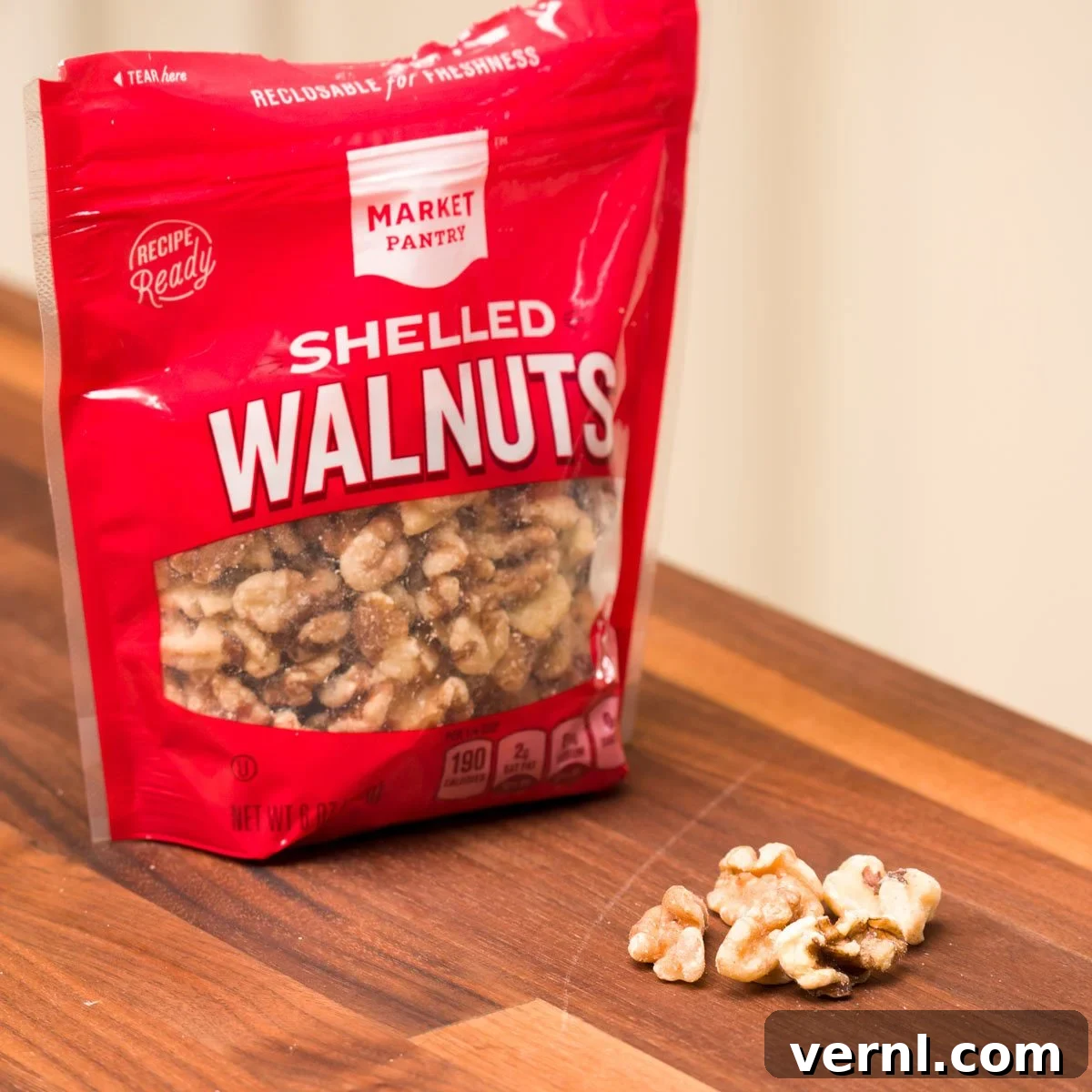
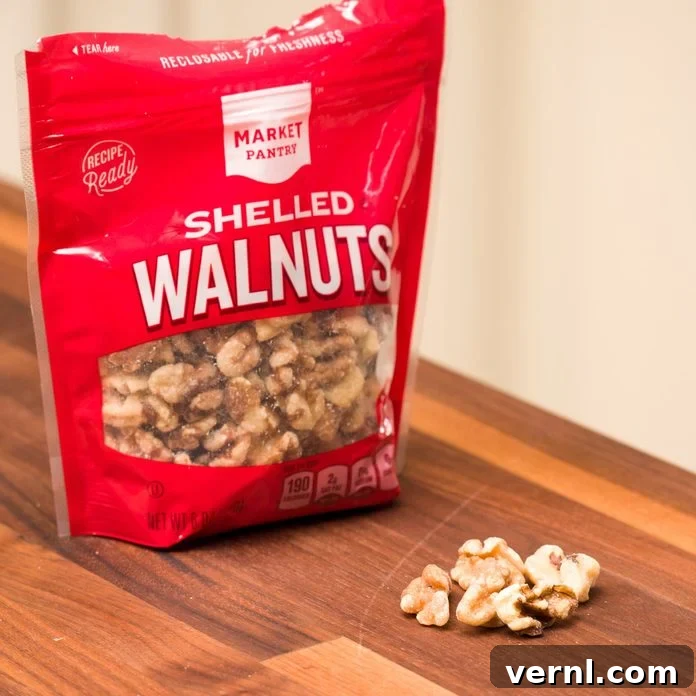
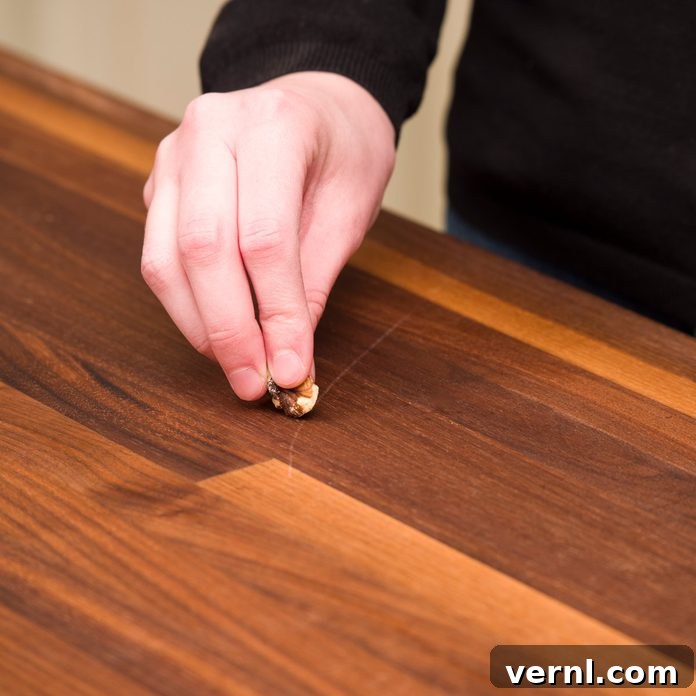
- Rub the Walnut: Take a plain, shelled walnut (ensure it’s not roasted or salted, as additives can cause discoloration or leave residue). Gently rub the walnut directly over the scratch several times. Apply moderate pressure, allowing the natural oils to be released and worked into the wood grain. You should see the scratch begin to darken and blend.
- Massage and Absorb: After rubbing, use your fingers to gently massage the scratched area. The warmth from your fingers will help the wood absorb the nourishing oils from the nut more effectively, encouraging the oils and natural pigments to fully penetrate and seal the damage.
- Buff to Perfection: Finally, take a soft, clean cloth (microfiber works wonderfully) and buff the treated area in circular motions. This action will remove any excess oil, polish the surface, and ensure a smooth, even finish. The scratch should now be significantly less noticeable, if not entirely gone.
This method is not just easy; it’s also incredibly satisfying to witness the transformation. The natural tannins and oils in walnuts work to hydrate the dry, lightened wood in the scratch, while the subtle brownish hue helps to color-match and blend the imperfection, especially on darker woods.
Understanding Limitations: When to Seek Other Solutions
While the walnut trick is remarkably effective, it’s important to understand its scope. This handy hint is primarily designed for light scratches and superficial scuffs that haven’t deeply penetrated the wood’s finish or gone through the wood itself. For deeper gouges, significant dents, or extensive damage, a walnut might not be enough to provide a lasting fix.
However, that doesn’t mean all hope is lost for more severe issues. If you’re dealing with deeper indentations rather than just surface scratches, we have effective strategies for those too. You can find a comprehensive solution for how to get dents out of wood, which often involves using heat and moisture to swell the compressed wood fibers back into place.
Beyond Walnuts: A Holistic Approach to Wood Care and Repair
Maintaining the beauty of your wooden furniture and floors goes beyond just fixing scratches. A proactive approach can prevent much of the damage in the first place, ensuring your wood items retain their elegance for years to come.
Preventative Measures for Wood Protection:
- Felt Pads: Attach felt pads to the bottom of all furniture legs and decorative items that rest on wood surfaces. This simple addition prevents scratches from movement and protects against direct contact.
- Coasters and Placemats: Always use coasters under drinks and placemats under hot dishes or serving platters to prevent water rings, heat damage, and scrapes.
- Regular Cleaning: Dust your wood surfaces regularly with a soft, dry cloth. Abrasive dust particles can act like sandpaper when dragged across wood. For deeper cleaning, use a wood-specific cleaner, avoiding harsh chemicals.
- Lift, Don’t Drag: When moving furniture, always lift it rather than dragging it across the floor. This prevents deep gouges and scuffs on both the furniture and the flooring.
- Pet Care: For households with furry friends, keeping their nails trimmed is crucial. Explore these specific hacks to repair pet claw marks on wood, which often require a slightly different approach than typical scratches.
- Humidity Control: Wood is sensitive to changes in humidity. Extreme dryness can cause cracking, while excessive moisture can lead to swelling and warping. Maintain a stable indoor humidity level to protect your wood.
- Avoid Direct Sunlight: Prolonged exposure to direct sunlight can fade and dry out wood finishes, making them more susceptible to damage. Position furniture away from direct rays or use UV-blocking window treatments.
Other DIY Scratch Repair Techniques for Different Scenarios:
While walnuts are a fantastic starting point, various other DIY methods can tackle different types and colors of wood scratches:
- Coffee Grounds or Tea Bags: For dark wood scratches, a paste made from instant coffee grounds or a damp, used tea bag can stain the exposed wood, helping it blend in.
- Mayonnaise: For water rings or white heat stains, applying a dab of mayonnaise and letting it sit for several hours can often draw out the moisture and oils, restoring the finish.
- Crayons or Filler Sticks: For deeper scratches or gouges where the walnut might not be sufficient, wax repair crayons or wood filler sticks (available in various wood tones) can be used to fill the void, then buffed smooth.
- Olive Oil and Vinegar: A mixture of equal parts olive oil and white vinegar can condition wood and help minimize the appearance of minor scratches by rehydrating the wood.
Each method has its strengths, and choosing the right one often depends on the type, depth, and color of the scratch, as well as the type of wood finish.
The Enduring Value of Well-Maintained Wood
Investing a little time in caring for your wooden items not only keeps them looking their best but also preserves their value and extends their lifespan. Wood is a natural material that tells a story, and while some signs of age add character, unsightly damage can detract from its inherent beauty. By employing simple techniques like the walnut trick, coupled with diligent preventative care, you can ensure your wooden furniture and floors remain cherished focal points in your home for generations.
So, the next time you spot an irritating scratch on your beloved wooden furniture, don’t despair. Reach for a walnut, and witness the magic unfold. For even more detailed guidance and solutions, explore these comprehensive tips for wood floor scratch repair, ensuring every wooden surface in your home can look its absolute best.