The Ultimate Guide to Cleaning and Maintaining Your Range Hood Filters
A range hood is an indispensable appliance in any modern kitchen, tirelessly working to keep your cooking space fresh, clean, and free from airborne grease, smoke, and odors. At the heart of its efficiency lies the range hood filter, a critical component responsible for trapping these unwelcome elements. Over time, these filters accumulate layers of stubborn grease and grime, significantly impairing their performance and potentially posing health and safety risks. This comprehensive guide will walk you through the most effective methods for cleaning and maintaining your range hood filters, ensuring your kitchen remains a pleasant and safe environment for culinary adventures.
Why Clean Your Range Hood Filters? The Importance of Regular Maintenance
Many homeowners overlook the humble range hood filter until problems arise. However, regular cleaning is not just about aesthetics; it’s crucial for several reasons:
- Optimal Performance: Clean filters allow your range hood to operate at peak efficiency, effectively capturing smoke, steam, and odors, and preventing them from circulating throughout your home.
- Improved Air Quality: By trapping grease and airborne particles, filters contribute to healthier indoor air quality, reducing allergens and cooking-related pollutants.
- Fire Safety: Grease is highly flammable. A heavily saturated filter poses a significant fire hazard, especially when exposed to open flames or high heat from your stovetop.
- Extended Appliance Lifespan: When filters are clogged, the range hood’s motor has to work harder, leading to premature wear and tear and potentially costly repairs.
- Energy Efficiency: An inefficient, clogged filter means your range hood needs more energy to perform its function, leading to higher electricity bills.
- Hygiene and Odor Control: Accumulated grease can become a breeding ground for bacteria and mold, leading to unpleasant kitchen odors. Clean filters help maintain a fresh-smelling kitchen.
Types of Range Hood Filters: Understanding What You’re Cleaning
Before you begin cleaning, it’s helpful to understand the type of filter your range hood uses, as this might slightly influence the cleaning approach.
- Mesh Filters (Aluminum or Stainless Steel): These are the most common type, consisting of multiple layers of woven metal mesh designed to trap grease particles. They are typically washable and reusable.
- Baffle Filters: Often found in professional-grade or commercial kitchens, baffle filters use a series of interlocking baffles to create changes in airflow direction, causing grease particles to separate and collect in a tray. They are highly efficient, durable, and easy to clean.
- Charcoal or Carbon Filters: These filters are primarily used in ductless or recirculating range hoods. They are designed to absorb odors and smoke particles. Unlike mesh or baffle filters, charcoal filters are generally not washable and must be replaced regularly (typically every 3-6 months).
This guide focuses primarily on cleaning washable mesh and baffle filters, but we’ll also touch on when to replace charcoal filters.
Signs Your Range Hood Filter Needs Immediate Attention
How do you know it’s time to clean your range hood filters? Look out for these tell-tale signs:
- Visible Grease Accumulation: The most obvious sign is a thick, sticky layer of grease and grime coating the filter surface.
- Reduced Suction Power: If your range hood isn’t effectively clearing smoke and odors, clogged filters are a likely culprit.
- Persistent Kitchen Odors: If cooking smells linger long after you’ve finished, your filters might not be doing their job.
- Increased Noise: A struggling motor due to clogged filters can sometimes lead to louder operation.
- Dripping Grease: In extreme cases, grease can start to drip from the filter onto your stovetop. This is a critical safety hazard.
Preparation: Getting Started with Filter Cleaning
Before diving into any cleaning method, always follow these preparatory steps:
- Safety First: Ensure your range hood is turned off and unplugged from the power outlet to prevent accidental activation.
- Remove Filters: Most filters can be easily removed by sliding a latch or pushing a spring-loaded clip. Refer to your range hood’s user manual if you’re unsure.
- Inspect Filters: Assess the level of grease and grime. This will help you decide which cleaning method will be most effective.
- Gather Supplies: Have your cleaning agents, brushes, and protective gear (gloves, eye protection if using strong chemicals) ready.
Method 1: The Standard Approach – Dishwasher Cleaning
For lightly soiled filters or as part of a regular maintenance routine, the dishwasher can be a convenient option.
How to Clean Range Hood Filters in a Dishwasher:
- Load Filters: Place the filters upright in your dishwasher, ensuring they don’t block the spray arms. Avoid overcrowding the dishwasher with other dishes, as this can impede thorough cleaning.
- Add Detergent: Use your regular dishwasher detergent. For extra grease-fighting power, you can add a cup of white vinegar to the bottom of the dishwasher or in the rinse aid dispenser.
- Run a Hot Cycle: Select the hottest and most intensive wash cycle available (e.g., “heavy duty” or “pot scrubber”).
- Inspect and Dry: Once the cycle is complete, carefully remove the filters. If any residue remains, a quick scrub with a brush might be needed. Allow them to air dry completely before reinstalling to prevent mold and moisture damage to your range hood.
Pros and Cons of Dishwasher Cleaning:
- Pros: Effortless, convenient, requires minimal hands-on time.
- Cons: May not be effective against heavy, caked-on grease. Can sometimes leave a dull residue on aluminum filters or warp delicate mesh if the water is too hot.
Method 2: The Pro Approach – Heavy-Duty Degreasing for Stubborn Grease
When the dishwasher isn’t enough to tackle years of accumulated grease, it’s time to bring out the big guns. This method, inspired by auto mechanics who deal with tough grease daily, is highly effective.
Option A: Auto-Grade Water-Based Degreaser
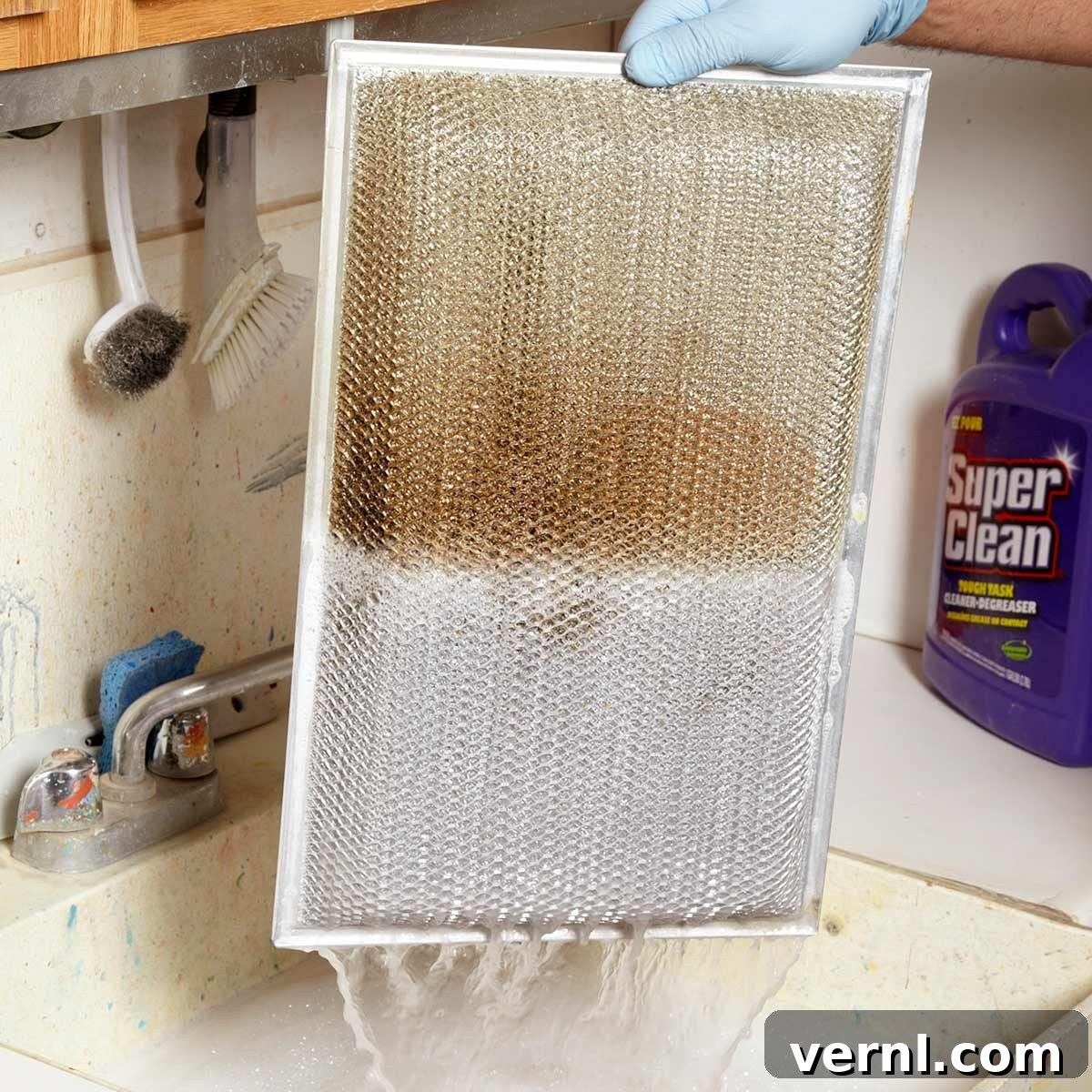
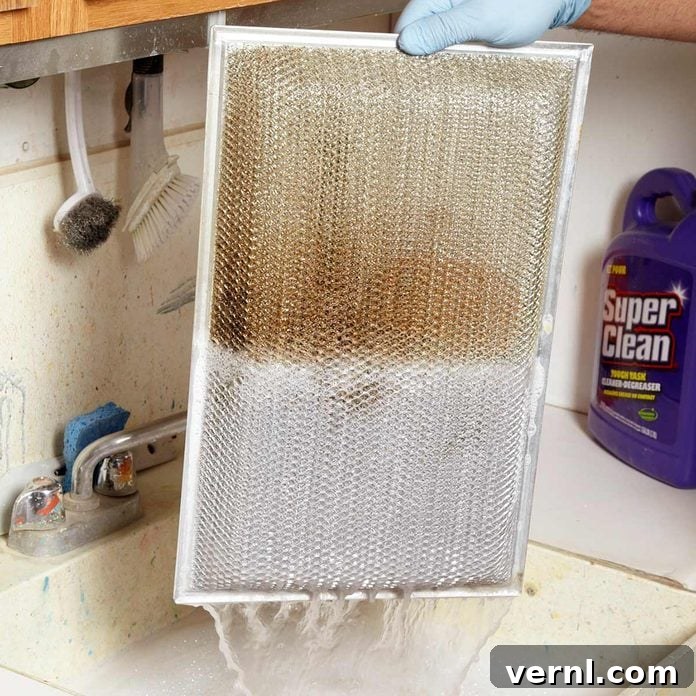
For filters that are heavily caked with grease, an industrial-strength, water-based degreaser found at an auto parts store can work wonders.
- Find Your Degreaser: Head to an auto parts store and look for a heavy-duty, water-based degreaser specifically designed for engine parts or industrial cleaning. Ensure it’s safe for aluminum or stainless steel, depending on your filter material.
- Prepare Your Soaking Station: Fill a large sink, laundry tub, or a sturdy bucket with very hot water. The hotter the water, the more effective the degreaser will be at dissolving grease.
- Add Degreaser: Carefully pour the recommended amount of degreaser into the hot water, following the product instructions. Wear gloves and eye protection to prevent skin and eye irritation.
- Soak the Filters: Submerge your range hood filters completely in the hot degreaser solution. Let them soak for at least 15-30 minutes, or longer for extremely stubborn grease. You might observe the grease visibly dissolving and floating to the surface.
- Scrub (If Needed): After soaking, use a stiff-bristled brush (a dish brush or an old toothbrush works well for crevices) to gently scrub away any remaining grease. The degreaser should have loosened most of it, making scrubbing much easier.
- Thorough Rinse: This is a crucial step. Rinse the filters meticulously under hot running water until all traces of degreaser and grease are gone. You don’t want any chemical residue remaining, especially if the filter is going back into a food preparation area.
- Dry Completely: Shake off excess water and allow the filters to air dry completely before reinstallation. You can also use a clean cloth to speed up the drying process.
Option B: Powerful Household Degreasers and DIY Solutions
If you prefer to use household products or don’t want to visit an auto parts store, several effective alternatives exist:
1. Boiling Water and Dish Soap Method:
- Heat Water: Fill a large pot or sink with boiling hot water.
- Add Dish Soap: Add a generous amount (1/4 to 1/2 cup) of a strong grease-cutting dish soap (e.g., Dawn, Fairy) to the hot water.
- Add Baking Soda (Optional but Recommended): For an extra boost, mix in 1/2 cup of baking soda. This natural abrasive and deodorizer works wonders on grease.
- Soak and Scrub: Submerge the filters and let them soak for 30 minutes to an hour. Use a non-abrasive brush to scrub away loosened grease.
- Rinse and Dry: Rinse thoroughly with hot water and dry completely.
2. Baking Soda and Vinegar Method:
- Place in Sink: Lay the filters flat in an empty sink.
- Sprinkle Baking Soda: Liberally sprinkle baking soda over both sides of the filters.
- Pour Vinegar: Slowly pour white vinegar over the baking soda. You’ll see a fizzing reaction, which helps to break down grease.
- Let Sit: Allow the mixture to sit for 30 minutes to an hour.
- Scrub and Rinse: Scrub with a brush, then rinse thoroughly with hot water until clean. Dry completely.
3. Commercial Kitchen Degreasers:
Many household cleaning brands offer powerful kitchen degreasers. Follow the product instructions carefully, ensuring proper ventilation and wearing protective gear. These are often effective for spraying directly onto filters before soaking or scrubbing.
Beyond Cleaning: When to Replace Your Range Hood Filter
While regular cleaning can extend the life of your washable filters, there comes a time when replacement is necessary. The general recommendation is to replace your range hood filter every six months, but this can vary depending on several factors:
- Filter Type: Charcoal/carbon filters in ductless hoods must be replaced every 3-6 months as they cannot be cleaned.
- Cooking Habits: If you cook frequently, especially dishes that generate a lot of grease or smoke (e.g., frying, stir-frying), you’ll need to clean or replace filters more often. Daily cooks might need to clean monthly and replace quarterly.
- Visible Damage: If your mesh or baffle filters are bent, torn, corroded, or have holes, they won’t function effectively and should be replaced.
- Inability to Clean: If even the most vigorous cleaning methods fail to remove built-up grease, it’s a sign that the filter material itself is too saturated or degraded to be effective.
Choosing the Right Replacement Filter:
Always ensure you purchase the correct size and type of filter for your specific range hood model. Check your range hood’s manual or the existing filter for part numbers or dimensions. Using an ill-fitting filter can compromise performance and safety.
Tips for Maintaining a Clean and Efficient Range Hood System
A clean filter is just one part of maintaining a healthy range hood. Here are additional tips for overall system efficiency:
- Wipe Down Exterior Regularly: Don’t forget to wipe the exterior surfaces of your range hood to prevent grease buildup on the visible parts.
- Clean Fan Blades (If Accessible): Periodically, if your fan blades are accessible, clean them to remove any grease that might have bypassed the filters. Always ensure the power is off before doing so.
- Check Ductwork: For ducted systems, occasionally check for blockages or grease buildup in the visible sections of the ductwork. Professional duct cleaning may be needed for extensive buildup.
- Use the Right Fan Speed: Use lower speeds for simmering and higher speeds for frying or grilling to optimize grease capture and air extraction.
- Clean as You Go: Wipe down stovetop surfaces immediately after cooking to minimize airborne grease.
- Consider a Complete Range Hood Cleaning: Every once in a while, it’s beneficial to give the entire range hood interior a thorough clean, including light fixtures and housing, after removing the filters.
Common Mistakes to Avoid When Cleaning Range Hood Filters
- Ignoring the Problem: Delaying cleaning can lead to severe grease buildup, making filters harder to clean and potentially creating fire hazards.
- Using Abrasive Cleaners or Tools: Harsh scrubbing pads or highly corrosive chemicals can damage delicate mesh filters, especially aluminum ones.
- Not Rinsing Thoroughly: Leaving soap or degreaser residue on filters can attract new grease faster and potentially contaminate food with chemical odors when the hood is in use.
- Reinstalling Wet Filters: Always ensure filters are completely dry before putting them back to prevent rust, mold, and damage to the electrical components of the hood.
- Forgetting to Replace Charcoal Filters: Unlike washable filters, charcoal filters have a finite lifespan for odor absorption and must be replaced regularly.
Conclusion: A Clean Filter for a Healthier Kitchen
Maintaining clean range hood filters is an essential but often overlooked aspect of kitchen hygiene and safety. Whether you opt for the convenience of a dishwasher, the power of an auto-grade degreaser, or a trusted household solution, regular cleaning and timely replacement are key. By following the tips outlined in this guide, you can ensure your range hood operates efficiently, your kitchen air remains fresh, and your home stays safe from potential fire hazards. Make range hood filter maintenance a regular part of your kitchen cleaning routine, and enjoy the benefits of a healthier, more pleasant cooking environment.