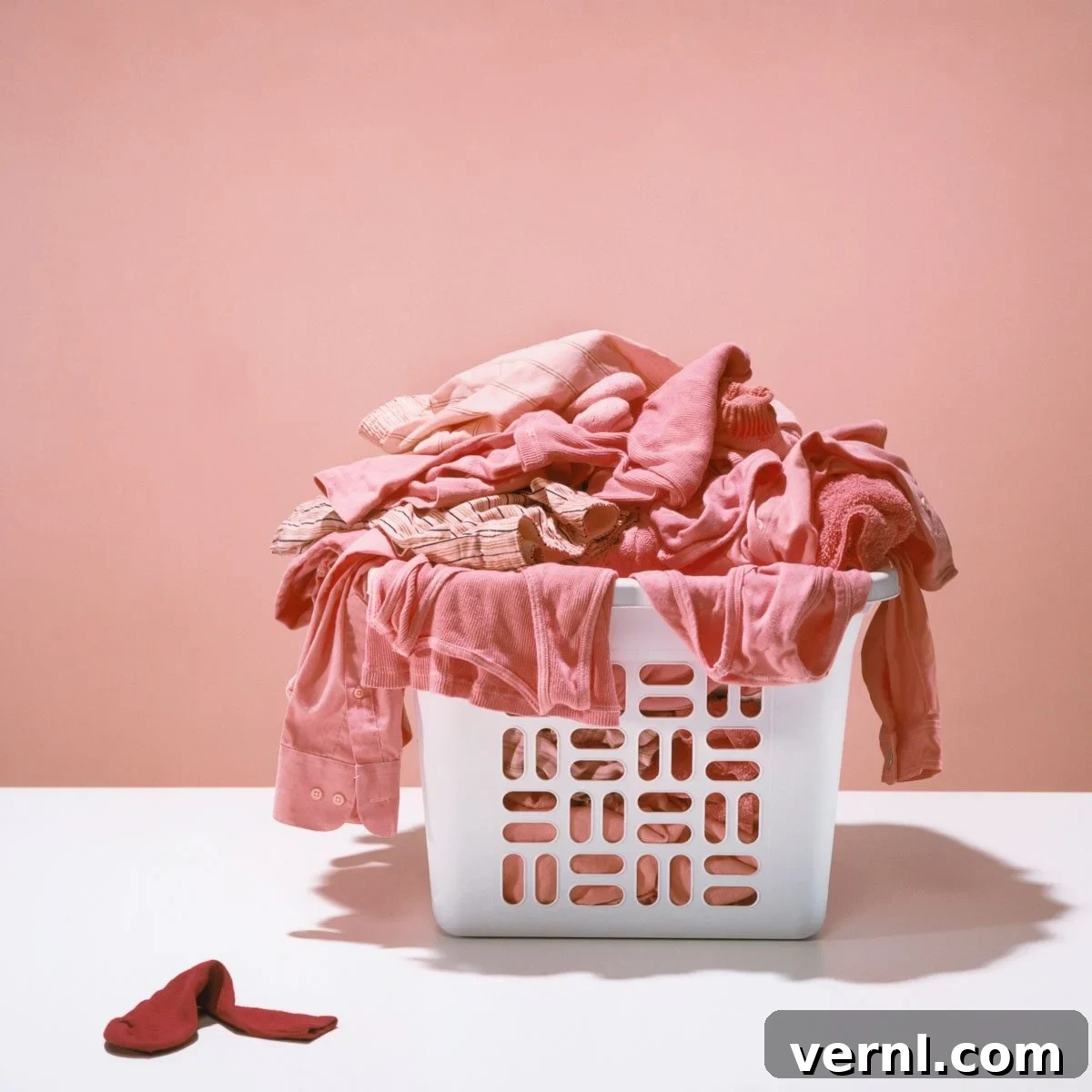
For some, the rhythmic process of sorting laundry might be a calming, almost meditative task. For others, it’s an unavoidable chore, a tedious hurdle before the actual washing begins. Regardless of your personal inclination, a crucial question arises: Is sorting laundry truly necessary? The concise answer is an emphatic yes. This seemingly simple step is far more than just a habit; it is a fundamental practice in preserving your wardrobe and ensuring your fabrics remain in their best condition. By investing a few moments in separating your wash loads, you actively contribute to the longevity and vibrancy of your clothes, towels, and linens, making it a habit that simply makes good sense.
The act of sorting, which critically includes separating laundry by color, plays a vital role in prolonging the life of clothing and all other washables. While occasionally skipping this step might not instantly ruin your garments, consistently doing so can lead to noticeable degradation over time. Taking those initial minutes to divide your laundry strategically minimizes risks and maximizes the effectiveness of your washing cycle, ultimately saving you time, money, and the disappointment of premature wear and tear.
Why Is Sorting Laundry a Crucial Practice?
There are numerous compelling and intelligent reasons why individuals choose to sort their laundry before washing. These practices are not just old wives’ tales but are rooted in practical textile care and garment preservation. Understanding these reasons can transform laundry from a mundane chore into a thoughtful process that respects your belongings and extends their lifespan:
- Preventing Color Transfer: One of the most common and frustrating laundry mishaps is color bleeding. Sorting diligently ensures that dark or vibrantly colored items do not transfer their dyes onto lighter-colored or delicate white garments. This is especially critical for new items or fabrics with unstable dyes, where the risk of bleeding is highest. Mixing a brand new red t-shirt with a load of white socks is a recipe for disaster, often resulting in an unintended pink hue that can be difficult or impossible to reverse.
- Optimizing Wash Temperatures: Different fabrics and colors require specific water temperatures for optimal cleaning and preservation. Sorting allows you to tailor the washing machine temperature precisely to the load. For instance, hot water is often ideal for whites to sanitize and remove tough stains, while cold water is generally recommended for darks to prevent fading and bleeding. Using the correct temperature helps maintain fabric integrity, prevents shrinkage, and ensures effective cleaning without damage.
- Protecting Fabric Integrity: Not all fabrics are created equal, and mixing them in a single wash load can lead to damage. Delicate materials like silk, lace, or satin can easily snag, stretch, or tear when washed alongside sturdy items like zippered jeans or heavy cotton towels. Separating laundry by fabric type protects vulnerable items from the abrasion and friction caused by heavier or rougher textiles, safeguarding their texture and form.
- Addressing Specific Cleaning Needs: Certain types of laundry carry unique cleaning requirements, particularly concerning hygiene and sanitization. Items like dirty socks, sweaty sportswear, or heavily soiled household rags often benefit from more vigorous washing cycles or the addition of sanitizing agents. Keeping these items together ensures they receive the thorough cleaning they need without potentially exposing other, cleaner garments to excessive dirt or microbes, thus maintaining overall laundry hygiene.
Unquestionable Benefits of Thoughtful Laundry Sorting
Embracing a systematic approach to laundry sorting extends far beyond simply preventing color mishaps; it’s a proactive step toward maintaining the quality and appearance of all your fabric items. By taking the time to separate your clothes, towels, sheets, and other textiles before they enter the washing machine, you unlock a range of benefits that ensure they last longer, retain their original color, and keep their brightness. Here are some key advantages of integrating sorting into your laundry routine:
- Elimination of “Oops” Moments: We’ve all heard the cautionary tales, or perhaps experienced firsthand, the dreaded scenario of a stray red sock transforming an entire load of pristine white towels into an unexpected shade of pink. These moments, while sometimes humorous in retrospect, can be incredibly frustrating and costly. When you make a conscious effort to separate laundry by color, you dramatically reduce the risk of a strong- or dark-colored item “bleeding” its dye onto lighter-colored counterparts. While those newly pink towels might not be technically “ruined,” they certainly won’t complement your carefully curated yellow and gray bathroom aesthetic. This preventative measure ensures your whites stay bright, your colors stay vibrant, and your laundry outcomes are consistently predictable and pleasing.
- Precision for Proper Wash Temperatures: Closely related to color preservation, sorting by color empowers you to select the most appropriate water temperature for each specific load. Delicate fabrics and dark-colored garments often benefit from cooler water to prevent fading, shrinking, or damage to their dyes. In contrast, durable white sheets and towels are robust enough to withstand high temperatures, which are excellent for deep cleaning, sanitizing, and stain removal. Jeans, sweaters, and most dark-colored items perform best in warm or cold cycles, preserving their structure and color. This precise temperature control not only safeguards your garments but can also contribute to energy savings by minimizing the use of hot water when it’s not strictly necessary.
- Targeted Sanitization for Enhanced Hygiene: Certain items in our daily lives demand a higher level of sanitization for optimal hygiene. Dirty socks, funky workout gear, sports uniforms, and even heavily soiled underwear are prime candidates for thorough cleaning. Sorting these items allows them to be washed separately, often with the addition of powerful sanitizing agents like bleach, vinegar, or baking soda, and sometimes at higher temperatures. This isolation prevents the transfer of bacteria and odors to less contaminated items. Ensuring that these specific articles receive the concentrated cleaning they need is not just about aesthetics; it’s about maintaining a healthier environment within your home and for your personal well-being.
- Optimized Washing on Different Cycles: The diverse array of fabrics in a typical wardrobe means that a one-size-fits-all washing approach is simply inadequate. Your delicate wool sweater, a fine lace camisole, your favorite pair of rugged jeans, and a batch of heavy bath towels simply do not belong in the same batch of laundry. Sorting by fabric type is essential to protect your most delicate items from the harsher agitation and spin cycles designed for more durable materials. This allows you to utilize your washing machine’s specialized settings—like ‘delicate,’ ‘permanent press,’ or ‘heavy duty’—to their full potential. Understanding how to use bleach in laundry, for example, is also facilitated by knowing which items can withstand such treatment without damage. Proper sorting ensures each item receives the gentle care or robust cleaning it requires, significantly extending its wearable life.
What Happens If I Choose Not to Sort My Laundry?
While the immediate consequences of skipping laundry sorting might not always be catastrophic, especially if you rely primarily on cold or barely warm water cycles, the long-term effects can significantly diminish the quality and lifespan of your garments. Opting out of sorting, particularly if done consistently, can lead to several undesirable outcomes that affect both the appearance and durability of your textiles.
If you regularly combine various items, even if your darks don’t visibly bleed onto your whites in every wash, your white and lighter-colored clothing will inevitably lose their crisp brightness and develop a dull, grayish, or yellowish tint over time. This happens due to the cumulative transfer of micro-dyes and dirt particles from darker items. Beyond color issues, mixing robust fabrics with delicate ones can cause accelerated wear and tear. Heavy zippers or abrasive textures from jeans can snag, stretch, or tear fragile lace, silk, or knitted items. Lint transfer is another common problem; you might find dark lint clinging to light clothes, or vice-versa, making your freshly washed laundry look less than pristine.
Furthermore, without sorting by fabric type or soil level, you compromise the effectiveness of your cleaning cycle. Heavily soiled items might not get clean enough when mixed with delicate items requiring a gentle cycle, while delicate items might be damaged by the aggressive agitation needed for tougher grime. This means your clothes won’t look their best, feel as good, or last as long as they could. Over time, this neglect translates into garments that fade prematurely, lose their shape, pill more easily, and simply don’t present the vibrant, fresh appearance they once did, ultimately leading to more frequent replacements and increased costs.
Practical Tips for an Effective Laundry Sorting Routine
To keep all your washables looking their absolute best for as long as possible, dedicating a few minutes to sorting them before washing is an investment that truly pays off. Establishing an efficient sorting system can simplify the entire laundry process and help you maintain your wardrobe with minimal fuss.
Consider dedicating specific baskets or sections within a hamper for different types of laundry. If you’ve got the space, a sorting laundry hamper, such as a convenient three-section model, can make separating lights, darks, and colors an absolute snap. These sorters often come with wheels, making transport to the washing machine effortless. For those with more diverse laundry needs, or for families, you might even try a four-section sorter, which can include an additional bag specifically for delicates or items that need special sanitization, such as baby clothes or gym wear.
Beyond basic color and fabric separation, you can refine your sorting further by considering:
- Soil Level: Heavily soiled items (muddy play clothes, greasy work uniforms) should be washed separately from lightly soiled garments to prevent redeposition of dirt.
- Care Labels: Always check garment care labels. These provide essential instructions regarding wash temperature, cycle type (e.g., permanent press, delicate), and drying preferences.
- Small Items: Use mesh laundry bags for small items like socks, hosiery, or intimates to prevent them from getting lost or damaged during the wash cycle.
Implementing a consistent sorting routine might seem like an extra step, but it quickly becomes a habit that preserves your clothing, saves you money on replacements, and ensures a more effective and hygienic wash every time. It’s a simple act that yields significant long-term benefits for your entire household.
Wondering why your washing machine smells? Find out here.