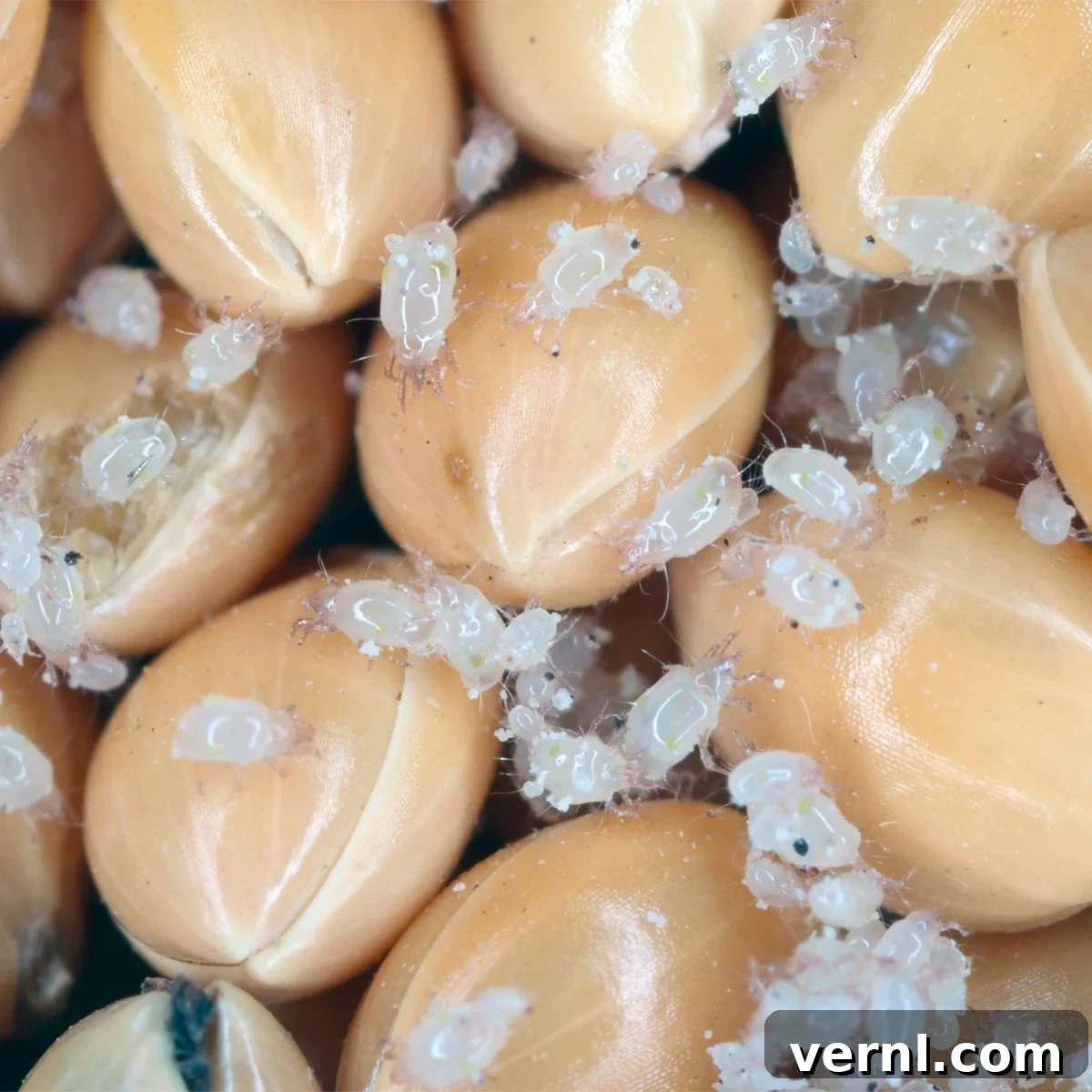
Small yet remarkably prolific, the mold mite is emerging as a frequently encountered household pest. Much like successfully eliminating clover mites, understanding and tackling a mold mite infestation is entirely achievable.
“Mold mites” serves as a broad umbrella term encompassing numerous species renowned for their ability to thrive on fungi and rapidly multiply into vast populations within remarkably short periods,” explains Ronald Ochoa, Ph.D., a distinguished research scientist specializing in mites for the United States Department of Agriculture (USDA).
Guided by Dr. Ochoa’s extensive expertise, this comprehensive guide delves into the intriguing yet often troublesome world of mold mites. We will explore their distinctive behaviors, potential impacts on your home and health, and most crucially, furnish you with effective strategies to prevent and eliminate them, ensuring your living spaces remain free from these tiny invaders.
What Exactly Are Mold Mites?
The history of mold mite identification stretches back centuries. According to Dr. Ochoa, it was Franz von Paula Schrank, an Austrian priest residing in Vienna, who first meticulously described what we now recognize as the mold mite in 1781. Globally, the scientific community has identified approximately 6,000 distinct species of mites, with about 60 of these specifically belonging to the diverse mold mite genus.
These incredibly adaptable creatures demonstrate a remarkable capacity to thrive in a vast array of environments. From the damp confines of a basement to the humid, secluded cavities within trees, mold mites are opportunistic feeders. Their diet primarily consists of decaying organic materials such as rotting wood, damp cardboard, and plant debris. Crucially, they also feast on fungi, bacteria, algae, manure, and even the carcasses of dead animals. In some instances, certain species may also target seeds and various bulb plants, making them a concern in agricultural and food storage contexts.
Dr. Ochoa highlights several prevalent species of mold mites, collectively classified by the scientific community under the order “Astigmata.” Among these, one species, Tyrophagus putrescentiae, stands out as particularly widespread. It is recognized as a “cosmopolitan” arthropod, indicating its presence across a remarkable range of geographical locations and diverse climates around the world.
“The mold mite is undoubtedly one of the most astonishing species of mites inhabiting our planet,” Dr. Ochoa asserts. He further illustrates their extraordinary resilience by noting, “Even NASA scientists have documented the collection of mold mites from the Russian space station Mir. This extraordinary discovery unequivocally demonstrates just how robust, adaptable, and capable of surviving in even the most hostile and extreme environments these tiny mites truly are.”
Fun fact: The scientific name Tyrophagus putrescentiae, when translated from Latin, literally means “cheese eater,” a nod to their frequent presence in aged food products.
What Do Mold Mites Look Like?
Mold mites are notoriously minuscule, often measuring no larger than a single millimeter in length. This tiny stature, combined with their almost transparent bodies, makes them incredibly challenging to detect with the unaided eye. However, seeing them isn’t impossible. With a keen eye, a good magnifying lens, or even the powerful zoom feature on a modern smartphone camera, their presence can be confirmed.
When observed closely, these minute creatures typically appear white or off-white. Their delicate legs and the area surrounding their mouthparts, scientifically known as the gnathosoma, often exhibit subtle tan-to-brown tones, providing a slight contrast to their otherwise pale bodies. Their translucent nature allows them to blend seamlessly into their environments, especially against the backdrop of mold or damp surfaces.
Mold mites are frequently mistaken for dust mites, primarily because both species often inhabit similar damp and dusty environments within homes. Dr. Ochoa acknowledges this common confusion. “One of the simplest and most effective ways to differentiate between the two is by observing their body hairs, or setae,” he explains. “Mold mites typically possess around six prominent, long setae extending from their bodies, whereas dust mites generally have only a couple of long hairs.” This subtle yet critical distinction can be a key identifier for those attempting to pinpoint the specific pest.
Fun fact: Dr. Ochoa highlights that, from an evolutionary perspective, “Mites are actually more closely related to spiders than they are to insects,” belonging to the same class Arachnida.
Recognizing a Mold Mite Infestation
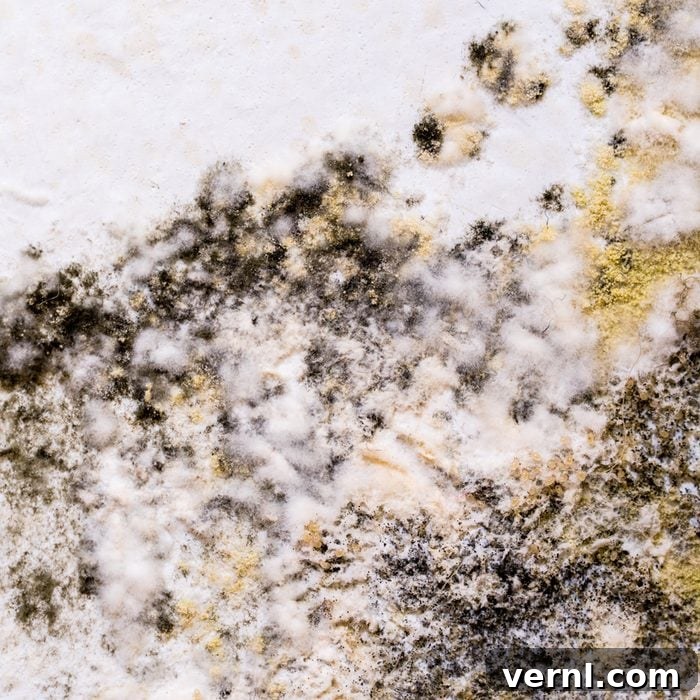
One of the most concerning characteristics of mold mites is their incredibly short life cycle, typically ranging from a mere nine to thirty days. This rapid reproduction rate means that what starts as a few seemingly innocuous mites can quickly escalate into a full-blown infestation if left unchecked. Before you fully realize it, your home could be host to thousands, if not millions, of these tiny pests.
Recognizing the early signs of a mold mite problem is crucial for swift and effective intervention. Here are the key indicators that suggest a mold mite infestation:
- White Frosting or Brown Staining on Moldy Areas: This is one of the most direct visual cues. If you observe a fine, powdery, white, or off-white “frosting,” or even brownish discoloration on existing mold patches, it’s highly likely to be a massive aggregation of mold mites. These mites, along with their shed skins and fecal matter, can form visible layers on the mold itself, making it appear fuzzy or discolored.
- Gray or Brown “Dust” or “Biomass” Under Shelves or Near Food Products: Pay close attention to areas around stored food, particularly dry goods like flour, grains, cereals, pet food, or even old paper and cardboard. A fine, grayish or brownish “dust” that doesn’t seem to be typical household dust might actually be a collection of dead mold mites, their exoskeletons, and their droppings. This “biomass” often accumulates in quiet, undisturbed, and slightly damp areas.
- Large Clusters of Little White Dots That Migrate or “Walk Across” Surfaces: Perhaps the most alarming sign is the appearance of numerous tiny white dots that seem to move. These clusters of active mold mites can resemble “walking dust” or “crawling sugar” as they traverse surfaces like countertops, pantry shelves, walls, or even the packaging of food items. Their movement often indicates they are searching for new food sources or reacting to disturbances.
Fun fact: A single female mold mite, despite her diminutive size, possesses an astounding reproductive capacity, capable of laying anywhere between 500 and 800 eggs throughout her brief yet incredibly productive lifetime.
Are Mold Mites Dangerous to Humans or Pets?
Fortunately, mold mites are generally not considered directly dangerous to humans. They do not bite, sting, or transmit diseases, which sets them apart from many other household pests. However, their presence is not entirely benign and can pose indirect problems, particularly for sensitive individuals and in certain environments.
Farm animals, especially livestock consuming stored grain or feed heavily infested with mold mites, have been known to experience gastric problems and other health issues. This underscores the importance of proper food storage and quality control in agricultural settings.
For humans and pets, the primary concern revolves around contaminated food. While mold mites themselves are not toxic, their presence in food can lead to spoilage and may cause allergic reactions upon ingestion. Therefore, it is imperative to avoid consuming any food products that show signs of mold mite contamination. This can be effectively achieved by consistently keeping all food items well-sealed, stored in dry conditions, and placed in clean, pest-free environments.
Mold mites are also frequently associated with allergies. Their tiny body fragments, shed exoskeletons, and fecal matter can become airborne, acting as potent allergens that may trigger allergic reactions in susceptible individuals. These reactions can manifest as skin rashes, irritation, and, most notably, exacerbate existing asthma or sinus problems. Their prickly hairs, known as setae, can also cause localized skin irritation or dermatitis upon direct contact.
Beyond health concerns, mold mites can contaminate various indoor environments. They are known to infest and cause issues in sensitive areas such as scientific laboratories, air conditioning and heating systems (where they can spread allergens), general storage areas, and especially pet food supplies, which provide an ideal food source in damp conditions.
The good news remains that mold mites themselves rarely cause structural damage to property. They are not wood borers or fabric destroyers. However, it’s critical to remember that their presence is a strong indicator of a more significant underlying problem: mold. The mold that attracts these mites can indeed rot your home’s structural frames and walls, leading to extensive property damage. More importantly, mold itself is a known health hazard, capable of producing spores and mycotoxins that can cause a range of respiratory issues, allergic reactions, and other health problems for you and your family.
How to Effectively Get Rid of Mold Mites
Eliminating mold mites requires a multi-pronged approach that focuses on eradicating their food sources and making your environment inhospitable. As Dr. Ochoa succinctly puts it, “Clean, clean, clean,” is the fundamental principle for success. This isn’t just about surface cleaning; it demands a thorough and systematic effort.
Begin by meticulously removing all visible mold. Mold is the primary food source and attractant for these mites. For hard, non-porous surfaces, a solution of bleach and water (typically one part bleach to ten parts water) is highly effective. Alternatively, a solution of white vinegar and water (equal parts) can also be used, particularly for less severe mold or if you prefer a non-bleach option. Always ensure adequate ventilation when using cleaning chemicals and wear appropriate protective gear, such as gloves and a mask.
While scrubbing and cleaning, pay particular attention to cracks, crevices, and other hidden nooks. These are favored hiding spots for mold mites and where mold spores often establish themselves. Use a stiff brush or an old toothbrush to thoroughly clean these tight spaces. Discard any heavily infested items, especially food products, old paper, cardboard, or textiles that show significant mold growth or mite activity. Sealing and immediately disposing of these items in outdoor bins will prevent further spread.
Furthermore, ensure that all surfaces in affected areas are thoroughly wiped down. This includes shelves, countertops, inside cabinets, and baseboards. Use a damp cloth with a mild disinfectant or general-purpose cleaner. Regular vacuuming, especially with a HEPA-filtered vacuum, can help remove mites, their eggs, and mold spores from carpets and upholstered furniture.
Comprehensive Strategies to Prevent Mold Mites
The most effective long-term solution for mold mites lies in prevention by creating an environment where they simply cannot thrive or reproduce. This involves meticulous environmental control and consistent hygiene practices. Building on the cleaning efforts mentioned above, here are detailed preventive measures:
- Control Humidity Levels: Mold mites, like mold itself, require moisture to survive and reproduce. Invest in a good dehumidifier, especially for damp areas like basements, crawl spaces, and bathrooms. Aim to maintain indoor humidity levels below 50%, ideally between 30-45%. Regularly empty the dehumidifier’s water reservoir.
- Enhance Ventilation: Ensure your home is well-ventilated, particularly in moisture-prone areas. Use exhaust fans in bathrooms during and after showers, and in kitchens while cooking. Open windows and doors regularly to allow fresh air circulation, especially on dry days. Consider installing attic fans or foundation vents if your home has persistent moisture issues.
- Repair Leaks Promptly: Even small, undetected leaks can create ideal breeding grounds for mold and mites. Regularly inspect plumbing, roofs, windows, and exterior walls for any signs of water intrusion or leaks. Address and repair these issues immediately to eliminate moisture sources.
- Promote Air Circulation: Avoid pushing furniture directly against walls, especially exterior ones. Leaving a small gap allows air to circulate, preventing moisture buildup and condensation on wall surfaces behind furniture. Similarly, avoid excessive clutter, as it can trap moisture and provide hiding spots.
- Regularly Replace and Clean Filters: Filters in air conditioning and heating units, as well as air purifiers, can collect dust, mold spores, and even mites. Replace or clean these filters according to manufacturer guidelines to maintain good air quality and prevent the circulation of allergens and pests.
- Proper Food Storage: Store all dry food items, including flour, sugar, grains, cereals, pasta, and pet food, in airtight containers. Glass, thick plastic, or metal containers with secure lids are ideal. Avoid storing food in original paper or cardboard packaging, which offers little protection against pests and moisture. Regularly inspect pantry items for any signs of infestation.
- Wash and Dry Textiles at High Temperatures: If mold has formed on washable items like cushions, curtains, pet bedding, or soft toys, wash them immediately using the hottest water setting appropriate for the fabric. Ensure they are thoroughly dried afterward, as any residual moisture can encourage mold regrowth.
- Seal Entry Points: Inspect your home’s foundation, walls, and areas around pipes and utility lines for any cracks or gaps. Seal these potential entry points with caulk or appropriate sealants to prevent pests from entering.
Dr. Ochoa also suggests a surprisingly simple yet highly practical way to minimize the introduction of mold mites into your home: “Make it a habit to vigorously wipe your shoes on ‘welcome’ mats or outdoor rugs before stepping inside the house.” This can help dislodge any mites or mold spores inadvertently carried in from outside.
If, despite your diligent DIY efforts, you encounter a severe or widespread mold mite infestation, or if the underlying mold problem appears extensive, it’s wise to consider calling in professionals. A professional pest removal company can assess the extent of the mite infestation and apply targeted treatments. Additionally, a mold remediation company can safely and effectively remove large areas of mold, addressing the root cause of the mite problem.
“The reality is that mold mites are ubiquitous; they are truly everywhere,” says Dr. Ochoa. “The most robust and effective defense against mold mites is a combination of maintaining a consistently clean home or office environment, diligently checking and replacing air filters often, and investing in a high-quality vacuum cleaner for regular, thorough cleaning.”
About the Expert
Ronald Ochoa, Ph.D., is a distinguished research scientist with an esteemed career specializing in the study of mites for the United States Department of Agriculture (USDA). His extensive knowledge and research contribute significantly to our understanding of these microscopic arthropods and their impact.