Understanding the Critical Causes of Car Overheating: A Comprehensive Guide
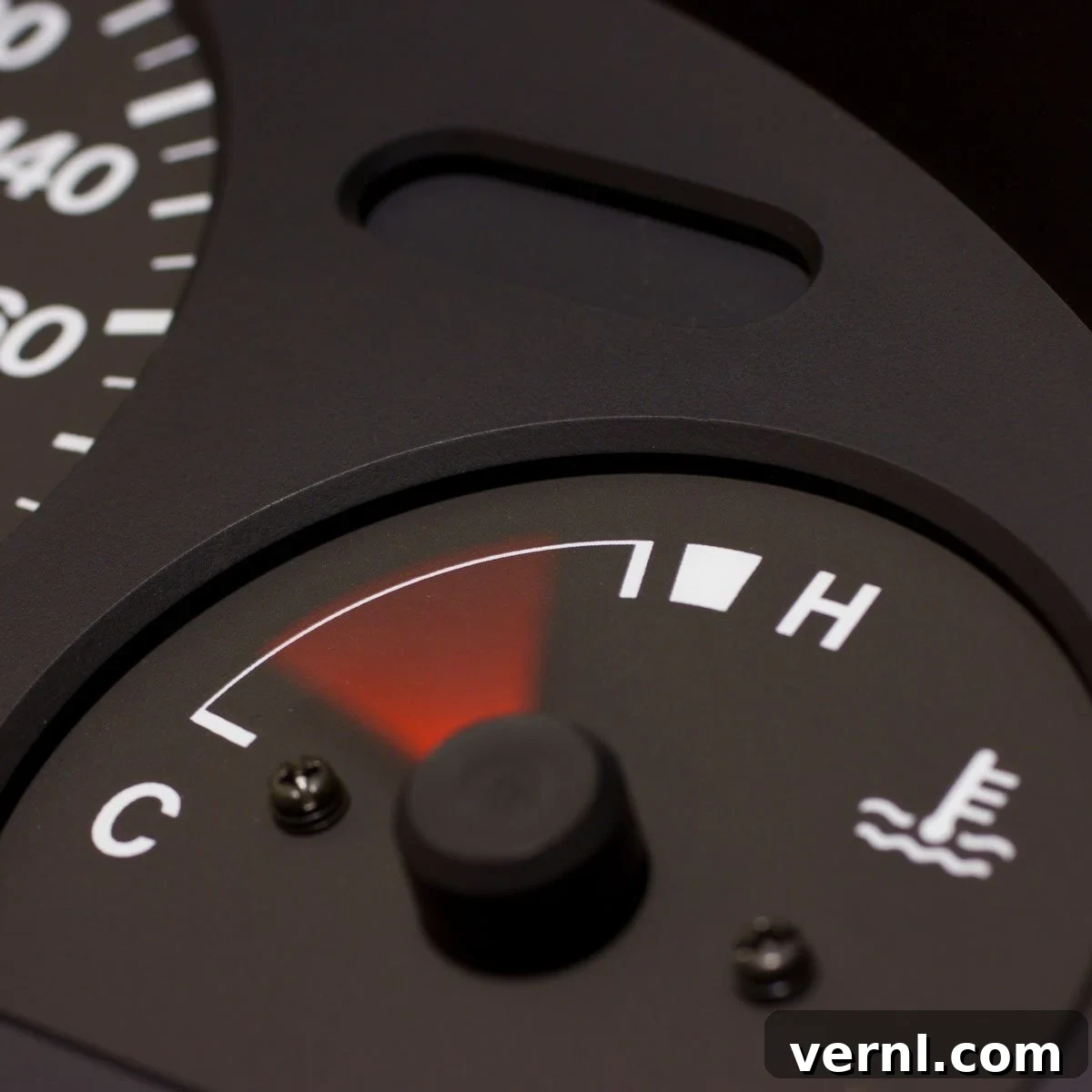
An engine overheating is more than just an inconvenience; it’s a serious mechanical issue that can lead to catastrophic engine damage if not addressed promptly. When your car’s temperature gauge creeps into the red zone or the dashboard warning light illuminates, it signals that your engine is struggling to dissipate the immense heat it generates during operation. The cooling system is meticulously designed to manage this heat, circulating coolant to absorb excess thermal energy and then releasing it to the outside air through the radiator. A malfunction anywhere within this intricate system can quickly compromise its ability to perform, causing your engine to overheat. Ignoring these warning signs can result in severe engine damage, costly repairs, and even complete engine failure. Understanding the common causes of engine overheating is the first step in prevention and timely intervention, safeguarding your vehicle’s performance and longevity.
The Role and Condition of Engine Coolant
Engine coolant, often referred to as antifreeze, is the lifeblood of your vehicle’s cooling system. This specialized fluid, typically a 50/50 blend of distilled water and concentrated antifreeze, circulates through the engine block, cylinder head, and radiator to maintain an optimal operating temperature. Beyond its primary heat transfer function, coolant contains vital additives that prevent corrosion, lubricate water pump seals, and inhibit the formation of rust and scale within the cooling passages. Over time, however, these crucial additives break down, diminishing the coolant’s protective properties. When coolant degrades, it loses its ability to effectively absorb and transfer heat, and harmful contaminants like rust, scale, and acidic byproducts begin to accumulate. This sludge and debris can clog narrow coolant passages, significantly impairing the cooling system’s efficiency. A compromised cooling system, struggling with old, contaminated coolant, cannot adequately absorb engine heat or expel it through the radiator, directly leading to engine overheating. Regular flushing and replacement of engine coolant according to your vehicle manufacturer’s recommendations is essential preventive maintenance. While a cooling system flush can be a DIY endeavor for some, many prefer the comprehensive service offered by a professional repair shop to ensure proper disposal and thorough cleaning.
Addressing Engine Coolant Leaks
One of the most frequent culprits behind an overheating engine is insufficient engine coolant, almost always caused by a leak somewhere within the system. If you find yourself consistently needing to top off your coolant reservoir, it’s a strong indicator of a leak that needs immediate attention. The cooling system is a closed loop, and any significant drop in coolant level suggests a breach. Common areas prone to developing coolant leaks include the radiator itself, the thermostat housing, the network of radiator and heater hoses, the water pump, and the coolant reservoir. Small leaks can be particularly insidious because the escaping coolant might evaporate before it ever forms a visible puddle beneath your car, making them harder to detect. However, these elusive leaks often leave tell-tale whitish or greenish stains on or around the leaking component, providing a visual clue for diagnosis. Inspecting these areas regularly, especially if you suspect a leak, can help pinpoint the problem early. While replacing a leaky coolant reservoir, along with most radiator and heater hoses and their clamps, often falls within the realm of competent DIY repairs, always consult your owner’s manual to determine the feasibility of replacing other cooling system components yourself. Promptly addressing any coolant leak is crucial, as a continuously low coolant level severely compromises the engine’s ability to regulate its temperature, making overheating an imminent threat.
Understanding Thermostat Malfunctions
The thermostat is a deceptively simple yet critically important component that acts as the primary gatekeeper for engine coolant flow. Its fundamental purpose is to regulate the engine’s operating temperature by controlling when and how much coolant circulates through the radiator. When your engine is cold, the thermostat remains closed, blocking coolant flow to the radiator and allowing the engine to warm up quickly and efficiently. Once the engine reaches its optimal operating temperature, the thermostat opens, permitting coolant to flow freely through the cooling system, shedding excess heat via the radiator. A malfunctioning thermostat can lead to overheating in several ways, but the most severe is when it fails to open. If the thermostat gets stuck in the closed position, coolant cannot circulate properly, trapping heat within the engine block. This scenario will cause your engine to overheat rapidly, even while driving at speed, because the cooling system cannot release the accumulated heat. Conversely, a thermostat stuck open can lead to the engine running too cold, which, while not causing overheating, can negatively impact fuel efficiency and emissions. For many vehicles, replacing the thermostat is a relatively straightforward DIY repair that can be done with basic tools, but it’s always wise to check your specific vehicle’s owner’s manual for guidance. If you’re unsure or uncomfortable with the procedure, a qualified mechanic can diagnose and replace it quickly and effectively.
Radiator Issues and Their Impact on Cooling
The radiator is the primary heat exchanger in your vehicle’s cooling system, designed to efficiently dissipate heat from the engine coolant into the surrounding air. Its network of fins and tubes provides a vast surface area over which air can flow, cooling the hot coolant within. However, the radiator is susceptible to several issues that can compromise its critical function and lead to an overheating engine. Internally, the accumulation of scale, rust, and corrosion – often a byproduct of neglected or contaminated coolant – can clog the narrow passages within the radiator. These blockages reduce the effective flow of coolant and diminish the radiator’s ability to transfer heat. Externally, the radiator’s cooling fins can become obstructed by road debris, leaves, insects, or dirt. This external blockage prevents adequate airflow over the fins, effectively insulating the radiator and trapping heat within the coolant. Furthermore, a defective radiator cap that cannot maintain the specified pressure within the cooling system can also cause overheating. The cap is designed to raise the boiling point of the coolant, allowing the engine to run at higher temperatures without boiling over. If the cap fails to hold pressure, the coolant will boil at a lower temperature, leading to a rapid loss of coolant through steam and, consequently, overheating. Replacing a faulty radiator cap and performing a radiator flush and refill with new, fresh coolant are often manageable DIY tasks. Additionally, using a garden hose to carefully flush dirt and debris from the radiator’s external cooling fins can significantly improve airflow and cooling efficiency.
Safety Reminder: Always ensure the engine is completely cool before attempting to remove the radiator cap to prevent serious burns from hot steam and pressurized coolant.
Malfunctioning Radiator Cooling Fan
The radiator cooling fan plays a vital role in ensuring adequate airflow through the radiator, especially when the vehicle is stationary or moving at low speeds where natural airflow is insufficient. A malfunctioning cooling fan, or fans, will invariably cause the engine to overheat, most noticeably when idling in traffic or during slow driving. Vehicles manufactured before the 1990s often utilized a fan belt-driven mechanical clutch fan. This type of fan typically freewheels when the engine is cold, allowing it to warm up faster. As the engine heats up, the fan clutch engages, forcing air over the radiator fins to disperse heat. If the clutch fan fails and remains in a freewheeling state, it won’t pull enough air through the radiator, leading to overheating. Diagnosing and repairing a mechanical clutch fan is generally best left to a professional mechanic due to the complexities involved. Newer vehicles primarily employ one or more electric cooling fans. These fans are controlled by the engine control module (ECM), which receives input from various sensors, such as the engine coolant temperature sensor and the ambient air temperature sensor. Based on this data, the ECM activates or deactivates the fan(s) to maintain optimal engine temperature. It’s important to note that electric cooling fans can sometimes turn on even when the engine is not running, particularly after the engine has been switched off following a hard drive, to continue shedding residual heat. Due to the intricate network of sensors, switches, relays, and the ECM involved in the electric cooling fan circuit, diagnosing problems with this system often requires specialized diagnostic tools and expertise, making it a task best entrusted to certified automotive technicians.
The Dangers of Faulty Gaskets
While external coolant leaks are often visible, internal coolant leaks caused by failed engine gaskets can be far more destructive and harder to diagnose without proper inspection. If you find yourself constantly adding coolant but see no puddles or external drips beneath your car, your engine may be experiencing an internal leak. A critical indicator of this is the emission of thick, white smoke from the tailpipe, often accompanied by a distinct sweet smell – the tell-tale sign of coolant burning within the combustion chambers. This typically points to a compromised head gasket, though a failed intake manifold gasket or other internal engine part could also be responsible. The head gasket forms a seal between the engine block and the cylinder head, preventing combustion gases, oil, and coolant from mixing. When this gasket fails, coolant can leak into the combustion chambers and be burned off, or it can mix with the engine oil, creating a milky sludge visible on the dipstick or under the oil filler cap. A compromised head gasket not only leads to coolant loss and overheating but can also result in a loss of compression, engine misfires, and ultimately, severe engine damage if not rectified. Replacing internal engine gaskets, especially a head gasket, is a highly complex and labor-intensive repair that requires specialized tools and significant automotive expertise. This is unequivocally not a DIY project and should always be performed by an experienced professional mechanic to ensure correct installation and prevent further damage.
Understanding Water Pump Failures
The water pump is the central component responsible for circulating coolant throughout the entire cooling system. It acts as the “heart” of the system, pushing coolant through the engine, into the radiator, and back again to continuously dissipate heat. Therefore, any issue that affects the water pump’s ability to circulate coolant will rapidly lead to an overheating engine. Common problems associated with water pump failures include leaks from the pump’s shaft seal, which can result in a significant loss of coolant. Another critical failure mode involves damaged or eroded impeller blades. The impeller is the part of the pump that spins to move the coolant. Over time, corrosion or cavitation can wear down these blades, rendering them ineffective at circulating coolant at the necessary volume and pressure. A faulty water pump can also exhibit noisy operation (whining or grinding sounds) due to worn bearings or excessive play in the pulley. If the water pump isn’t efficiently moving coolant, heat builds up in the engine, causing it to overheat. While some vehicle designs allow for the water pump to be replaced as a DIY task, many modern vehicles integrate the water pump within complex timing belt or chain systems, making its replacement a more involved and critical procedure. Always consult your owner’s manual to assess if replacing your specific vehicle’s water pump is within your skill set, or consider having a professional mechanic handle this vital repair to ensure proper installation and system integrity.
The Heater Core and Its Connection to Overheating
The heater core, often described as a small radiator located inside the vehicle’s dashboard, serves a dual purpose: it provides cabin heat during colder months and also acts as a secondary heat exchanger for the engine’s cooling system. Hot engine coolant flows through the heater core, and the cabin fan blows air over its fins to warm the passenger compartment. However, a problematic heater core can indirectly contribute to engine overheating. A plugged heater core, often caused by accumulated sediment and scale from old coolant, restricts the flow of coolant through the cooling system. This restriction can impede overall coolant circulation, leading to a rise in engine temperature. A clogged heater core will also manifest as little to no heat being produced by the cabin heater. Conversely, a leaking heater core is another common issue, often signaled by a sweet smell inside the cabin, fogging windows, or even visible coolant dripping onto the passenger floorboard. While a leaking heater core might seem like a minor comfort issue, it still results in a loss of engine coolant, which can contribute to engine overheating if not addressed.
While you might attempt to flush a clogged heater core with a garden hose, or temporarily bypass a leaking heater core for immediate relief (which means you’ll lose cabin heat), these are temporary fixes. A bypassed heater core cannot assist in drawing heat from an overheating engine, which can exacerbate cooling problems. Replacing a heater core is typically an expensive and labor-intensive repair, as it often requires significant disassembly of the dashboard. Due to its complexity and the importance of its function, installing a new heater core should almost always be performed by a professional technician to ensure proper sealing and system functionality.
Adhering to your vehicle manufacturer’s preventive maintenance schedule is paramount for extending the life of your car’s cooling system and preventing costly breakdowns. Regular checks of coolant levels, timely flushes, and addressing any unusual symptoms can save you significant time and money. While some minor overheating causes can be addressed with straightforward DIY repairs, many critical components, such as head gaskets, complex water pumps, or electric cooling fan systems, require professional expertise. Understanding the signs and causes of engine overheating empowers you to make informed decisions, whether it’s a simple fix or a more complicated, professional repair, ensuring your vehicle remains reliable and performs safely on the road.