The Ultimate Guide to Plastic Bag Recycling: A Simple Solution to a Big Problem
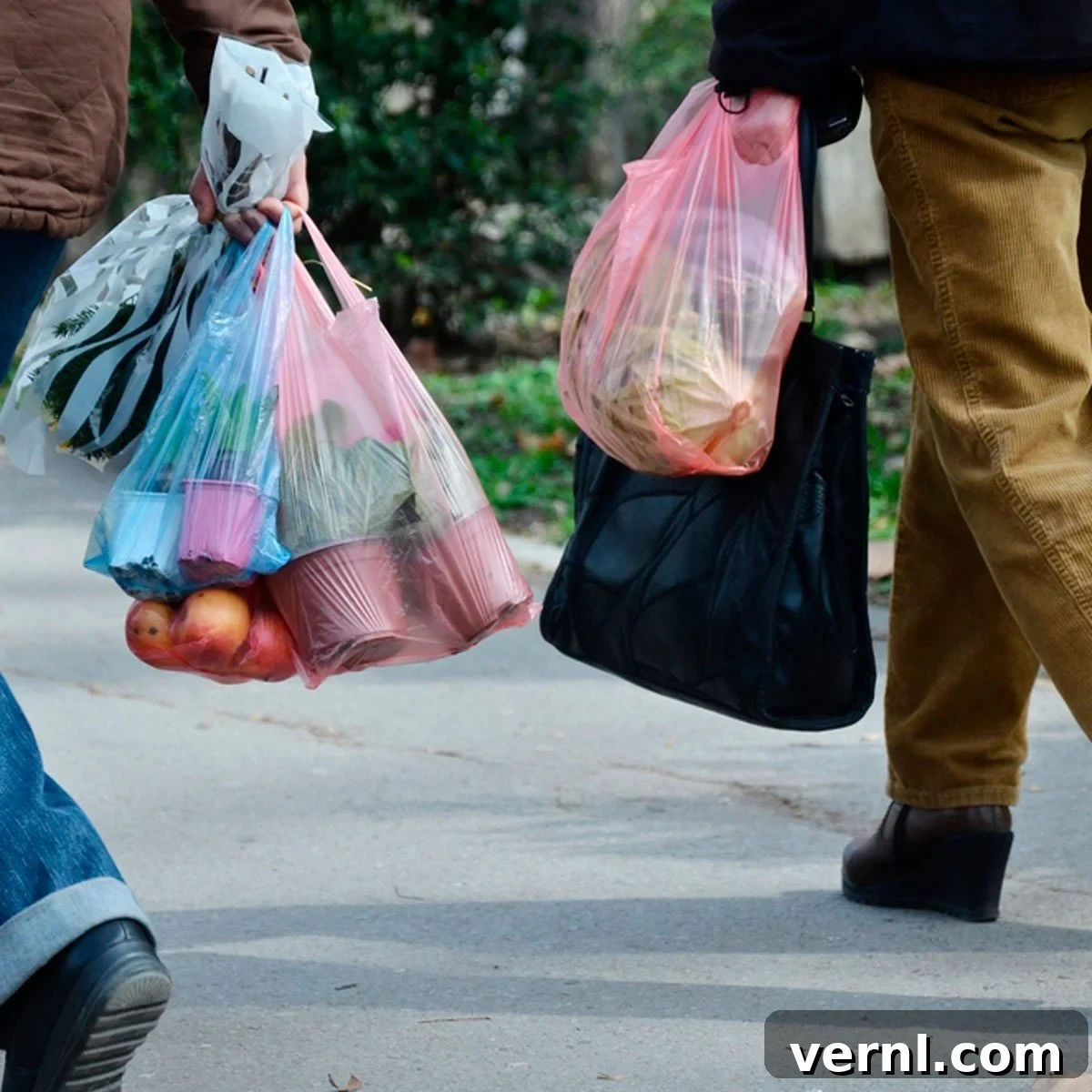
In our modern, fast-paced world, convenience often brings hidden environmental costs. Few items illustrate this better than the single-use plastic bag. Despite our best intentions to always carry reusable shopping bags, an unexpected trip to the grocery store or a spontaneous purchase can quickly leave us with an armful of flimsy plastic film. While the act of tossing these bags into the garbage might seem insignificant, the reality is far more dire. Plastic bags are not biodegradable; they can persist in our environment for hundreds, even thousands, of years, slowly breaking down into insidious microplastics that contaminate our ecosystems and food chains. This article aims to be your comprehensive resource for plastic bag recycling, offering practical steps and vital insights to empower you to make a tangible, positive difference.
Understanding the Environmental Challenge of Plastic Film Waste
Before delving into the practicalities of recycling, it’s crucial to grasp why plastic bags pose such a significant environmental threat. Composed primarily of high-density polyethylene (HDPE) or low-density polyethylene (LDPE), these plastics are engineered for durability, a quality that unfortunately makes them exceptionally resistant to natural decomposition. When plastic bags end up in landfills, they occupy vast amounts of space and can release harmful chemicals into the soil and groundwater over centuries. More alarmingly, plastic bags that escape into the natural environment become a grave danger to wildlife. Animals can become entangled in them or mistake them for food, leading to severe injury, suffocation, or starvation. The staggering global consumption of plastic bags, estimated in the trillions annually, underscores the urgency of addressing this crisis. Furthermore, traditional curbside recycling programs, while effective for rigid plastics, typically cannot process plastic bags and films because they jam sorting machinery, causing costly breakdowns and contamination of other recyclable materials. This inherent incompatibility highlights the critical need for specialized recycling solutions.
Your Most Convenient Option: Retail Store Drop-Off Recycling for Plastic Bags
The most accessible and effective method for recycling plastic bags and films is through dedicated retail store drop-off programs. Recognizing the environmental imperative, many major retailers across the United States have established convenient collection bins on-site. These programs are specifically designed to handle the unique properties of flexible plastics that most curbside services cannot. You’ll commonly find these specialized collection points at a wide range of establishments:
- National Grocery Retailers: Large chains such as Target, Walmart, Whole Foods, Kroger, Publix, and Safeway are frequent participants.
- Department Stores: Retailers like JCPenney and Kohl’s often provide collection bins.
- Home Improvement Stores: Home Depot and Lowe’s are also widely involved in these crucial initiatives.
- Other Retailers: Many pharmacies and general merchandise stores also offer this invaluable service, making recycling more convenient for shoppers.
To effortlessly locate the drop-off options nearest to you, an excellent online resource is available. You can simply enter your zip code here to access a comprehensive list of participating locations in your immediate area. While most of these stores readily accept clean, dry plastic films, it is always a prudent practice to quickly verify their specific policy, as some locations may have slight variations in their accepted materials. Confirming if plastic bags are recyclable in your specific area through these dedicated programs is the essential first step toward responsible disposal and environmental stewardship.
Beyond Shopping Bags: Expanding Your Plastic Film Recycling Horizons
While grocery and produce bags are the most obvious candidates for recycling, many households accumulate a surprising volume of other flexible plastic packaging that can also be recycled through the same convenient store drop-off programs. It’s important to understand that plastic film recycling extends far beyond just the bags you receive at the checkout; it encompasses a broader array of plastic films that are often mistakenly overlooked or discarded. A key indicator to look for on packaging is the How2Recycle Store Drop-Off label. This clear label serves as an authoritative signal that the item is specifically accepted at these designated collection points.
Here’s a more comprehensive list of common flexible plastics that are widely accepted at store drop-off locations:
- Grocery and Produce Bags: The classic culprits, these everyday bags are consistently welcome.
- Bread Bags: Ensure they are clean and free of crumbs.
- Dry Cleaning Bags: Always remove all hangers before recycling.
- Plastic Wraps: This category includes many types of stretchy cling film and overwrap used for products like paper towels, bathroom tissue, and beverage multi-packs. Look for plastics that stretch rather than tear easily.
- Plastic Mailers and Shipping Envelopes: If they are entirely made of stretchy plastic (without bubble wrap, paper lining, or excessive labels), they can often be recycled.
- Cereal Bags: The inner liner found within cereal boxes is typically a recyclable plastic film.
- Newspaper Bags: The clear protective bags used for home-delivered newspapers.
- Zipper Sandwich Bags and Other Storage Bags: Ziploc-style bags and similar food storage bags are accepted, provided they are clean and dry.
- Product Overwrap: The stretchy plastic film commonly found wrapped around multi-packs of items such as water bottles, soda cans, and various household goods.
- Pellet and Pet Food Bags: Many of these larger bags are made from recyclable film, but it is always best to check for the How2Recycle label to be certain.
A simple general rule to remember is: “If it stretches, it can usually be recycled at a store drop-off.” Items that rip like paper (e.g., chip bags, frozen food bags) or are crinkly and do not stretch (e.g., cellophane, some candy wrappers) are generally not accepted in these programs due to their different material compositions or multi-layer structures.
The Crucial Step: Ensuring Cleanliness and Proper Preparation for Recycling
There is one paramount step in plastic bag and film recycling that cannot be overemphasized: guaranteeing that what you drop off is meticulously clean and completely dry. The ultimate success of the recycling process, and indeed the quality and market value of the resulting recycled material, are heavily dependent on this critical preparation. Contaminated plastic films can render an entire batch unusable, meaning that despite all your good intentions, your efforts might be wasted if the bags are not properly prepped. Proper preparation ensures that the recycled plastic can be effectively processed and transformed into valuable new products.
Here’s a detailed breakdown of what “clean and dry” truly entails:
- Remove All Debris: This includes every foreign object, no matter how small. Make sure to remove receipts, paper labels, gum, produce leaves, food crumbs, twist ties, elastic bands, and any other non-plastic items. Even tiny pieces of paper or food residue can contaminate the plastic during the melting and reprocessing stages, degrading the quality of the final product.
- No Liquids or Moisture: It is imperative that all bags and films are thoroughly dry. Any moisture can severely interfere with the recycling machinery, causing operational issues, and significantly degrade the quality and integrity of the plastic during reprocessing. If a bag contained anything wet, such as produce or a damp item, let it air dry completely before placing it in your collection bin for recycling.
- Empty Bags: Ensure there is absolutely nothing left inside the bags. Double-check for forgotten fruit stickers, stray crumbs, or any other remnants that might have been overlooked.
- Labels (Plastic-Based): If a label is made of plastic and is firmly adhered to the plastic film, it is generally acceptable. However, paper-based labels should be removed whenever feasible to prevent contamination.
By investing a small amount of extra time to properly prepare your plastic bags and films, you are directly ensuring that they can be successfully transformed into new products, effectively closing the loop on their lifecycle and maximizing their potential value. Your diligence in this step directly contributes to a more efficient and effective recycling system. Happy recycling!
The Journey of Recycled Plastic Film: From Bin to New Product
Once you’ve diligently dropped off your clean, dry plastic bags and films at a retail store collection point, what happens next? This fascinating journey from discarded waste to valuable resource is a testament to the power of recycling. First, the collected films are periodically picked up by specialized recycling companies. These companies transport the material to advanced sorting facilities where they undergo further rigorous inspection to remove any lingering contaminants and ensure the consistency and purity of the plastic type. This meticulous sorting process is vital for producing high-quality recycled material.
After sorting, the plastic films are typically compressed and baled into large, compact blocks. These dense bales are then shipped to specialized reprocessing plants. Here, the plastic is first shredded into smaller flakes, then thoroughly washed to remove any remaining impurities, and subsequently melted down at precise high temperatures. The molten plastic is then extruded into thin strands, which are cooled and precisely cut into small, uniform pellets. These recycled plastic pellets, often referred to as “nurdles,” become the valuable raw material for manufacturing a diverse array of new products. Have you ever wondered what exactly happens once you toss that plastic bottle into a recycling bin? You can explore the life cycle of recycled plastic; the intricate process for films shares many fundamental similarities and principles.
The versatility of recycled plastic film is truly remarkable and contributes significantly to a circular economy. These recycled pellets can be transformed into a wide range of useful items, including:
- Composite Lumber: A highly durable and popular material used for outdoor decking, fences, garden beds, and playground equipment, known for its resistance to rot and insects.
- New Plastic Bags: In a prime example of circularity, a portion of recycled film is often used to manufacture new plastic shopping bags, frequently containing a higher percentage of post-consumer recycled content.
- Outdoor Furniture: Benches, picnic tables, and other outdoor furnishings greatly benefit from the weather-resistant and long-lasting properties of recycled plastic.
- Pipes and Drainage Tiles: Used extensively in various construction and agricultural applications.
- Automotive Parts: Certain components for cars and trucks are increasingly incorporating recycled plastics, contributing to more sustainable vehicle manufacturing.
- Containers: Various non-food containers and bins can also be produced from recycled plastic film.
This entire process not only dramatically diverts vast quantities of plastic waste from already overflowing landfills but also significantly reduces the demand for virgin plastic production, thereby conserving precious natural resources like crude oil and natural gas.
The Broader Environmental Benefits of Your Recycling Efforts
Each time you conscientiously participate in plastic bag and film recycling, you contribute to a larger, profoundly positive impact on our planet. Your individual actions, when combined with those of others, yield substantial and far-reaching environmental benefits:
- Reduced Landfill Waste: Diverting plastic bags from landfills saves invaluable space and prevents them from polluting our soil and water systems for centuries, preserving precious natural landscapes.
- Conservation of Natural Resources: The production of new plastics demands significant amounts of fossil fuels (oil and natural gas). By recycling, we significantly lessen the need to extract and process these finite and non-renewable resources.
- Lower Energy Consumption: Manufacturing products from recycled plastic typically requires substantially less energy than producing them from virgin materials. This reduction in energy use translates directly to a smaller carbon footprint and greater energy efficiency.
- Reduced Greenhouse Gas Emissions: Less energy consumption inherently leads to fewer greenhouse gas emissions, which are major contributors to climate change and global warming, fostering cleaner air.
- Protection of Wildlife and Ecosystems: Fewer plastic bags in circulation dramatically reduce the risk of harm to marine life and terrestrial animals that can tragically become entangled in or ingest plastic debris, preserving biodiversity.
- Support for the Circular Economy: Recycling actively keeps materials in use for longer periods, minimizing waste and maximizing resource efficiency. It represents a vital shift away from a linear “take-make-dispose” model towards a more sustainable and regenerative “reduce-reuse-recycle” approach.
Embracing a More Sustainable Future Through Conscious Choices
While diligently recycling plastic bags and films is an incredibly important and impactful step, it is also an integral part of a broader commitment to sustainable living. The ideal scenario, and our ultimate goal, should always be to reduce our initial reliance on single-use plastics whenever possible. Always remember the fundamental “Reduce, Reuse, Recycle” hierarchy, prioritizing recycling as the last resort after actively working to reduce consumption and reusing items as much as humanly possible. Make it a consistent habit to carry sturdy reusable shopping bags, consciously opt for products with minimal or no plastic packaging, and thoughtfully choose durable, long-lasting alternatives over disposable ones.
However, for those unavoidable instances when plastic films do inevitably enter our lives, knowing precisely how and where to recycle them responsibly is paramount. By actively taking advantage of convenient store drop-off programs and meticulously ensuring your plastics are clean and dry, you are directly and actively participating in a vital solution to one of the most pressing environmental challenges of our contemporary world. Your small, consistent, and conscientious efforts, when multiplied across communities, accumulate to a profound collective impact, contributing significantly to healthier ecosystems, conserving precious finite resources, and actively fostering a more sustainable and resilient future for generations to come. Your actions matter.
Happy recycling, and thank you for being an essential part of the solution!