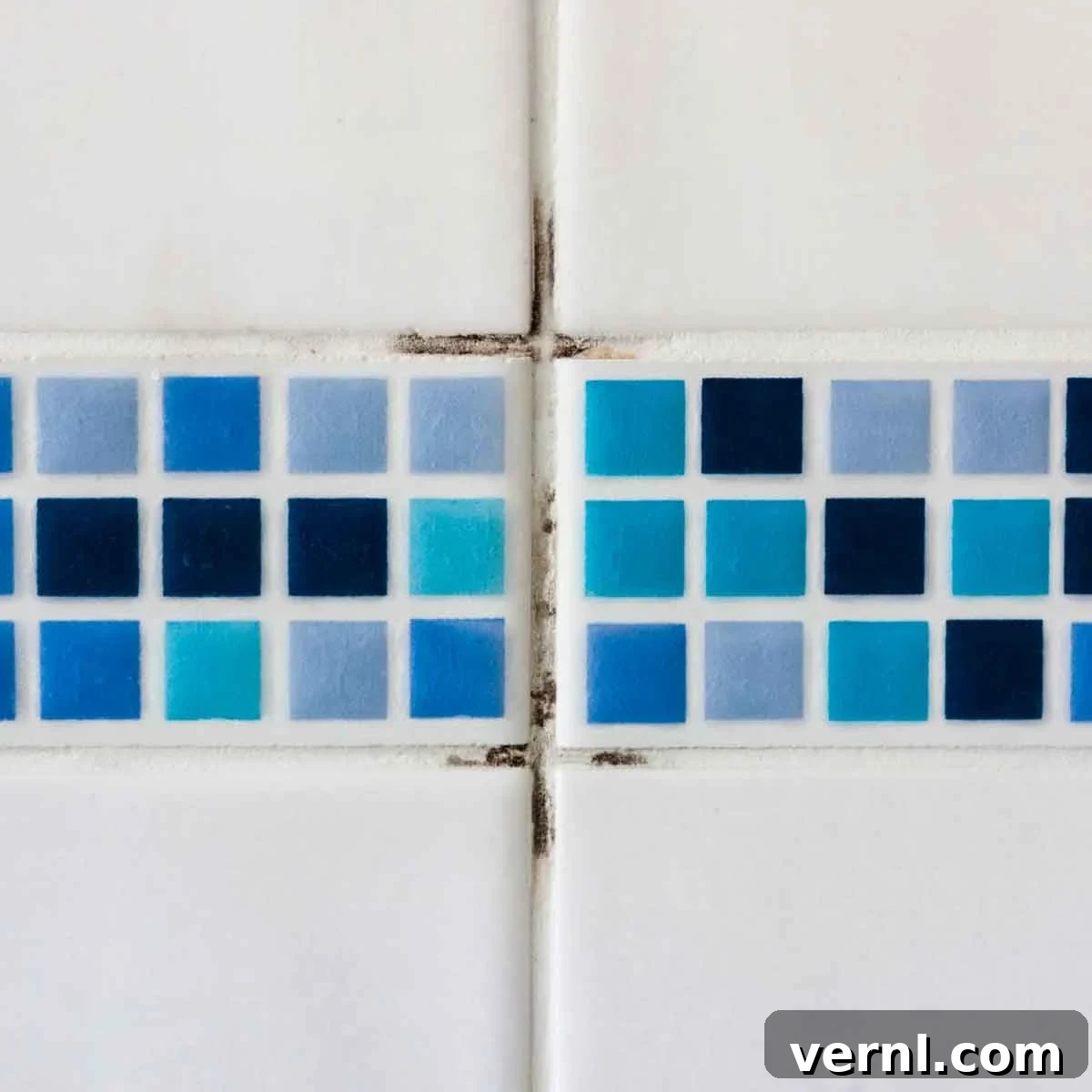
Are you searching for an affordable, natural, and highly effective solution to tackle stubborn household mold? Look no further than ordinary white distilled vinegar. Recognized as one of the most potent natural mold killers available, vinegar offers a compelling alternative to harsh chemical cleaners. Its mild acidity is scientifically proven to kill approximately 82% of known mold species, playing a crucial role not only in eradicating existing mold but also in preventing future outbreaks. This makes it an excellent choice for addressing small areas of mold growth on hard, non-porous surfaces commonly found in bathrooms, kitchens, and basements.
While vinegar stands out as a powerful cleaning agent for mold, it’s essential to understand its limitations. You can effectively clean minor mold patches with vinegar yourself, but for larger infestations, professional intervention is recommended. The Environmental Protection Agency (EPA) advises contacting mold remediation specialists if the moldy area spans 10 square feet or more. This guide will delve into the specifics of how and when to leverage vinegar for mold cleaning and killing, incorporating valuable insights from industry experts like Michael Sacenti of American Healthy Homes and William Carroll from Indiana University.
Why Vinegar Outperforms Bleach for Killing Mold
When it comes to the efficacy of mold eradication, vinegar consistently proves to be superior to bleach. This might come as a surprise to many who have traditionally turned to bleach for its seemingly powerful sanitizing properties, but the science behind mold growth and removal tells a different story.
The EPA explicitly discourages the use of bleach for killing or removing mold, except under very specific circumstances. Michael Sacenti echoes this sentiment, stating unequivocally, “Do not use bleach to clean up mold.” His caution stems from a critical flaw in bleach: its high water content. Most household bleach solutions comprise up to 80 percent water, which, paradoxically, can supply the moisture mold needs to not only survive but also to thrive and develop further.
ServiceMaster further elaborates on bleach’s limitations, explaining that it is only effective at killing surface mold. This superficial treatment means that while the visible mold may disappear temporarily, the underlying mold membranes and spores remain intact. Consequently, the mold is likely to grow back, often stronger and more resistant. When bleach is applied to porous materials like drywall, wood, or grout, the mold’s root-like structures (hyphae) respond by retreating deeper into the material, seeking refuge from the chemical and allowing it to reappear later.
Vinegar, on the other hand, is significantly more effective at penetrating and killing mold at its source. A primary reason for this superior performance is vinegar’s inherent acidity. As William Carroll explains, “A five percent vinegar solution is fairly acidic with a pH of 2.5 to 3.5 depending on type.” This highly acidic environment is inhospitable to most live mold spores, effectively denaturing their cellular structure and preventing their growth. Moreover, vinegar does not contain the high percentage of water that bleach does, thereby eliminating one of bleach’s major drawbacks and ensuring that you’re not inadvertently feeding the mold you’re trying to eliminate. Its ability to penetrate porous surfaces better than bleach means it can reach and kill mold beneath the surface, offering a more thorough and lasting solution.
Choosing the Right Vinegar for Mold Remediation
Before you start your mold cleaning mission, ensure you pick the correct type of vinegar. While various vinegars line grocery shelves, not all are suitable for mold removal. For this task, save your apple cider vinegar for salad dressings and culinary uses.
The optimal choice for cleaning and killing mold is regular **white distilled vinegar**. This common household staple typically contains five percent acetic acid, which is the active ingredient responsible for its mold-killing power. For an even more potent solution, you can opt for “cleaning vinegar,” which boasts a slightly higher six percent acidity. As Carroll notes, “the stronger solution is more toxic to mold,” providing a marginal but potentially beneficial boost in effectiveness, especially for more persistent mold strains. Both five and six percent solutions are highly effective, and there’s no need to splurge on name brands; generic white distilled vinegar works just as well. Cleaning vinegar is readily available online, at many home improvement stores, discount retailers, and even most grocery stores, making it an accessible and economical choice for your cleaning arsenal.
Essential Safety Precautions Before You Begin
While vinegar is a natural and less toxic alternative to chemical cleaners, it’s crucial to prioritize your safety during mold removal. Mold spores can become airborne during cleaning, and direct contact with mold or vinegar can cause irritation. Therefore, before you commence any mold cleaning, gather and wear the appropriate personal protective equipment (PPE):
- Gloves: Protect your hands from direct contact with mold and prevent any potential skin irritation from the vinegar.
- Mask or Respirator: An N95 mask or a more robust respirator is essential to prevent inhaling mold spores, which can trigger allergies, asthma attacks, or other respiratory issues.
- Goggles or Eye Protection: Protect your eyes from splashes of vinegar and airborne mold spores.
- Good Ventilation: Open windows and doors to ensure adequate airflow in the area you are cleaning. This helps disperse mold spores and the vinegar smell. If possible, use fans to direct air outside.
- Protective Clothing: Consider wearing old clothes that you can wash immediately after cleaning, or disposable coveralls, to prevent carrying mold spores to other areas of your home.
By taking these simple precautions, you can significantly reduce the risks associated with DIY mold removal and ensure a safer cleaning experience.
How Long Does It Take for Vinegar to Kill Mold?
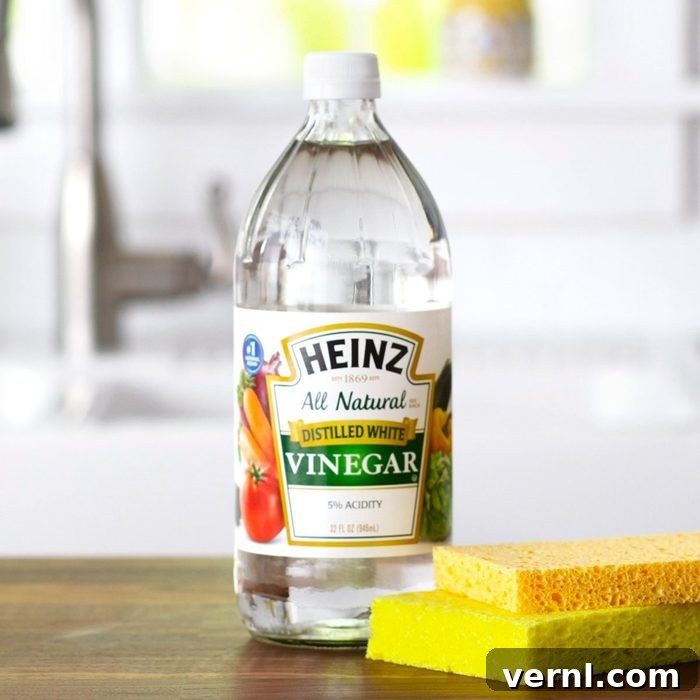
The effectiveness of vinegar in killing mold depends on sufficient contact time. To allow the acetic acid to penetrate the mold’s cellular structure and fully eliminate the spores and hyphae, it’s crucial to let the vinegar sit on the affected area for an adequate period. Depending on the density and amount of mold present, you should allow the full-strength vinegar to remain on the mold for at least **60 minutes** before attempting to wipe or scrub it away. For more stubborn or deep-seated mold, extending this duration to a few hours, or even overnight, can enhance its efficacy. This waiting period is vital for the vinegar to fully exert its fungicidal properties.
Step-by-Step Guide: Using Vinegar to Clean and Kill Mold
For safely and effectively cleaning small areas of mold on hard surfaces, ServiceMaster advises the following procedure. This method maximizes vinegar’s effectiveness while minimizing potential risks:
- Prepare the Area: Ensure you are wearing all your personal protective equipment (gloves, mask, goggles) and that the area is well-ventilated. Clear any items from around the moldy spot to give yourself ample space to work.
- Apply Full-Strength Vinegar: Pour undiluted white distilled vinegar (5% or 6% acidity) directly into a clean spray bottle. Do not dilute the vinegar with water, as this will reduce its potency. Generously spray the vinegar directly onto the moldy surface, ensuring the entire affected area is thoroughly saturated. You want the mold to be visibly wet with vinegar.
- Allow for Penetration Time: After applying the vinegar, resist the urge to wipe it off immediately. Let the vinegar sit and work its magic for at least one hour. This allows the acetic acid sufficient time to penetrate the mold spores and hyphae, effectively killing them at the root level. For more persistent mold, you may extend this waiting period.
- Initial Wipe-Down: After the hour, use a disposable cloth or paper towel to wipe away the visible mold. For lighter mold growth, this might be sufficient. Dispose of the cloth immediately in a sealed bag to prevent the spread of spores.
- Address Stubborn Residue with Baking Soda (If Needed): If you find stubborn mold stains or residue remains after the initial wipe-down, prepare a gentle abrasive paste. In a separate spray bottle, combine one teaspoon of baking soda with two cups of water. Shake well to dissolve the baking soda. Spray this solution onto the remaining mold stains.
- Scrub Away Remaining Mold: Using a stiff brush (such as a scrub brush or an old toothbrush for grout lines) or a scouring pad, gently scrub the area where you applied the baking soda solution. The mild abrasive action of the baking soda, combined with the earlier vinegar treatment, will help lift and remove any lingering mold stains.
- Rinse and Re-Treat: Rinse the cleaned surface with warm water to remove the baking soda residue. Then, spray the area once more with full-strength vinegar and allow it to air dry completely. Do not rinse this final layer of vinegar. Leaving a thin film of vinegar on the surface can help prevent future mold growth, as its acidic properties create an inhospitable environment for spores.
- Ensure Complete Drying: Good ventilation is key to ensuring the surface dries completely. You can use a fan or dehumidifier to speed up the process, especially in humid environments. Any lingering moisture can contribute to mold regrowth.
Always remember to dispose of any mold-contaminated materials, like cloths or sponges, in a sealed bag to prevent cross-contamination.
Surfaces Where Vinegar Should NOT Be Used for Mold Removal
While vinegar is an excellent, natural solution for many mold problems, its acidic nature means it can cause damage to certain delicate or porous surfaces. To avoid etching, discoloration, or other harm, we strongly advise against using vinegar to kill mold on the following materials:
- Natural Stone: Surfaces like marble, granite, travertine, and limestone are highly susceptible to acid. Vinegar can etch the surface, dulling its shine and potentially causing permanent damage. For mold on natural stone, use a mild, pH-neutral cleaner specifically designed for stone, or a hydrogen peroxide solution diluted with water.
- Waxed Wood: Vinegar can strip away the protective wax coating from wooden surfaces, leaving them vulnerable to moisture damage and dulling their finish. Instead, use a wood-specific cleaner or very mild soap and water, followed by immediate drying and re-waxing if necessary.
- Cast Iron: The acidity of vinegar can react with cast iron, potentially leading to rust and corrosion, especially if left to sit for an extended period. For cast iron, warm water and a brush are usually sufficient, followed by thorough drying and re-seasoning.
- Aluminum: Aluminum can react with acidic substances like vinegar, leading to pitting, discoloration, and corrosion over time. For aluminum, a mild soap and water solution is a safer bet.
- Unsealed Grout: While vinegar is often recommended for grout, if your grout is unsealed or very old, its porous nature might absorb the vinegar and lead to degradation over time, especially with repeated use. Always test in an inconspicuous area.
Always perform a patch test on an inconspicuous area before applying vinegar (or any cleaning solution) to a new surface to ensure it does not cause discoloration or damage.
Preventing Future Mold Growth: A Proactive Approach
Killing existing mold is only half the battle; preventing its return is equally crucial. Mold thrives in damp, humid environments, so controlling moisture is paramount. Implement these strategies to keep your home mold-free:
- Control Humidity: Aim for indoor humidity levels between 30% and 50%. Use dehumidifiers in damp areas like basements and crawl spaces, especially during humid seasons.
- Ensure Adequate Ventilation: Use exhaust fans in bathrooms during showers and baths, and in the kitchen while cooking. Open windows when weather permits to allow fresh air circulation. Consider installing vents in enclosed areas like closets.
- Fix Leaks Promptly: Even small drips can lead to significant mold growth. Repair leaky roofs, plumbing, or appliance hoses immediately. Dry any wet areas within 24-48 hours to prevent mold from taking hold.
- Clean Regularly: Incorporate mold-prone areas into your regular cleaning routine. Wipe down shower walls, tubs, and sinks after use. Regularly clean and dry surfaces in the kitchen and bathroom.
- Proper Drainage: Ensure your home’s exterior drainage directs water away from the foundation. Keep gutters clean and functioning properly.
- Avoid Carpet in Damp Areas: Carpeting can trap moisture and is not recommended for basements, bathrooms, or other areas prone to dampness.
- Improve Airflow: Arrange furniture to allow air circulation around exterior walls and avoid overcrowding closets, which can trap moisture.
By adopting these proactive measures, you can create an environment that is far less hospitable to mold, significantly reducing the chances of recurrence.
Frequently Asked Questions About Mold and Vinegar
What other cleaning solutions can I use to kill mold?
Beyond vinegar, hydrogen peroxide is another highly effective and natural option for killing mold. It works similarly to bleach by oxidizing the mold, but without the toxic fumes or residue. For severe or persistent mold issues, there are also specially-formulated mold cleaning products available on the market. These commercial solutions often contain potent fungicides or anti-fungal chemicals designed for tougher mold strains, such as Mold Armor Mold Remover and Disinfectant Cleaner. Always read the label and follow safety instructions when using commercial products.
Should I call an expert if I spot mold in my home?
Yes, it’s highly advisable to consult a professional mold remediation expert in several situations. You should definitely call an expert if you or family members experience mold allergies, have existing asthma, or possess a weakened immune system, as exposure to mold can exacerbate these conditions. Furthermore, if the moldy area requiring cleanup is larger than 10 square feet (roughly the size of a standard bath towel), it’s generally recommended not to attempt cleaning it yourself. Large infestations often indicate a deeper moisture problem that requires professional assessment and specialized equipment. Professionals can identify the source of moisture, safely contain the mold, and ensure complete removal to prevent regrowth.
How do professionals clean and kill mold?
Professional mold remediation companies employ a range of advanced techniques and commercial-grade products to effectively clean and kill mold. Michael Sacenti’s company, for instance, utilizes an extremely powerful commercial-grade hydrogen peroxide solution. He emphasizes its efficacy, stating, “This is the best at not only killing mold but any other organics they have settled in the space that’s being cleaned.” Beyond hydrogen peroxide, many professionals use commercial-grade anti-fungal cleaners and specialized equipment like HEPA vacuums, air scrubbers, and dehumidifiers to thoroughly remove mold spores, dry out affected areas, and prevent future growth. They also focus on containing the work area to prevent cross-contamination to other parts of your home.
Does vinegar smell linger after mold removal?
The distinct smell of vinegar can linger for a few hours, or even a day, after cleaning. However, unlike bleach fumes which can be harsh and potentially harmful, the vinegar smell is generally considered safe and dissipates quickly with good ventilation. Opening windows, using fans, and ensuring proper airflow in the cleaned area will help the smell fade faster.
Can I dilute vinegar for mold cleaning?
For effective mold killing, it is strongly recommended to use full-strength (undiluted) white distilled vinegar. Diluting vinegar with water will weaken its acetic acid concentration, significantly reducing its ability to kill mold spores and hyphae. The goal is to maximize the acidic environment to destroy the mold, so full strength is key.
Is vinegar safe for pets and children?
Vinegar is generally considered safe for households with pets and children compared to harsh chemical cleaners. However, it’s still an acid and can cause irritation if ingested or if it comes into contact with eyes or sensitive skin. Always keep children and pets away from the cleaning area during and immediately after application until the surface is completely dry and the smell has dissipated. Ensure proper ventilation to minimize any lingering odor or airborne particles.
About the Experts
- Michael Sacenti owns American Healthy Homes. He brings 10 years of invaluable experience in the mold remediation industry, complemented by 40 years of expertise in real estate maintenance, offering a comprehensive understanding of healthy home environments.
- Bill Carroll, Ph.D., is an adjunct professor of chemistry at Indiana University. Formerly the vice president of industry issues for Occidental Chemical Corporation, he currently serves as the principal of Carroll Applied Science in Dallas, Texas, providing deep scientific insights into chemical applications.
By understanding the power of vinegar and implementing these guidelines, you can confidently tackle minor mold issues in your home, creating a healthier and safer living environment. Remember to always prioritize safety and know when to call in the professionals for more extensive mold remediation.