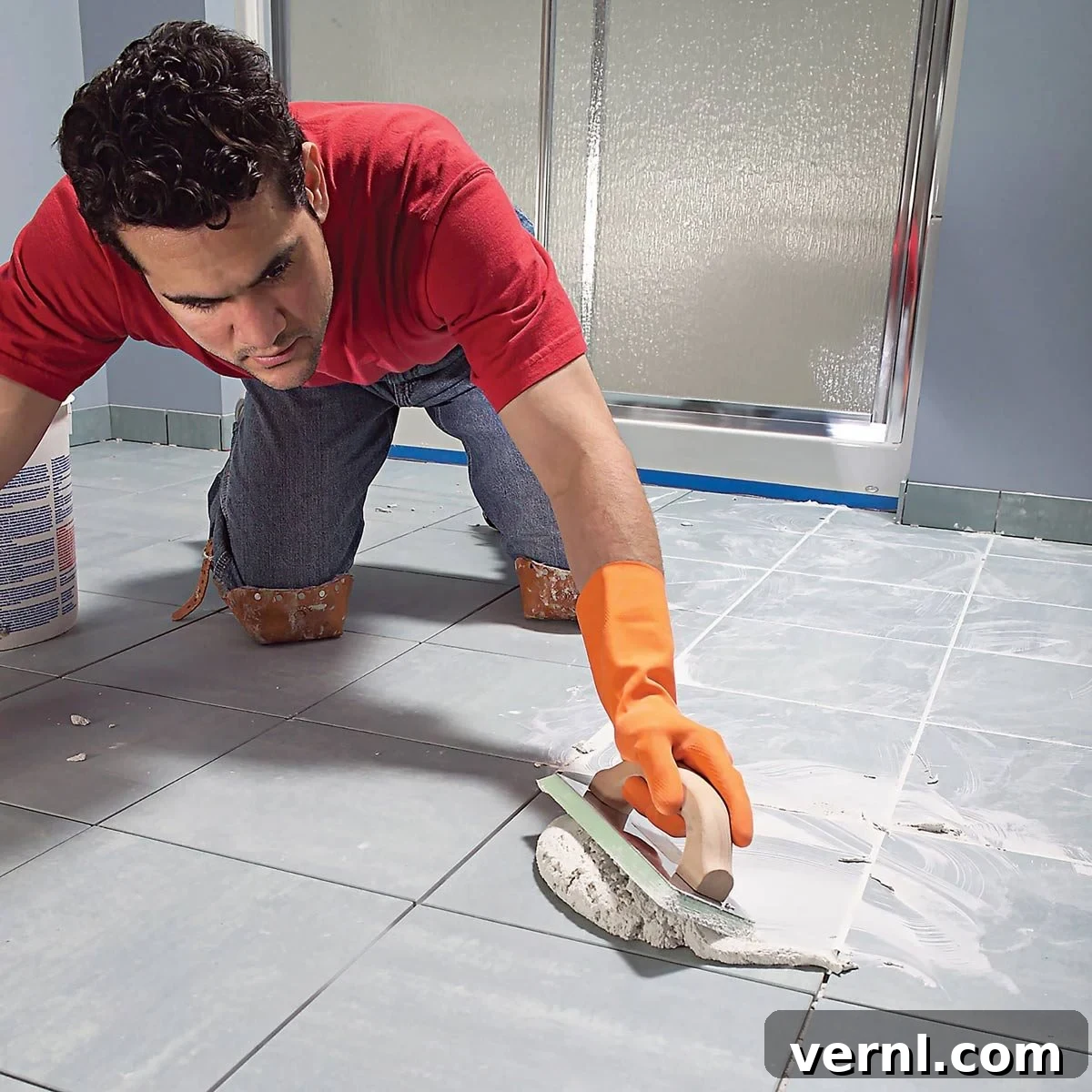
Tile installations, whether in a kitchen, bathroom, or outdoor patio, are significant investments designed to last for years, even decades. While the tiles themselves are incredibly durable, the integrity and appearance of the entire surface heavily rely on one crucial, often overlooked component: grout. Grout is more than just a filler; it’s a protective barrier, an aesthetic enhancer, and a key factor in the longevity of your tiled areas. Unfortunately, it’s also the most common point of failure. Over time, standard grout can fall victim to a host of problems: it stains easily, discolors, cracks under stress, or erodes due to cleaning chemicals and wear. In severe cases, compromised grout allows moisture to seep into the subfloor or walls, leading to much larger, more expensive issues like mold growth, structural damage, and costly repairs. This makes your choice of grout at least as important as your tile selection, if not more so, for the ultimate success and durability of your project.
Navigating the vast array of grout options available at home improvement centers and specialized flooring suppliers can be daunting. Manufacturers offer various formulations, each promising different benefits, which can make choosing the right product feel like a guessing game. Fortunately, our seasoned tile expert, Dean Sorem, has spent decades in the field, testing countless products and developing clear, practical recommendations based on extensive hands-on experience. Dean’s insights cut through the marketing jargon, guiding DIY enthusiasts and professionals alike toward the best choices. He emphasizes not just ease of use but, critically, long-term performance and protection. Here’s a comprehensive look at the types of grout you’ll encounter and Dean’s expert advice on making the optimal selection for your next tiling project.
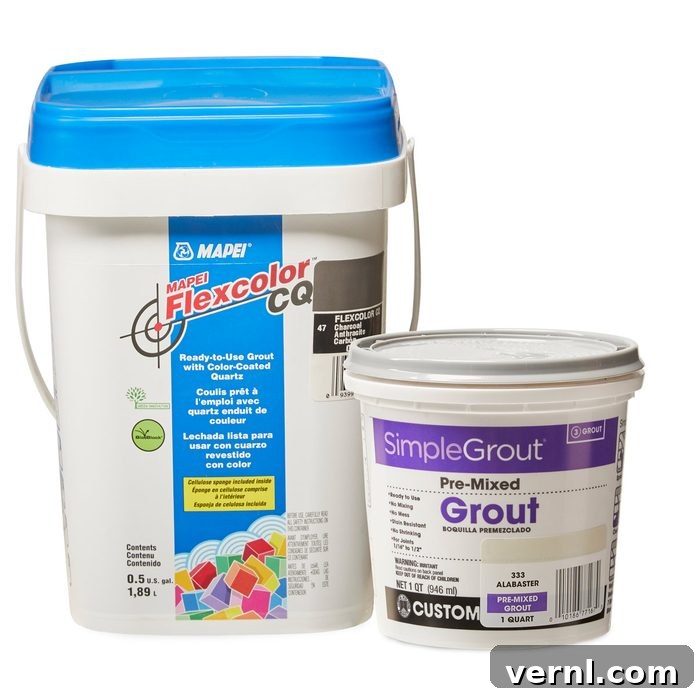
Ready-to-Use Grout: Convenience with Caveats
Ready-to-use grouts, often referred to as pre-mixed grouts, promise ultimate convenience by eliminating the need for messy mixing. These formulas come pre-blended in a tub, ready to be applied straight out of the container, making them appealing to both novice and experienced DIYers looking to save time and effort. Many modern formulations within this category offer impressive performance, boasting excellent durability, enhanced stain resistance, and often a degree of flexibility that helps prevent cracking. This convenience can be particularly attractive for smaller projects or for those who prefer to avoid the dust and precision required with powdered cement-based grouts.
However, Dean Sorem warns that these products come with their own set of challenges that users must be aware of. While the “ready-to-use” aspect is a significant draw, their application can be trickier than anticipated. A primary concern is their working time: some formulations harden incredibly fast, requiring users to work very quickly and methodically. If the grout cures on the tile surface before it can be properly wiped off, removing the residue can become an arduous, time-consuming task. This fast-setting nature means you must have all your tools — sponges, water buckets, and cloths — prepared and organized before you even open the tub. Furthermore, Dean has observed that certain ready-to-use grouts can cause staining, particularly on unsealed, matte-finish porcelain tiles. The porosity of these specific tile types can absorb pigments from the grout, leading to unsightly blemishes that are extremely difficult, if not impossible, to remove. Therefore, while the initial appeal of skipping the mixing step is high, careful consideration of the specific product, tile type, and application technique is essential to avoid potential pitfalls and ensure a professional finish.
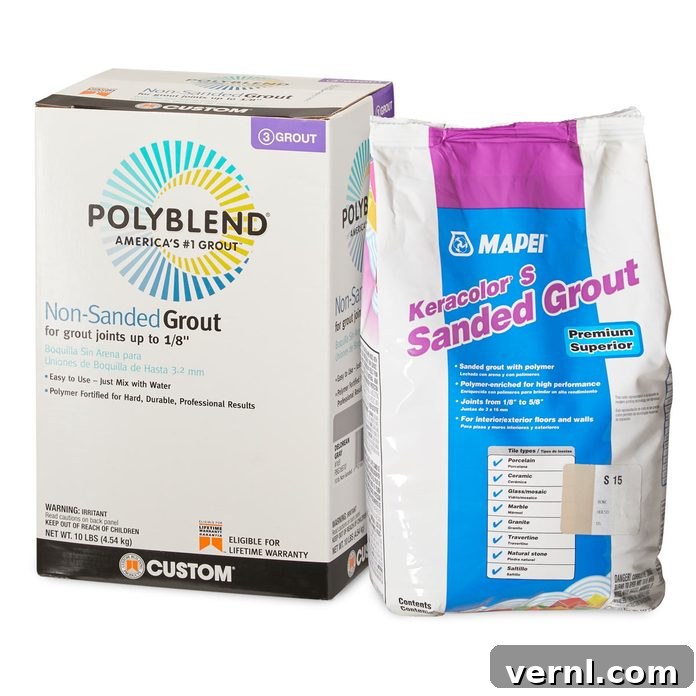
Standard Cement Grout: The Traditional Workhorse
Standard cement grouts are the classic choice, serving as the backbone of the tiling industry for decades. Much like concrete or mortar, these grouts begin as a dry, powdery mix primarily composed of Portland cement, fine sand (for sanded versions), and various chemical additives. When mixed with water to the correct consistency, they undergo a chemical reaction that causes them to gradually harden and cure, forming a rigid, durable filler for tile joints. These grouts are widely available, cost-effective, and familiar to most installers, making them a common choice for a vast range of projects.
Within the category of standard cement grouts, you’ll typically find two main types: sanded and unsanded. Sanded grout contains fine sand particles, making it ideal for wider grout lines (usually 1/8 inch or more) where the sand provides bulk, reduces shrinkage, and prevents cracking. Unsanded grout, lacking these abrasive particles, is recommended for narrower grout lines (less than 1/8 inch) and for use with polished or easily scratched tiles, as the sand in sanded grout could mar delicate surfaces. While standard cement grouts are a dependable and acceptable choice for many applications, and some products within this category perform better than others, Dean suggests that they are rarely the *best* choice. They generally require sealing after installation to protect against stains and moisture, and this seal needs to be maintained and reapplied periodically throughout the grout’s lifespan. Furthermore, they can be prone to color inconsistency, especially with darker hues, and their porous nature makes them more susceptible to staining and mildew. While they are not a “bad” option, especially given their affordability, Dean notes that much superior alternatives exist for just a few dollars more. Investing a little extra upfront can yield significantly better long-term performance, reduced maintenance, and a more aesthetically pleasing result. Before you install new grout, check out these essential tips on removing old grout.
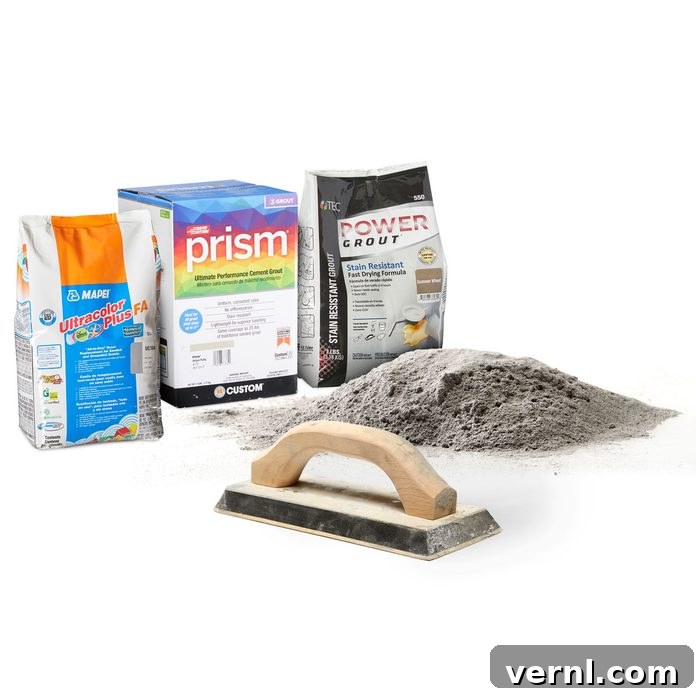
Best Grout Choice: Top-Quality, High-Performance Cement Grout
When it comes to striking the perfect balance between ease of use, exceptional durability, and long-term performance for most residential and even light commercial projects, Dean Sorem unequivocally recommends top-quality, high-performance cement grouts. These advanced formulations represent a significant evolution from traditional cement grouts, incorporating cutting-edge polymer additives and refined aggregates that fundamentally alter their characteristics. Dean considers them the optimal choice for DIY enthusiasts and for the majority of his own professional jobs, offering superior benefits that justify their slightly higher cost. Here’s a detailed breakdown of what makes these products truly stand out and why they are his preferred recommendation:
- Superior Particle Structure for Unmatched Stain Resistance: One of the most significant advancements in these high-performance grouts lies in their composition. The particles, or “aggregate,” in the powder are microscopically smaller and more uniformly sized than those found in standard grouts. This refined particle structure allows the grout to pack together much more densely during application, resulting in a finished product that is significantly less porous. A denser, less porous grout inherently resists moisture and stains more effectively. Dean has personally put these products through rigorous testing, attempting to stain them with notorious culprits like red wine, coffee, and even oil. Time and again, he has found that virtually every stain—even the most stubborn ones—disappeared with nothing more than a little mild detergent and light scrubbing. This built-in stain resistance dramatically reduces maintenance and keeps your grout looking fresh for years.
- No Sealing Required, Ever: Perhaps one of the most compelling advantages for any homeowner or installer is the elimination of the need to seal the grout. Unlike standard cement grouts, which require periodic sealing to protect against stains and moisture, top-quality formulations incorporate integral sealers and advanced polymers that provide robust stain and water resistance right out of the gate. This “built-in” protection saves a considerable amount of time and effort during installation and throughout the grout’s lifespan. You won’t have to worry about the messy, time-consuming process of applying a sealer, nor the ongoing maintenance of re-sealing every few years. This translates to a truly low-maintenance tiled surface that maintains its beauty and integrity with minimal fuss.
- Universal Application: One Product for All Needs: Traditional cement grouts typically come in “sanded” and “unsanded” versions, each suited for specific joint widths and tile types. This often means purchasing multiple products for a single project or carefully planning which type to use where. High-performance cement grouts revolutionize this by offering a universal solution. Thanks to their finely engineered aggregate and advanced polymer binders, the same product can be effectively used on both walls and floors, and with a wide range of grout joint widths—from very narrow (1/16 inch) to wide (up to 1/2 inch or more). This versatility simplifies material selection, reduces waste, and makes the tiling process much more straightforward for DIYers and professionals alike.
- Exceptional Color Consistency with Minimal Blotching: Achieving uniform color can be a significant challenge with standard cement grouts, particularly when working with darker shades. Uneven mixing, varying water absorption rates, and inconsistent curing can lead to blotchiness, streaking, and an overall uneven appearance. Top-quality cement grouts are engineered to mitigate these issues. Their advanced formulations and tighter particle distribution promote much better color consistency across the entire installation. This means you can confidently use dark-colored grouts without the fear of unsightly splotches or variations, ensuring a clean, professional, and visually appealing finish that enhances the overall aesthetic of your tiled surface.
Despite their numerous advantages, Dean offers one important warning about these high-performance grouts: they harden faster than standard cement grouts. While not as rapid as epoxy or some of the notoriously quick-setting premixed products, their accelerated cure time requires a more disciplined approach to application and cleanup. To ensure a flawless finish and avoid the nightmare of hardened residue on your tiles, Dean advises the following best practices: always mix up smaller batches of grout that you can comfortably apply and clean within a realistic timeframe. Have all your cleaning tools—multiple sponges, two or three buckets of clean water, and clean rags—ready and within arm’s reach before you begin. Most importantly, do not delay the wipe-off phase of the job. As soon as a section of tile is grouted, begin the cleanup process promptly to remove any excess grout from the tile faces before it hardens. Diligent and timely cleanup is the key to harnessing the superior benefits of these advanced grouts and achieving a truly professional, lasting result.
Grout Cost? Who Cares!
When embarking on a tiling project, you’re likely investing a significant amount of time, energy, and money into selecting the perfect tiles, preparing the surface, and meticulously laying each piece. The overall success and longevity of this substantial effort hinge significantly on the quality of your grout. The best, most reliable grout might cost you twice as much as the absolute cheapest option on the market. But after all that dedication and expense, do you really want to jeopardize the integrity, appearance, and future maintenance of your entire project just to save a mere 20 or 30 dollars on grout? This small saving can lead to much larger expenses down the line due to stains, cracks, or even water damage. Investing in top-quality grout is a small price to pay for peace of mind, superior performance, and a beautiful, durable finish that will last for years.
What About Epoxy Grout?
You may have heard that epoxy grout is the ultimate choice—incredibly durable, impervious to stains, and highly resistant to chemicals. And largely, that’s true; epoxy grout offers unparalleled performance in demanding environments like commercial kitchens, laboratories, and industrial settings where chemical spills and heavy traffic are common. However, Dean Sorem strongly advises against DIYers even considering epoxy grout for typical home installations. The main reason is its extreme difficulty of use. Epoxy grout has a very short pot life, meaning it starts to harden almost immediately after mixing, leaving very little working time. It’s also exceptionally sticky and challenging to apply smoothly. Any residue that hardens on the face of the tile is a nightmare to remove, often requiring harsh chemicals and extensive labor, and sometimes even leading to irreparable damage to the tile itself. Given the availability of other excellent, user-friendly options that provide fantastic durability and stain resistance for residential projects, the considerable challenges and high risk of irreversible mistakes associated with epoxy grout simply don’t make sense for the average homeowner.
Meet the Expert
Dean Sorem is a highly respected authority in the tiling industry, boasting over 40 years of hands-on experience. Throughout his extensive career, Dean has not only installed countless square feet of tile but has also dedicated himself to teaching others the best practices and techniques for achieving professional, long-lasting results. His deep understanding of materials and methods makes his recommendations invaluable for anyone undertaking a tiling project.
Encountering cracked grout? Learn how to address it effectively: How to Repair Grout That’s Cracking