
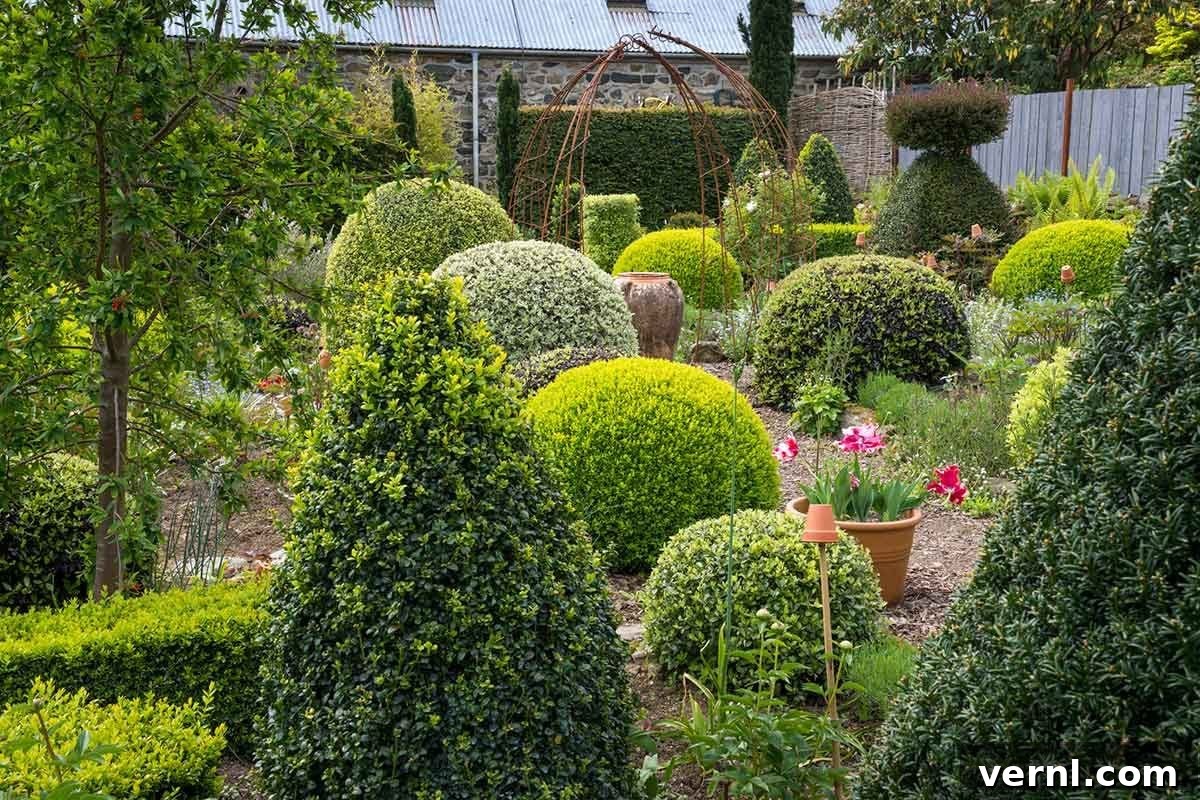
Shrubs often don’t receive the recognition they deserve in the world of horticulture. Homeowners frequently focus on the vibrant display of flowers, the practical yield of vegetables, or the majestic presence of trees. Yet, shrubs are fundamental elements in any well-designed landscape, offering a wealth of benefits that extend far beyond their aesthetic appeal.
More than just pretty additions, shrubs are integral to our ecosystems. They are found across diverse climates worldwide, performing crucial roles such as stabilizing soil, combating erosion, sequestering carbon, and providing vital habitats and food sources for countless insect and animal species. Beyond these ecological contributions, their ornamental value has soared in recent decades, largely due to innovative plant breeding that has introduced an astonishing array of shapes, sizes, foliage, and blooms.
What is a Shrub? Defining These Essential Landscape Plants
While the terms “shrub” and “bush” are often used interchangeably in everyday conversation, some gardening enthusiasts draw a subtle distinction: shrubs are typically cultivated in controlled environments like home landscapes, whereas bushes might refer to their wild counterparts in natural thickets. Regardless of the nomenclature you prefer, a shrub is fundamentally a small, perennial, woody plant that typically matures at a height of less than 15 feet.
Characterized by their woody stems that persist year-round, shrubs can exhibit a wide range of growth habits. Some grow tall and upright, forming stately specimens or dense screens, while others remain short and squat, ideal for groundcover or front-of-border placements. A defining feature of most shrubs is their multi-stemmed nature, branching from or near the ground. This growth pattern is believed to be an evolutionary adaptation, allowing them to recover quickly from animal browsing. However, it’s possible to train some shrubs into a single-stemmed form, resembling a miniature tree; these are known as “treeform shrubs” and can serve as striking focal points in a garden.
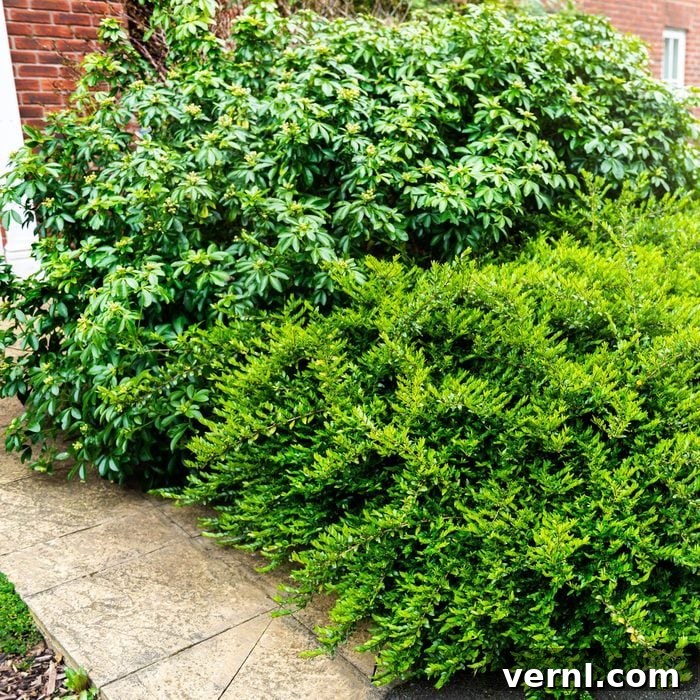
Exploring the Diverse Types of Shrubs for Your Garden
The world of shrubs is incredibly diverse, offering options for every garden style and climatic condition. They are generally categorized into three main types, though some overlap exists:
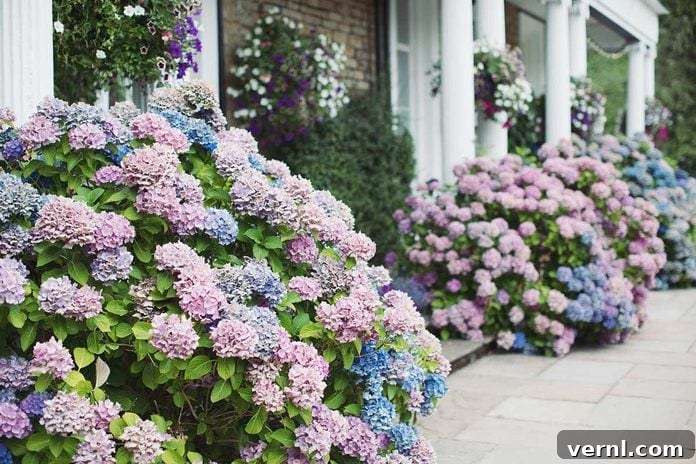
- Deciduous Shrubs: These shrubs are characterized by their seasonal shedding of leaves, typically in the fall. Their appeal often lies in their dramatic seasonal transformation. They are frequently chosen for their stunning floral displays in spring or summer, vibrant fall foliage that adds a splash of color to the autumn landscape, interesting bark textures that provide winter interest (like the peeling bark of a Paperbark Maple or the colorful stems of Red Twig Dogwood), or attractive berries. Examples include Forsythia, Hydrangea, and Lilac, offering dynamic beauty throughout the growing season.
- Evergreen Shrubs: As their name suggests, evergreen shrubs retain their leaves throughout the year, providing consistent structure and color to the landscape, even in winter. This category further breaks down into several forms:
- Needled Evergreens: Featuring needle-like foliage, such as Yew (Taxus) and some varieties of Spruce or Juniper.
- Scale-leaf Evergreens: Identified by tiny, flattened, scale-like leaves that often overlap in sprays, like Arborvitae (Thuja) and False Cypress (Chamaecyparis).
- Broadleaf Evergreens: These possess wider, flatter leaves, similar to deciduous plants, but they remain on the plant all year. Excellent examples include Rhododendrons, Azaleas, Boxwood, and Holly. Broadleaf evergreens are prized for their varied foliage textures and often beautiful flowers.
- Flowering Shrubs: This category encompasses any shrub grown primarily for its blossoms. Flowering shrubs can be either deciduous or evergreen. Their bloom times vary widely; some put on a spectacular show before their leaves even emerge in early spring (like Forsythia or Witch Hazel), while others flower once the plant is fully leafed out in late spring, summer, or even fall (Hydrangea, Roses). With careful selection, it’s possible to have continuous shrub blooms in your garden from winter (e.g., Winter Jasmine) through fall.
Choosing the Perfect Shrubs for Your Landscape
Selecting the right shrubs is key to a thriving and beautiful garden. Consider these five essential factors to ensure your chosen plants flourish and meet your design goals:
Hardiness: Understanding Your Climate Zone
The first and most crucial step is to determine if a shrub can survive the winter temperatures in your region. Consult the U.S. Department of Agriculture Plant Hardiness Zone map. This map divides North America into zones based on average annual extreme minimum winter temperatures. There’s no point in falling in love with a USDA Zone 7 camellia if you reside in a colder Zone 3 or 4; it simply won’t survive the winter outdoors without extensive protection. Plant tags typically provide the recommended USDA zones, offering a reliable guide.
Always bear in mind that your home landscape can have various microclimates – areas with slightly different growing conditions than the general climate zone. A marginally hardy shrub might thrive in a sheltered spot close to a house, where it benefits from radiant heat and protection from harsh winds, but fail in an open, wind-exposed location just a few feet away. Observe your yard throughout the year to identify these unique spots.
Purpose: What Role Will the Shrub Play?
Before buying, consider the specific function you want your shrub to perform. Privacy is a top priority for many homeowners, and for creating a dense, year-round screen, upright evergreens like Arborvitae or Juniper are hard to beat. They offer visual barriers and can even help dampen noise. If your goal is a striking focal point, choose a shrub with outstanding features such as an unusual architectural shape, captivating flowers, dramatic seasonal foliage, or interesting bark.
Shrubs also offer significant wildlife value. Those that produce flowers provide nectar for pollinators like bees and butterflies, while berry-producing varieties offer essential food for birds and small mammals. Native shrubs are particularly effective in supporting local ecosystems. Other common purposes include foundation plantings, informal or formal hedges, erosion control on slopes, or adding fragrance to a seating area.
Conditions: Matching the Plant to Its Environment
Where will your new shrub be placed? Understanding the environmental conditions of its intended spot is crucial for success. Assess the amount of light available: Is it full sun (6+ hours direct sun), partial sun/shade (3-6 hours), or full shade (less than 3 hours direct sun)? Consider the soil type and, critically, its drainage. Poorly draining, waterlogged soil can quickly lead to root rot for many shrubs, while excessively sandy soil may dry out too quickly. Some shrubs prefer hot, sunny, and dry locations, while others thrive in damp, shady spots. Fortunately, there are also incredibly tough shrubs that tolerate a wide range of conditions. The plant tag is your friend here, providing detailed information on optimal growing conditions, including light, soil pH, and moisture preferences.
Features: Prioritizing Multi-Season Interest
Gone are the days when gardeners would settle for a shrub that offered a fleeting week of flowers before fading into anonymity for the rest of the year. Modern plant breeding has given us an abundance of cultivars with multiple seasons of interest. Look for shrubs that provide more than one appealing feature throughout the year. This could include long-lasting flowers, attractive foliage that changes color in the fall, intriguing bark textures that shine in winter, or colorful berries that persist after the leaves drop. Some innovative varieties even offer an “encore” bloom, flowering again later in the season, extending their display and value in the landscape.
Maintenance: Assessing Your Time and Effort
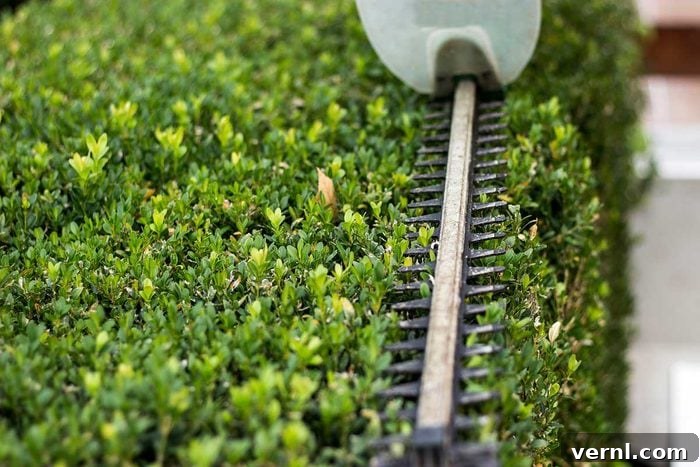
Before committing to a shrub, honestly evaluate how much time and effort you’re willing to invest in its upkeep. For instance, privet used to be a popular choice for fast-growing hedges, but homeowners often grew tired of the constant need to shear the plants repeatedly to maintain their shape. Such high-maintenance plants can quickly become a regret in your yard.
Consider the typical maintenance requirements: not only pruning shrubs for health and shape, but also their watering needs. If you prefer a more hands-off approach, there are many excellent drought-tolerant options available that thrive once established with minimal supplemental irrigation. Factor in the shrub’s mature size to avoid selecting one that will quickly outgrow its space, requiring continuous, aggressive pruning. If you ever need to remove a stubborn shrub, there are methods to make the task easier. Instead of spending hours digging, check how to remove shrubs without breaking your back.
How To Plant Shrubs for Optimal Growth
Proper planting is the foundation for a healthy, long-lived shrub. The process is similar to planting a tree, just on a slightly smaller and often faster scale due to size differences.
If you’re creating a new shrub bed from scratch, begin by preparing the soil thoroughly. Amend the soil beforehand with plenty of organic matter, such as compost and composted cow manure. This improves soil structure, drainage, and fertility, giving your shrubs the best start. Dig a hole that is as deep as the root ball of your shrub but at least two to three times as wide. This allows the roots to spread easily into the loosened soil.
Carefully remove the shrub from its container, gently loosening any circling roots at the bottom. Place the shrub in the center of the hole, ensuring the top of the root ball is level with or slightly above the surrounding soil surface. Avoid planting too deeply, as this can smother the root crown. Backfill the hole with the amended soil, tamping lightly to remove large air pockets, but avoid compacting the soil too much. Once planted, create a small soil berm around the edge of the planting hole to help retain water. Apply a two-to-three-inch layer of organic mulch, such as shredded leaves or wood chips, around the base of the shrub (keeping it a few inches away from the stem) to conserve moisture, suppress weeds, and regulate soil temperature. Finally, water generously and slowly to thoroughly settle the soil around the roots.
Essential Shrub Care and Maintenance for Long-Term Health
Even the most low-maintenance shrubs benefit from basic, consistent care to remain healthy and vibrant. Here’s what you can expect to do:
Trimming: Shaping for Health and Vigor
Minor pruning, such as removing dead, diseased, or broken branches, can and should be done at any time of year to prevent the spread of issues. However, major pruning, especially for shaping or size reduction, is best performed when shrubs are dormant, typically in late winter or early spring before new growth emerges. Shrubs like lilac and red-twig dogwood respond exceptionally well to rejuvenation pruning, a technique where approximately one-third of the oldest, thickest stems are periodically removed at ground level. This encourages the growth of new, more vigorous shoots that often display better flowering, brighter stem color, or increased productivity. When pruning, always use sharp, clean tools to make precise cuts and minimize stress on the plant.
Watering: Sustaining Hydration
While established, drought-tolerant shrubs may require minimal irrigation, all newly planted shrubs, including those known for drought resistance, need regular watering during their first year. This crucial period allows them to develop an extensive and robust root system, making them truly self-sufficient later on. When watering, irrigate slowly and deeply, ensuring the moisture penetrates to the entire root zone, not just the surface. This encourages roots to grow downward, seeking out water. A practical option for shrub beds is to wind a soaker hose through the planting area; it gradually delivers water directly to the soil, minimizing waste and ensuring deep saturation.
Fertilizing: When and How to Nourish
Much like mature trees, most well-established shrubs seldom require supplemental fertilizing. A weed-free zone beneath the shrub, combined with a regular application of natural, organic mulch like shredded leaves or wood chips, is usually sufficient to provide adequate nutrients as the organic matter breaks down. This approach supports a healthy soil food web.
However, if a shrub appears stunted, exhibits yellowed foliage (chlorosis), or shows other signs of nutrient deficiency, it’s wise to perform a soil test. This test will reveal specific deficiencies and guide your fertilizing efforts. The soil pH might also need adjusting; some plants prefer acidic conditions, while others thrive in alkaline soil. You can add elemental sulfur to acidify soil or garden lime to make it more alkaline, always following product instructions carefully and retesting after application.
Winter Protection: Shielding from Harsh Elements
Certain evergreens, especially those newly planted or borderline hardy for your zone, require protection against drying winter winds, which can lead to desiccation (moisture loss). This can be achieved by wrapping them in burlap or by spraying their foliage with an anti-desiccant product, which forms a protective coating. In areas where deer or rabbits are a problem, physical barriers like fencing or periodic application of animal repellent spray may be necessary to protect against browsing damage. Browsing animals often have their favorite plants, and this preference can even vary among different varieties of the same species (e.g., specific cultivars of red-twig dogwood). Your local cooperative extension office is an excellent resource for advice on the best plants to deter local wildlife.
Pest Control: Proactive Health Management
Insects and diseases are often more prevalent when a plant is under stress, whether from drought, improper planting, mechanical injury, or growing in an unsuitable location. The best defense is a good offense: aim to keep your shrubs healthy and stress-free by providing optimal growing conditions. Regularly inspect your shrubs for any early signs of trouble, such as discolored leaves, chewed foliage, or unusual growths. As with most plant problems, the earlier you identify and address an issue, the better the chances of successful control and minimal damage. Integrate principles of Integrated Pest Management (IPM), which prioritize cultural controls and biological solutions before resorting to chemical interventions.