
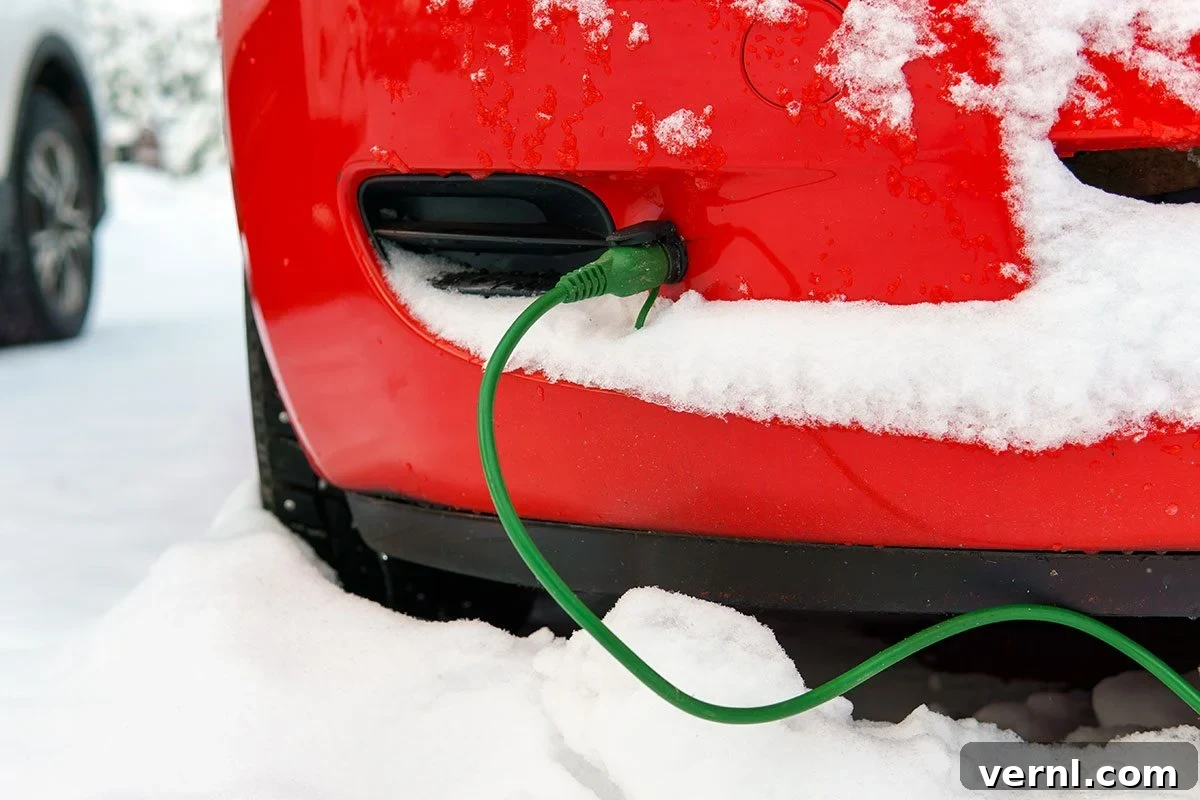
Engine Block Heaters: Your Comprehensive Guide to Cold Weather Car Starts
Starting your car in frigid winter temperatures can be a frustrating experience. The engine struggles, the battery strains, and the whole process feels like a battle against the elements. But what if there was a way to make those cold starts easier, reduce engine wear, and even improve fuel efficiency? Enter the engine block heater. This often-overlooked device can be a game-changer for vehicle owners living in colder climates. This article dives deep into the world of engine block heaters, exploring their benefits, functionality, different types, and safety considerations.
Having spent 15 years working at what was the leading Oldsmobile dealer in the United States, I witnessed firsthand the challenges of cold weather and engine performance. The conversion of gasoline engines to diesel, while intended to improve fuel economy, introduced a new set of problems in freezing temperatures. Every diesel vehicle required a block heater, and on sub-freezing days, the shop floor was a maze of extension cords, all attempting to thaw engines struggling with congealed fuel and oil. This experience highlighted the crucial role block heaters play in ensuring reliable cold-weather starts.
What is an Engine Block Heater?
An engine block heater is an electrical heating device designed to warm an engine’s coolant, oil, or the engine block itself, prior to starting the vehicle. By preheating these components, the engine reaches its optimal operating temperature much faster. This offers a multitude of benefits, especially in cold weather conditions. A block heater effectively combats the viscosity increase of engine oil at lower temperatures and improves the engine start by lowering cranking effort.
Think of it as giving your engine a head start on a cold day. The preheated fluids flow more easily, reducing engine wear and tear, improving cold-start performance (particularly crucial for diesel-powered vehicles), decreasing tailpipe emissions, and accelerating the warming of the passenger compartment. By keeping the engine fluids from thickening, you’re essentially lubricating the moving parts sooner, protecting them from damage.
How Engine Block Heaters Work
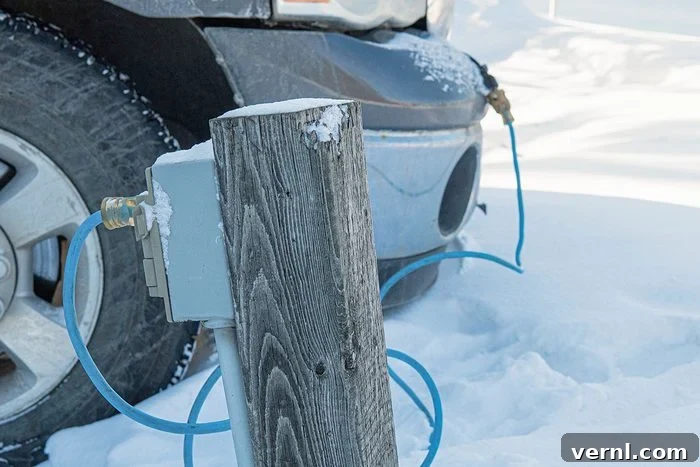
The functionality of a block heater is quite straightforward. When plugged into a standard 120-volt outlet, the heater completes a resistive-heating-element circuit. This generates heat, which is then transferred to the engine components. The location of the heating element varies depending on the type of block heater.
As automotive and General Motors Master Technician Alvin Bud Mangin explains, “The block heater heating element either warms the metal around it, which then warms the fluids, or the heating element is in direct contact with engine coolant or motor oil, warming up the fluids. In freezing temperatures, oil thickens at the same time batteries lose cranking power. Warm coolant and engine oil circulate better, and the engine will crank more easily.”
Mangin compares it to the difference between starting a boat motor after it has sat all winter versus starting it on a warm, sunny day in the middle of summer. The preheated engine simply performs more efficiently.
Different Types of Engine Block Heaters
Several types of engine block heaters cater to different engine designs and installation preferences. While many can be installed by a DIY enthusiast, it’s always best to consult a professional mechanic, especially when dealing with freeze plug (core plug) block heaters, as proper installation is essential.
- Freeze Plug Block Heaters: These are generally considered the most effective type. They replace a freeze plug (also known as a core plug) within the engine block, allowing them to directly heat the engine coolant from within.
- Pro Tip: A common misconception is that freeze plugs are designed to pop out and prevent the engine block from cracking when water or coolant freezes and expands. The truth is that these holes are primarily for removing sand after the engine block is cast. The plugs simply seal the holes.
- Oil Pan Heaters: These heaters attach to the exterior of the oil pan, either using magnets for metal pans or adhesive pads for composite (plastic) pans. By warming the oil directly, they provide improved lubrication at startup, reducing engine wear. Warmer oil also reduces idling time, contributing to improved fuel efficiency.
- In-Line Coolant Heaters: These heaters are typically inserted into a heater hose. They heat up quickly and often incorporate a small pump to circulate the warmed coolant throughout the engine.
- Dipstick Heaters: While the least effective type, dipstick heaters are easy to install. They simply replace the engine’s oil dipstick and warm the engine oil directly within the dipstick tube.
- Battery Warmers: While not technically block heaters, battery warmers can be used in conjunction with a block heater to maintain optimal battery temperature. A warm battery delivers greater cranking power in extremely cold weather, further aiding in starting your vehicle.
The Benefits of Using an Engine Block Heater
Using an engine block heater in cold weather provides a range of benefits that extend beyond simply making it easier to start your car. Warmer fluids offer significant advantages that contribute to the overall health and longevity of your vehicle. These benefits include:
- Reduced Strain: An engine block heater reduces the strain on the starter motor, battery, and internal engine components during cold starts.
- Reduced Engine Wear: By immediately lubricating and protecting bearings and cylinder walls, the block heater minimizes engine wear, extending the engine’s lifespan.
- Improved Fuel Efficiency: The engine reaches its peak operating efficiency more quickly, resulting in reduced fuel consumption and lower emissions.
- Faster Cabin Heating: The heater and windshield defroster deliver warm air much sooner, making your morning commute more comfortable and safer.
When is an Engine Block Heater Necessary?
Engine block heaters were originally designed for use in climates where winter temperatures regularly drop below freezing (0 degrees Celsius or 32 degrees Fahrenheit). However, many vehicle manufacturers, including Ford, General Motors, Toyota, and Subaru, recommend using a block heater when temperatures reach around -15 degrees Celsius (5 degrees Fahrenheit).
While newer diesel engines are more cold-weather resistant than older models, a block heater is still highly recommended for optimal performance. Even if your car is relatively new, consider using a block heater if your battery is a bit older, or you simply want to ensure a reliable start and a warm cabin on frigid mornings. As ASE and Toyota Master Technician Joe Simes notes, using a block heater can “increase battery life and reduce engine strain.”
Frequently Asked Questions About Engine Block Heaters
Here are some common questions and answers regarding the use and maintenance of engine block heaters:
How long should I leave a block heater plugged in?
According to Simes, “Most engines [block heaters] only need to be plugged in two to four hours. After a few hours, temperatures across the entire engine gradually warm and stabilize.”
To conserve energy, consider using an outdoor-rated timer to automatically turn off the block heater after a few hours.
Is it safe to leave a block heater plugged in overnight?
Yes, it is generally safe to leave a block heater plugged in overnight, but it’s not usually necessary. “Block heaters are designed to run safely for extended periods,” says Simes. However, it’s crucial to exercise common sense when working with electrical devices.
Follow these safety precautions:
- Use the correct wire size/gauge for the extension cord. Use an outdoor-rated extension cord and a circuit/outlet that is properly rated for your specific block heater.
- Keep all plugs and connections off the ground and away from water or puddles.
- Never use damaged, frayed, or repaired cords. Replace damaged cords immediately.
- Ensure the outlet and extension cord are protected from the weather. Remember that even in freezing temperatures, the sun’s UV (ultraviolet) rays can damage electrical cord coverings.
“Block heaters are excellent for preheating the engine and its fluids before starting on cold mornings,” Simes emphasizes. “As a firefighter, I have seen car fires from lack of proper [block heater] maintenance.” Therefore, regular inspection and maintenance are essential for safe operation.
Experts
The information in this article has been enhanced by the expertise of:
Bud Mangin: With over 50 years of experience in the automotive industry, Bud Mangin has served as a master technician, shop foreman, service manager, and service director. During our interview, he recounted numerous instances where block heaters had to be replaced in Oldsmobile diesel engines, underscoring their importance and potential for failure if not properly maintained.
Joe Simes: Joe Simes brings over 25 years of automotive experience as an ASE and Toyota Master Technician, a Pennsylvania Department of Education certified automotive technology instructor, and a PA certified emissions and safety inspection instructor and inspector. He currently teaches automotive technology at North Montco Technical Career Center in Lansdale, PA. In addition to his automotive expertise, Joe is also the former deputy fire chief and training officer for Montgomery County, PA (retired), providing valuable insights into the safety aspects of block heater usage.
Resources
For further information, consider exploring these resources:
- AutoZone: “What Are Engine Block Heaters?”
- Canada Drives: “Does My Car Need a Block Heater During Winter?”
- Engineering Fix: “What Is a Block Heater in a Car and How Does It Work?”
- U.S. Department of Transportation, NHTSA: “Engine Block Heater”