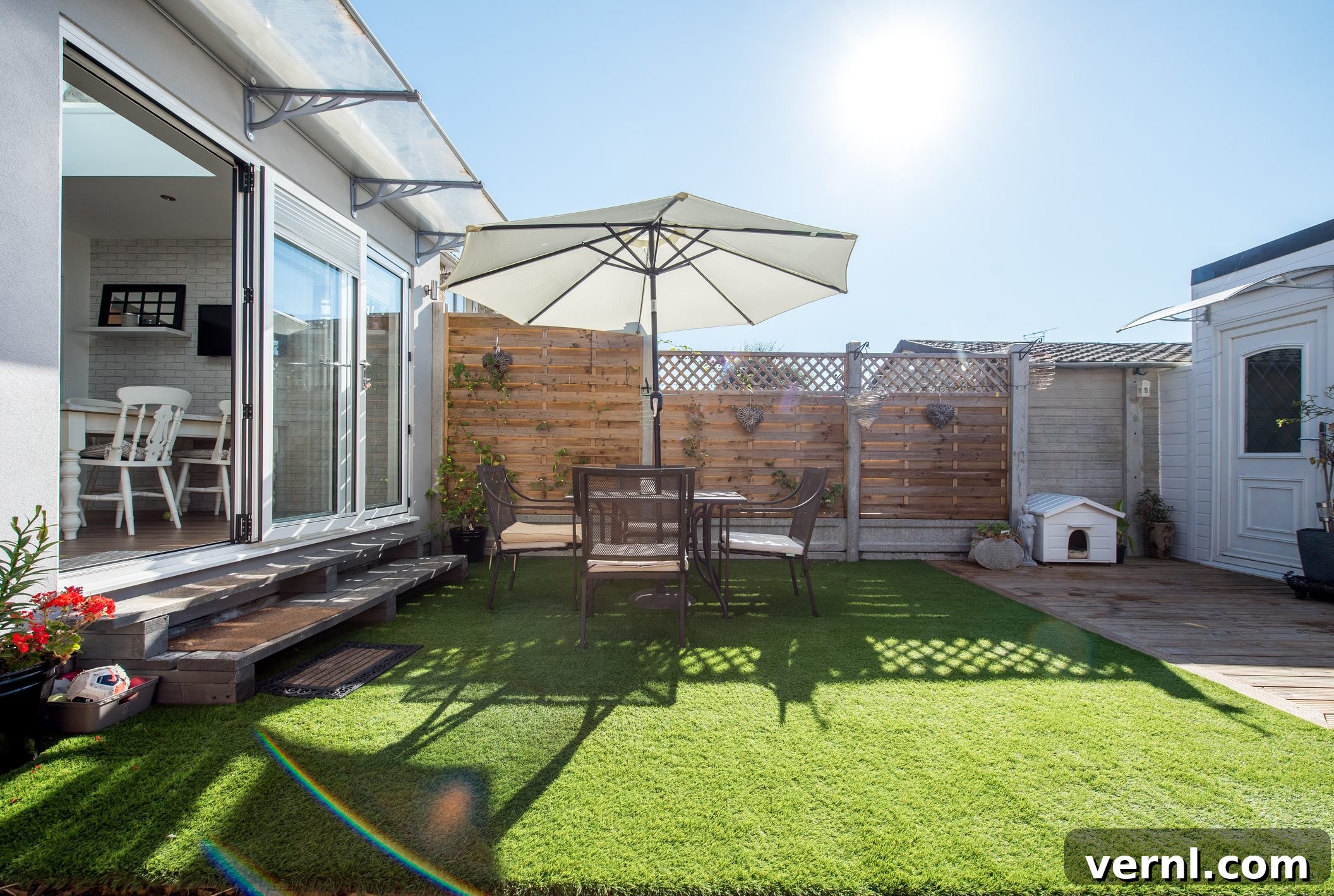
Transform Your Landscape: The Ultimate Guide to Artificial Grass for Modern Homes
Are you contemplating a significant change for your outdoor space, perhaps a switch to the enduring allure of artificial grass? Many homeowners find themselves at this crossroads, often after years of battling the elements and the relentless demands of natural lawn care. Whether you’re grappling with a perpetually shady yard where natural grass refuses to thrive, or simply weary of the weekly ritual of mowing, fertilizing, and watering, you’re far from alone in seeking a more effortless solution.
Indeed, the appeal of a perpetually green, pristine lawn without the incessant upkeep is driving a booming market. Industry experts confirm that the residential artificial grass sector is experiencing unprecedented growth, and for good reason. Synthetic turf offers a vibrant, lush lawn all year round, impervious to weather conditions, drought, or shade. Despite minor fluctuations due to global events, the artificial turf market is projected to expand by nearly 9% annually through 2027, signaling a clear shift in modern landscaping preferences. This comprehensive guide will delve into everything you need to know about maintaining, cleaning, and maximizing the lifespan of your artificial lawn, ensuring it remains a beautiful and functional asset to your home for years to come.
Why Choose Artificial Grass? Unveiling the Myriad Benefits
The decision to install artificial grass goes beyond mere aesthetics; it’s an investment in convenience, sustainability, and enduring beauty. Modern synthetic turf offers a host of advantages that traditional lawns simply cannot match, addressing many common homeowner frustrations.
- Unrivaled Low Maintenance: The most significant draw for many. Imagine reclaiming your weekends, free from the endless cycle of mowing, trimming, weeding, and fertilizing. Artificial grass eliminates these tasks entirely, freeing up valuable time and reducing physical labor.
- Exceptional Water Conservation: In an era of increasing environmental consciousness and water scarcity, artificial grass stands out as a champion of sustainability. It requires no irrigation, leading to substantial savings on water bills and a significant reduction in your household’s ecological footprint.
- Year-Round Evergreen Beauty: Regardless of scorching summers, freezing winters, or prolonged droughts, your artificial lawn will retain its vibrant green hue and impeccable texture. It provides consistent curb appeal, enhancing the visual charm of your property whatever the season.
- Superior Durability and Longevity: Engineered to withstand heavy foot traffic, playful pets, and harsh weather conditions, quality artificial turf is incredibly resilient. Its robust construction ensures it can endure years of use without showing significant signs of wear, maintaining its pristine appearance for well over a decade.
- Pet-Friendly and Hygienic: For pet owners, artificial grass offers an ideal solution. It’s incredibly easy to clean, resisting odors and preventing the muddy paw prints often associated with natural lawns. Pet waste can be effortlessly removed and rinsed, keeping your yard clean and hygienic for both animals and humans.
- Child-Safe Play Area: Many artificial grass installations incorporate soft, cushioned infills, making them a safer and more forgiving surface for children to play on compared to hard ground or patchy natural grass.
- Allergy Relief: For those who suffer from seasonal allergies, artificial grass provides much-needed relief by eliminating pollen-producing grasses. It also reduces habitats for common lawn pests, contributing to a healthier outdoor environment.
- Solutions for Challenging Areas: Artificial grass is the perfect remedy for landscapes where natural grass struggles: deeply shaded areas, steeply sloped yards, zones with poor soil quality, or spaces where frequent foot traffic compacts the ground, preventing growth.
- Enhanced Property Value: A beautifully maintained, always-green lawn significantly boosts your home’s curb appeal, potentially increasing its market value and making it more attractive to prospective buyers.
Understanding Artificial Grass: Types, Materials, and Technology
While often seen as a monolithic product, artificial grass actually encompasses a variety of types, each with specific characteristics suited for different applications and preferences. Understanding these nuances can help you appreciate the quality and care requirements of your synthetic lawn.
- Blade Materials: Most artificial grass is made from polyethylene, polypropylene, or nylon. Polyethylene is the most common, offering a natural look and soft feel, ideal for landscapes. Polypropylene is coarser and often used for putting greens. Nylon is the most durable but also the most expensive and stiffest, sometimes blended for added resilience.
- Pile Height and Density: The “pile height” refers to the length of the grass blades. Shorter piles are often more durable for high-traffic areas, while longer piles can offer a more luxurious, natural look. Density refers to how closely packed the blades are. Denser turf generally feels softer and looks fuller.
- Infill Systems: Infill is granular material spread between the grass blades, crucial for supporting the blades, providing cushioning, and aiding drainage. Common types include:
- Crumb Rubber: Often from recycled tires, provides excellent cushioning and infill weight.
- Silica Sand: Affordable, provides stability and helps keep blades upright.
- Acrylic-Coated Sand: Often colored, reduces heat absorption and enhances aesthetics.
- Organic Infills: Newer options like cork or coconut fibers, which are more environmentally friendly and can help reduce turf temperature.
- Backing Material: The backing is the foundation of the turf, usually made from a durable woven material (often polypropylene) coated with latex or polyurethane. This backing is essential for dimensional stability and, crucially, for facilitating proper drainage through perforated holes, preventing water from pooling.
Does Artificial Grass Require Cleaning? Essential Maintenance Insights
The allure of artificial grass lies in its low-maintenance promise, yet it’s vital to distinguish “low maintenance” from “no maintenance.” Like any valuable investment, your synthetic lawn thrives with a modicum of regular care. Joe Raboine, Vice President at Belgard, a leading name in outdoor living products, succinctly puts it: “Yes, you should keep turf blown off and cleaned.” This simple act of regular upkeep is the cornerstone of preserving its fresh, vibrant appearance and extending its impressive lifespan.
Regardless of the specific style, type, blade thickness, or material composition of your artificial grass, consistent cleaning and occasional refreshing are key. This diligent approach can ensure your turf remains as inviting and pristine as the day it was installed, potentially lasting for 20 years or even longer. Neglecting these basic steps can lead to the accumulation of debris, compaction of fibers, and even the development of unpleasant odors, diminishing the very benefits you sought by installing artificial turf.
Comprehensive Guide: How to Clean Artificial Grass Effectively
While artificial grass is indeed a low-maintenance landscaping solution, it’s not entirely self-sufficient. A proactive cleaning regimen is crucial to preserving its aesthetic appeal, hygiene, and longevity. Here’s a detailed breakdown of how to keep your synthetic lawn in immaculate condition:
- Regular Debris Removal (Blow it Off): This is your first line of defense against deterioration. Equip yourself with a leaf blower or a stiff-bristled broom to regularly remove leaves, twigs, dust, dirt, and other organic matter. Frequency will depend on your surroundings; a yard with many trees will naturally require more frequent attention. Preventing organic debris from breaking down and embedding itself in the turf’s thatch layer is paramount, as once it settles, it becomes significantly harder to dislodge and can contribute to weed growth and poor drainage.
- Immediate Spill Cleanup (Clean Up Spills): Accidents happen. Whether it’s pet waste, spilled food, or a knocked-over drink, prompt action is essential. For pet waste, scoop solid matter immediately and then rinse the area thoroughly with water. For food particles or liquid spills, blot with paper towels to absorb as much as possible, then spray the area with water, or use a mild soap and water solution for sticky residues. Early intervention prevents staining and odors from setting in.
- Routine Rinsing (Hose it Down): Lightly rinsing your turf with a garden hose on a regular basis is an effective way to remove accumulated dust, airborne pollutants, and general dirt. This is particularly important in dry, dusty climates or if your lawn sees heavy use. For pet owners whose furry friends frequently use the turf as a bathroom, increased rinsing frequency for those specific areas is crucial. Following up with an odor-neutralizing turf cleaner designed for artificial grass can effectively combat any lingering pet odors, ensuring a fresh and inviting outdoor space.
- Tackling Stubborn Stains and Sticky Residues (Remove Sticky Stuff): Life inevitably brings tougher challenges like tree sap, chewing gum, or spilled oil. For sap and gum, allow the substance to fully dry or harden, or even apply ice to freeze it, then gently scrape it away with a dull knife or spatula. Any remaining residue can often be cleaned with a mild household detergent diluted in water, or a 50/50 mixture of white vinegar and water. For tougher oil-based stains, mineral spirits can be used sparingly, but always test on an inconspicuous area first. Always use a soft-bristled brush to work the solution into the fibers, avoiding anything abrasive that could damage the blades. After treating, always rinse the area thoroughly with clean water to remove all cleaning agents.
- Seasonal Deep Cleaning: For a more thorough refresh, consider a professional deep clean once or twice a year, especially for high-traffic areas or if you have multiple pets. Some professional services offer low-pressure power washing specifically for artificial turf, which can dislodge deeply embedded dirt and revitalize the fibers.
Even with this comprehensive regimen, some homeowners may find the upkeep more than they desire to handle personally. This is where professional lawn services come into play. A knowledgeable lawn service owner in the Dallas area, for instance, manages several artificial grass lawns for his clients. He notes that while multiple factors influence the cost of professional cleaning, the primary determinant is often the amount of tree cover surrounding the property. Lawns beneath numerous trees accumulate significantly more leaves, acorns, and other debris, demanding more intensive and frequent removal. He also points out that such debris is considerably more conspicuous on artificial grass than on natural lawns, often leading clients to request more frequent service. Consequently, he typically charges a slightly higher rate for artificial grass maintenance compared to natural lawns. Nevertheless, reaching out to a local lawn service for a personalized quote is always worthwhile, as every yard presents its unique challenges and requirements.
Maintaining the Pristine Look: Keeping Your Artificial Grass Vibrant
Artificial grass is designed for living, much like the carpeting inside your home. Joe Raboine affirms that it’s meant to be enjoyed—eat, drink, and play to your heart’s content. However, all that activity naturally means that high-traffic zones might eventually begin to show signs of flattening or wear. Fortunately, maintaining that desirable, upright blade appearance is straightforward.
To keep flattening to a minimum, simply grab a rake. Yes, the very same plastic leaf rake you might use for natural turfgrass works wonderfully on synthetic turf as well. “Raking the turf against the grain regularly with a plastic rake helps keep the fibers fresh and helps prevent matting,” Raboine advises. This action lifts the blades and helps them stand upright, restoring the turf’s natural bounce and plushness. It’s crucial to use only a plastic rake; metal rakes can be abrasive and cause irreparable damage to the synthetic fibers. Beyond this simple raking technique, regular cleanup of spills, and blowing off leaves and debris, artificial grass lawns demand remarkably little upkeep.
Infill Management
Over time, especially in heavily used areas, the infill material (like sand or crumb rubber) can settle or be displaced. Replenishing the infill periodically is important as it helps to keep the blades standing upright, provides cushioning, and supports the overall structure of the turf. You can usually purchase infill from your original installer or a specialized turf supplier and spread it evenly across the lawn using a broadcast spreader, then brush it in.
Protecting from Heat
While artificial grass is designed to be durable, extreme heat can sometimes cause localized issues. Be mindful of highly reflective surfaces, such as certain types of windows, which can magnify sunlight and potentially scorch or melt small sections of the turf. Positioning outdoor furniture or garden ornaments can sometimes mitigate this. Also, be cautious with hot objects like barbecue embers or fireworks, as they can melt the fibers, creating permanent damage.
Preventing Weeds
One of the great advantages of artificial grass is its resistance to weeds. However, sometimes a stray weed might sprout, typically through the drainage holes in the backing or along the edges where soil might creep in. These are usually easy to spot and can be simply pulled out by hand or treated with a weed killer designed for non-organic surfaces. The proper installation process, including a robust weed barrier beneath the turf, is the best preventative measure.
Lifespan and Replacement: When to Consider a Turf Upgrade
Artificial grass is renowned for its longevity, but like any outdoor material, it has a finite lifespan. Understanding when and why replacement might be necessary is crucial for long-term planning and maintaining the aesthetic appeal of your landscape. “Replace turf when the blades become damaged or show signs of heavy wear, especially in high-traffic areas where the pile height may become much shorter,” explains Joe Raboine. This flattening or thinning indicates that the fibers have lost their resilience and can no longer stand upright effectively.
Another key indicator is discoloration. “Discoloration in areas of direct sun and harsh weather is a good indicator that it may be time to replace turf as well,” Raboine adds. While modern artificial grass is UV-stabilized to resist fading, prolonged exposure to intense sunlight and extreme weather over many years can eventually lead to a noticeable dulling or color shift, particularly in older installations.
Repairing vs. Replacing the Entire Lawn
The good news is that you don’t always have to replace your entire lawn if only a few spots look worn or damaged. Raboine offers a practical suggestion for proactive homeowners: “socking away some remnants or extra rolls during installation in case you need to patch damaged areas later.” This foresight is invaluable because it ensures you’ll have a perfectly matching product, both in color and texture, for any future repairs. When patching, always try to keep the pile direction consistent with the existing turf for a seamless look. Raboine notes that discerning the pile direction is usually quite straightforward.
With consistent and proper maintenance, most high-quality artificial turfs are designed to endure for a significant period. “Most turfs should last at least 20 years with maintenance,” Raboine confirms. This impressive lifespan underscores artificial grass as a durable, long-term landscaping investment.
Cost-Effectiveness of Full Replacement
Should the time come when a full lawn replacement is necessary, you’ll find that the process is often more cost-effective than the initial installation. The primary expense during the first installation typically involves meticulous ground preparation—leveling, compaction, and laying down a robust base and drainage system. “Once that is in, replacing the artificial grass should be much less costly than the initial installation,” Raboine explains. This is because the underlying groundwork, which is the most labor-intensive and expensive part, is already established and usually remains intact, significantly reducing the overall cost of refreshing your synthetic lawn.
The Environmental Edge: Sustainability of Synthetic Lawns
Beyond convenience, artificial grass offers compelling environmental benefits that align with contemporary sustainability goals. Its eco-friendly aspects are becoming increasingly attractive to homeowners seeking responsible landscaping solutions:
- Reduced Water Consumption: This is arguably the most significant environmental advantage. Artificial grass eliminates the need for daily or weekly irrigation, saving thousands of gallons of water annually, especially crucial in drought-prone regions.
- Elimination of Harmful Chemicals: Traditional lawns often demand a cocktail of pesticides, herbicides, and fertilizers to thrive. Artificial turf, by contrast, requires none of these, preventing harmful chemicals from leaching into groundwater and local ecosystems.
- Lower Carbon Footprint: The absence of mowing translates to a reduction in emissions from gasoline-powered lawnmowers and other landscaping equipment, contributing to cleaner air.
- Reduced Waste: While not biodegradable, modern artificial turf is often made with recycled materials and, increasingly, companies offer recycling programs for old turf, minimizing landfill waste.
Investing in Artificial Grass: Cost vs. Value
When considering artificial grass, the upfront cost is often a primary concern. It’s true that the initial investment for a high-quality artificial turf installation can be higher than seeding a natural lawn or laying sod. However, this perspective overlooks the significant long-term savings and added value it brings.
- Initial Investment: This includes the cost of the turf itself, infill, base materials, and professional installation labor. Factors like turf quality, pile height, density, and the complexity of your yard’s shape will influence the price.
- Long-Term Savings: Over its 15-20+ year lifespan, artificial grass virtually eliminates expenses associated with natural lawns:
- Water Bills: Significant savings, especially for larger lawns.
- Lawn Care Products: No need for fertilizers, pesticides, herbicides, or weed killers.
- Equipment: No mower, edger, or sprinkler system maintenance.
- Professional Services: Greatly reduces or eliminates the need for professional mowing and landscaping services.
- Return on Investment (ROI): Beyond monetary savings, artificial grass enhances property value through superior curb appeal and offers invaluable lifestyle benefits. The time saved from maintenance can be redirected to more enjoyable pursuits, making the investment in artificial grass a smart decision for both your wallet and your well-being.
Artificial grass offers a compelling blend of aesthetic appeal, environmental responsibility, and unparalleled convenience. By understanding its benefits, cleaning requirements, and lifespan, you can ensure your synthetic lawn remains a vibrant, low-maintenance centerpiece of your outdoor living space for decades to come. Embrace the future of landscaping with confidence and enjoy a perpetually perfect lawn, rain or shine.