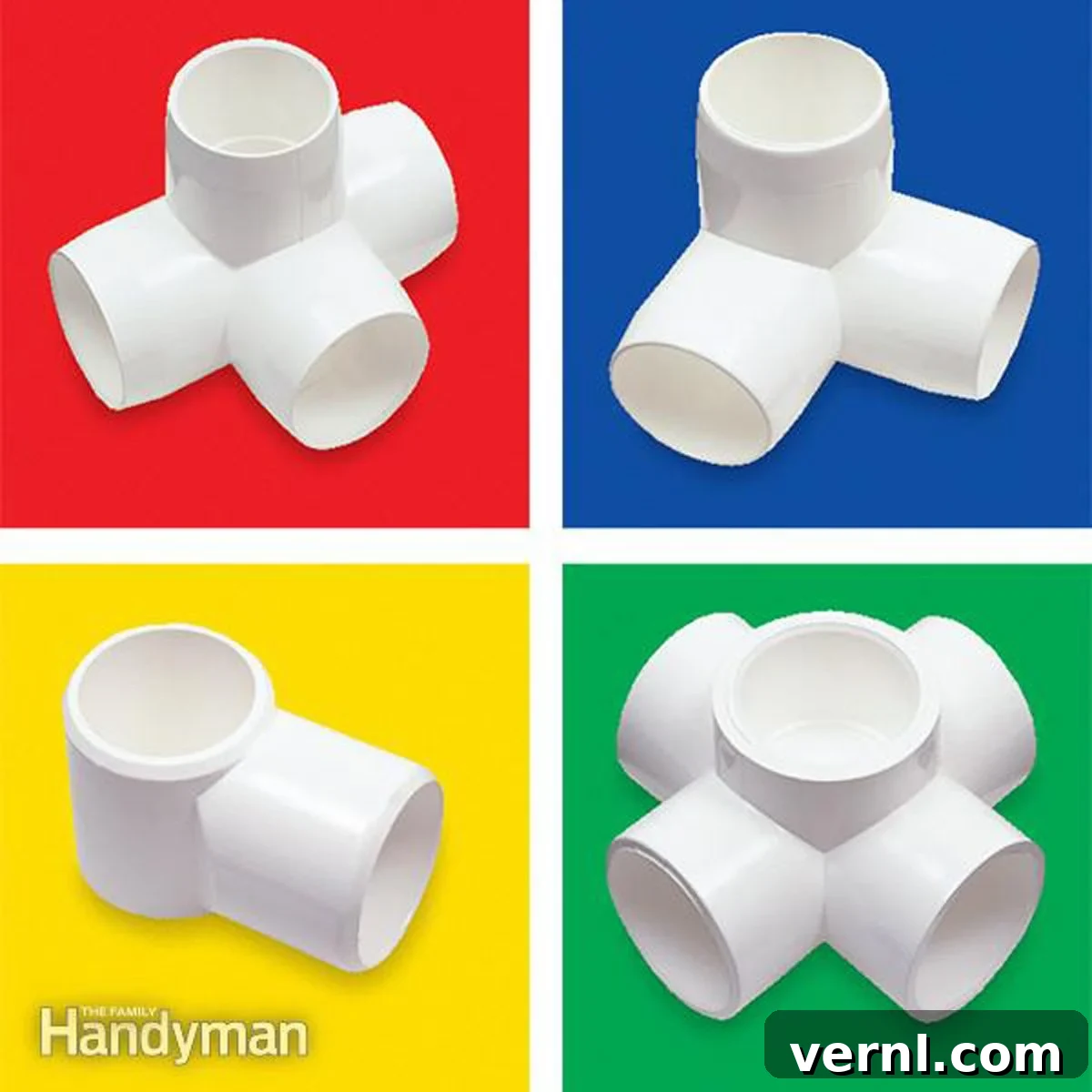
Unlocking Creative Potential: A Comprehensive Guide to Furniture Grade PVC for DIY Projects
Are you looking to embark on exciting DIY projects and craft durable, stylish items for your home or outdoor space? The versatility of PVC pipe makes it an incredibly appealing material for a wide range of creations, from innovative storage solutions to bespoke patio furniture. However, for those aspiring to build long-lasting, aesthetically pleasing pieces, understanding the crucial distinction between standard plumbing PVC and specialized furniture grade PVC is paramount.
While standard PVC pipes, readily available at home centers, are perfectly suited for plumbing applications, they are far from ideal for furniture or outdoor projects. These pipes are typically brittle, possess an industrial appearance, and lack the necessary resilience to withstand prolonged exposure to the elements. As remodeler Thomas Borcherding highlights, “Furniture grade PVC is UV-resistant and won’t fade or crack in the sun.” This specialized formulation ensures your creations retain their integrity and visual appeal for years. Sourcing this superior material is often best done online, though some local building supply retailers might also stock it.
What Exactly Is Furniture Grade PVC?
The term “furniture grade PVC” refers to a meticulously engineered type of polyvinyl chloride pipe specifically designed for structural, decorative, and furniture applications, distinguishing itself significantly from its plumbing counterpart. Thomas Borcherding emphasizes the caution required when using typical PVC for patio furniture, stating, “Typical plumbing PVC is extremely sensitive to the elements; UV rays can degrade it over time, as can extreme heat and cold. When PVC degrades it becomes less structurally sound and can shatter, producing sharp pieces that can harm somebody were they to fall on them.” This inherent fragility and susceptibility to environmental degradation make standard PVC a poor, and potentially dangerous, choice for items that will be handled frequently or exposed to the outdoors.
In contrast, furniture grade PVC is purpose-built to meet higher standards of quality, safety, and aesthetics. Its formulation includes specialized additives that significantly enhance its visual appeal, resulting in a consistently smooth surface finish and uniform color throughout. Unlike the utilitarian markings, barcodes, and sometimes rough textures found on plumbing PVC, furniture grade variations are typically free of these imperfections, making them perfect for visible components in furniture, fixtures, and decorative items where appearance matters.
Beyond aesthetics, its enhanced durability and ease of manipulation are key factors in its widespread adoption for DIY projects and professional fabrication. It offers superior impact resistance, is less prone to cracking or shattering under stress, and, critically, boasts excellent UV resistance. This makes it a reliable material that will not degrade or become brittle when exposed to sunlight, extreme temperatures, or varying weather conditions. Its availability in a broader range of sizes, shapes, and vibrant colors further expands its creative potential, providing designers and hobbyists with greater flexibility. This combination of strength, beauty, and adaptability solidifies furniture grade PVC as an exceptional choice for bringing innovative design ideas to life.
- Pro Tip: While PVC is affordable and versatile for home plumbing, some health advocates warn against it. It’s important to understand these considerations, especially if you’re exploring whether PVC pipes are safe for various applications. For furniture grade PVC, the focus shifts from internal water quality to external durability and structural integrity.
The Advantages and Disadvantages of Furniture Grade PVC
Understanding the pros and cons of any material is crucial for successful project planning. Furniture grade PVC offers a compelling balance of benefits, though it also comes with certain limitations that project creators should consider.
Key Advantages:
- Superior Aesthetics: The most immediate benefit is its enhanced visual appeal. With a sleek, glossy finish and consistent color (often available in pure white, black, and other custom hues), furniture grade PVC eliminates the unsightly printing and industrial markings found on plumbing pipes. This makes it ideal for projects where aesthetics are paramount, ensuring a professional and clean look for your finished piece.
- Exceptional Durability and Weather Resistance: Specially formulated with UV stabilizers, furniture grade PVC is inherently resistant to the degrading effects of sunlight. Unlike standard PVC, it won’t yellow, fade, or become brittle and crack when exposed to the elements, making it perfect for outdoor furniture. It also boasts increased impact resistance, allowing it to withstand daily use and accidental bumps more effectively than brittle plumbing PVC.
- Lightweight and Easy to Manipulate: Despite its strength, PVC remains remarkably lightweight, which significantly contributes to easier assembly, transportation, and rearrangement of furniture. Its ease of manipulation, requiring only basic tools like a PVC cutter, tape measure, and specialized PVC cement, makes it highly accessible for DIY enthusiasts of all skill levels. Complex joinery or welding is not required, simplifying the building process considerably.
- Versatility and Customization: Available in various diameters and with an extensive range of specialized fittings (elbows, tees, crosses, caps), furniture grade PVC allows for highly customizable and modular designs. It can also be heat-bent into curves and unique shapes, opening up a world of creative possibilities that are difficult to achieve with other materials without specialized equipment.
- Low Maintenance: PVC is non-porous and resistant to rot, rust, and most chemicals, making it incredibly easy to clean. A simple wipe-down with soap and water is usually sufficient to maintain its pristine appearance.
- Cost-Effective for DIY: While more expensive than plumbing PVC, it is often a more budget-friendly alternative to purchasing pre-made outdoor furniture of comparable durability and design. The ability to build custom pieces for less represents significant savings.
Considerable Disadvantages:
- Higher Cost than Standard PVC: The specialized formulation, rigorous manufacturing process, and smaller market for furniture grade PVC mean it comes at a higher price point than common plumbing pipes. This increased initial investment must be weighed against its long-term benefits and suitability for specific applications.
- Reduced Structural Strength for Heavy-Duty Applications: While strong and durable for most furniture and decorative uses, furniture grade PVC does not possess the same structural strength as traditional materials like wood or metal, especially over long unsupported spans. This can limit its application in heavy-duty furniture or items intended to bear significant weight without proper design and reinforcement. Designers must account for potential flexing or bowing, especially with larger pieces.
- Aesthetic Limitations: Despite its improved appearance, PVC still has a distinct “plastic” look that might not suit all interior design schemes or high-end aesthetics. While colors are available, the material itself may not convey the natural warmth of wood or the industrial elegance of metal for certain sophisticated applications.
- Heat Sensitivity (Beyond UV): While UV-resistant, PVC can soften or warp under extreme direct heat, such as prolonged exposure to very hot surfaces or proximity to open flames. This is a consideration for items placed near BBQs, fire pits, or in environments with consistently high ambient temperatures.
- Environmental Concerns: As a plastic, PVC’s environmental footprint is a factor for some users. While furniture grade PVC is designed for longevity, preventing early disposal, the material itself is not as easily biodegradable as natural alternatives, though recycling options exist in some areas.
Crafting Enduring PVC Patio Furniture and More
The journey to creating lasting and visually appealing PVC furniture begins with the fundamental choice of materials. To ensure durability, safety, and a polished finish, it’s imperative to utilize specially formulated, furniture-grade PVC fittings and piping. This specialized PVC is distinctively sleeker, boasts superior colorfastness (available in a range of consistent colors like white, black, and sometimes gray), offers enhanced impact resistance, and is inherently UV resistant. Crucially, it comes free of unsightly manufacturing printing or stampings, allowing your designs to shine unblemished. An added benefit is its thermoformability; with the right tools, you can even achieve elegant curves and unique shapes by heat bending it, greatly expanding your design possibilities.
Once you’re equipped with the right materials, the next step is finding inspiration and detailed instructions. Plans for utilizing furniture grade PVC are abundantly available from a diverse array of sources. Online platforms like Pinterest, Etsy, and dedicated DIY websites are treasure troves, offering an extensive selection of free and purchasable designs for crafting everything from ergonomic chairs and sturdy tables to clever storage units, garden trellises, pet beds, and even intricate play structures. These platforms often include step-by-step guides, material lists, and helpful tips.
Beyond digital resources, home improvement forums and social media groups dedicated to DIY projects serve as vibrant communities where enthusiasts share ideas, exchange plans, and offer troubleshooting advice. Engaging with these communities can provide fresh perspectives and solutions to common building challenges. For those who prefer a more traditional approach, specialized woodworking and crafting books frequently feature PVC projects, complete with detailed instructions, diagrams, and sometimes even templates. Many hardware stores, particularly those specializing in niche materials, or even the manufacturers of furniture grade PVC themselves, often provide informative pamphlets or online resources showcasing project ideas and material specifications.
For a hands-on learning experience, collaborative maker spaces and workshops often offer classes or templates for working with furniture grade PVC. These environments provide access to tools, expert guidance, and the opportunity to connect with fellow makers. Whether you’re aiming to build a simple shelving unit, a custom hydroponic system, or an entire outdoor lounge set, the wealth of options for creative enthusiasts ensures that you’ll find the perfect plan to bring your vision to life with furniture grade PVC.
Frequently Asked Questions About Furniture Grade PVC
Can furniture grade PVC be painted?
Absolutely, painting furniture grade PVC is not only possible but often recommended. As stated by United States Plastic Corporation, applying a coat of paint can further enhance its aesthetic appeal and provide an additional layer of protection from the elements, especially scratches and minor abrasions. For optimal adhesion and longevity, it’s crucial to use a water-based acrylic paint. These paints are flexible and adhere well to plastic surfaces. Before painting, ensure the PVC surface is clean, dry, and lightly scuffed with fine-grit sandpaper to create a profile for the paint to grip. Using a primer specifically designed for plastics can also significantly improve paint adhesion and overall durability. Oil-based paints are generally not recommended as they may not bond properly to PVC and can peel or crack over time.
Are the fittings different from plumbing PVC fittings?
While the internal dimensions and sizes of furniture grade PVC fittings are typically compatible with those for standard Schedule 40 and Schedule 80 PVC plumbing pipes, there is a significant difference in their external characteristics and material composition. According to U.S. Plastics Corp., furniture grade PVC pipes and fittings are manufactured with a “glossy, highly pigmented, and weather-able outer cap that is extremely resistant to damage and degradation by sunlight.” This specialized outer layer is what truly sets them apart. It provides the superior UV resistance, impact strength, and uniform aesthetic that makes them suitable for outdoor and visible applications. Standard plumbing PVC fittings, lacking this protective cap, will degrade, yellow, and become brittle when exposed to outdoor conditions and UV radiation, rendering them unsuitable for furniture that is meant to last and look good. Therefore, always choose fittings specifically labeled as “furniture grade” for your projects.
What types of projects are best suited for furniture grade PVC?
Furniture grade PVC is ideal for a vast array of DIY projects where aesthetics, durability, and weather resistance are important. Popular projects include custom patio furniture (chairs, tables, loungers), shelving units, garden trellises, hydroponic systems, greenhouse frames, pet enclosures, storage racks, children’s play structures, photography backdrops, art installations, and even lightweight theatrical props. Its modular nature allows for easy expansion or modification of designs over time.
How do I clean and maintain furniture grade PVC furniture?
Cleaning furniture grade PVC is straightforward due to its non-porous and smooth surface. For general cleaning, simply wipe down the furniture with a soft cloth dampened with mild soap and water. For more stubborn dirt or mildew, a diluted solution of bleach (1 part bleach to 10 parts water) or a specialized plastic cleaner can be used, followed by a thorough rinse with clean water. Avoid abrasive cleaners or harsh solvents, as these can dull the finish or damage the material over time. Regular cleaning will help maintain its appearance and prolong its lifespan.
Is furniture grade PVC safe for children’s furniture?
Yes, when properly constructed and designed, furniture grade PVC can be a safe material for children’s furniture. Its non-toxic nature (unlike some older plastics), smooth surface (reducing splinter risks), and durability make it suitable for kids’ tables, chairs, playhouses, and storage bins. The absence of sharp edges or industrial markings, combined with its resistance to shattering, further enhances its safety profile. Always ensure all connections are securely glued with appropriate PVC cement to prevent parts from separating during use.
About the Expert
- Thomas Borcherding is a distinguished professional kitchen & bathroom designer and a valued member of the National Kitchen & Bath Association (NKBA). He is the visionary owner and lead designer of Homestar Design Remodel, a highly regarded firm based in St. Louis, MO, renowned for its innovative and functional design solutions.
Sources
- United States Plastics Corp.: What’s the difference between standard and furniture-grade PVC pipe?; (Accessed 2024)
Next, explore these clever PVC pipe hacks to inspire your next DIY creation!