
Unveiling the Truth About Vessel Sinks: Style vs. Substance in Your Bathroom Design
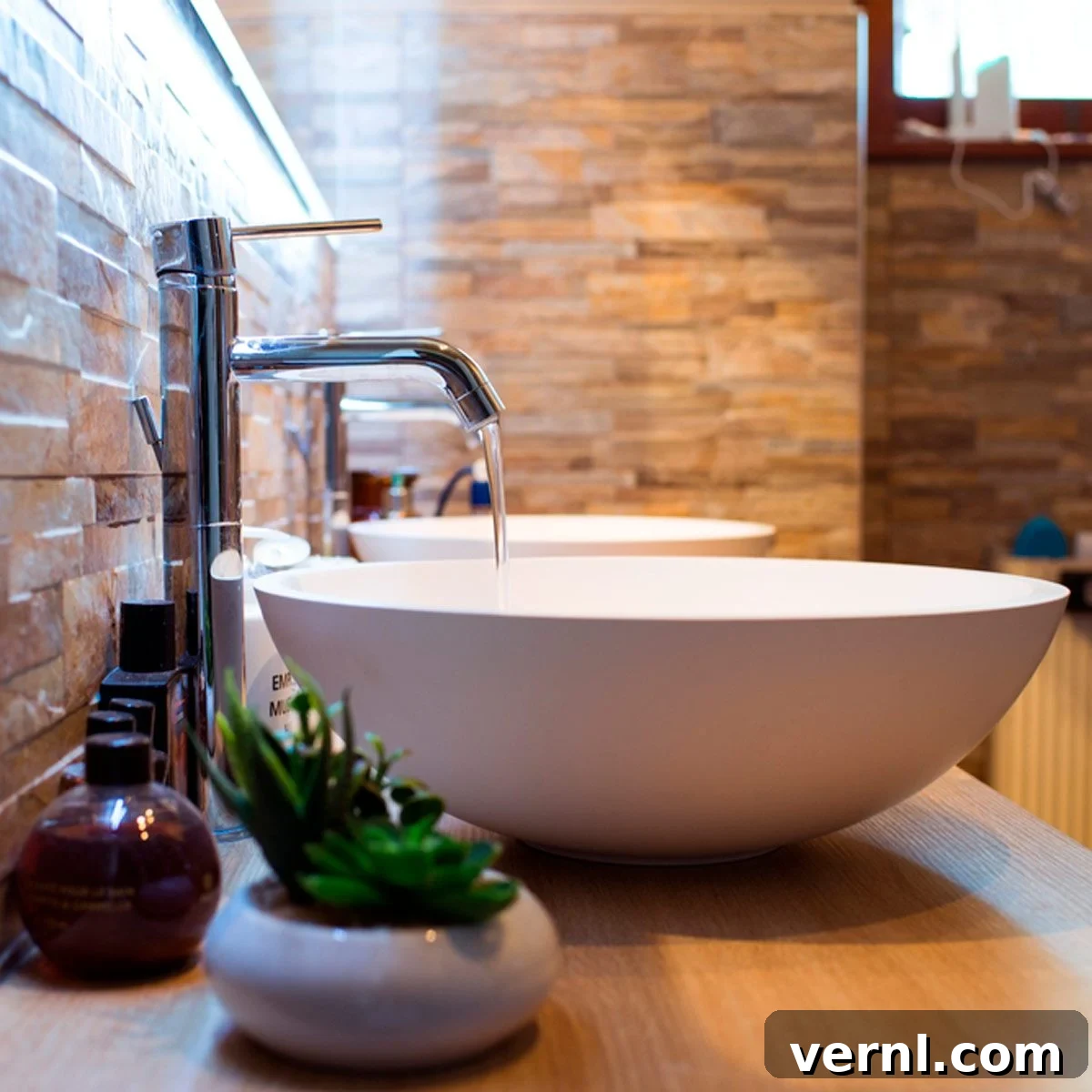
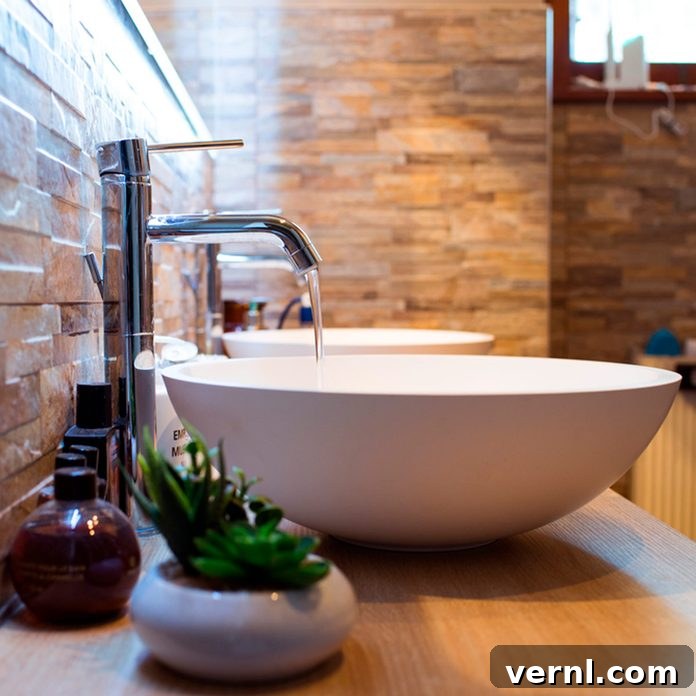
There’s a distinctive moment etched in many people’s minds: the first encounter with a vessel sink. Perhaps you stepped into a meticulously designed bathroom at a friend’s newly renovated home, a sophisticated restaurant, or a boutique hotel, and your eyes were immediately drawn to that elegant bowl perched gracefully atop the vanity. It’s an undeniable design statement, evoking a sense of modern artistry, luxury, and unique flair. For many, it felt like discovering a sculptural piece rather than a mere plumbing fixture, bringing an unexpected touch of gallery-like eccentricity to a functional space.
This striking aesthetic has positioned vessel sinks as a prominent favorite in bathroom design and remodeling projects for well over a decade. They offer an immediate upgrade in visual appeal, transforming an ordinary countertop into a focal point. Their diverse range of materials—from sleek glass and classic ceramic to natural stone and polished metal—allows for incredible versatility in matching various interior styles, from minimalist contemporary to rustic chic. For homeowners looking to infuse their bathrooms with personality and a departure from conventional designs, the vessel sink often seems like the perfect solution.
However, as with many design-forward choices, the captivating artistry of vessel sinks often overshadows a few practical considerations that potential buyers should be acutely aware of. While their visual impact is undeniable, these unique fixtures come with their own set of characteristics that can influence daily use, maintenance, and long-term satisfaction. Before committing to this popular trend, it’s crucial to look beyond the immediate allure and understand the functional realities. This comprehensive guide will delve into the beautiful facade of vessel sinks to reveal five not-so-great features that every homeowner should consider.
The Aesthetic Appeal: Why Vessel Sinks Capture Our Imagination
Before we explore the practical challenges, it’s worth acknowledging the enduring popularity of vessel sinks. Their design philosophy champions the sink as an independent artistic element, rather than merely an integrated part of the countertop. This separation often creates an illusion of more counter space, as the eye perceives the bowl as sitting *on* the surface rather than consuming it. They also allow for greater creativity in material selection, as the entire bowl is exposed. The sheer variety—transparent glass bowls that sparkle, rugged stone basins that ground a space, or pristine ceramic that offers timeless elegance—means there’s a vessel sink to complement almost any design vision. This versatility, combined with their ability to instantly elevate a bathroom’s style quotient, is why they remain a go-to choice for homeowners seeking to make a bold design statement.
Understanding the Practicalities: Five Key Considerations for Vessel Sinks
While the visual impact of a vessel sink is undeniable, it’s essential to consider how these design choices translate into everyday functionality. Here are five practical aspects that prospective owners should carefully evaluate:
-
They Can Be Annoyingly Tough to Clean and Maintain
One of the most frequently cited drawbacks of vessel sinks is their cleaning complexity. Unlike traditional drop-in or under-mount sinks, vessel sinks have a greater exposed surface area, including the entire exterior of the bowl and the rim where it meets the countertop. This creates additional nooks and crannies where water spots, soap scum, and grime can accumulate, demanding more meticulous attention during your cleaning routine.
The junction where the base of the vessel sink meets the vanity top is particularly prone to collecting dust, water, and debris, often requiring extra effort to scrub and dry thoroughly. Furthermore, the inherent design of many vessel sinks, with their elevated sides, can lead to increased splashing. Water tends to rebound off the higher walls, often showering the surrounding countertop, mirror, and even the user. For a lightly used guest bathroom, this might be a minor inconvenience. However, in high-traffic family bathrooms, the daily ritual of wiping down not just the sink but also the entire surrounding area after every use—especially with clear glass vessels that show every smudge—can become genuinely tiresome and time-consuming. Regular, thorough cleaning is essential to prevent unsightly buildup and maintain their pristine appearance.
For fast and spotless bathroom cleaning, understanding effective techniques can make a significant difference in managing these design-forward fixtures.
-
Overflows Are Imminent: A Silent Threat to Your Bathroom
A standard feature in most traditional bathroom sinks is the overflow drain—a small opening near the top of the bowl designed to prevent accidental flooding. If the main drain becomes clogged or the faucet is inadvertently left running, this overflow hole acts as a critical safety mechanism, channeling excess water into the drainpipe before it spills over the rim and onto your floor and vanity.
A significant majority of vessel sinks, however, are designed without an overflow drain. This omission is often due to their aesthetic-driven design, aiming for a seamless, minimalist look. While visually appealing, this lack of an overflow poses a genuine risk. Should a blockage occur or a faucet be left dripping, there’s no backup system to prevent water from quickly reaching the brim and cascading onto your countertop and floor. This can lead to substantial water damage to your vanity, flooring, and potentially the subfloor, resulting in costly repairs and mold growth. Homeowners opting for a vessel sink must be extra vigilant about turning off faucets completely and addressing any drain clogs promptly. The convenience of a traditional sink’s safety net is notably absent here, requiring a heightened level of awareness and maintenance to avoid potential disasters.
If you do encounter a clogged sink, knowing how to tackle it effectively without harsh chemicals is a valuable skill for any homeowner.
-
They Can Get Rocky: Stability and Durability Concerns
The installation method of vessel sinks, where they are attached at a single point (their base) to the countertop, contributes to both their ease of installation and a potential vulnerability: stability. While this single-point attachment simplifies the initial setup compared to the more intricate routing required for under-mount sinks, it can also lead to increased susceptibility to instability over time. Heavy use, accidental bumps, or improper installation can cause the sink to loosen, leading to a noticeable wobble. This isn’t just an minor annoyance; a shaky sink can put stress on the plumbing connections, potentially leading to leaks or even cracking the sink or countertop if it’s subjected to excessive force.
Maintaining the stability of a vessel sink requires periodic inspection and tightening of its mounting hardware. The weight and material of the sink also play a role; heavier stone or ceramic vessels, while robust, can exert more leverage if not secured perfectly. Conversely, lighter materials might feel less sturdy. Ensuring professional installation with appropriate sealants and fasteners is paramount to mitigating this issue. While not a deal-breaker for everyone, it does introduce an extra layer of maintenance compared to sinks that are more integrally supported by the countertop structure.
-
They’re Tough for the Little Ones (and Sometimes Adults Too!)
The defining characteristic of a vessel sink is its elevated position; it sits atop the vanity, significantly raising the bowl’s rim above the standard countertop height. While this design element contributes to its unique aesthetic, it inadvertently creates an ergonomic challenge, particularly for younger users and even shorter adults. For children, reaching the faucet comfortably and washing their hands without stretching or straining can be quite difficult, transforming a simple routine into an uncomfortable and messy experience.
This increased height means that kids often have to stand on their tiptoes or lean awkwardly, making it harder to maintain good hygiene and leading to more splashes outside the sink. It can also pose challenges for individuals with mobility issues or those who simply prefer a more accessible and comfortable sink height. When designing a family bathroom or a space that will be used by individuals of varying heights, the practical implications of a vessel sink’s elevation should be carefully weighed against its aesthetic appeal. Ensuring a comfortable and accessible experience for all users is a critical aspect of thoughtful bathroom design.
If you’re set on a vessel sink for a family bathroom, be sure to have a sturdy, slip-resistant step-stool readily available to help bridge the height gap for your kiddos. For broader inspiration, here are 21 beautiful bathrooms to inspire you with various functional layouts.
-
They May Date Your Space: Navigating Bathroom Design Trends
Design trends are cyclical, and while vessel sinks have enjoyed prolonged popularity, their distinct aesthetic can sometimes be perceived as a fleeting trend rather than a timeless classic. For homeowners who prioritize longevity in design and aim for a look that will remain fresh and relevant for many years, the trendiness of vessel sinks becomes a point of careful consideration. While they are undoubtedly still a popular choice for new builds and modern remodels, there’s an ongoing debate among designers and consumers alike about their long-term stylistic staying power.
Opting for a highly distinctive or “trendy” fixture carries the inherent risk that it might eventually look dated, potentially necessitating another renovation sooner than anticipated or impacting resale value for buyers seeking more classic elements. If your personal design philosophy leans towards playing it safe and investing in enduring aesthetics, a more traditional under-mount or drop-in sink might be a more prudent choice. These alternatives offer a cleaner, more integrated look that often transcends passing fads, providing a neutral backdrop for other design elements.
Alternatively, for a sleek and space-saving option that has a timeless appeal, consider a wall-hung sink and install it with these straightforward instructions. This allows for easier cleaning of the floor beneath and can contribute to a more open, spacious feel in the bathroom.
Making an Informed Decision: Is a Vessel Sink Right for You?
Ultimately, the decision to install a vessel sink comes down to a balance between your personal aesthetic preferences and practical lifestyle needs. They offer an undeniable visual statement, bringing a touch of modern elegance and artistic flair that can truly transform a bathroom. For those who prioritize unique design and are prepared to accommodate the specific maintenance and functional considerations, a vessel sink can be a magnificent addition.
However, for homeowners with young children, those who value maximum ease of cleaning, or individuals who prefer timeless designs over transient trends, exploring alternative sink styles might lead to greater long-term satisfaction. Considerations such as the height of the vanity, the type of faucet, and the overall usage patterns of the bathroom should all factor into your choice. Professional installation is always recommended to ensure proper stability and plumbing connections, regardless of your final decision.
By understanding both the captivating allure and the practical nuances of vessel sinks, you can make an informed choice that ensures your bathroom is not only stunning but also perfectly functional for your everyday life. A truly beautiful bathroom is one that perfectly marries form and function, delivering both visual delight and seamless utility.
If your entire bathroom is in need of a dramatic transformation, these inspiring before and after bathroom makeovers can provide the motivation and ideas you need to get started on your next weekend project.