As the warmth of summer fully embraces us, activating your home’s air conditioning becomes a daily ritual. This often leads to a familiar household debate: one person might find the thermostat setting too chilly, while another feels uncomfortably warm because the temperature is perceived as too high. Achieving the perfect balance that satisfies everyone can seem like a daunting task, yet it’s crucial for both comfort and cost efficiency.
No one enjoys feeling sticky and overheated in their own home, especially not during the peak of summer, just as wearing a heavy sweater in July feels completely out of place. This comprehensive guide will delve into the optimal thermostat settings for summer, aiming to keep every member of your household comfortably cool while simultaneously preventing your energy bill from soaring through the roof. We’ll explore expert recommendations, practical tips for personal comfort, and advanced thermostat technologies that can revolutionize your summer cooling strategy.
Discovering the Ideal Thermostat Setting for Summer Comfort and Savings
Just as 68°F (approximately 20°C) is widely recognized as the ideal winter thermostat setting for balancing warmth and energy use, energy experts generally agree that 78°F (about 25.5°C) is the “magic number” for maintaining comfort during the warmer summer months. This interior temperature is considered amenable to most individuals within a typical household, providing a comfortable environment without overworking your air conditioning system.
According to leading energy providers like Direct Energy, while family members might require a brief adjustment period, settling on 78°F strikes a perfect equilibrium. It effectively keeps everyone cool and comfortable while playing a significant role in containing your monthly energy expenditures. Setting your thermostat higher than this during the day when people are home can lead to discomfort and a less efficient system as it struggles to catch up, whereas setting it too low drastically increases energy consumption.
Optimizing Nighttime Temperatures for Restful Sleep and Reduced Bills
To further enhance energy savings without sacrificing sleep quality, some sources recommend adjusting your thermostat to a slightly higher range, typically between 80°F and 82°F (26.5°C to 27.5°C), during the night when everyone is asleep. Our body temperature naturally decreases as we enter deeper sleep cycles, making us more tolerant of slightly warmer ambient temperatures. To maximize comfort at these settings, consider wearing lightweight or minimal sleepwear, using only a sheet or a thin blanket, and ensuring good air circulation in the bedroom. This small adjustment can contribute significantly to a lower energy bill over the summer season.
Maximizing Savings When Your Home is Unoccupied
The U.S. Department of Energy’s Energy Saver website strongly advises turning your thermostat up when your house is unoccupied. This simple action can lead to substantial savings on your electricity bill and provide your air conditioner with a much-needed break. Direct Energy suggests setting your thermostat as high as 88°F (31°C) when no one is home for extended periods, especially if you’re away on vacation. Allowing your home to warm up slightly prevents your AC from running unnecessarily, yet it doesn’t allow temperatures to climb so high that your system has to work excessively hard to cool it down upon your return.
However, if you have pets in the home, it’s crucial to consider their well-being. Birds and many small mammals, for instance, cannot safely tolerate indoor temperatures exceeding 85°F (29.5°C). Similarly, dogs should not be left in indoor environments where temperatures rise above 82°F (27.8°C). Always prioritize the safety and comfort of your beloved companions when adjusting your thermostat for energy savings. If you have pets, it’s often better to set the thermostat to a pet-safe temperature (e.g., 80-82°F) even when unoccupied, rather than risking their health.
Adjusting Your Internal Thermostat: Personal Comfort Strategies
While 78°F may be the scientifically recommended thermostat setting for optimal energy efficiency, it’s perfectly understandable if some individuals still find it uncomfortably warm. Several factors can influence how a particular temperature feels, including the home’s geographical location, the amount of direct sunlight it receives, and the quality of its insulation. If you or other household members feel that 78°F is still too high, don’t despair! Here are some practical and effective tips for staying cool that complement your AC settings:
- Choose Lightweight, Loose-Fitting Clothing: Opt for breathable fabrics like cotton or linen. Loose clothing allows air to circulate more freely around your body, facilitating natural cooling through evaporation.
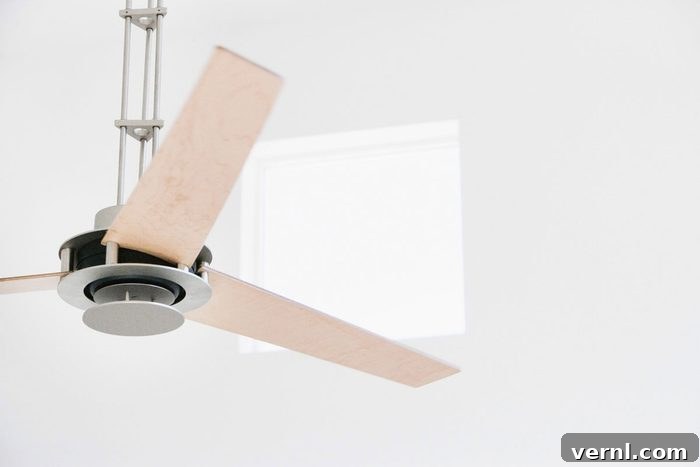
- Utilize Ceiling Fans Strategically: Ceiling fans create a wind-chill effect, making you feel cooler without actually lowering the room’s temperature. Remember to use them only when you are in the room, as they cool people, not spaces. Ensure your fan rotates counter-clockwise in summer to push air downwards.
- Avoid Heat-Generating Appliances During Peak Hours: The oven, stovetop, dishwasher, and clothes dryer all generate significant heat. Try to use these appliances during cooler parts of the day, such as early morning or late evening, or opt for outdoor grilling when possible to keep indoor heat levels down.
- Take Cool Showers or Baths: A quick cool shower before bedtime can significantly lower your core body temperature, making it easier to fall asleep and remain comfortable throughout the night. Even a cool foot soak can provide relief.
- Block Out Sunlight: Close curtains, blinds, or shades during the hottest parts of the day, especially on south and west-facing windows. This can dramatically reduce solar heat gain and keep your home cooler. Consider investing in blackout curtains for maximum effect.
- Stay Hydrated: Drinking plenty of water helps your body regulate its temperature. Keep a pitcher of water in the fridge and sip throughout the day.
If these measures aren’t quite enough, consider a gradual adjustment: try lowering your thermostat by just one degree each day. This incremental approach allows everyone’s body to slowly acclimate to the change, helping you pinpoint the most comfortable and energy-efficient temperature for your household.
The Critical Role of Thermostat Placement in Home Cooling Efficiency
Regardless of the outdoor weather conditions, the precise placement of your thermostat critically impacts the performance and accuracy of your heating and cooling system. A thermostat situated in an inappropriate area of your home will provide an inaccurate temperature reading, often referred to as a “ghost reading.” While this phenomenon is more frequently discussed in relation to winter heating, it can equally pose a significant problem during the summer months, leading to inefficiencies and discomfort.
If your thermostat is located in a part of the home that consistently runs hotter than the rest, it will continuously signal your air conditioner to pump cool air. This happens even if other areas of your home have already reached or surpassed the desired temperature of 78°F or lower. This leads to wasted energy, uneven cooling, and higher utility bills. To ensure optimal performance and accurate temperature sensing, it’s best to avoid the following locations for thermostat installation:
- Areas in Direct Sunlight: A thermostat directly exposed to sunlight will register a falsely high temperature, causing your AC to overcool the entire house.
- Directly Above Air Vents or Near Ducts: Proximity to a supply vent can lead to a falsely low reading, as the thermostat is constantly bathed in cooled air. This can cause your AC to cycle off prematurely, leaving other areas warm.
- Kitchens: Kitchens are naturally warmer rooms due to heat generated from cooking appliances and often receive more direct sunlight. Placing a thermostat here will likely result in a falsely high reading and inefficient cooling throughout the rest of the home.
- Near Doors or Windows: Drafts, sunlight, and ambient heat radiating from poorly insulated doors or windows can create localized temperature fluctuations, leading to inaccurate readings and an overworked AC unit.
- Near Heat-Emitting Appliances: Appliances like televisions, lamps, or computers can give off enough heat to influence the thermostat’s reading, tricking it into thinking the room is warmer than it is.
Rest assured, you don’t need to worry about running a ceiling fan in the same room as your thermostat. Ceiling fans are designed to cool people by creating a breeze, not to lower the ambient air temperature. Therefore, their operation will not affect your thermostat’s reading or its ability to accurately measure the room’s temperature.
Understanding How Your Thermostat Regulates Temperature
A thermostat is essentially the brain of your HVAC system. When you set your thermostat to a specific temperature, its primary objective is to maintain that precise condition within your home. It accomplishes this through a sophisticated interplay of sensors and controls. The thermostat continuously monitors the current indoor air temperature. If the actual temperature rises above your set point in summer, the thermostat sends a signal to your air conditioning unit to turn on and begin the cooling cycle. The AC will run until the indoor temperature drops to or slightly below your desired setting.
Conversely, if the temperature inside your home dips below its target setting (which can happen on cooler summer days, or if the AC over-cycles in an inefficient system), the thermostat will attempt to correct this. In most modern systems, it will simply turn off the cooling system, allowing the temperature to naturally rise back to the set point. In some advanced or integrated systems, particularly in climates with fluctuating temperatures, it might even activate the heating element for a short period to bring the room back up to the set temperature, ensuring consistent comfort. This constant monitoring and adjustment prevent your home from becoming too cold or too warm, optimizing both comfort and energy usage.
Unlocking Greater Efficiency: Getting More Out of Your Thermostat
To truly maximize your home’s comfort levels and achieve significant energy savings, especially during the demanding summer months, it might be time to consider upgrading your thermostat. Modern thermostats offer advanced features that go far beyond simple temperature control, allowing for precise adjustments based on time of day, occupancy, and even external weather conditions. Here are some excellent options to explore:
- Smart Thermostats: These cutting-edge devices connect seamlessly to your home’s WiFi network, offering unparalleled control and efficiency. Smart thermostats can learn your household’s schedule and preferences, automatically adjusting temperatures to optimize comfort and energy use. Many feature geofencing capabilities, which can detect when you leave or approach your home and adjust the temperature accordingly. Some even allow you to place motion sensors in individual rooms, ensuring that you only cool or heat a room when it’s occupied. They often integrate with other smart home systems, providing a centralized control hub for your home environment.
- Programmable Thermostats: Offering a step up from basic models, programmable thermostats allow you to set specific temperature schedules for different times of the day and days of the week. While simpler versions require you to program settings directly at the wall unit, many contemporary models come with dedicated apps, enabling convenient remote control. This functionality empowers you to program indoor temperatures based on your household’s typical usage patterns. For instance, you can set higher, energy-saving temperatures during weekdays when everyone is away at work or school, and then revert to cooler, more comfortable settings for evenings and weekends.
- WiFi Thermostats: As their name suggests, WiFi thermostats connect to your home’s wireless internet service, granting you the ability to remotely check and change your home’s temperature from an app on your smartphone or tablet, no matter where you are. This feature is incredibly convenient for adjusting settings before you arrive home, or making last-minute changes if your plans shift. While not all WiFi thermostats are “smart” in the sense of learning algorithms, they all offer the significant advantage of remote accessibility, putting control literally at your fingertips.
Investing in an upgraded thermostat is an investment in your home’s comfort and your wallet. By understanding and utilizing these advanced features, you can achieve a perfectly comfortable indoor environment all summer long, while also enjoying considerable savings on your energy bills.
Final Thoughts on Summer Cooling and Energy Efficiency
Achieving the ideal balance between staying cool and managing energy costs in summer doesn’t have to be a constant battle. By understanding the recommended thermostat settings, implementing smart personal comfort strategies, optimizing your thermostat’s placement, and considering an upgrade to a more advanced model, you can significantly enhance your home’s energy efficiency and ensure a consistently comfortable environment for everyone.
Remember that small changes can lead to big savings. Regularly monitoring your energy usage, making conscious decisions about when and how to cool your home, and leveraging technology will empower you to enjoy a stress-free, comfortable, and energy-efficient summer. Take control of your home’s climate and make this summer your coolest and most cost-effective yet.