Your upholstered furniture, particularly your beloved sofa or couch, endures far more daily wear and tear than you might initially realize. From the playful antics of energetic children and inevitable food and beverage spills to the cozy naps of family pets, your couch can gradually accumulate dirt, grime, and an unpleasant ‘funky’ smell over time. This makes knowing how to effectively clean a couch an incredibly valuable skill, especially if your home frequently hosts gatherings, movie nights, or lively social events.
While the prospect of deep cleaning your sofa might seem daunting, achieving a remarkably fresh and odor-free couch can be surprisingly simple and cost-effective. There’s no need to splurge on expensive professional upholstery cleaning services or invest in specialized upholstery spot cleaning machines to eliminate lingering odors or minor stains from your cherished furniture. Instead, you can achieve excellent results with a few common household items and a straightforward process.
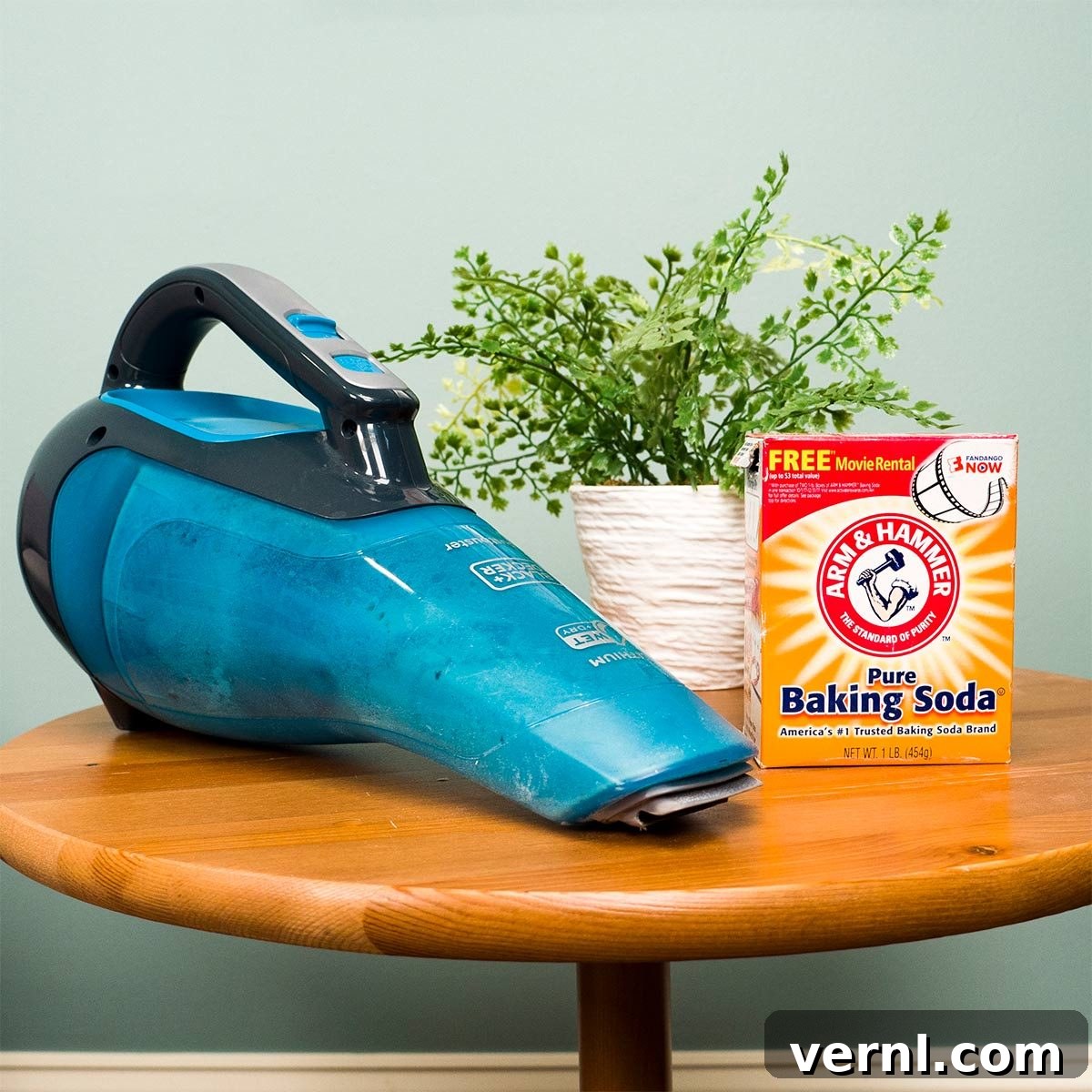
This comprehensive guide will walk you through a powerful, all-natural cleaning method using a staple from your pantry: baking soda. All you’ll need are some baking soda, a soft-bristled brush, and a handheld or upright vacuum cleaner equipped with the appropriate attachments. Baking soda, often underestimated, is an incredibly versatile substance with remarkable cleaning and deodorizing properties. To further understand its efficacy, we consulted Allen Rathey, the esteemed director of the Indoor Health Council™, who sheds light on why this simple powder is so effective.
Why Your Couch Needs Regular Cleaning: Beyond Just Looks
Our sofas are central hubs for relaxation and socializing, but this constant use exposes them to a multitude of pollutants. Everyday dust, pet dander, human skin cells, body oils, food crumbs, spilled drinks, and even airborne particles from cooking or outdoor air all settle into the fabric fibers. Over time, these accumulate, creating an ideal environment for bacteria and microscopic organisms that contribute to unpleasant odors. A truly clean living space isn’t just about appearances; it significantly impacts indoor air quality and overall comfort. Regular cleaning not only extends the life of your furniture but also ensures a healthier, more inviting environment for everyone in your home.
Understanding the common culprits behind a smelly couch emphasizes the need for an effective cleaning solution. Pet accidents, even small ones, leave behind persistent odors. Food and drink spills, if not promptly cleaned, can attract mold and mildew, leading to musty smells. Even regular human use deposits oils and sweat, which can break down over time and create a stale aroma. Tackling these issues with a natural and powerful deodorizer like baking soda provides an eco-friendly and safe alternative to harsh chemical cleaners.
Preparing Your Couch for a Deep Clean
Before you begin the baking soda treatment, a little preparation goes a long way to ensure the best possible results. Start by thoroughly inspecting your couch. Check the care tag, usually located on the underside of a cushion or along a seam, for specific cleaning instructions. While baking soda is generally safe for most fabrics, it’s always wise to be informed about your upholstery material. For delicate fabrics or materials you’re unsure about, performing a spot test in an inconspicuous area is absolutely crucial. Apply a small amount of baking soda mixture (or just dry baking soda) to a hidden spot, let it sit for a few minutes, then vacuum or wipe away to check for any discoloration or adverse reactions.
Next, remove all cushions, pillows, and any other removable elements from your couch. This ensures you can access every nook and cranny. Use a stiff brush or a lint roller to remove any obvious debris like pet hair, food crumbs, or lint from both the couch frame and the removed cushions. This initial physical removal of larger particles prevents them from becoming embedded deeper during the cleaning process and allows the baking soda to work more directly on odors and fine dirt.
How to Clean a Couch with Baking Soda: A Step-by-Step Guide
This simple, yet highly effective method will leave your couch looking and smelling refreshed. Follow these steps carefully for optimal results:
- Step 1: Remove Cushions and Initial Vacuuming. If the cushions on your couch are removable, carefully take them off and set them aside. Using your handheld vacuum cleaner or an upright vacuum with an upholstery attachment, thoroughly vacuum the entire surface of the couch frame and all sides of the removable cushions. Pay close attention to crevices, seams, and areas where pet hair or crumbs tend to accumulate. This crucial initial step removes loose dirt, dust, and pet hair, allowing the baking soda to work more efficiently on embedded odors and grime. Ensure you get into all the hidden spots where debris might be lurking.
- Step 2: Generous Application of Baking Soda. Once the couch is free of loose debris, spread a generous and even layer of baking soda over the entire fabric surface of the couch. Don’t be shy; aim for a visible white layer. Make sure to cover the main seating areas, armrests, backrests, and all sides of each removable cushion. The more surface area the baking soda covers, the more effectively it can absorb odors.
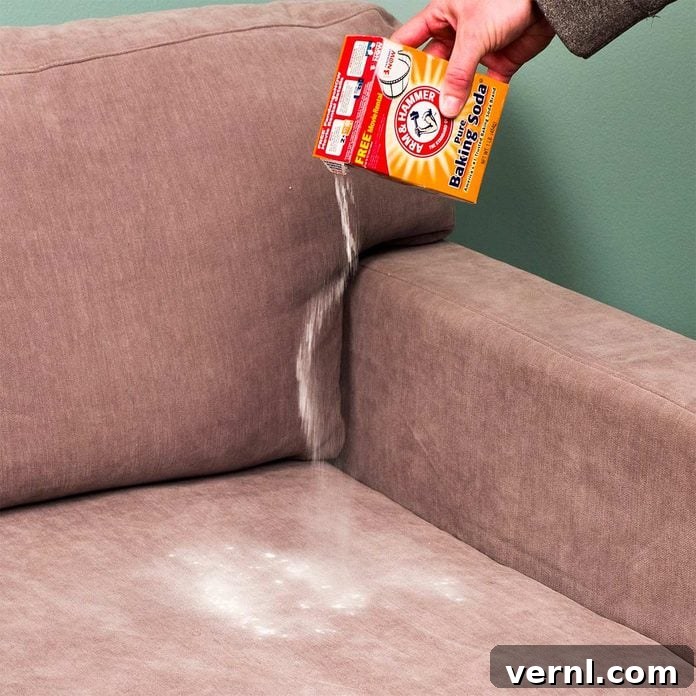
- Step 3: Work the Baking Soda into the Fabric. With an upholstery cleaning brush or any other clean, soft-bristled brush, gently work the baking soda powder into the fabric fibers. Use circular motions or brush in the direction of the fabric’s nap. This action helps the baking soda penetrate deeper into the upholstery, making better contact with odor-causing particles and absorbing them more effectively. To prevent any damage to the upholstery, always use a soft-bristled brush and avoid brushing too aggressively or against the fabric’s grain.
- Step 4: Allow Time for Absorption. This is where the magic truly happens. Allow the baking soda to rest on the fabric and absorb odors for a minimum of 20 minutes to an hour. For couches with particularly strong or stubborn odors (like pet odors or old food smells), extend this resting period to several hours, or even overnight if possible. The longer the baking soda sits, the more time it has to neutralize and absorb unpleasant smells and moisture.
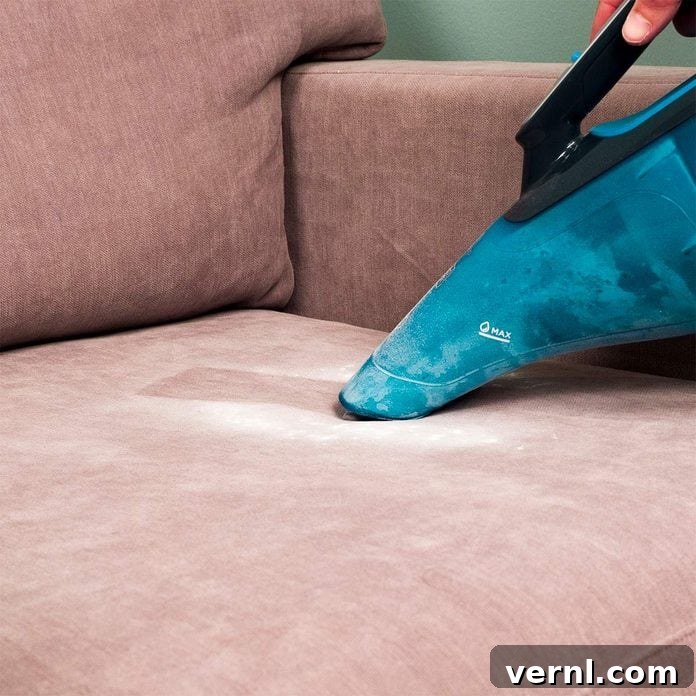
- Step 5: Meticulous Vacuuming. Using your handheld vacuum or your upright vacuum cleaner equipped with its upholstery attachment, meticulously vacuum up all the baking soda powder from the entire surface of the couch and cushions. Take your time with this step to ensure every last speck of baking soda is removed. A powerful vacuum with good suction is ideal. After all the baking soda has been thoroughly removed, replace the cushions in their original positions.
That’s all there is to it! You’ll be amazed at the transformation. Your couch will not only look visually cleaner but will also exude a noticeably fresh and clean scent, inviting you and your guests to relax in comfort.
This simple yet incredibly effective method works wonders for removing odors from a wide range of upholstered fabric furniture. Beyond sofas, you can apply this technique to armchairs, dining room chair sets, fabric headboards, and even the fabric seats in your vehicle, bringing a new lease of life to various items around your home.
What Makes Baking Soda Such an Effective Cleaner and Deodorizer?
Baking soda, scientifically known as sodium bicarbonate, is truly a jack-of-all-trades when it comes to household cleaning. Beyond being one of the most effective tools for cleaning and deodorizing couches, upholstery, fabrics, and carpets, its uses extend far and wide. It can be used to scrub bathroom tiles, absorb odors from footwear or litter boxes, polish silverware, and even act as a mild antacid. As Allen Rathey, director of the Indoor Health Council™, wisely cautions, “since couch materials vary, always test first in an inconspicuous spot” to ensure compatibility.
Baking soda’s remarkable versatility stems from its chemical composition. It is a mild alkali, meaning it has a pH level slightly above neutral. As Rathey states, it registers at 8.3 on the pH scale. This non-toxic, eco-friendly powder works its magic in several key ways:
- Odor Neutralization: Many common household odors are acidic in nature (e.g., pet urine, sour milk, body odor). Baking soda, being alkaline, chemically reacts with these acidic odor molecules, neutralizing them rather than just masking them. This chemical reaction breaks down the odor-causing compounds, eliminating the smell at its source.
- Moisture Absorption: Baking soda is hygroscopic, meaning it readily absorbs moisture. Dampness often contributes to unpleasant, musty odors and provides an environment for mold and mildew growth. By absorbing excess moisture from fabric fibers, baking soda helps to dry out the area and inhibit the growth of odor-producing microorganisms.
- Mild Abrasive Action: In paste form or when brushed into fabric, baking soda acts as a gentle abrasive. This mild scrubbing action helps to lift dirt and grime from upholstery fibers, aiding in the removal of light stains and deeply embedded particles.
This unique combination of properties makes baking soda an unparalleled natural solution for maintaining a clean and fresh home, without resorting to harsh chemicals that can be detrimental to health or the environment.
Frequently Asked Questions About Cleaning with Baking Soda
Can I use baking soda on all types of upholstery?
While baking soda is remarkably versatile and generally safe for most types of upholstery, there are a few exceptions. Delicate fabrics such as silk and velvet could potentially be damaged or discolored by baking soda, or it might leave a residue that’s difficult to remove from their unique textures. Additionally, leather upholstery could become dried out or stripped of its natural oils if treated with baking soda. For these sensitive materials, it’s best to consult professional cleaners or specialized cleaning products. If you are ever unsure whether baking soda might damage your specific upholstery fabric, always perform a small spot test on an inconspicuous area first, such as the back of a cushion or a hidden seam, to observe any adverse reactions before proceeding with a full application.
How often should I clean my couch with baking soda?
The frequency of cleaning your couch with baking soda largely depends on several factors specific to your household and lifestyle. You should consider a baking soda treatment any time you feel your couch needs deodorizing or a deep refresh. This could range from once a month for heavily used couches with pets and children, to every few months for less frequently used furniture. Key indicators include noticeable odors, visible dirt accumulation, or after spills. Factors like how often your couch is used, whether people eat and drink on it regularly, if pets frequently use the couch, and even the general air quality in your home all play a role in determining the ideal cleaning schedule. Trust your senses – if it looks or smells like it needs a refresh, it probably does!
Will baking soda remove deep stains or just odors?
Baking soda is primarily known for its powerful odor-neutralizing properties, but it can also be quite effective in addressing certain types of stains, particularly fresh ones or those caused by acidic substances. When applied dry, baking soda helps to absorb moisture and oils from stains. For more stubborn or deeper stains, creating a paste with baking soda and a small amount of water can significantly enhance its stain-lifting capabilities. The mild abrasive nature of the baking soda paste, when gently rubbed into the stain, helps to dislodge and lift the staining particles from the upholstery fibers. While it may not remove every single deep-set or old stain, especially oil-based or dye-based ones, it’s an excellent first line of defense and a valuable tool for tackling many common spills and marks.
What if the odor persists after one treatment?
If a particularly stubborn odor persists after your initial baking soda treatment, don’t despair! You can absolutely repeat the process. For very strong odors, consider leaving the baking soda on the couch for an extended period, perhaps overnight, to maximize its absorption capabilities. Ensure you are applying a truly generous layer and working it thoroughly into the fabric. For odors related to pet accidents, you might need to address the underlying issue first with an enzymatic cleaner designed to break down organic matter, followed by the baking soda treatment for deodorizing. If all else fails, and the odor remains, it might indicate a deeply embedded issue that could require professional upholstery cleaning.
Is baking soda safe for households with pets and children?
Yes, one of the significant advantages of using baking soda for cleaning is its safety. Baking soda is a non-toxic, food-grade substance, making it an excellent choice for homes with pets and children. Unlike many commercial chemical cleaners that can leave behind harmful residues or emit strong fumes, baking soda is naturally derived and environmentally friendly. You can use it with peace of mind, knowing that your loved ones and furry friends won’t be exposed to harsh chemicals. However, as with any powdery substance, it’s always wise to ensure that children and pets are not directly inhaling large quantities during the application and vacuuming process.
About the Expert
Allen Rathey is the director of the Indoor Health Council™, an esteemed organization dedicated to fostering a deeper understanding of the crucial connection between effective cleaning practices, scientific principles, and public health outcomes. His insights provide valuable context to the efficacy of simple, natural cleaning solutions.