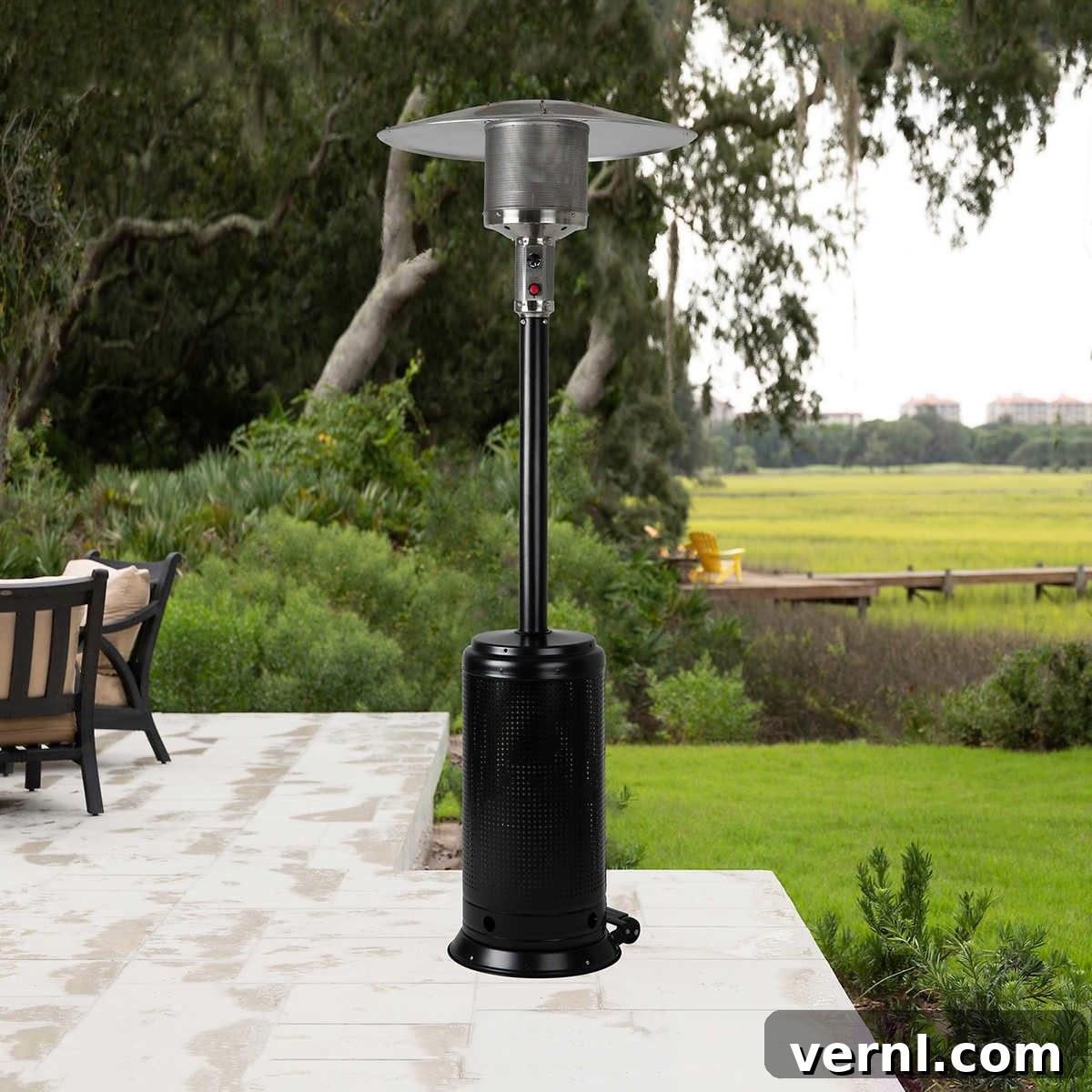
Master Your Propane Patio Heater: Essential Usage, Maintenance, and Troubleshooting Guide
As the trend of outdoor living spaces continues to flourish, propane outdoor patio heaters have become an indispensable amenity for many homeowners. Whether you’re extending your evening gatherings into the cooler months or simply enjoying a tranquil moment on your patio, these heaters provide crucial warmth and comfort. Especially with the ongoing emphasis on outdoor socializing, their popularity has surged, allowing friends and family to gather comfortably even when temperatures drop.
If you’ve recently invested in one of these fantastic heating solutions or are considering purchasing one, understanding its proper usage and maintenance is key to maximizing its performance and longevity. This comprehensive guide will walk you through everything you need to know to keep your patio heater functioning optimally, ensuring many seasons of cozy outdoor enjoyment.
Why Propane Patio Heaters Are a Top Choice
Patio heaters utilize various fuel sources, including electricity and natural gas. However, propane patio heaters stand out with distinct advantages that make them a preferred option for many homeowners.
Advantages of Propane
- Unmatched Portability: Unlike electric heaters that require an outlet or natural gas heaters tethered to a fixed gas line, propane units are highly portable. You can easily move them to different areas of your patio, deck, or backyard as needed, offering unparalleled flexibility for your outdoor setup.
- Cost-Effective Fuel: Propane is generally an affordable and readily available fuel source. Propane tanks are easily refilled or exchanged at various retailers, making it convenient to keep your heater running.
- Independent Operation: Propane heaters operate independently of municipal gas or electrical hookups. This means you can use them virtually anywhere outdoors, from remote cabins to large backyards, without worrying about infrastructure limitations.
- Powerful Heat Output: Propane heaters are known for their robust heat output, capable of warming significant outdoor areas efficiently.
When they first entered the market, patio heaters were often high-priced and primarily reserved for commercial establishments like restaurants and cafes looking to extend their outdoor dining seasons. However, increasing consumer demand has driven manufacturers to innovate and produce more affordable and accessible units. Today, the price point for quality propane patio heaters is well within reach of the average homeowner, and you can find them readily available at most home improvement and garden centers.
Regardless of how reasonably priced or advanced your heater might be, acquiring some basic knowledge about its operation, common issues, and preventative maintenance will undoubtedly help you avoid unnecessary repair or replacement expenses, ensuring you get the most out of your investment.
Choosing the Right Propane Patio Heater
Before diving into usage and maintenance, it’s worth considering what makes a good propane patio heater, especially if you’re still in the market. Making an informed choice at the outset can prevent future headaches.
- BTU Output: British Thermal Units (BTUs) indicate the heater’s heating power. For residential use, heaters typically range from 30,000 to 48,000 BTUs. Consider the size of your patio and the ambient temperatures you expect to determine the appropriate BTU level for effective heating.
- Safety Features: Prioritize models with essential safety features. An automatic shut-off valve, which turns off the gas supply if the pilot light goes out, is crucial. A tilt-switch feature, which shuts off the heater if it’s accidentally knocked over, provides an additional layer of protection.
- Build Quality and Material: Look for heaters constructed from durable, weather-resistant materials like stainless steel. This ensures longevity and resistance to rust and corrosion, especially if the heater will be stored outdoors.
- Design and Aesthetics: Patio heaters come in various styles, from classic mushroom-top designs to pyramid flame heaters. Choose a design that complements your outdoor decor.
- Portability and Stability: While propane heaters are inherently portable, some models include wheels for easier movement. Ensure the base is wide and stable to prevent tipping, particularly in windy conditions.
Essential Safety Guidelines for Propane Patio Heaters
Safety should always be your top priority when operating any gas-fueled appliance. Propane patio heaters, while generally safe, require adherence to specific guidelines to prevent accidents and ensure peace of mind.
- Read the Manufacturer’s Manual: This is the most critical first step. Every heater model has unique specifications and safety instructions. Familiarize yourself with them thoroughly before setup or operation.
- Maintain Clearances: Always ensure adequate clearance around the heater from combustible materials, including walls, ceilings, trees, awnings, and furniture. Consult your manual for specific minimum clearance distances, typically 2-3 feet on the sides and 1-2 feet overhead.
- Operate in Well-Ventilated Areas: Propane heaters are strictly for outdoor use. Never operate them indoors, in enclosed tents, or partially enclosed spaces without proper ventilation. Carbon monoxide, an odorless and colorless gas, can accumulate in poorly ventilated areas and be fatal.
- Place on a Stable, Level Surface: Position your heater on a firm, level, non-combustible surface to prevent it from tipping over. Uneven ground can increase the risk of accidental falls.
- Check for Leaks: Before initial use and after any tank changes or maintenance, perform a leak test. Mix a solution of dish soap and water and apply it to all connections. If you see bubbles, there’s a leak. Tighten connections or replace faulty parts immediately.
- Never Leave Unattended: Do not leave an operating patio heater unattended, especially if children or pets are present. Always turn off the heater and disconnect the propane tank when not in use or before storing.
- Handle Propane Tanks Safely: Always store propane tanks upright in a well-ventilated outdoor area, away from direct sunlight, heat sources, and ignition sources. Never store a propane tank indoors.
Setting Up and Using Your Patio Heater Effectively
Operating a propane patio heater is straightforward, but proper initial setup and lighting procedures are essential for safe and efficient performance.
Connecting the Propane Tank
Before you can enjoy the warmth, you need to securely connect the propane tank to your heater.
- Ensure the propane tank valve is closed.
- Align the regulator on the heater’s hose with the valve on the propane tank.
- Screw the regulator coupling onto the tank valve. Tighten it by hand until snug. Do not overtighten, as this can damage the connection.
- Once connected, perform a leak test as described in the safety section using soapy water. Open the tank valve slightly and check for bubbles. If no bubbles appear, the connection is secure.
Lighting Your Patio Heater
The lighting procedure can vary slightly by model, but generally follows these steps:
- Fully open the valve on the propane tank.
- Locate the control knob on your heater. Turn it to the “Pilot” setting (if applicable) and depress it for 30-60 seconds to allow gas to flow to the pilot light.
- While still holding the knob down, press the igniter button repeatedly until the pilot light illuminates. You may need to hold the knob down for another 10-15 seconds after ignition to ensure the thermocouple heats up and keeps the pilot lit.
- Once the pilot light is stable, release the control knob and slowly turn it to the “On” or desired heat setting. The main burner should ignite.
- If your heater has a direct ignition system without a pilot light, simply turn the control knob to “On” and press the igniter button until the main burner lights. Adjust the flame height as desired.
- If the heater doesn’t light, turn off the gas, wait a few minutes for any gas to dissipate, and then try again.
Common Patio Heater Problems and Troubleshooting Solutions
Even with proper usage, you might occasionally encounter issues with your propane patio heater. Knowing how to diagnose and resolve common problems can save you time and the expense of a service call.
Heater Not Staying Lit or Shutting Off
This is one of the most frequently reported problems. Often, the heater will light, but then shut off after a few minutes, or it simply won’t stay lit.
- The Cause: Thermocouple Misalignment or Faulty Thermocouple. The thermocouple is a vital safety component that senses the heat from the pilot light (or main burner on some models). If it detects no heat, it assumes the flame is out and shuts off the propane flow to prevent gas leaks. If the thermocouple moves too far away from the pilot light, it won’t sense enough heat and will trigger the safety shut-off.
- The Fix:
- Turn off the gas supply at the propane tank and allow the heater to cool completely.
- Locate the access panel to the pilot and thermocouple assembly. Remove the panel, usually by unscrewing a few fasteners.
- Carefully inspect the thermocouple. It’s a small copper or metallic rod positioned very close to the pilot light flame.
- If the thermocouple appears too far from the pilot light, gently use a pair of pliers to lightly squeeze or bend the two pieces (thermocouple and pilot tube) closer together. The tip of the thermocouple should be directly in the path of the pilot flame.
- If misalignment isn’t the issue, or if the problem persists, the thermocouple itself might be faulty or corroded and require replacement. This is a common wear-and-tear item over time.
Low Flame or Insufficient Heat Output
If your heater lights but produces a weak flame or doesn’t generate enough heat, several factors could be at play.
- Kinked or Damaged Propane Hose: A crimped, bent, or damaged propane hose restricts the flow of gas to the burner, leading to reduced flame and heat. Critters can also chew on hoses, causing damage.
- Turn off the propane tank valve and disconnect the tank.
- Thoroughly inspect the entire length of the propane hose for any visible kinks, cracks, bulges, or signs of damage.
- If you find any damage, the hose must be replaced. To replace it, disconnect the bottom connection at the propane tank (unscrew it) and the top connection going to the pilot tube (this might involve removing a lock screw or disconnecting a quick-connect fitting, depending on your heater model).
- Install the new hose and regulator assembly in reverse order. Ensure all connections are hand-tightened and secure.
- Perform a leak test with soapy water before operating the heater.
- Air in the Supply Line: Sometimes, especially after changing a tank or if the line has been disconnected for a while, air can get trapped in the propane supply line, impeding gas flow.
- With the new tank connected and the heater turned off, fully open the propane tank valve.
- Depress and hold the heater’s control knob (as if lighting the pilot) for a few minutes. This allows any trapped air to purge out of the line. You might hear a faint hissing sound as the air escapes.
- After a few minutes, attempt to light the heater following the standard lighting procedure.
- Carbon Deposits in the Pilot Light Tube or Orifice: Over time, carbon deposits can accumulate in the small pilot light tube or the main burner orifice. The orifice is a tiny copper fitting that connects the propane line to the top burner and is usually located in the same assembly as the pilot and thermocouple. Blockages here restrict gas flow, leading to a weak or inconsistent flame.
- Turn off the gas supply and allow the heater to cool.
- Remove the access panel to the pilot and orifice assembly.
- Carefully inspect the pilot tube and the orifice (it’s a very small opening).
- If you detect carbon deposits or blockages, you can usually clear them with a thin wire, a toothpick, or fine-grit sandpaper for the orifice opening. Be extremely gentle to avoid enlarging the orifice, which could be dangerous.
- Use compressed air (from a can, or carefully blown) to clear any loose debris after cleaning.
- Reassemble the panel and perform a leak test.
Comprehensive Maintenance and Storage for Longevity
Just like with a gas grill, routine maintenance and proper storage are crucial for preserving your propane patio heater’s functional lifespan, ensuring efficiency, and avoiding potential safety hazards. Proactive care will save you from unexpected frustrations and expenses.
Routine Maintenance Tasks
Performing regular checks, especially during periods of heavy use, is key to preventing common issues.
-
Inspect Pilot Tube, Thermocouple, and Orifice: Regularly check these critical components for signs of corrosion, carbon buildup, or physical damage. A clean and properly positioned thermocouple and clear gas pathways are essential for consistent ignition and flame stability. Any issues you discover should be dealt with as soon as possible by following the troubleshooting steps outlined in the section above.
-
Examine Fuel Regulator and Line: Periodically inspect the fuel regulator and the entire fuel line for any kinks, breaks, leaks, or corrosion. A damaged regulator or a compromised fuel line can significantly inhibit the fuel supply to the ignition system and heating element, leading to operational problems or, worse, dangerous leaks.
You can perform a rough visual inspection of these parts to detect obvious damage. For leaks, use a gas leak detecting spray or a soapy water solution on all connections and along the hose. If damage or leaks are found, these parts should be replaced with new, compatible components as soon as possible, following the replacement steps described earlier. -
General Cleaning: Keep the exterior of your heater clean. Wipe down the reflector and burner head to remove dust, cobwebs, and debris. A clean reflector ensures maximum heat projection. Use a soft cloth and mild detergent; avoid abrasive cleaners.
-
Clear Propane Supply Line After Storage: After a long period of storage or when first setting up your heater for the season, it’s a good practice to clear any potential air in the propane supply line by following the purging steps described in the troubleshooting section above before attempting to light it.
Proper Storage Practices
Appropriate storage protects your heater from the damaging effects of precipitation, wind, dust, and extreme temperatures, significantly extending its working life.
-
Propane Tank Storage: Whether you’re storing your heater overnight or for several months, it’s crucial to disconnect the propane tank from the heater. For long-term storage, ensure the tank is as empty as possible or at least has its valve tightly closed. Always store the propane tank outdoors, in a dry, shaded, and well-ventilated area, away from direct sunlight, heat sources, and potential ignition sources. Never store propane tanks indoors or in enclosed spaces like garages or sheds.
-
Heater Unit Storage: The heater unit itself should ideally be stored inside a garage, shed, or basement during the off-season or extended periods of non-use. If indoor storage isn’t feasible, store it outside in an area that offers protection from wind, rain, and snow. You can use a dedicated patio heater cover to shield it from the elements. Even with a cover, ensure the heater is in a location where it won’t be exposed to strong winds that could potentially tip it over.
-
Pre-Storage Preparation: Before putting your heater away for long-term storage, ensure it is completely cool and clean. Disconnect the propane tank. Clear any lingering gas from the lines by running the heater until the flame naturally extinguishes (only if you intend to fully empty the tank, otherwise just disconnect). A thorough cleaning before storage will prevent grime and corrosion from setting in.
Enjoy Your Outdoor Space Year-Round
Armed with this foundational usage, troubleshooting, and maintenance knowledge, you can navigate several common sources of frustration and ensure your propane patio heater remains a reliable source of warmth for years to come. By dedicating a little time to routine care and understanding how to address minor issues, you’ll not only avoid costly repairs but also significantly preserve your heater’s functional lifespan. Embrace the joy of your outdoor living space, regardless of the season, knowing you have the expertise to keep your patio warm and inviting for every occasion.