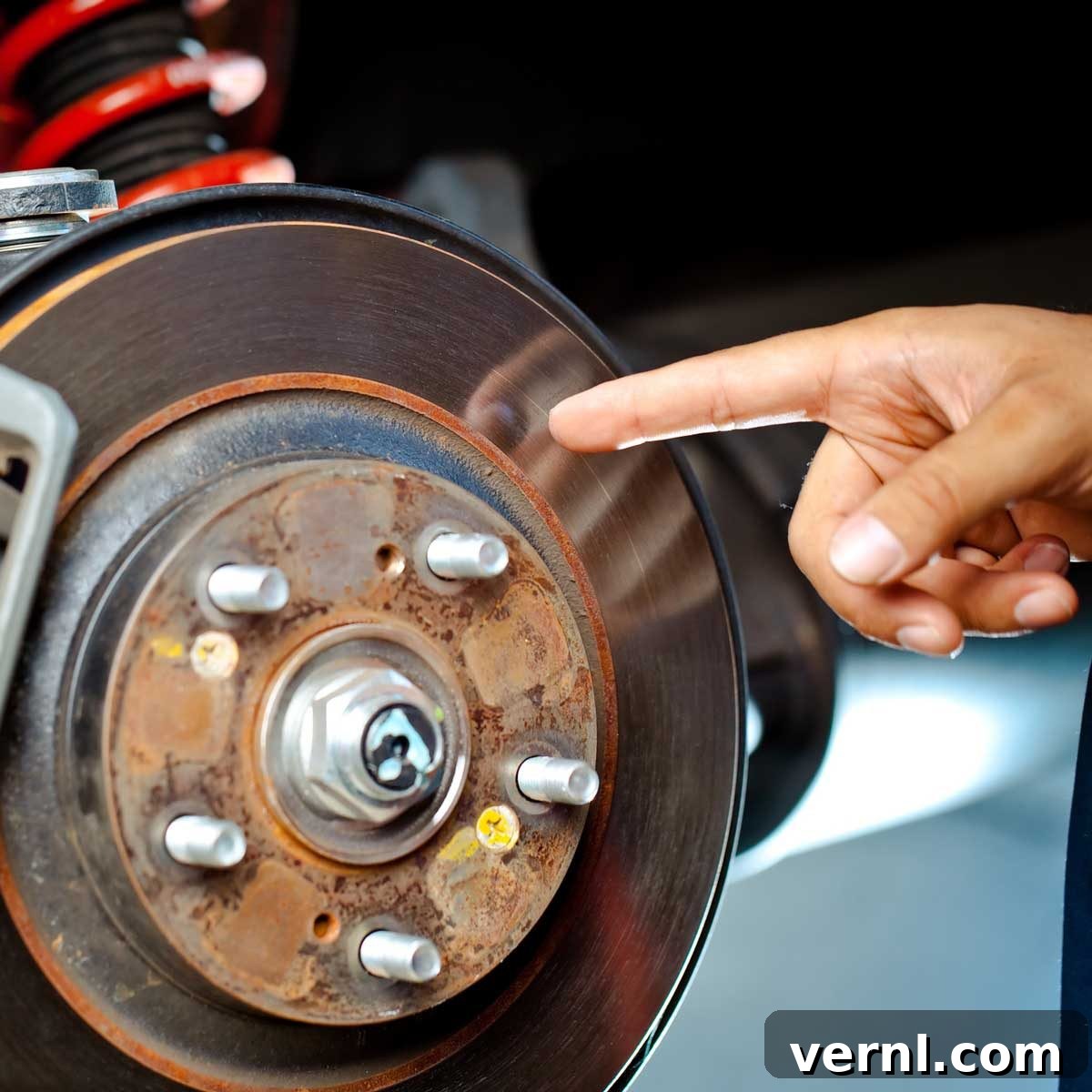
Decoding the Dreaded Grinding: Four Common Causes of Brake Noise
Your vehicle’s braking system is arguably its most critical safety feature. It’s the primary mechanism ensuring you can slow down or stop promptly, preventing potential collisions and safeguarding lives. Therefore, any unusual sounds emanating from your brakes should never be ignored. Among the many noises a car can make, a persistent grinding sound from the brakes is one that warrants immediate attention, as it often signals a problem that could compromise your stopping power.
While some brake noises are considered normal—such as a slight squeal in damp weather or a momentary grind after a car wash—a constant, rhythmic, or harsh grinding noise is a red flag. It can range from a simple issue like needing lubrication for certain brake hardware to a serious indication that vital components are severely worn, damaged, or require urgent servicing. Understanding the root causes of these grinding sounds is the first step toward effective diagnosis and repair, ensuring your peace of mind and, more importantly, your safety on the road.
1. Worn-Out or Poor-Quality Brake Pads
Brake pads are designed to wear down over time as they create friction against the rotors to slow your vehicle. However, when they wear excessively, or if their quality is subpar, they can become a primary source of grinding noises.
- Metal-on-Metal Grinding: The Ultimate Warning
The most alarming grinding noise is a loud, harsh metal-to-metal sound that occurs when you apply the brakes. This typically indicates that the friction material on your brake pads has completely worn away or has delaminated from its metal backing plate. With no friction material left, the bare metal backing plate of the pad directly scrapes against the metal surface of the brake rotor. This not only produces a terrifying sound but also causes significant damage to the rotors, leading to deep grooves and scoring. Many modern brake pads include a built-in wear indicator—a small metal tab designed to scrape against the rotor and create a high-pitched squeal when the pads are nearing their minimum thickness. If this warning squeal is ignored, the noise can quickly escalate to a dangerous grind. - Lack of Proper Brake Caliper Lubrication or Missing Shims
Brake pads rely on smooth movement within the caliper assembly. Shims, thin metal or rubber pieces placed between the brake pad’s backing plate and the caliper piston, play a crucial role in absorbing vibrations and providing a smooth contact surface. When these shims are missing, incorrectly installed, or if the caliper’s contact points and slide pins lack proper high-temperature lubrication, the pads can bind or rub unevenly against the caliper components. This can result in a grinding noise specifically when you press the brake pedal, and sometimes even a rattling sound while driving as the pads shift within the caliper assembly. Proper lubrication ensures the pads can move freely and consistently engage the rotor. - Low-Quality Brake Pads and Material Composition
Not all brake pads are created equal. Low-quality or cheap brake pads often contain an excess of metallic fillers and abrasive materials in their friction compound. While these might initially provide a decent feel, they can be overly aggressive and scrape against the rotor surface, accelerating rotor wear and causing a distinct grinding noise, especially when braking from higher speeds. Furthermore, these pads often have poor corrosion-resistant properties. Over time, this can lead to accelerated rust buildup on both the calipers and rotors, particularly in humid environments or areas where road salts are used. This rust, when scraped by the pads, can produce a loud, persistent grinding noise during braking, which might eventually subside as the rust is worn away, only to reform quickly.
Replacing brake pads and rotors can be a rewarding DIY project for those with mechanical aptitude. Researching and selecting highly-rated pads and rotors specifically designed for your vehicle model and typical driving conditions (e.g., daily commuting, heavy towing, performance driving) is crucial. High-quality components not only reduce noise but also improve braking performance and longevity. Always ensure the brake system is bled if necessary and that proper torque specifications are used for all fasteners.
2. Caliper Hardware Issues
The brake caliper assembly is a complex system of components, and its proper functioning is heavily dependent on the condition of its hardware. Worn, missing, or broken caliper hardware, particularly mounting bolts, guide pins (also known as slide bolts), and anti-rattle clips, can lead to significant problems, including grinding noises.
- Loose or Damaged Caliper Mounting Hardware
A brake caliper must be securely fastened to its support bracket to function correctly. If the mounting bolts are loose, damaged, or worn, the caliper can move excessively. This unintended movement allows the caliper body to drag or rub against the spinning brake rotor. The resulting friction creates a noticeable grinding noise that can occur both while driving (especially over bumps) and during braking. This can also lead to uneven pad wear and compromise overall braking efficiency. - Dry, Corroded, or Binding Caliper Slide Pins
Caliper slide pins (or guide pins) are designed to allow the caliper to float freely, ensuring the brake pads make even contact with the rotor. These pins are typically lubricated with high-temperature grease and protected by rubber boots. However, over time, these pins can become dry, corroded, or seized due to lack of maintenance, compromised boots, or exposure to harsh elements. When the slide pins bind, the caliper can no longer move freely. This causes the brake pads to drag unevenly on the rotors, even when the brake pedal is not pressed. This constant dragging generates heat, accelerates pad and rotor wear (often unevenly), and produces a persistent grinding noise. It also significantly reduces braking effectiveness and can lead to dangerous brake fade.
Servicing caliper hardware is an essential part of any brake job and can often be a DIY fix. Begin by carefully removing any rust, dirt, and accumulated debris from the caliper and its mounting points. Remove the caliper slide pins and thoroughly clean them. Soaking them in a non-chlorinated brake cleaner (avoiding harsh degreasers that might damage rubber) and scrubbing with a plastic brush is effective. Crucially, avoid using abrasive tools like files or wire brushes, as these can damage the hardened, smooth finish of the pins, leading to quicker corrosion and binding. When installing new pads, always replace all brake mounting hardware, including anti-rattle clips, spring clips, and shims, as these are wear items. Before reassembly, generously lubricate the slide pins and all caliper contact points with a high-quality, high-temperature brake grease designed for automotive use. Remember, safety is paramount: always wear appropriate personal protective equipment, including a mask, safety glasses, and gloves, when working on your brakes.
3. Brake Rotors Themselves
While brake pads initiate the stopping process, the brake rotors are the surfaces they act upon. The condition of your rotors plays a significant role in how your brakes feel, sound, and perform. Issues with rotors can be a direct cause of grinding noises.
- Surface Rust and Temperature Fluctuations
It’s common for a thin layer of “flash rust” to form on the surface of brake rotors overnight, especially after rain, a car wash, or in humid conditions. This rust can cause a slight grinding noise during the first few brake applications in the morning. However, this noise typically dissipates quickly as the brake pads scrub off the surface rust. Similarly, significant temperature changes can sometimes cause minor brake noises until the components reach their operating temperature. More problematic, however, are rotors that are heavily corroded and deeply pitted from prolonged periods of disuse (weeks or months without being driven), especially in highly humid environments or areas where road salts are prevalent. This deep corrosion creates an uneven, abrasive surface that causes persistent grinding and can significantly diminish braking performance. Accumulated mud or road salts can also embed themselves in the rotor surface, leading to harsh grinding during braking. - Glazed or Scored Rotors
Brake rotors can become “glazed” when they overheat or when cheap brake pads are used without proper bedding procedures. A glazed rotor has a hardened, smooth, and shiny surface that reduces the effective friction between the pads and rotor, leading to reduced braking power and often a grinding or scraping noise. Conversely, rotors can become “scored” – developing deep grooves – due to excessive wear and tear, or from continuous friction against worn-out brake pads (metal-on-metal contact), or even from debris trapped between the pad and rotor. These deep grooves create an uneven surface that generates significant grinding noises and compromises the rotor’s ability to dissipate heat effectively, leading to further issues. - Foreign Objects Trapped in the System
Perhaps one of the most abrupt and alarming causes of grinding is a foreign object lodged within the brake assembly. A small stone, a piece of gravel, rust flaking off from another component, or other road debris can become trapped between the brake pad and the rotor, or between the rotor and the brake backing plate/dust shield. When this happens, the object is violently scraped and crushed between these moving metal parts, producing an immediate, loud, and often high-pitched grinding or scraping sound. This can cause significant and rapid damage to both the brake pad and the rotor if not addressed promptly.
Removing minor surface rust from rotors is typically a DIY task that resolves itself with a few brake applications. However, if rotors show major pitting, deep scoring, or are heavily corroded, professional assessment is necessary. Even if a rotor’s thickness falls within the manufacturer’s minimum refinish specifications, it’s often more economical and safer to replace severely damaged rotors rather than attempting to resurface them. New, quality rotors ensure optimal braking performance, even pad wear, and quiet operation.
4. Faulty Wheel Bearings
While not directly part of the braking system itself, the condition of your wheel bearings can profoundly impact your brakes and lead to grinding noises. Wheel bearings allow your wheels to spin freely and support the vehicle’s weight. When a wheel bearing begins to fail, it introduces instability into the wheel assembly, which can manifest as brake-related issues.
- Wobble and Excessive Rotor Runout
A faulty hub bearing will develop play or looseness. This looseness allows the wheel, and consequently the attached brake rotor, to wobble slightly, creating what is known as “excessive rotor runout.” This wobble causes the brake rotor to make intermittent, uneven contact with the brake pads. Instead of smooth, consistent pressure, the pads are pushed and released unevenly. This results in uneven brake pad wear and can lead to a grinding, scraping, or squealing noise that might change with vehicle speed or when turning. In some severe cases, this uneven contact can also cause the vehicle to pull to one side when the brakes are applied, further indicating a significant issue with the bearing. - Additional Symptoms of a Failing Wheel Bearing
Beyond brake-related grinding, a failing wheel bearing often produces other distinct symptoms. These can include a humming, roaring, or growling noise that typically increases with vehicle speed and may change in pitch when turning. You might also feel looseness or vibration in the steering wheel or a general “play” in the wheel when it’s jacked up and tested.
Unlike brake pad or caliper hardware servicing, wheel bearing replacement is best left to a professional mechanic. The procedure often requires specialized tools, such as a press to remove and install bearings, and precise installation techniques to ensure proper seating and torque. Incorrect installation can lead to rapid bearing failure, damage to other suspension components, and significant safety risks. A professional can accurately diagnose a failing bearing and ensure it is replaced correctly, restoring stability and safety to your vehicle’s wheel and braking system.
Prioritizing Brake Health for Ultimate Safety
Understanding the common causes of grinding brakes empowers you to identify potential issues early and seek appropriate remedies. From worn-out pads and problematic caliper hardware to damaged rotors and failing wheel bearings, each cause presents a unique set of symptoms and solutions. Regular brake inspections, coupled with an attentive ear for unusual noises, are crucial for maintaining your vehicle’s safety and performance. Always prioritize prompt diagnosis and repair when your brakes start to grind. Whether it’s a simple DIY fix or a complex professional service, ensuring your braking system is in optimal condition is an investment in your safety and the longevity of your vehicle.