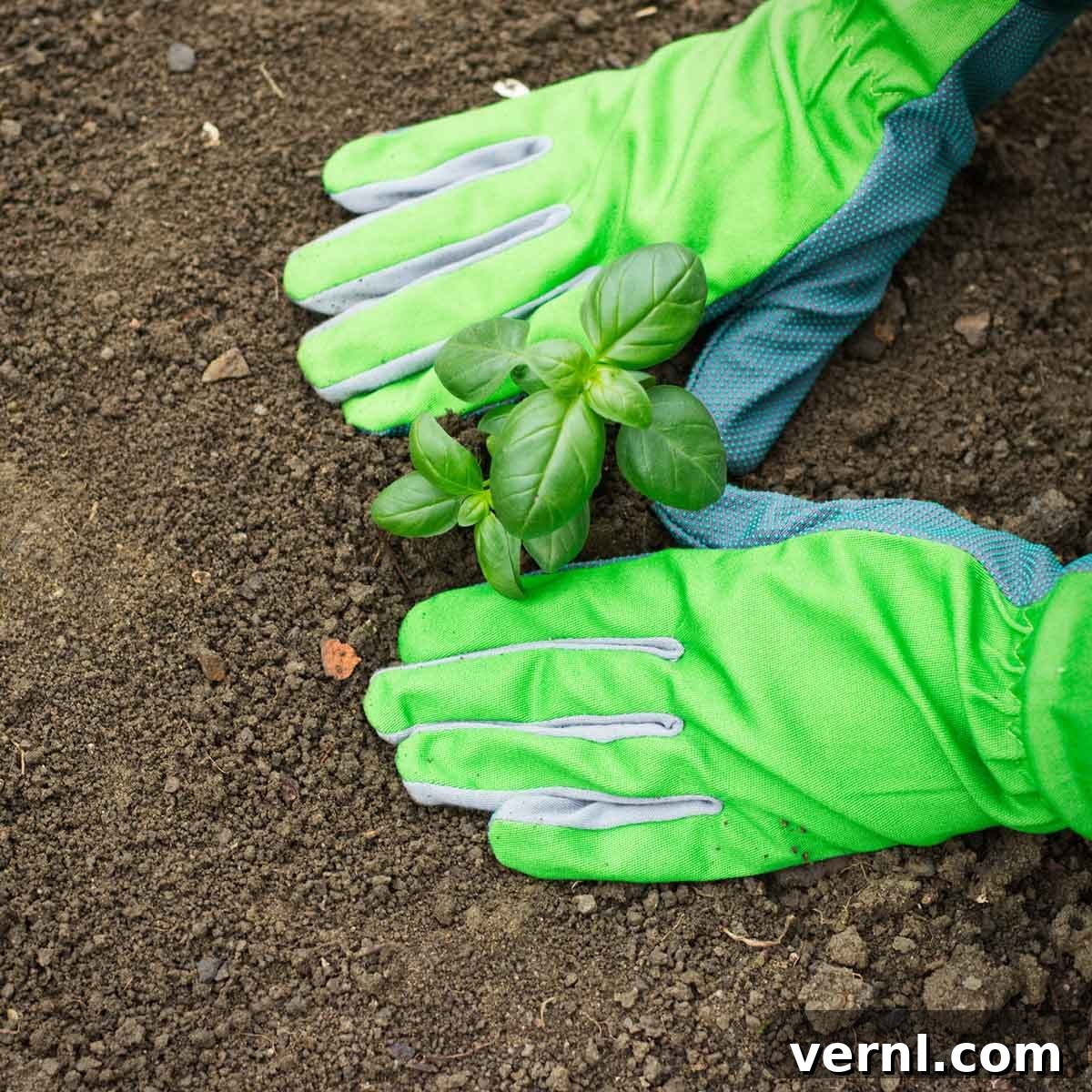
The arrival of spring brings a universal question for every aspiring gardener: when is the ideal time to start a garden? That first hint of warmer weather ignites a spark of enthusiasm for the upcoming growing season, yet the reality is that several weeks, or even months, might pass before the soil is truly ready for planting. Acting too hastily and planting too early can unfortunately lead to disappointment and crop failure, as can delaying too long and missing the optimal window. The precise timing for planting varies significantly depending on your geographical region and the specific plants you intend to cultivate.
To navigate this crucial decision, we turn to the expertise of Angelo Randaci, a distinguished master gardener and horticulture specialist at Earth’s Ally, and Erinn Witz, co-founder and writer at SeedsandSpades.com. They offer invaluable insights into how to accurately determine when to embark on your gardening journey for a successful harvest.
Understanding When to Start Your Garden
Deciphering the opportune moment to start your garden hinges primarily on observing your local weather patterns and soil conditions. As the snow recedes and the ground begins to thaw and soften, take the time to step outside and meticulously examine your garden’s soil. Randaci emphasizes that before any action is taken, the soil must be “thawed, somewhat dry, and workable.” Attempting to plant or cultivate when the soil is still too wet or frozen will result in a clumpy, unmanageable texture, detrimental to plant health.
Working the soil prematurely is, in fact, one of the most frequent errors home gardeners commit. Witz explains, “If you till or even repeatedly walk over ground that is still saturated, the soil can become severely compacted and incredibly difficult to work with for the entire growing season.” Soil compaction reduces aeration, making it hard for plant roots to penetrate and access essential water and nutrients. To test if your soil is ready, pick up a handful and squeeze it gently. If it forms a ball but easily crumbles when poked, it’s likely at the right moisture level. If it forms a tight, muddy ball, it’s still too wet; if it crumbles immediately, it might be too dry.
Once your soil exhibits the correct texture and moisture level, the next critical factor is its temperature. Randaci advises that the ideal soil temperature for the majority of plants falls within the range of 65 to 75 degrees Fahrenheit (approximately 18 to 24 degrees Celsius). However, it’s important to note that certain resilient plants can tolerate and even thrive in cooler soil temperatures. This variation underscores the importance of plant-specific research.
Always consult the instructions provided on your seed packet, engage with experts at your local garden center, or reach out to your local extension service for precise, plant-specific guidance. Randaci highly recommends utilizing a soil thermometer to accurately measure your garden’s temperature, ideally in the early morning. It’s also worth noting that raised garden beds and containers tend to warm up more rapidly earlier in the season compared to in-ground beds, offering an advantage for early planting.
To provide a general framework, here are some recommended planting dates according to Randaci, based on the USDA Plant Hardiness Zones:
- For USDA Plant Hardiness Zones 3 and 4: Generally, May 1 to May 31.
- For Zones 5, 6, and 7: Typically, March 30 to April 30.
- For Zone 8: Expect to plant between February 22 to March 30.
- For Zone 9: The window opens earlier, from January 30 to February 28.
- For Zone 10: Planting can commence as early as January 15 to January 30.
Before making any plant purchases, ensure you determine your specific Plant Hardiness Zone. This information is crucial for selecting plants that are best suited to thrive in your garden’s climate, increasing your chances of success. For those interested in culinary gardening, here is a list of patio garden herbs that can add flavor and aroma to your home.
Cold-Hardy Plants for Early Spring Enthusiasm
If you’re brimming with eagerness to begin planting vegetables in early spring but reside in a colder climate, a strategic approach involves selecting early spring crops. These particular plants possess a higher tolerance for cooler temperatures and are more likely to endure an unexpected frost or two. Moreover, their seeds are adapted to germinate effectively in colder soil conditions. Witz points out, “Although these plants can tolerate quite a bit of chill, seed germination usually won’t happen until the average daily temperature consistently hits about 55 degrees F (13 degrees Celsius).” This consistent warmth is vital for their initial growth.
Witz specifically recommends these exceptionally cold-hardy vegetables, perfect for an early start:
- Radishes, known for their quick growth and crisp texture.
- Lettuce, offering a wide variety of greens for fresh salads.
- Spinach, a nutrient-dense leafy green that thrives in cool weather.
- Swiss chard, vibrant and versatile, performing well in cooler temperatures.
- Broccoli, a robust brassica that benefits from an early start.
- Peas, which enjoy cooler spring temperatures for optimal pod development.
While these crops are well-suited for early planting, their success is still contingent on suitable soil conditions. As Witz wisely advises, planting them when your soil is still waterlogged and heavy is often a futile effort. In such scenarios, she suggests, “your best bet for an early harvest will be a small container filled with fresh soil.” The advantages of container gardening in this context are manifold: fresh potting mix is typically warmer and dryer than the newly thawed, often saturated ground, providing a more hospitable environment for seeds and seedlings.
The versatility of containers and pots offers significantly more flexibility in deciding when to start a garden. They provide the invaluable option of being moved indoors, into a garage, or under a protective shelter should an unforeseen late frost threaten your young plants. This mobility mitigates the risk associated with unpredictable spring weather, allowing gardeners in cooler zones to get a head start on the growing season without exposing their tender plants to undue harm.
Distinguishing Planting Times for Fruits vs. Vegetables
While many fruits and vegetables can be cultivated harmoniously together in the same garden space, it’s crucial to understand that they often have distinct planting windows. Generally, as Witz explains, “most fruits are not cold-hardy, so it’s best to hold off on planting them until all danger of frost has definitively passed for your local region.” This is a critical distinction, as many popular fruits, unlike their hardier vegetable counterparts, are highly susceptible to frost damage.
Even beloved garden staples like tomatoes, often mistaken for vegetables, are botanically fruits and require substantial warmth to thrive. This doesn’t preclude you from starting them early; it simply means you’ll have to start them indoors. Starting heat-loving plants indoors provides a controlled environment where temperatures can be maintained consistently, allowing them to develop strong root systems and several sets of true leaves before being introduced to the unpredictable outdoor elements.
Witz advises that seeds for warm-season crops, especially fruits and tender vegetables, should ideally be started eight to twelve weeks prior to your area’s average last expected frost date. This timeframe allows ample growth indoors, ensuring robust seedlings ready for transplanting. Again, always consult your specific seed packet, local garden center, or extension office for the most accurate, plant-specific timeline. For these heat-loving varieties, Witz stresses the importance of patience, recommending that you “wait until daytime temperatures are consistently above 60 degrees F (15.5 degrees Celsius) before transplanting your seedlings outdoors.” Transplanting too early, even after hardening off, can shock plants if temperatures dip too low, leading to stunted growth or even death.
Comprehensive Guide to Planting a Thriving Garden
The journey to cultivating a truly prosperous garden doesn’t commence with the first signs of spring; rather, it often begins much earlier, ideally in the preceding fall. Proactive garden preparation in the autumn months lays a robust foundation for success in the spring growing season.
According to Witz, late summer or early fall presents the perfect window for “tilling the ground and adding generous amounts of organic matter, such as nutrient-rich compost or aged manure, to significantly improve soil structure and enhance nutrient levels.” The rationale behind this timing is sound: “the cold winter months provide ample time for the organic matter to thoroughly break down and intimately mingle with the existing dirt,” enriching the soil profile and creating an optimal environment for future plant growth. This natural decomposition process makes nutrients readily available to plant roots come spring.
However, if you happened to miss the opportunity to prepare your garden last year, don’t despair; this growing season can still be remarkably successful. You can still till and amend your soil in the spring once it has reached the correct, workable consistency and temperature. While not as ideal as fall preparation, spring amending can still dramatically improve soil health. Focus on incorporating well-rotted compost or other organic amendments to lighten heavy clay soils, improve water retention in sandy soils, and boost overall fertility.
Whether you choose to start seeds indoors under controlled conditions or opt to purchase robust seedlings from a reputable garden center, a crucial step before outdoor planting is the process of hardening off. Randaci explains that this involves “gradually exposing them to the outdoor temperatures and environmental conditions,” typically over a period of seven to fourteen days before you plan to transplant them into the garden. This acclimatization is especially vital for seedlings that have been nurtured exclusively indoors, as it helps them adjust to sunlight, wind, and temperature fluctuations, significantly reducing transplant shock and increasing survival rates.
Once your seedlings are hardened off, begin by planting your cool-season vegetables first, as they can tolerate the cooler early spring temperatures. One of the most prevalent gardening blunders is overcrowding plants. Planting seedlings too closely together leads to intense competition for precious space, essential sunlight, and vital nutrients, ultimately hindering the growth and yield of all plants. While seedlings may appear deceptively small when first planted, remember that they will soon double or even triple in size. Always consider the full-grown height and width of your chosen vegetables when determining spacing requirements in spring. Both seed packets and plant tags typically provide specific spacing guidelines. Understanding these details, like the meaning of various tomato plant tags, can further enhance your planting decisions.
After your plants are safely in the ground, vigilant care, particularly against unexpected cold snaps, is paramount. Take proactive measures to protect them from frost. Even if your soil temperature is ideal and the official last frost date has theoretically passed, an unanticipated drop in temperature can severely damage or even kill tender vegetables and delicate flowers. Simple solutions can be highly effective: you can easily purchase purpose-made frost covers online. Alternatively, readily available household items such as an old blanket, a burlap sack, or even overturned buckets can provide sufficient protection, especially for individual plants. Covering plants in the late afternoon traps residual warmth, and removing covers in the morning allows for light and air circulation. By paying close attention to these details and understanding the rhythm of nature, you can ensure your garden flourishes from the very start of the season.