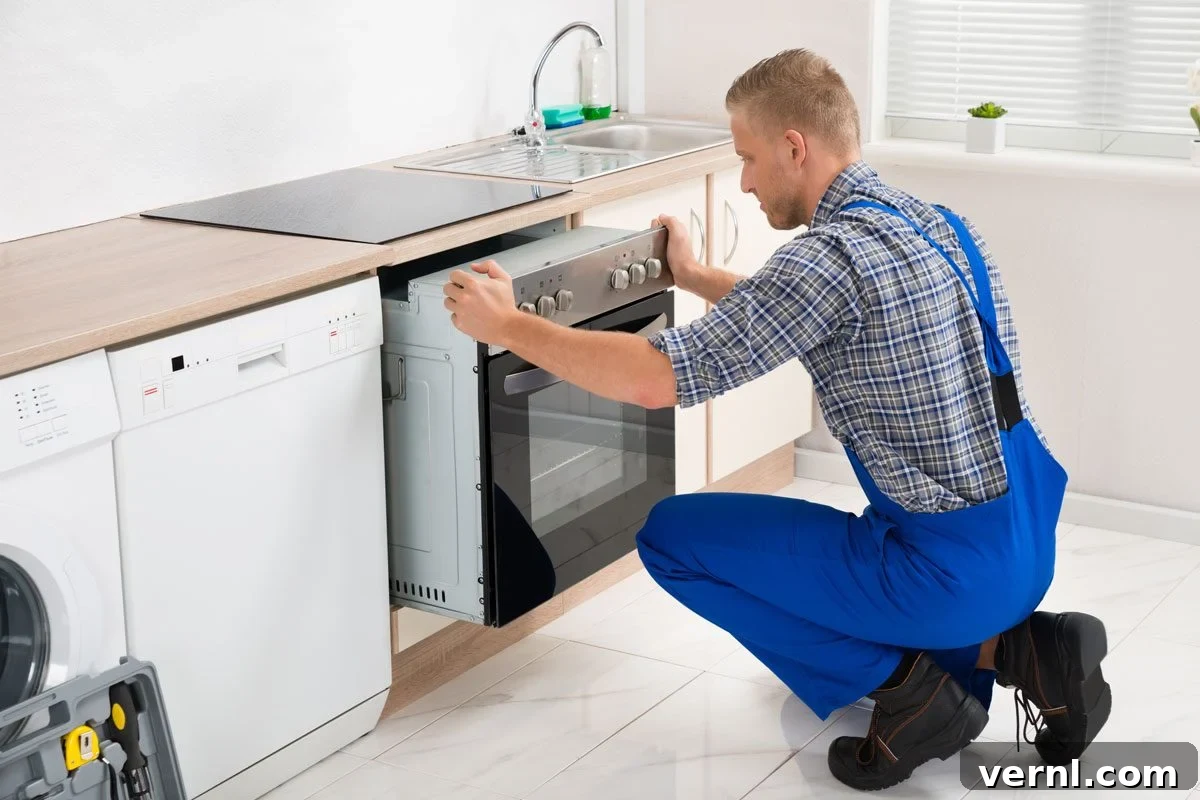
Moving into a charming older home often comes with the exciting prospect of modernizing its amenities. One of the first updates many homeowners consider is replacing outdated appliances with their sleek, energy-efficient counterparts. While the vision of a sparkling new kitchen or a high-performance laundry room is appealing, the reality of installing modern appliances in an older home can present a unique set of challenges. You might meticulously measure everything, envisioning a smooth swap, but come installation day, unforeseen hurdles often emerge.
As James Fleming, a virtual appliance expert at Frontdoor, wisely advises, “When renovating or modernizing an older home, always expect the unexpected.” These challenges can range from antiquated electrical systems to outdated plumbing configurations, compounded by years of previous homeowner repairs or modifications. The truth is, older homes were built to different standards and codes, which frequently clash with the demands of today’s advanced technology.
Common issues frequently encountered include electrical problems, such as the prevalence of two-prong outlets incapable of grounding modern electronics, or overloaded circuits struggling to power multiple high-draw appliances. Sometimes, the problem lies within the plumbing: an old, undersized gas line or narrow water supply pipes simply can’t meet the flow and pressure requirements of new washing machines, dishwashers, or tankless water heaters. Fortunately, these obstacles are not insurmountable. With the right preparation, professional guidance, and strategic updates, your home’s infrastructure can be brought up to speed, ensuring the proper and safe installation of your new appliances.
In this comprehensive guide, we’ll delve into the specific issues you might encounter when upgrading appliances in an older home. We’ll explore solutions and offer invaluable preparation tips from industry experts: James Fleming, virtual appliance expert at Frontdoor; Eddie Linares, virtual plumbing expert at Frontdoor; and licensed electrician Matt Cross. By understanding the potential pitfalls and planning proactively, you can transform your older home into a modern, functional space ready for the 21st century.
Understanding the Landscape: What to Know Before Installing Modern Appliances in an Old Home
Modern appliances are not just aesthetically different from their predecessors; they are significantly more powerful, technologically complex, and energy-demanding. This increased sophistication means that homeowners are highly likely to encounter compatibility issues, particularly concerning electrical and plumbing systems, when installing them in an older residence.
Electrical System Considerations
“The area you’ll see the most problems is in old kitchens,” states Matt Cross, a licensed electrician. He explains that historically, kitchens and other utility areas in older homes were often wired with all outlets and fixtures on a single circuit. This was sufficient for the simple, lower-wattage appliances of decades past. However, today’s washers, dishwashers, microwaves, and especially high-tech refrigerators or induction cooktops, draw substantial amounts of power. Plugging these into an outdated, shared circuit almost guarantees frequent tripped breakers, potential damage to appliances, and even fire hazards.
Current National Electrical Code (NEC) standards mandate that all major appliances operate on a dedicated circuit. This means each appliance has its own circuit breaker in the electrical panel, ensuring it receives consistent power without overloading other devices. Furthermore, any kitchen appliance located near water, such as a dishwasher or refrigerator, needs a ground fault circuit interrupter (GFCI)-protected, dedicated circuit. Fleming emphasizes the importance of this: “Having appliances on dedicated circuits reduces the risk of electrical fires, protects the sensitive electronics inside your appliances from power surges, and reduces excess loads with multiple appliances on one circuit.” Beyond dedicated circuits, older homes might also have ungrounded two-prong outlets, inadequate electrical panel capacity (e.g., 60-100 amps compared to the modern 200 amps), or even hazardous aluminum wiring that requires professional assessment and upgrade.
Plumbing System Considerations
Beyond electrical concerns, older plumbing systems can present equally daunting complications. Eddie Linares, a virtual plumbing expert, notes, “Plumbing challenges, especially in early 20th-century homes, can be quite daunting. These older homes were built with plumbing systems that were not designed to anticipate or otherwise meet the demands of modern appliances.”
Common plumbing issues include:
- Galvanized Pipes: These steel pipes coated with zinc were once common but are prone to internal corrosion over time, leading to reduced water flow, rust-colored water, and eventual blockages.
- Undersized Drain Lines: Modern washing machines and dishwashers discharge water at a much faster rate than older models. An older home’s 1.5-inch drain pipe might not be able to handle this volume, leading to backups and potential flooding, whereas 2-inch drains are now standard for washers.
- Outdated Gas Pipes: If your new appliances are gas-powered, the existing gas lines might be older galvanized steel or iron pipes, which may not meet current code or provide sufficient gas volume. Modern codes typically require black steel pipes for gas lines.
- Corroded Shut-Off Valves: Old, rarely used shut-off valves for water or gas can corrode or seize, making it impossible to isolate the supply during installation or in an emergency.
- Low Water Pressure: Fleming points out that “low water pressure can be a huge issue facing some of the specifications on newer, high-efficiency appliances being sold today.” Many high-efficiency appliances require a minimum water pressure and flow rate to operate correctly, which older systems might struggle to provide, impacting performance and efficiency.
All these plumbing problems must be thoroughly addressed and upgraded before installing modern appliances to ensure optimal performance, prevent leaks, and comply with safety standards.
Other Structural and Dimensional Hurdles
Beyond the core utilities, older homes can present other practical challenges. Cabinetry in an older kitchen might not be sized to accommodate today’s standard appliance dimensions, requiring custom modifications or new cabinets. Flooring may need reinforcement for heavier appliances like commercial-grade refrigerators. Ventilation systems for range hoods or dryers might be inadequate or non-existent, necessitating new ductwork and exterior vents. These aspects, while less critical than electrical or plumbing, can add to the complexity and cost of a renovation.
The Trade-Offs: Pros and Cons of Installing Modern Appliances in Old Homes
Upgrading to new appliances is undeniably a fantastic enhancement for any home, but when it comes to older properties, the installation process can bring both significant benefits and unexpected costs.
Pros: Embracing Modernity and Efficiency
- A Prime Opportunity to Modernize Your Home: If your home’s major systems—electrical, plumbing, or HVAC—are due for an overhaul, integrating modern appliance installation provides an excellent catalyst to kickstart these essential upgrades. It’s a chance to bring your entire home into the 21st century.
- Significant Increase in Energy Efficiency: Modern appliances are engineered to be far more energy and water-efficient than models from even a decade ago. Upgrading can lead to substantial savings on your utility bills, reducing both your household expenses and your carbon footprint. This long-term financial benefit often helps offset some of the initial installation costs.
- Enhanced Safety Features: Modern building codes are continuously updated with homeowner safety as a top priority. Upgrading your electrical and plumbing systems to accommodate new appliances mitigates risks such as electrical fires, gas leaks, and water damage that can arise from antiquated infrastructure struggling to support new demands. Dedicated circuits, GFCI protection, and properly sized gas lines are all vital for peace of mind.
- Boost Your Home’s Value: Buyers in today’s market highly value updated, move-in-ready homes. A kitchen or laundry room featuring modern, energy-efficient appliances, supported by updated electrical and plumbing systems, significantly enhances your home’s appeal and can lead to a higher resale value. It shows that the home has been meticulously cared for and thoughtfully upgraded.
- Improved Functionality and Convenience: Beyond efficiency, modern appliances offer a wealth of smart features, improved performance, and greater convenience. From smart refrigerators that manage groceries to high-capacity washing machines, these technologies simplify daily tasks and enhance your quality of life.
Cons: Navigating the Challenges and Costs
- Higher Upfront Installation Costs: This is often the most significant drawback. The need to update electrical panels, run new dedicated circuits, replace galvanized plumbing, or reroute gas lines can be prohibitively expensive. These infrastructure upgrades often cost more than the appliances themselves, creating a substantial initial investment that many homeowners underestimate.
- Unexpected Issues and Delays: Older homes are full of surprises. What begins as a simple appliance swap can quickly uncover hidden problems like asbestos, lead paint, structural deficiencies, or unforeseen wiring complications, leading to project delays and additional costs.
- Disruption to Daily Life: Major electrical or plumbing work can be disruptive. You might experience temporary power outages, water shut-offs, and contractors working in your home for extended periods. This inconvenience can be a significant factor, especially in kitchens or bathrooms that are central to daily living.
- Need for Multiple Professionals: Rarely is a simple handyman sufficient for these types of upgrades. You’ll likely need licensed electricians, plumbers, and potentially even general contractors, which adds to the coordination effort and overall expense.
- Permit Requirements: Significant electrical and plumbing alterations almost always require permits from your local municipality. This adds another layer of complexity, cost, and time to the project, as work must be inspected to ensure compliance with current codes.
Comprehensive Preparation: How to Prep For Installing a Modern Appliance in An Old Home
Installing modern appliances in an older home is rarely a simple “swap and plug” operation. It requires careful planning, thorough assessment, and often, significant upgrades to your home’s infrastructure. Proper preparation is key to a smooth and successful project.
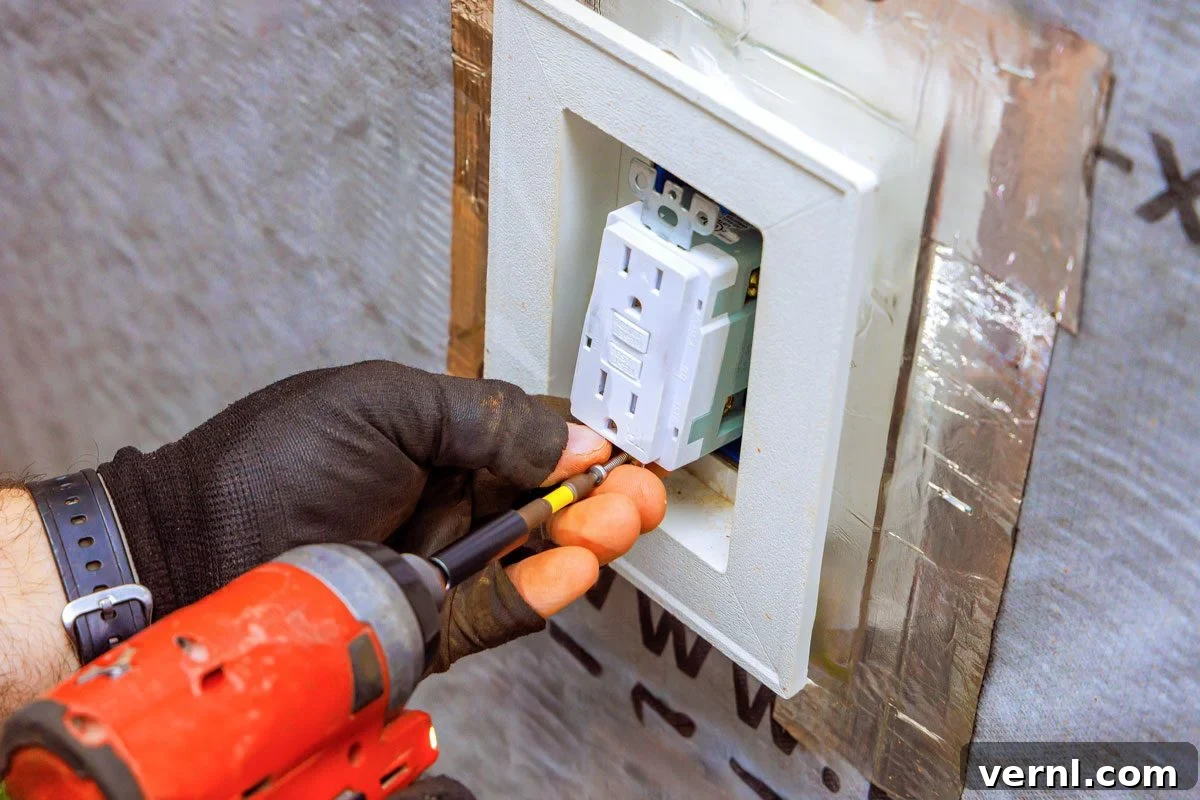
Phase 1: Initial Assessment and Planning
Before purchasing any appliances, begin with a thorough professional assessment of your home’s existing systems.
- Hire Professionals: Engage a licensed electrician and a qualified plumber to inspect your home’s electrical panel, wiring, water supply lines, drain pipes, and gas lines. They can identify potential issues, assess your home’s current capacity, and recommend necessary upgrades.
- Get Multiple Bids: Obtain detailed quotes from several contractors for the recommended upgrade work. Ensure these quotes are comprehensive and outline all labor, materials, and potential contingencies.
- Budget Accordingly: Be prepared for infrastructure upgrade costs to potentially exceed the cost of the appliances themselves. Allocate a contingency fund (typically 10-20% of the total project cost) for unforeseen issues that frequently arise in older homes.
- Check Local Codes and Permits: Work with your contractors to understand the necessary permits for electrical, plumbing, and any structural modifications. Always pull permits and ensure all work is inspected to guarantee safety and compliance.
- Consider Appliance Specifications: Carefully review the electrical, plumbing, and ventilation requirements for your chosen modern appliances. This will inform the scope of work for your contractors.
Phase 2: Upgrading Electrical Systems
Electrical system upgrades are paramount for safety and performance.
- Install Dedicated Circuits: For every major new appliance (refrigerator, dishwasher, microwave, washing machine, dryer, range), a dedicated circuit must be installed. This prevents overloading and ensures stable power delivery.
- Add GFCI Protection: All kitchen and bathroom outlets, especially those serving appliances, should be GFCI-protected. This provides critical safety against electrical shock in areas where water is present.
- Upgrade Electrical Service (Amperage): If your home has an older 60-amp or 100-amp service, you will likely need to upgrade to a 200-amp service or higher. As electrician Matt Cross notes, “A 200 amp service is the new norm,” and is almost always what’s needed to handle the combined electrical demands of a modern home with multiple new appliances. This involves replacing the main service panel, mast, and service entry cable.
- Address Ungrounded Outlets and Wiring: Replace any two-prong ungrounded outlets with grounded (three-prong) outlets. If your home has outdated knob-and-tube wiring or aluminum wiring, these should be professionally replaced with modern copper wiring for safety and reliability.
- Consider Whole-Home Surge Protection: Modern appliances often contain sensitive electronics. A whole-home surge protector installed at your main electrical panel can protect your new investments from power surges.
Phase 3: Upgrading Plumbing Systems
Plumbing improvements are essential for water-using and gas appliances.
- Inspect and Replace Water Pipes: Have a plumber inspect all existing water pipes. Anything corroded, leaking, or undersized (like old galvanized pipes) should be replaced. The best modern alternatives are copper or cross-linked polyethylene (PEX) pipes, both offering excellent durability and flow.
- Replace Corroded Shut-Off Valves: Ensure all shut-off valves for water supply lines are in good working order. Replace any that are corroded, stiff, or stuck to allow for easy maintenance and emergency shut-offs.
- Upgrade Drain Lines: Modern washing machines require a 2-inch drain pipe to handle their high-volume discharge. If your older home has a 1.5-inch drain pipe, it will need to be upgraded to prevent backups and potential flooding.
- Assess and Upgrade Gas Lines: For gas appliances, have a qualified plumber assess the existing gas lines. Older homes may have outdated galvanized steel or iron pipes. Modern code typically requires black steel pipes, and the plumber will ensure your home’s gas delivery capacity is sufficient to meet the combined demands of your new appliances, adding larger lines if necessary.
- Address Low Water Pressure: If low water pressure is an issue, a plumber can investigate the cause (e.g., constricted main line, issues with your municipal supply) and recommend solutions, such as a water pressure booster pump if appropriate.
Phase 4: Other Important Considerations
- Ventilation: Ensure adequate ventilation for dryers and range hoods. This may involve installing new ductwork or upgrading existing, undersized, or clogged vents. Proper ventilation is crucial for air quality and fire safety.
- Structural Modifications: For built-in appliances like dishwashers or wall ovens, existing cabinetry might need modification or replacement. Countertops might also need adjustments. Ensure your floors can support the weight of heavier new appliances.
- Appliance Sizing and Fit: Double-check the dimensions of your chosen appliances against the available space in your home, accounting for clearances and accessibility for future maintenance.
- Delivery and Installation Logistics: Plan for the delivery and professional installation of your new appliances. Ensure clear pathways for movers and that all necessary utility connections are completed before arrival.
Frequently Asked Questions (FAQ) About Appliance Upgrades in Old Homes
How do I know if I might face costly issues when installing a modern appliance in my old home?
Warning signs that you may face significant and potentially costly issues include the presence of outdated two-prong electrical outlets, an electrical panel with limited capacity (typically 60 to 100 amps), visible signs of old or corroded galvanized water pipes, undersized drain pipes (especially for laundry areas), and old gas lines that might not meet current code or provide sufficient flow. While almost anything is possible if you’re willing to spend the money, these indicators strongly suggest that major electrical and plumbing upgrades will be necessary, adding substantially to your overall project cost.
What permits do I typically need for these types of upgrades?
For significant electrical and plumbing upgrades, you will almost certainly need permits from your local building department. This usually includes separate electrical permits and plumbing permits. If any structural changes are required (e.g., cutting into walls for new vents, modifying load-bearing elements), a general building permit might also be necessary. Always consult with your chosen licensed contractors; they should be knowledgeable about local permit requirements and typically handle the permit application process for you.
How much does it cost to upgrade my home’s systems for modern appliances?
The cost can vary dramatically based on your home’s current condition, local labor rates, and the extent of the necessary upgrades. For electrical work, upgrading from 100-amp to 200-amp service can range from $2,000 to $6,000 or more. Adding dedicated circuits might cost $150-$500 per circuit. Plumbing replacements (e.g., repiping galvanized lines with PEX or copper) can be several thousands to tens of thousands of dollars, depending on the scope. Gas line upgrades are typically a few hundred to a couple of thousand dollars. It’s crucial to get detailed, itemized quotes from licensed professionals after a thorough inspection.
Can I perform any of these electrical or plumbing upgrades myself (DIY)?
While some minor tasks might seem feasible, for the safety of your home and family, it is strongly recommended that all major electrical and plumbing upgrades be performed by licensed and experienced professionals. Working with high voltage electricity or pressurized gas and water lines carries significant risks of injury, fire, flood, or gas leaks if not handled correctly. Additionally, professional work ensures compliance with local building codes, which is vital for permits, inspections, and home insurance coverage.
What’s the very first step I should take when planning to install modern appliances in an old home?
The absolute first step is to hire licensed professionals—an electrician and a plumber—to conduct a comprehensive assessment of your current home systems. They can identify existing deficiencies, advise on necessary upgrades, and provide accurate cost estimates. This initial assessment will help you create a realistic budget and timeline for your renovation project, preventing costly surprises down the line.
About the Experts
- Matt Cross is a licensed electrician in the State of Massachusetts. He has over ten years of industry experience in residential and commercial electrical work, specializing in safe and code-compliant installations.
- James Fleming is a virtual appliance expert at Frontdoor, boasting over 25 years of industry experience. His expertise helps homeowners navigate complex appliance installations and troubleshooting.
- Eddie Linares is a virtual plumbing expert at Frontdoor, with over 25 years in the field. He provides invaluable insights into managing and upgrading plumbing systems for modern home demands.