The journey of homeownership often feels like a never-ending cycle of improvement and maintenance. One moment you’re admiring your freshly refinished hardwood floors, the next you’re discovering a plumbing leak or dealing with a broken refrigerator. Before you know it, a letter from the Homeowners Association arrives, demanding a fresh coat of paint on your home’s exterior within 90 days. And let’s not forget that new deck you envisioned for your upcoming summer gathering. The list can seem insurmountable, tempting many diligent homeowners to tackle every project themselves.
While the DIY spirit is commendable and can save significant costs, there are critical considerations before diving into every home improvement task. Possessing the skills and dedicating the time might seem sufficient, but depending on the nature of the project, taking matters into your own hands isn’t always the best, or even legal, approach. In some instances, proceeding without proper authorization could land you in hot water with local authorities.
This isn’t about committing serious crimes, but rather about inadvertently crossing lines with your local building codes division by failing to secure the necessary permits for your work. “The police aren’t going to come and arrest you for a permit violation,” explains Chuck Khiel, Vice President of the Schedule Fred division at Case Architects and Remodelers. “However, the ramifications can include hefty fines, and the inspector has the authority to escort you off your own property if work is being done without proper authorization.” Worse still, you might face an order to demolish the completed project, an outcome that can be both financially devastating and incredibly frustrating.
So, how do homeowners navigate the complex world of home improvement regulations and determine which projects require official permission? The golden rule, according to Khiel, is to always check with your local jurisdiction. Building codes and regulations are not universal; they vary significantly from one city or county to another, and they are subject to frequent changes. A project that was perfectly legal to undertake without a permit last year might require one today, emphasizing the importance of staying current with local ordinances.
While local rules dictate the specifics, there are several common types of home improvement projects that almost universally require a permit, regardless of your geographical location. Understanding these common categories can save you significant trouble and ensure your home improvements are safe, compliant, and enhance your property’s value.
Deck Building: Safety First, Always
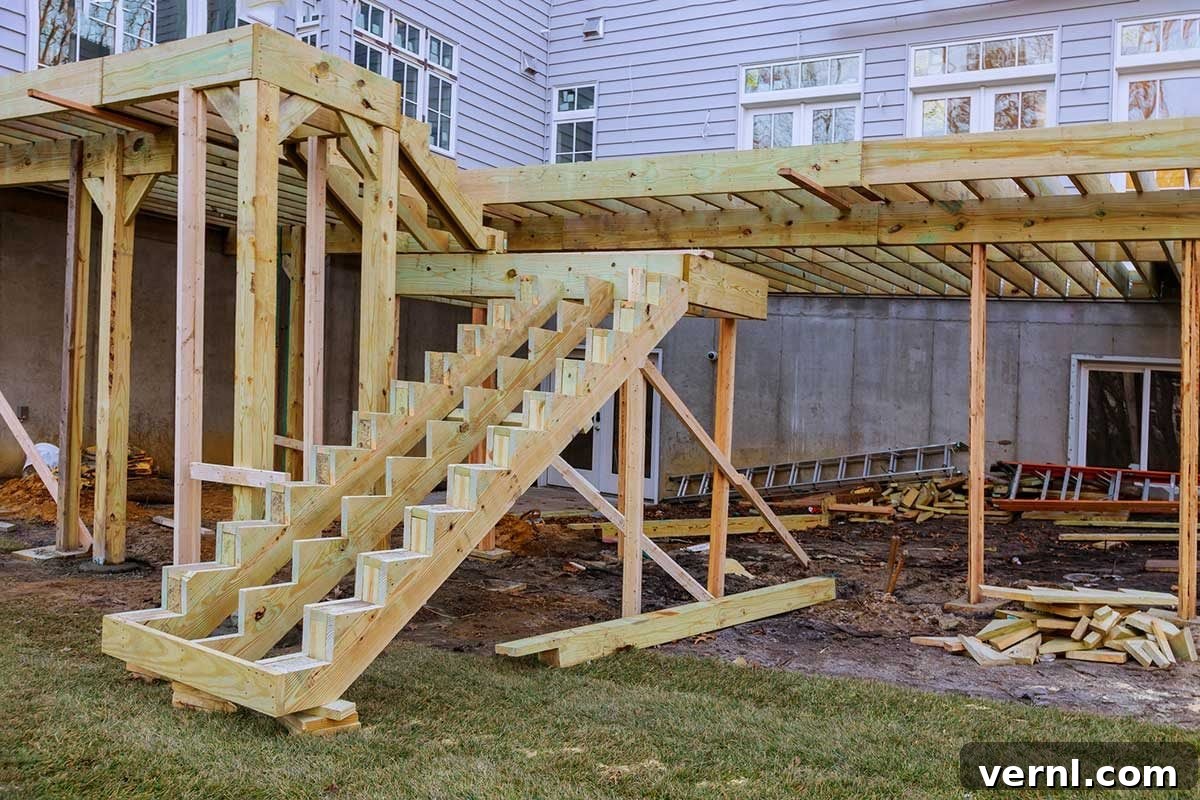
Building or significantly modifying a deck is consistently cited as one of the most frequent sources of permit violations, and it also carries some of the highest safety risks. As Khiel notes, “We frequently encounter DIY decks that are not constructed anywhere close to code.” This issue is particularly prevalent and dangerous with elevated decks, where structural integrity is paramount.
Obtaining a permit for your deck project isn’t merely a bureaucratic hoop; it’s a vital step to ensure the structure meets all necessary safety standards. This includes verifying adequate footings, proper ledger board attachment to the house, correct joist spacing, appropriate railing height, and overall load-bearing capacity. These inspections help prevent catastrophic failures, such as deck collapses, which can lead to serious injuries or even fatalities. Without a permit, you risk constructing a structurally unsound deck that could pose a hidden danger to your family and guests.
Furthermore, the permit process often mandates checking for underground utilities before excavation. Your permit application might require a diagram of your property, specifying that utility lines (gas, water, electrical, sewer) be marked by services like Call811 prior to breaking ground. This crucial step helps prevent accidental damage to utility infrastructure, which can result in costly repairs, service interruptions, and even dangerous situations like gas line ruptures or electrical shocks.
Permits are also typically required for other major structural changes to a home, such as roofing replacements, significant home additions, or any modifications that alter the load-bearing elements of the house. These projects similarly impact the fundamental safety and stability of your home, necessitating professional review and inspection to ensure compliance with stringent building codes.
If you’re unsure about the safety and security of your existing deck, resources like the North American Deck and Railing Association (NADRA) offer comprehensive checklists to help homeowners assess their structure and identify potential issues that may need professional attention or code upgrades.
Electrical Work: Powering Your Home Safely
Electrical work falls under a broad category where permits are almost always a necessity. It’s generally safe to assume that any project involving significant alterations to your home’s electrical system will require official approval to ensure safety and compliance. The inherent dangers of electricity make this one of the most heavily regulated areas of home improvement.
Across most jurisdictions, projects such as adding new electrical outlets, replacing circuit breakers in your service panel, installing a central vacuum system, converting a kitchen range from electric to gas (which often involves electrical modifications), or installing/repairing any hard-wired electrical system will mandate a permit. Even seemingly minor tasks, if they involve extending circuits or modifying the existing wiring, often fall under permit requirements.
Jurisdictions maintain such vigilance over electrical work because improper installation poses severe risks. Faulty wiring, overloaded circuits, incorrect grounding, or substandard components can lead to electrical fires, property damage, and severe injuries, including electrocution. Professional electrical work requires extensive skill, specialized training, and often a state-issued license. Inspectors play a crucial role by examining the project during various stages of completion and after the work is finished, ensuring strict adherence to the National Electrical Code (NEC) or local electrical codes. This rigorous oversight is designed to catch potential hazards before they become tragic realities.
“When it comes to electrical work performed by homeowners, the most significant risk is fire,” Khiel emphasizes. A permit mitigates this risk by ensuring professional standards are met, thereby reducing the chances of devastating fires and the potential for electrocution. According to the Electrical Safety Foundation International (ESFI), approximately 400 electrocutions occur annually in the U.S., many of which are preventable through proper electrical safety practices and compliance with codes.
While simple tasks like replacing a light fixture or a switch within an existing junction box might not require a permit in some areas, any work that expands the electrical system, alters its capacity, or involves new wiring should always be approached with extreme caution and, more often than not, with a permit.
Plumbing Repairs and Changes: Protecting Health and Property
For minor plumbing tasks, such as installing a new faucet or replacing a toilet’s supply line, the likelihood of needing a permit is virtually non-existent. However, any large-scale plumbing project tells a different story entirely. The specific permit requirements will, once again, depend on your local jurisdiction’s rules, but general guidelines exist.
You will typically need a permit for projects that involve moving a plumbing fixture more than six feet from its original location, adding a new plumbing fixture where one didn’t previously exist (e.g., adding a new bathroom or kitchen sink), repairing or replacing major sections of piping, installing or repairing a septic tank or dry well system, or replacing a water heater. These projects significantly impact the structural integrity of your plumbing system and, by extension, the health and safety of your home and community.
Is plumbing so complex that a seasoned DIYer can’t handle it without city inspector oversight? Perhaps not all aspects, but the intricate web of current building codes, pressure regulations, drainage requirements, and venting standards can be difficult for even experienced homeowners to master. These codes are meticulously designed to protect not just your property, but the entire community from the catastrophic consequences of plumbing mishaps.
Improper plumbing can lead to a cascade of problems including severe water damage to your home’s structure, destructive mold and mildew growth, and unsanitary sewage backups or blockages. Beyond the immediate damage, faulty plumbing can contaminate drinking water, create hazardous waste disposal issues, and even pose risks of gas leaks if gas lines are involved. A licensed plumber, working under a permit, ensures that all work adheres to current codes, protecting your property value, safeguarding your health, and preventing costly future repairs. For example, replacing a water heater involves not only connecting water lines but also ensuring proper venting for gas models or correct electrical hookups for electric ones, all of which are critical for safety.
Taking Down Trees: More Than Just Your Property
While a tree on your property is undoubtedly part of your personal domain, in many jurisdictions, removing it isn’t as simple as wielding a chainsaw. You might still require a permit to cut down a tree, especially if it meets certain criteria. For safety reasons, and considering the potential for property damage or personal injury, hiring a professional arborist or tree removal service is often the safest and most recommended approach.
However, if you plan to undertake the job yourself, the first crucial step is to consult your city or town’s building or environmental department. Tree removal rules can be surprisingly complex and multifaceted. Many city governments prioritize the preservation of urban trees and green spaces whenever feasible, leading to strict ordinances.
Permit requirements often vary based on several factors: the type of tree (native, invasive, protected species), its location on your property (e.g., proximity to public rights-of-way, property lines, or critical areas), the size or diameter of the tree, and the specific zoning or property type you own. For instance, in cities like Portland, Oregon, a special “heritage tree permit” is required to remove trees deemed historically or ecologically significant based on their age, size, or historical context. Even dead or diseased trees might require a permit, especially if they are large or located near public spaces or power lines.
These regulations are in place for various reasons: environmental protection (maintaining air quality, reducing heat islands, preserving wildlife habitats), preventing erosion, managing stormwater, and avoiding damage to public utilities or neighboring properties. Removing a large tree improperly can lead to severe damage to your home, a neighbor’s property, or even power lines, making a permit and professional assessment invaluable for complex situations.
The Undeniable Benefits of Permitted Work
While obtaining permits might seem like an added layer of bureaucracy, it offers undeniable benefits that extend far beyond simply avoiding fines. The permit process is designed to protect you, your investment, and your community. When you secure a permit, you’re essentially getting an assurance that your project will be reviewed by qualified professionals who ensure it meets established safety and structural standards.
Firstly, permitted work enhances the safety of your home. Building codes exist for a reason – to minimize risks from structural failures, electrical fires, plumbing hazards, and other potential dangers. Secondly, it protects your property value. Unpermitted work can become a significant liability during a home sale, often requiring costly retroactive permits, inspections, or even demolition, which can delay or derail a transaction. Potential buyers and their lenders are wary of undocumented improvements, as they represent unknown risks.
Moreover, properly permitted projects ensure your insurance coverage remains valid. In the event of damage resulting from unpermitted work, your homeowner’s insurance policy might deny claims, leaving you financially exposed. Permits also provide a legal record of the work performed, offering peace of mind and protection against future disputes or liability issues.
Therefore, before embarking on any significant home improvement project, always make that call or visit your local building department’s website. Understand the specific requirements, the application process, and the inspection stages involved. Weigh the immediate savings of DIY against the potential long-term risks and costs of unpermitted work. For complex or critical projects, consulting with licensed contractors who are well-versed in local codes and permit acquisition can be the wisest investment. Ultimately, permits are not obstacles to your renovation dreams; they are safeguards designed to ensure your home remains safe, valuable, and legally compliant for years to come.