
Sponsored by Vinyl Siding Institute
Transform Your Home with Insulated Siding: An Expert’s Guide to Energy Efficiency and Lasting Value
Having dedicated over 15 years to the siding industry, I’ve seen firsthand the evolution of home exterior solutions. There was a time when my three-man crew and I could tackle 90 houses in a single year – a testament to a younger man’s drive and boundless energy! During my tenure, particularly in my home state of Minnesota, homeowners benefited greatly from low-interest loan programs designed for energy-saving home improvements. This initiative led to a significant surge in demand for insulated siding, and we were at the forefront of installing tons of it, witnessing its transformative impact on homes and utility bills alike.
My extensive experience has taught me that choosing the right siding is more than just aesthetics; it’s about investing in your home’s long-term comfort, energy efficiency, and structural integrity. Insulated siding stands out as a superior choice, offering a myriad of benefits that extend far beyond its initial installation.
Why Insulated Siding is a Smart Investment for Every Homeowner
Many homeowners are initially drawn to insulated siding primarily because of its affordability compared to other premium exterior cladding options. However, its true value lies in its exceptional performance and the comprehensive benefits it delivers. When I explained to customers the significant increase in insulation value and its ability to disrupt the dreaded “thermal bridge” effect, the product often sold itself. But what exactly does that mean for you and your home?
Unlocking Superior Energy Efficiency: The Power of Continuous Insulation
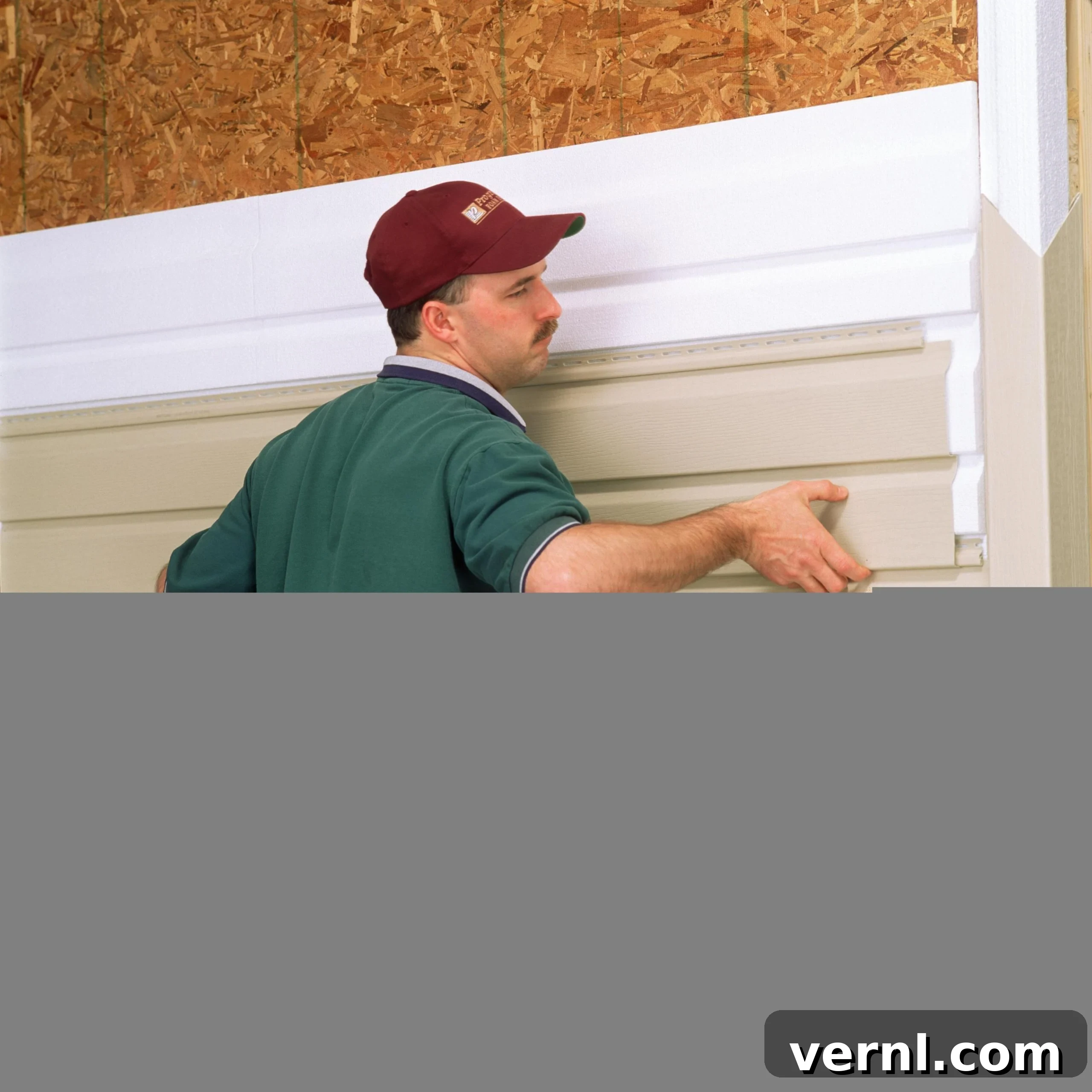
Insulated siding is engineered with a rigid foam backing that is permanently fused to the vinyl panel. This innovative design creates a continuous layer of insulation around your home, a concept often referred to as “continuous insulation” (CI). Unlike traditional wall insulation, which is interrupted by wall studs, CI provides an uninterrupted thermal barrier. This continuous layer dramatically increases your home’s overall R-value, typically adding an R-2 to R-3 to the existing wall assembly. This might sound like a modest increase, but its impact on energy consumption is profound. By minimizing heat loss in winter and heat gain in summer, insulated siding helps maintain a more stable indoor temperature, leading to noticeable reductions in heating and cooling costs year-round.
Eliminating the Thermal Bridge Effect
One of the most critical advantages of insulated siding is its effectiveness in mitigating thermal bridging. Thermal bridging occurs when heat escapes or enters your home through materials that have a higher thermal conductivity than the surrounding insulation. In most homes, wall studs, headers, and other framing components act as “bridges,” allowing heat to bypass the cavity insulation. Imagine these studs as tiny highways for heat to travel directly out of your home in cold weather, or directly into it during hot spells. Insulated siding’s continuous foam layer acts as a thermal break, interrupting these heat flow pathways and ensuring that your entire wall system performs more efficiently. This means fewer cold spots in winter and a cooler, more comfortable interior in summer.
Enhanced Durability and Impact Resistance
Beyond its energy-saving capabilities, the rigid foam backing provides a substantial boost in durability and impact resistance. Standard vinyl siding, while resilient, can sometimes be susceptible to dents or cracks from impacts like thrown baseballs, hail, or accidental bumps. The integrated foam core of insulated siding significantly reinforces the panel, making it much more robust and resistant to damage. This added strength means fewer worries about cosmetic imperfections and a longer-lasting, beautiful exterior for your home. It’s an investment that truly stands up to the elements and everyday wear and tear.
Superior Wind Resistance and Structural Integrity
The added rigidity from the foam insulation also translates into superior wind resistance. Insulated siding panels are inherently stiffer than their conventional counterparts, allowing them to withstand higher wind loads without buckling or detaching. This is particularly crucial in areas prone to severe weather, offering homeowners greater peace of mind knowing their investment is well-protected. The robust construction also means a more structurally sound installation, leading to fewer callbacks for installers – a benefit I certainly appreciated during my years on the job!
Significant Noise Reduction for a Quieter Home
One benefit that often surprises homeowners is the remarkable noise reduction insulated siding provides. The dense foam core acts as an effective sound dampener, significantly reducing the amount of exterior noise that penetrates your home. Whether it’s traffic sounds, noisy neighbors, or even harsh weather conditions, insulated siding creates a quieter, more serene indoor environment. This unexpected bonus contributes greatly to overall home comfort and quality of life, transforming your living space into a peaceful sanctuary.
Achieving Flawless Aesthetics and Curb Appeal
From an aesthetic perspective, insulated siding also offers distinct advantages. Its inherent stiffness helps it lay flatter and straighter on walls, even those with minor imperfections or unevenness. Where traditional vinyl might conform to the dips and waves of an older wall, insulated siding tends to “float” over these indentations, creating a smooth, premium-looking finish. This ability to mask imperfections results in a more polished, upscale appearance that significantly enhances your home’s curb appeal and market value.
Insulated Siding Installation: A Guide for Pros and Dedicated DIYers
While I didn’t always share this with my customers, insulated siding also makes an installer’s job considerably easier and more efficient. Its relatively lightweight nature means that a single person can handle and install panels independently, which was incredibly useful on days when the ever-revolving “new guy” decided not to show up. This ease of handling, combined with its rigidity and reduced callbacks, contributed to a smoother workflow and higher quality installations.
DIY Installation: What You Need to Know
For the serious do-it-yourselfer, installing insulated siding is an achievable project. The material can be cut with a variety of common tools, and the primary fastening method involves a good old-fashioned hammer and nails. You will need a few specialty tools, such as a vinyl siding zip tool, a snap lock punch, and potentially a siding removal tool, but these typically amount to less than $50 in total. However, it’s crucial to prioritize safety. If you own a multi-story home, especially a two-story walkout, I strongly recommend hiring a professional. Working at heights presents significant risks that are best left to experienced, insured contractors.
Most reputable insulated siding manufacturers provide comprehensive installation manuals that are invaluable resources. To supplement these, based on my years of experience, here are my top four essential installation tips for ensuring a successful and long-lasting insulated siding application:
-
Hit Every Stud with a Fastener
This tip is foundational to a secure and durable installation. While it might be tempting to just hit studs every other foot or so, fastening insulated siding to every wall stud provides maximum strength and stability. This ensures the siding can withstand high winds and impacts effectively, preventing warping or detachment over time. Precision in fastener placement is key to the overall integrity of the installation.
-
Use a Fastener Length That Penetrates Into Solid Wood 1-1/4 In.
The length of your fasteners is critical for proper holding power. Nails should be long enough to penetrate at least 1-1/4 inches into solid wood sheathing or framing behind the siding. This depth ensures a strong grip, preventing the siding from loosening or pulling away from the wall, especially during extreme weather conditions. Always double-check manufacturer recommendations for specific fastener types and lengths.
-
Don’t Nail It Tight to the Wall
This is perhaps the most crucial rule for installing any vinyl siding, including its insulated variant. Vinyl siding is designed to “float” or hang loosely on the wall. Never drive fasteners tight against the nailing hem. Instead, leave approximately 1/32 of an inch (about the thickness of a dime) between the fastener head and the siding panel. This allows the siding to expand and contract freely with temperature changes without buckling, warping, or cracking.
-
Leave Room for Expansion
In addition to loose nailing, adequate expansion gaps are vital. Vinyl siding expands and contracts significantly with temperature fluctuations. It’s essential to leave a gap of at least 1/4 inch (and up to 3/8 inch in colder weather installations) wherever siding panels meet fixed objects like corners, J-channels, windows, and door frames. These gaps provide the necessary room for the siding to move, preventing stress and potential damage to the panels or trim.
The Undeniable Value of Customer Testimonials
In my line of work, I was never a hard-sell salesman. Instead, I understood that the most powerful advertising came from genuine referrals and authentic testimonials. My strategy was simple yet effective: I would proactively call customers after their first winter—a Minnesota winter, mind you, which is a true test of any exterior product! I’d ask about their new insulated siding’s performance. The responses were consistently glowing: “Warmest winter ever,” or “I didn’t expect it to cut down on the street noise so much.” My immediate follow-up was always, “Can I quote you on that?”
These unsolicited, positive comments became invaluable marketing assets. I would then proudly feature these testimonials across my website and in all my promotional literature. You simply cannot buy that kind of authentic endorsement. It speaks volumes about the product’s real-world benefits and builds immense trust with prospective clients, far more effectively than any sales pitch could.
Is Insulated Siding the Right Choice for Your Home?
Considering all its advantages – superior energy efficiency, thermal bridge elimination, enhanced durability, increased wind and impact resistance, significant noise reduction, and aesthetic appeal – insulated siding presents an compelling solution for homeowners looking to upgrade their exterior. It’s an investment that pays dividends in comfort, savings, and peace of mind for years to come. Whether you’re looking to reduce your energy bills, improve your home’s curb appeal, or simply create a quieter, more comfortable living space, insulated siding offers a comprehensive package of benefits that make it an outstanding choice.
For more in-depth information on insulated siding and its energy-saving capabilities, please visit insulatedsiding.info, a valuable resource for anyone considering this exceptional home improvement.