
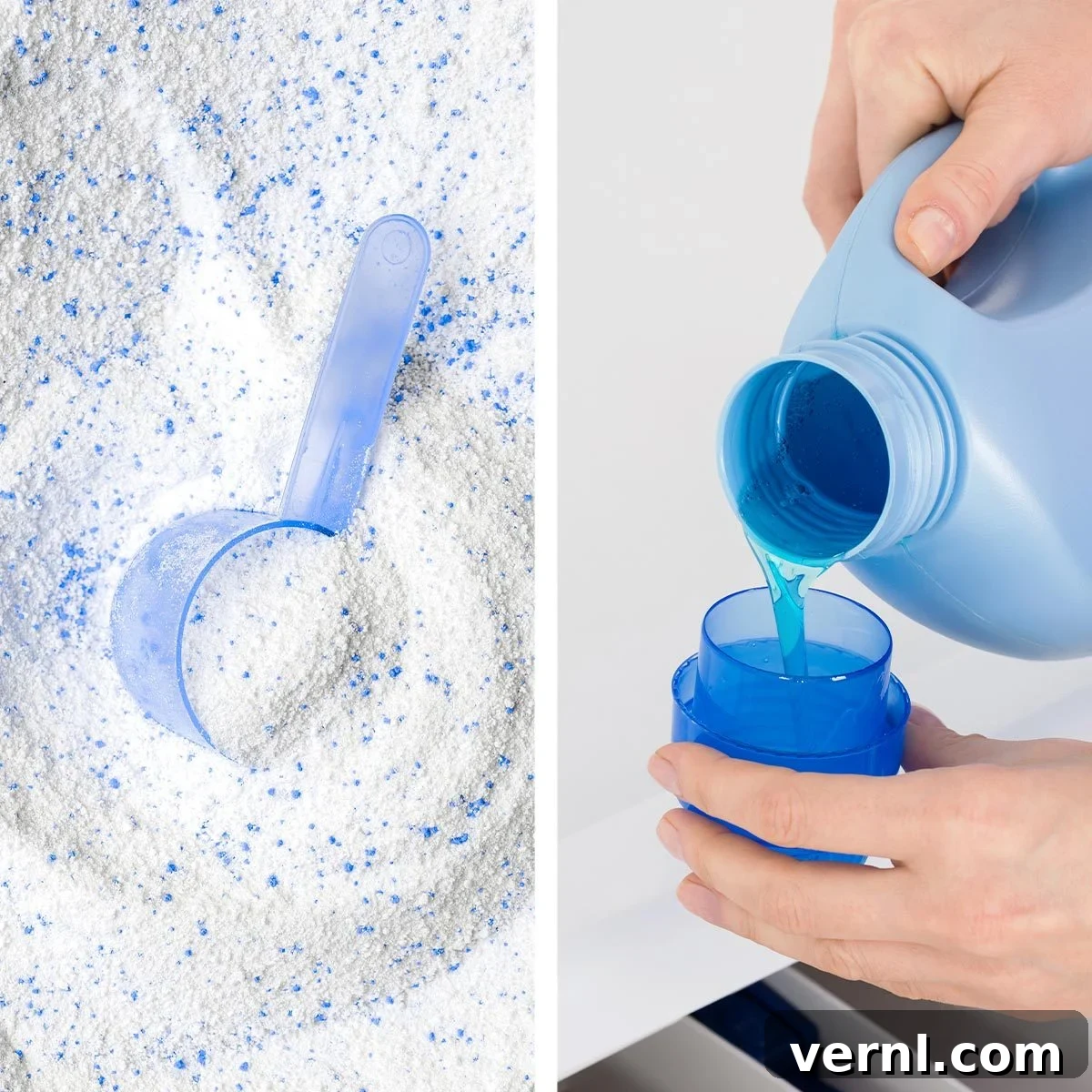
Liquid vs. Powder vs. Pods: The Ultimate Detergent Showdown for a Spotless Home
Stepping into the cleaning aisle of any grocery store can feel like navigating a maze. With an overwhelming array of options—from vibrant liquids to granular powders, compact pods, and specialized formulas promising to tackle every imaginable mess—it’s easy to feel lost. How do you choose the right product that delivers sparkling clean laundry and dishes without breaking the bank or harming the planet?
The journey to a truly clean home often begins with a fundamental decision: liquid versus powder detergent. This isn’t just a matter of personal preference; it involves considering various factors like water temperature, the types of stains you face, convenience, and overall cost and environmental impact.
“Each type of detergent has its strengths, and the best option depends on factors like water temperature, stain types, convenience, and cost,” advises Alicia Sokolowski, President and CEO of AspenClean, a leader in green cleaning solutions. Understanding these nuances is key to optimizing your cleaning routine.
To help you navigate this essential choice, we’ve gathered insights from cleaning experts, including Sokolowski and Vanessa Bossart of GreenTerra Cleaning Service, and Ryan Knoll of Tidy Casa. They shed light on the age-old question: which is best, liquid, powder, or even the increasingly popular detergent pods?
Liquid Detergent: Versatility for Modern Cleaning
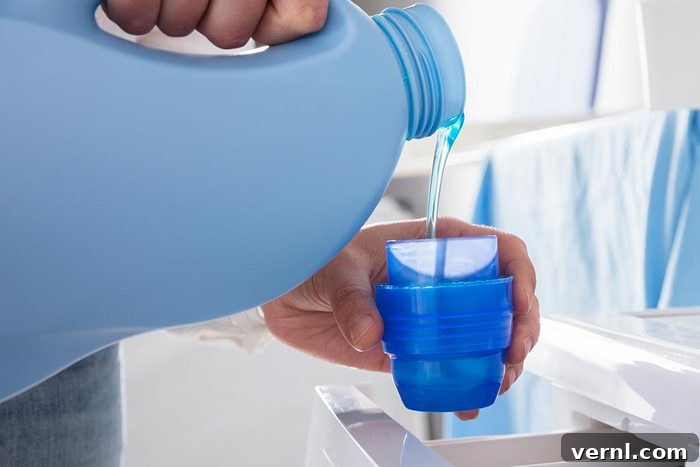
What is Liquid Detergent?
Liquid detergents are highly concentrated, water-based cleaning solutions engineered for efficient dirt and stain removal. They typically feature a complex blend of surfactants, enzymes, stabilizers, polymers, and fragrances. Surfactants work to lift dirt and grease from fabrics, while enzymes break down protein, starch, and fat-based stains. Stabilizers ensure the product remains effective over time, and polymers help prevent redeposition of dirt back onto clothes. Designed to disperse instantly and evenly in water, liquid detergents are particularly adept at dissolving and removing oily and greasy stains, making them a go-to choice for many households.
“Unlike powder, they usually contain fewer bleaching agents and are designed to tackle grease and stains effectively, even in cold water,” explains Vanessa Bossart, owner of GreenTerra Cleaning Service, emphasizing their specific strengths.
Pros of Liquid Detergent
- Excellent Solubility in All Water Temperatures: Liquid detergents dissolve effortlessly in both hot and cold water, leaving no gritty residue on your clothes or in your washing machine. This complete dissolution ensures thorough cleaning and prevents detergent clumps, especially vital for delicate fabrics or dark colors washed in cooler cycles.
- Ideal for Pre-Treating Stains: Their liquid form makes them perfect for direct application onto tough stains before a wash. A small amount can be rubbed into the soiled area, allowing the concentrated enzymes to begin breaking down the stain even before the wash cycle starts, significantly boosting stain removal power for anything from food spills to grass marks.
- Highly Effective on Grease and Oil Stains: The specialized surfactants in liquid detergents are formulated to emulsify oils and grease, suspending them in the wash water so they can be rinsed away effectively. This makes them a superior choice for kitchen towels, uniforms, or any item with oily residues.
- Optimized for High-Efficiency (HE) Washers: Most modern liquid detergents are low-sudsing, a crucial feature for HE machines that use less water. Excessive suds in an HE washer can lead to poor rinsing, detergent residue, and even damage to the machine.
- Minimizes Washer Residue Buildup: Because they dissolve completely and don’t contain insoluble fillers, liquid detergents are less likely to contribute to soap scum or residue buildup within your washing machine’s internal components, promoting longevity and optimal performance of your appliance.
- Gentle on Fabrics and Colors: Liquid detergents typically contain fewer harsh whitening agents compared to some powders, making them safer for colored garments and delicate fabrics. This helps preserve the vibrancy of your clothes over time, preventing fading.
These qualities make liquid detergent an excellent choice for a wide range of laundry needs, particularly for dark-colored clothes and delicate items that benefit from cold water washing. Bossart notes, “Because it dissolves completely, there’s no risk of gritty residue rubbing against the fabric like with powder. It’s also free of harsh whitening agents that can fade colors over time.”
Cons of Liquid Detergent
- Heavier Packaging and Increased Plastic Waste: Liquid detergents usually come in bulky plastic bottles, contributing significantly to household plastic waste. Despite recycling efforts, many plastic containers end up in landfills or oceans, posing environmental challenges.
- Potential for More Preservatives and Stabilizers: To maintain their liquid form and extend shelf life, these detergents often require more preservatives and stabilizers, which some consumers prefer to avoid for health or environmental reasons.
- Higher Cost Per Load: Generally, liquid detergents tend to be more expensive per load compared to their powdered counterparts, making them a less budget-friendly option for high-volume laundry households.
- Risk of Overuse Due to Mismeasuring: The pouring mechanism can make accurate measurement challenging, leading users to accidentally over-pour. Overuse not only wastes detergent but can also result in excessive suds, poor rinsing, and residue on clothes, potentially causing skin irritation.
- Larger Carbon Footprint from Transport: The water content in liquid detergents makes them heavier and bulkier to transport. This increased weight translates to a larger carbon footprint associated with shipping and distribution compared to concentrated or powdered alternatives.
- Less Effective on Heavily Soiled Items: While excellent for grease, liquid detergents may not always be as robust as some powder formulas for tackling extremely heavy dirt, mud, or ingrained stains, especially when deep whitening is required.
What are Liquid Detergents Best For?
Liquid detergents shine in everyday laundry and dishwashing scenarios, particularly for cold-water washes, preserving fabric colors, and effectively removing greasy or oily stains. They are ideal for households that frequently deal with food spills, use HE washing machines, or prefer the convenience of pre-treating.
Powder Detergent: The Workhorse for Tough Dirt
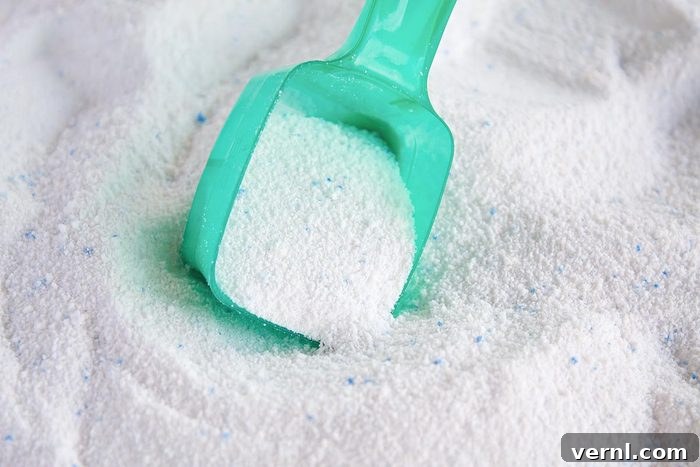
What is Powdered Detergent?
Powder detergents are dry, granular cleaning agents composed primarily of surfactants, builders, and often bleaching agents. Builders, such as phosphates (though many modern formulas are phosphate-free), soften hard water, allowing surfactants to work more effectively. Unlike liquids, powders frequently include oxygen bleach and optical brighteners, making them exceptionally powerful against tough dirt, mud, sweat buildup, and other stubborn grime that can dull whites over time. They are particularly effective when activated by hot water, delivering a deep clean that restores brightness.
“They are a solid choice for deep cleaning and tackling dirt-heavy loads,” states Bossart. She adds, “They’re also powerhouses for white clothes because they usually contain oxygen bleach and other whitening agents that help keep fabrics bright.”
Pros of Powder Detergent
- Often the Most Cost-Effective Per Load: Powder detergents typically offer the best value, making them an economical choice for families or individuals who do a lot of laundry. Their concentrated dry form means you often use less product per wash.
- Excellent for Hot Water Washing: Many ingredients in powder detergents, especially bleaching agents and builders, are optimized to activate and perform best in warm to hot water. This makes them highly effective for sanitizing and deep cleaning.
- Superior at Removing Tough Dirt and Mud Stains: The abrasive nature of some powder formulas, combined with potent cleaning agents and oxygen bleach, makes them incredibly effective at breaking down and lifting heavy soil, clay, and mud stains—perfect for sportswear or work clothes.
- Environmentally Friendly Packaging: Powder detergents are frequently packaged in recyclable cardboard boxes, which significantly reduces plastic waste compared to liquid detergents, aligning with eco-conscious lifestyle choices.
- Long Shelf Life: Due to their dry, stable composition, powder detergents boast a longer shelf life than liquid varieties, retaining their potency over extended periods without the need for excessive preservatives.
- Effective in Hard Water: The presence of builders in powder detergent helps to counteract the effects of hard water, preventing mineral deposits from dulling clothes and improving the overall cleaning performance, especially in regions with high mineral content in water.
Cons of Powder Detergent
- May Not Dissolve Well in Cold Water: One of the primary drawbacks is their tendency to clump or not fully dissolve in colder water, leaving powdery residue on clothes. This can be particularly frustrating with dark fabrics, as Ryan Knoll of Tidy Casa experienced: “I’ve washed my black shirts and pulled them out covered in white clumps. So annoying!”
- Not Convenient for Spot-Treating Stains: Their granular form makes direct application and pre-treatment of stains impractical. You cannot easily apply powder to a specific spot as you would with a liquid.
- Can Be Messy to Handle and Store: Measuring and pouring powder detergent can often lead to spills and dust, creating a mess around the laundry area. It also requires a dry storage environment to prevent clumping.
- Prone to Clumping in Humid Conditions: Exposure to moisture or high humidity can cause powder detergent to absorb water and harden into unusable clumps, significantly reducing its effectiveness and making it difficult to dispense.
- Some Formulas May Contain Fillers: Certain powder detergents include fillers that do not contribute to cleaning but add bulk. These fillers can sometimes lead to residue on clothes or contribute to buildup in washing machines.
- Harsher on Delicate Fabrics and Colors: The strong bleaching and whitening agents, while effective on whites, can be too harsh for delicate fabrics or vibrant colors, potentially causing fading or damage over time.
What are Powdered Detergents Best For?
Powdered detergents are ideal for heavily soiled loads such as workwear, sportswear, towels, and other fabrics that benefit from warm or hot water washing and require powerful stain and dirt removal. They are also usually the best budget-friendly choice and a strong contender for households looking for effective whitening for white garments.
Detergent Pods: The Pinnacle of Convenience
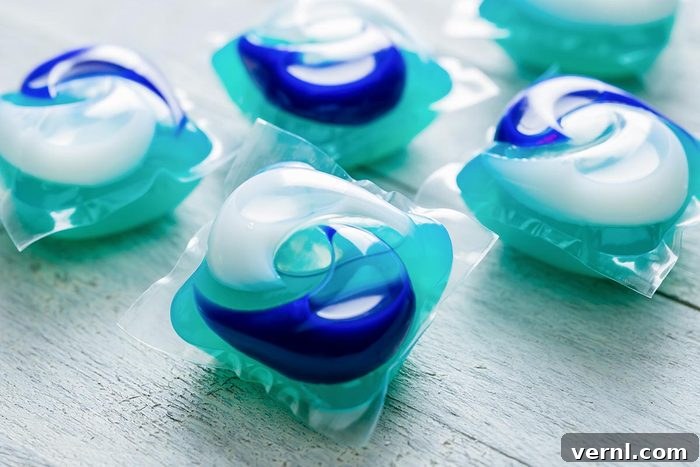
What are Detergent Pods?
Detergent pods, often referred to as laundry pacs or capsules, are pre-measured, water-soluble packets filled with highly concentrated liquid or gel detergent. They offer a powerful blend of cleaning agents, often including stain removers, brighteners, and fabric softeners, all encapsulated in a single, convenient unit. “They’re designed for convenience; just toss one in and go,” says Bossart, perfectly encapsulating their primary appeal.
Pros of Detergent Pods
- Unmatched Convenience and Pre-Measured Dosing: Pods eliminate the need for measuring, pouring, and potential spills. Each pod contains the precise amount of detergent needed for a standard load, ensuring optimal cleaning performance without waste or guesswork.
- Designed to Work in All Water Temperatures: The dissolvable film and concentrated formula of pods are engineered to perform effectively across a wide range of water temperatures, from cold to hot, ensuring consistent cleaning regardless of your wash cycle settings.
- Easy to Store and Use: Their compact size and contained nature make pods incredibly easy to store in small spaces without the mess associated with liquid or powder. They are also travel-friendly and ideal for laundromats.
- Virtually Mess-Free: With pods, there’s no messy liquid to drip or powder to spill. Simply grab a pod, toss it in, and you’re done, keeping your laundry area clean and tidy.
- Prevents Over-Pouring and Detergent Waste: The pre-measured format ensures you use only what’s necessary, preventing the common issue of overuse that can occur with liquid or powder detergents, which ultimately saves money and avoids residue.
- Multi-Benefit Formulas: Many pods are formulated with multiple cleaning benefits, often combining detergent, stain remover, and brightener in one unit, simplifying your laundry routine and delivering comprehensive cleaning.
Cons of Detergent Pods
- Higher Cost Per Load: The convenience and concentrated power of pods come at a premium, making them generally the most expensive option per load compared to bulk liquid or powder detergents.
- Significant Safety Hazard for Children and Pets: Their colorful appearance and small size can be easily mistaken for candy or toys by curious children and pets, posing a serious poisoning risk if ingested. Strict storage precautions are essential.
- Dissolvable Film Can Contribute to Microplastic Pollution: While the film is designed to dissolve, concerns exist that some of these films may not fully biodegrade, potentially contributing to microplastic pollution in waterways and the environment.
- May Not Dissolve Properly in Some Machines or Colder Water: In some older or less efficient washing machines, or in very cold water conditions, the outer film of the pod may not fully dissolve, leaving sticky residue on clothes or within the detergent dispenser.
- Inability to Adjust Dose: Pods offer a fixed dose, which means you cannot easily adjust the amount of detergent for smaller loads, very large loads, or items that are only lightly soiled, potentially leading to waste or insufficient cleaning.
- Not Suitable for Pre-Treating or Handwashing: Like powder, pods cannot be used for direct spot treatment of stains, nor are they practical for handwashing scenarios where a controlled amount of liquid is preferred.
What are Detergent Pods Best For?
Detergent pods are the ultimate choice for no-hassle dish and laundry washing, prioritizing convenience above all else. “They’re great for busy households, those who tend to overuse detergent, and those who travel or use laundromats,” highlights Sokolowski. For those seeking an eco-friendlier and precise liquid alternative to pods, look for concentrated liquid detergents that dispense with a pre-measured squeeze, like Seventh Generation Easy Dose.
Liquid vs. Powder Detergent: Which Is Best for Me?
The choice between liquid, powder, and even pods ultimately depends on your specific cleaning habits, machine type, budget, and environmental priorities. There’s no single “best” option, but rather a best fit for different needs.
For Laundry: Tailoring Your Wash
For most households, a combination of detergents can provide the most versatile and effective cleaning strategy.
- Choose Liquid Detergent if: You frequently wash in cold water (to save energy or protect colors), deal with a lot of greasy or oily stains (like a pizza spill or cooking grease), or prefer to pre-treat stains directly. Liquid is also generally kinder to delicate fabrics and dark colors.
- Opt for Powder Detergent if: You’re on a budget, prefer to wash in hot water for deep cleaning and sanitization, or regularly tackle heavily soiled loads (think children’s play clothes, gardening attire, or sports uniforms). Powder is excellent for whitening whites and can be more effective in hard water areas.
- Consider Detergent Pods if: Convenience is your top priority, you tend to overuse detergent, or you frequently use public laundromats. They’re also great for simplifying laundry for busy individuals.
Many experts, like Ryan Knoll, advocate for keeping both liquid and powder detergents on hand. “I keep both at home,” says Knoll. “Powder is better for tough stains and the environment, but it doesn’t always dissolve in cold water. I’ve washed my black shirts and pulled them out covered in white clumps. So annoying! This is where liquid detergent becomes indispensable for delicate washes and dark clothing.”
For Dishwashers: Battling Food Residue
The principles differ slightly when it comes to dishwashing detergents, primarily due to the intense heat and confined environment of a dishwasher.
- Powder Dishwasher Detergent: Typically contains stronger cleaners, including bleaching agents, which are highly effective at breaking down tough, baked-on food stains, dried-on sauces, and coffee/tea stains. Powder tends to rinse away cleanly without leaving streaks. However, “Powder doesn’t [build up inside the dishwasher], but you have to measure it right so it doesn’t clump,” cautions Knoll, emphasizing proper dosing.
- Liquid or Gel Dishwasher Detergent: Generally gentler on dishes and can be easier to dispense. However, Knoll notes, “Liquid detergent sometimes builds up inside the dishwasher,” potentially leaving a cloudy film on dishes or contributing to residue within the machine over time if not rinsed properly or if too much is used.
- Dishwasher Pods/Tablets: Offer the ultimate convenience for dishwashing. They are pre-measured, often include rinse aid and hard water fighters, and generally perform well across various water conditions, reducing the chance of film or spots.
For optimal results, especially with dishwashers, experiment to see which type works best with your machine and local water conditions. Using a rinse aid, regardless of detergent type, can also significantly improve drying and prevent water spots.
FAQ: Answering Your Detergent Questions
Can you turn powder detergent into liquid?
Yes, you can. Bossart recommends a simple method: “Dissolve one cup of powder detergent in four cups of warm water and stir until it’s fully mixed. Store it in a sealed container, shake it before use, and you’ve got a homemade liquid detergent!” This can be a useful trick if you run out of liquid or prefer to use powder’s formula in a liquid form for specific tasks.
However, Sokolowski offers a note of caution: “I recommend limiting this technique to immediate use, as storing homemade liquid detergent can cause separation, spoilage, or reduced effectiveness over time due to a lack of commercial stabilizers.” It’s best used as a temporary solution rather than a long-term storage strategy.
Is one detergent type better for septic systems?
For homes with septic systems, it’s crucial to choose detergents that are biodegradable and free of phosphates. Both liquid and powder detergents can be septic-safe, but it’s important to check the product label for specific certifications or “septic safe” claims. Phosphate-free formulas are always recommended to prevent algae blooms and maintain the health of your septic tank. Excessively sudsy detergents should also be avoided, as they can interfere with the system’s function.
Does laundry detergent expire?
Yes, detergent can lose its effectiveness over time. While not a strict expiration date like food, most detergents have a “best by” date. Liquid detergents are typically effective for 6-9 months after opening, or 12-18 months unopened. Powder detergents, due to their dry nature, have a longer shelf life, often remaining effective for up to 2 years if stored in a cool, dry place. Beyond these periods, the active ingredients (especially enzymes) can degrade, leading to less powerful cleaning.
Can I mix different types of detergents?
Generally, it’s not recommended to mix different types of detergents (e.g., liquid with powder) in the same wash cycle. Each formula is carefully balanced to work on its own. Mixing them can sometimes lead to excessive suds, residue, or a reduction in cleaning efficacy. It’s best to stick to one type of detergent per load to ensure optimal results and prevent potential issues.
What’s the difference between HE and regular detergent?
High-Efficiency (HE) detergents are specifically formulated to produce fewer suds and work effectively with the low water levels used by HE washing machines. Using regular, high-sudsing detergent in an HE machine can lead to oversudsing, which can interfere with the washing and rinsing cycles, leave residue on clothes, and potentially damage the machine. Always use HE-labeled detergent if you have an HE washer.
About the Experts
- Vanessa Bossart is owner of GreenTerra Cleaning Service in San Francisco. Her company specializes in eco-friendly cleaning solutions, tackling a wide range of tasks, including challenging jobs like sticker removal during move-out cleanings, with a strong commitment to environmental responsibility.
- Alicia Sokolowski is President and CEO of AspenClean, a renowned green cleaning company and products manufacturer based in Vancouver, British Columbia. Under her leadership, AspenClean is dedicated to providing effective and environmentally conscious cleaning solutions for homes.
- Ryan Knoll is owner of Tidy Casa, which he founded in 2015. His company has rapidly grown to clean more than 600 homes a month across the Phoenix and Tucson areas, known for its reliable and high-quality cleaning services.