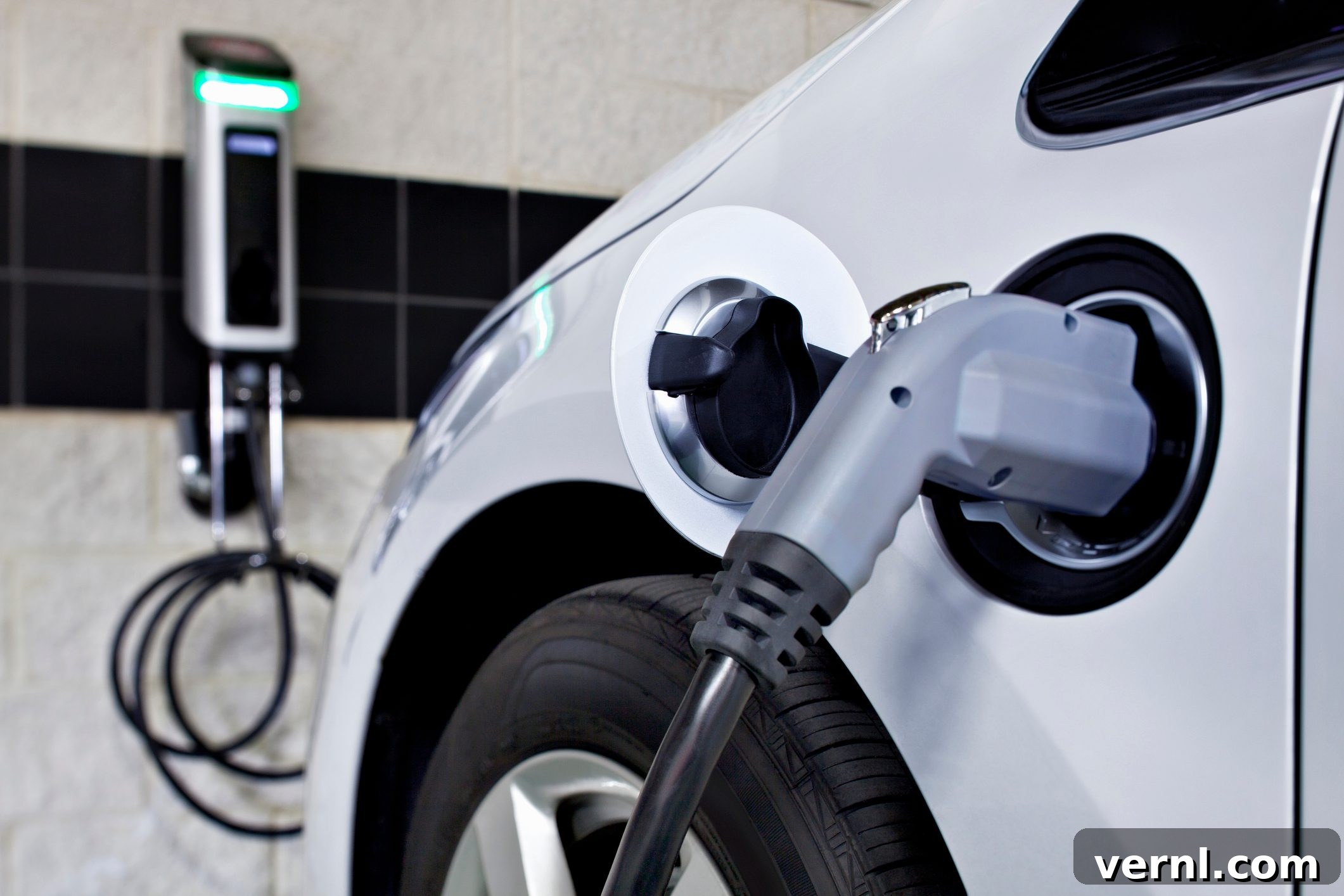
Electric Vehicles: A Deep Dive into the Future of Driving
Once considered a distant possibility, electric vehicles (EVs) are rapidly transforming the automotive industry. Skepticism is giving way to enthusiasm as new technologies emerge and both the private sector and the government invest heavily in EV infrastructure. This shift signals a significant change in how we approach personal transportation.
Since 2018, the automotive world has seen substantial investment. Automakers and startups have collectively poured over $80 billion into EV development. This financial commitment underscores the industry’s belief in the long-term viability of EVs. Several recent developments further solidify this trend:
- The Chevrolet Camaro’s transition to an EV platform.
- The European Union’s plan to phase out internal combustion engines (ICE) by 2035.
- California’s mandate requiring zero-emission vehicles.
The evidence is clear: Electric vehicles are not just a trend, but the future of driving. Let’s delve into the specific advantages that make EVs an attractive option for today’s drivers.
Lower Overall Operating Costs
One of the most appealing aspects of owning an EV is the potential for significant cost savings. Unlike traditional gasoline cars, EVs eliminate the need for oil changes, spark plug replacements, and other routine maintenance tasks. This translates into considerable savings over the vehicle’s lifespan.
According to AAA, EV owners can save upwards of $1,300 annually on maintenance. Furthermore, the cost of “fueling” an EV with electricity is typically lower than the cost of gasoline, potentially saving drivers an additional $800 each year. (These figures are based on driving 15,000 miles annually.)
Considering the average ownership period of nearly nine years, the cumulative savings over an EV’s lifetime could easily reach $19,000, making a compelling financial case for switching to electric.
Addressing Range Anxiety
A major concern for potential EV buyers is “range anxiety” – the fear of running out of battery charge before reaching a charging station. Kevin Mazzucola, from the Auto Dealers Association of Greater Philadelphia, highlights that range anxiety is a primary reason why some consumers hesitate to embrace EVs.
However, the landscape is rapidly evolving. The charging infrastructure in the United States is expanding rapidly. Simultaneously, innovative battery technologies promise extended driving ranges. It’s now possible to envision EVs with ranges exceeding 600 miles on a single charge, alleviating many of the previous concerns surrounding range limitations.
The Evolution of Battery Technology
Significant advancements in battery design have been made, making EV batteries safer, lighter, and more durable. Innovations in battery materials and construction are leading to longer lifespans and improved performance.
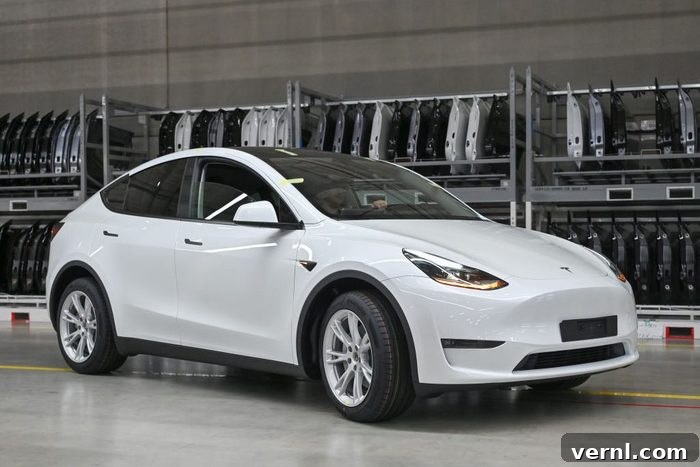
Reducing the use of expensive materials like cobalt will decrease battery costs. By 2025, solid-state batteries are expected to offer increased energy density, which means more miles per charge. This should lead to lower battery replacement costs.
A recent study by the U.S. Department of Energy’s Alternative Fuels Data Center suggests that current lithium-ion batteries may last 12-15 years in moderate climates and 8-12 years in more extreme conditions. Future EV batteries are anticipated to last at least 20 years, with the capability to charge to 80 percent capacity in significantly less time than current models.
Second Life and Recycling of EV Batteries
While recycling EV batteries has historically been a complex process, the U.S. Bipartisan Infrastructure Law is funding advancements in both recycling and the concept of a “second life” for EV batteries. This approach addresses environmental concerns and promotes sustainability.
Modern lithium battery packs are increasingly designed with a second life in mind. This allows batteries to be repurposed, providing backup power during grid outages.
Researchers are exploring innovative solutions. For example, scientists at the University of Maryland have developed zinc batteries with a biodegradable electrolyte made from crab shells. These novel batteries naturally decompose, offering an eco-friendly approach to recycling.
The Expanding Charging Infrastructure
The availability of charging stations is crucial for the widespread adoption of EVs. Companies like Electrify America are investing billions in the roll-out of a comprehensive charging infrastructure. These investments include not only the construction of new charging stations, but also STEM education and workforce development programs to support the growing demand for EV technicians and related jobs.
EV charging companies are also forging partnerships with local utilities, major retailers (Walmart, Target, Bank of America), and auto dealerships to broaden the network of charging stations.
Charging stations of the future will offer more than just a place to plug in. Electrify America is building charging stations with solar canopies, Level 2 and Level 3 chargers, comfortable lounges, and even valet services.
Mazzucola predicts that consumer apprehension about EV ownership will diminish as awareness increases. The message that charging an EV is as easy as filling up at a gas station will gain traction.
Another helpful tip is to learn about self-charging an electric car with solar panels.
Lower Emissions and Environmental Benefits
One of the most significant advantages of EVs is their positive impact on the environment. EVs produce zero “tailpipe” emissions, which helps to improve air quality.
The Environmental Protection Agency states that while EVs do have emissions associated with the electricity used to charge them, the overall greenhouse gas emissions are substantially lower than those of gasoline-powered cars over their lifespan.
Even accounting for the emissions from manufacturing an EV, the total environmental footprint remains significantly smaller than that of an ICE vehicle.
Are Electric Vehicles Safer?
While EVs have been available for over a decade, they are still considered a relatively new technology. The novelty and some highly publicized incidents can lead to the perception that EVs are riskier than gasoline cars.
However, insurance data shows that the risk of an EV catching fire is actually lower than that of gasoline-powered cars. The Insurance Institute for Highway Safety (IIHS) gives EVs high safety ratings in crash tests and rollover assessments due to the location and weight of the batteries.
Potential Drawbacks of EVs
While the advantages of EVs are compelling, some challenges remain. Several obstacles still need to be addressed before the public fully embraces electric vehicles. These include:
- The initial purchase price. In 2022, the average EV cost approximately $17,000 more than a comparable ICE vehicle.
- Annual car insurance costs for EVs can be somewhat higher.
- Some state governments impose additional fees on EV owners, as they do not contribute to road maintenance through gas taxes.
- The added weight of batteries can potentially impact tire lifespan.
- Charging fees when away from home can be expensive.
- The time required for EV battery recharging.
Despite these challenges, the trajectory is clear. Electric vehicles offer significant benefits and will undoubtedly continue to evolve, becoming even more appealing to a wider range of drivers. As battery technology improves, charging infrastructure expands, and costs decrease, EVs are poised to become the dominant form of personal transportation.