Stop Raking Leaves: A Guide to Fall Lawn Care
Embrace a healthier lawn and a greener planet by ditching the rake this fall. Discover the surprising benefits of leaving your leaves.
Rethinking the Rake: Why You Should Skip Leaf Removal
The fall season is a beautiful time of year, but for many, it’s also synonymous with one dreaded chore: raking leaves. For years, leaf removal has been a standard practice, but is it truly necessary? This article explores why you should consider putting down the rake and embracing a more natural approach to fall lawn care.
The History of Leaf Raking: A Modern Perspective
While rakes have been around for centuries, the practice of meticulously removing every fallen leaf from our lawns is a relatively recent phenomenon. The rise of suburban lawns in the 1950s, with their emphasis on perfect, manicured green spaces, fueled the need to get rid of leaves. Leaves were deemed unsightly, a mark against the “ideal” lawn.
However, this mid-century mindset is outdated. In fact, leaving leaves on your lawn can be far more beneficial.
Why Raking Leaves is More Trouble Than It’s Worth
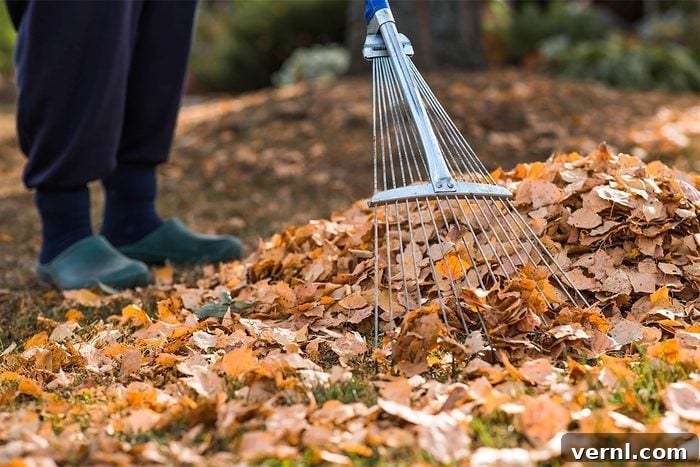
Let’s be honest: Raking leaves is a hassle. It involves endless hours of labor, from gathering the leaves into piles to bagging them and hauling them away. And then, you have to do it all over again, year after year. It’s a never-ending cycle.
Beyond the inconvenience, raking can be physically demanding. The repetitive motions and heavy lifting can lead to muscle strains, back pain, and even more serious health issues. It’s a surprisingly strenuous activity.
Moreover, raking disrupts the natural ecosystem of your yard. As Julie Dellinger from Garden for Wildlife points out, “Insects overwinter in the leaf litter and some of them become a food source for birds when other sources of food become scarce.” Raking destroys crucial habitats for insects and other wildlife, impacting biodiversity.
Consider the environmental impact. Millions of tons of yard waste, including leaves, end up in landfills each year, contributing to waste management challenges.
The Advantages of Leaving Your Leaves
When you choose to skip the raking, you unlock a host of benefits for your lawn, your health, and the environment. Leaving leaves in place offers several advantages:
- Saves Time and Effort: Free up valuable weekend hours and reduce physical strain.
- Improves Soil Health: Decomposing leaves act as a natural fertilizer, enriching your soil with essential nutrients and organic matter. This leads to healthier grass and improved soil structure.
- Protects Soil: Leaf litter can help prevent soil erosion, especially on slopes, by creating a protective barrier.
- Supports Wildlife: Provides critical habitat for insects, which in turn support birds and other wildlife.
- Reduces Landfill Waste: Contributes to a more sustainable approach to waste management.
When Leaving Leaves Isn’t the Best Option: Finding the Right Balance
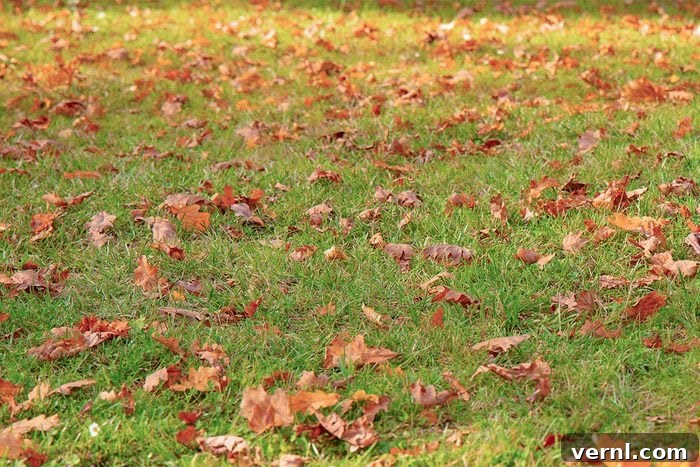
While letting leaves be can be beneficial, there are instances where a thick layer of leaves can cause problems. A very thick layer of leaves can smother your lawn, preventing sunlight from reaching the grass and potentially leading to the development of snow mold during the winter.
If your lawn is completely covered in a dense layer of leaves, you have a few options to consider:
- Partial Raking: Rake up the majority of the leaves, but leave some of the smaller debris behind to decompose naturally.
- Leaf Mulching: Utilize a lawnmower with a mulching function to chop up the leaves into smaller pieces that can decompose on your lawn.
- Composting and Garden Beds: Rake leaves onto garden beds, which provide insulation and added nutrients.
- Designated Leaf Area: Create a dedicated area in your yard where leaves can accumulate without harming your grass. This benefits wildlife and reduces the visual impact on your lawn’s appearance.
Expert Insights: Julie Dellinger of Garden for Wildlife
We spoke with Julie Dellinger, a marketing director and content creator at Garden for Wildlife, part of the National Wildlife Federation. Dellinger emphasizes the importance of leaves in the ecosystem:
“If you can’t leave all of the leaves, designating a specific section of your yard to keep them can make a big difference. We’ve even heard from customers who dump the leaves in their garden to form a natural mulch and preserve the benefits to wildlife without upsetting the HOA or their nearby neighbors.”
Conclusion: Embrace the Natural Approach
This fall, consider changing your lawn care routine. By embracing the simple act of leaving the leaves, you can create a healthier lawn, conserve energy, protect wildlife, and contribute to a more sustainable environment. Ditch the rake and experience the benefits of a more natural approach to lawn care.