
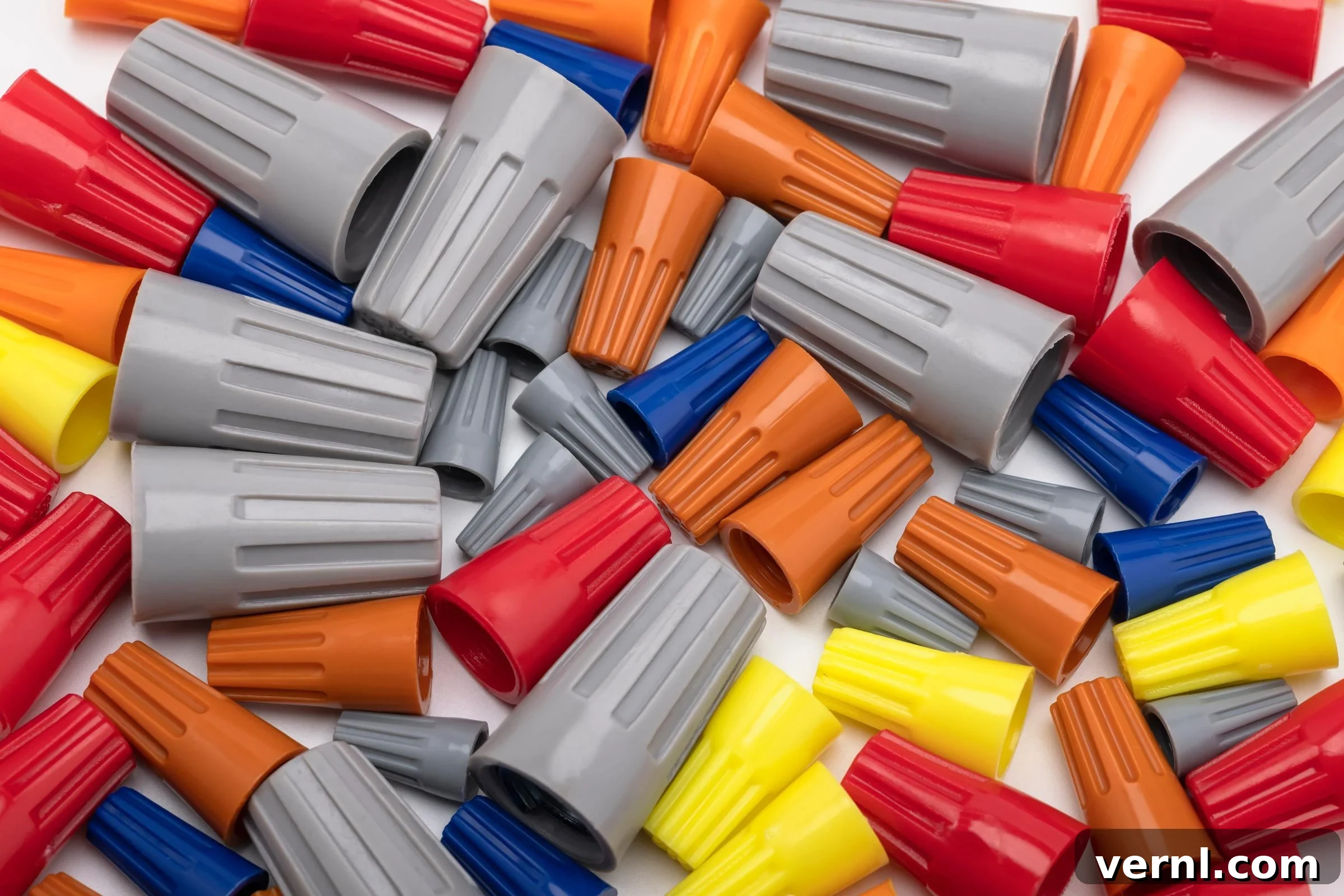
Proper Wire Nut Connections: Ensuring Safe and Reliable Electrical Wiring
Master the art of connecting wires with wire nuts, the right way. This guide covers the manufacturer-recommended techniques for secure and dependable electrical connections, perfect for DIY enthusiasts and professionals alike.
Understanding the Importance of Correct Wire Nut Usage
Electrical wiring, though seemingly complex, relies on fundamental principles. A cornerstone of safe and effective wiring is the proper use of wire connectors, particularly wire nuts. These small, yet crucial components are designed to create secure and insulated connections between electrical wires. This guide focuses on the method that wire nut manufacturers endorse, prioritizing both safety and long-term reliability.
Incorrect wiring can lead to hazardous situations, including electrical shocks, fires, and appliance damage. Therefore, understanding the correct techniques for wire nut applications is vital for anyone working with electrical systems. We’ll delve into the nuances of selecting the right wire nuts, preparing wires, and executing the connection process flawlessly.
Watch the Expert Tutorial: Correct Wire Nut Connection
Visual learning can greatly enhance understanding. The following video provides a clear and concise demonstration of the proper wire nut connection method. Observe the techniques and steps closely to ensure you replicate them correctly in your projects.
Step-by-Step Guide to Secure Wire Nut Connections
Following a precise methodology is crucial for the successful application of wire nuts. This step-by-step guide breaks down the process, making it easy to follow and implement, regardless of your experience level. Always prioritize safety by turning off the power to the circuit before working with any electrical wires.
-
Power Down and Safety First
Crucial Safety Step: Before starting any wiring project, locate the circuit breaker that controls the circuit you’ll be working on and turn it OFF. Double-check that the power is off using a non-contact voltage tester to ensure safety.
-
Wire Preparation: Stripping and Alignment
Proper wire preparation is the foundation of a reliable connection. Use a wire stripper to remove the insulation from the wires. The amount of insulation to strip will be specified on the wire nut packaging or the wire nut itself. Carefully align the stripped ends of the wires that will be connected; ensure that they are parallel and aligned at the same level. Avoid nicking or damaging the copper conductors during the stripping process. Damage can weaken the wires and compromise the connection.
-
Twisting with the Wire Nut (Manufacturer’s Method)
This is the core of the technique – let the wire nut do the work. The goal is to properly insert the wires into the wire nut and twist. This method removes the need for pre-twisting the wires, simplifying the process and ensuring a robust connection. Here’s how to proceed:
- Insert Wires into the Wire Nut: Hold the stripped ends of the wires together and insert them into the wire nut. Make sure all the stripped ends are fully inside the wire nut.
- Twist the Wire Nut: Using your fingers, begin twisting the wire nut clockwise. The wire nut’s internal threads will grip the wires and create the connection. Continue twisting until the wires are firmly secured within the wire nut. You should feel resistance as the wires bind together.
- Confirm the Connection: After twisting, gently tug on each wire individually to verify that the connection is secure. If any wire comes loose, remove the wire nut and repeat the process, ensuring all wires are fully inserted and properly twisted.
-
Secure the Connection: Inspect and Complete
Once you are confident with the connection, inspect to make sure no bare wire is visible. Properly connected wires should be fully concealed within the wire nut. If any copper is visible, re-do the connection, ensuring that all wires are covered.
Choosing the Right Wire Nuts: Size and Type Considerations
Selecting the appropriate wire nut is crucial for a safe and effective connection. Different wire nuts are designed for various wire gauges and combinations. Using the wrong size can result in a loose connection, which is a significant safety hazard.
Several factors should be considered when choosing wire nuts:
- Wire Gauge: Wire nuts are sized according to the American Wire Gauge (AWG) of the wires they are intended to connect. The packaging will clearly indicate the wire gauge range that the nut is designed for. Check the wire gauge, and then match this to the wire nut’s specifications.
- Number of Wires: Consider the number of wires that you need to connect. Some wire nuts are designed for a specific number of wires. Do not exceed the manufacturer’s specified wire capacity.
- Wire Types: Ensure the wire nut is compatible with the types of wire you’re using (e.g., solid or stranded). Some wire nuts are designed for only certain types. Check the packaging.
- Temperature Rating: Consider the operating temperature of the wire nut. Use wire nuts that are rated for the temperature range in which they will be operating (e.g., attic, enclosed fixture).
Common Wire Nut Issues and Solutions
Even with the correct techniques, issues can arise. Understanding potential problems and their solutions can help you rectify them and prevent future mishaps. Here are some common wire nut issues:
-
Loose Connections:
Problem: Wires can come loose from the wire nut. This can lead to arcing, heat generation, and potential fire hazards.
Solution: Ensure all wires are fully inserted into the wire nut, and that the wire nut is twisted firmly. When in doubt, re-do the connection. If the wire is damaged, strip a little more and re-try. Choose a wire nut with the correct wire gauge.
-
Overfilled Wire Nut:
Problem: Exceeding the wire nut’s capacity can lead to a poor connection and increase the risk of failure.
Solution: Only use a wire nut that is designed for the total number of wires and the wire gauge(s) you are connecting. Use a larger wire nut or multiple wire nuts if necessary, to stay within the manufacturer’s guidelines.
-
Damaged Wires:
Problem: Damaged wires can lead to arcing and connection failures.
Solution: Carefully inspect the wires before making the connection. If any wires are damaged, cut the damaged section and re-strip the insulation. If the damage is extensive, replace the wire.
-
Incorrect Wire Nut Type:
Problem: Using a wire nut that is not suitable for your application can result in connection failure.
Solution: Always choose the correct wire nut size and type based on wire gauge, the number of wires, and the wire type (solid or stranded).
Essential Safety Precautions for Electrical Wiring
Working with electricity requires a high degree of caution. Prioritizing safety is paramount, especially when dealing with electrical wiring. Following these precautions can minimize the risks.
- Always Turn Off the Power: As stated previously, this is the most critical safety step. Always turn off the circuit breaker before you begin to work on any electrical wiring. Use a non-contact voltage tester to confirm that the power is off.
- Work in a Dry Environment: Avoid working in damp or wet conditions, as water can conduct electricity.
- Use Insulated Tools: Use tools that are specifically designed for electrical work and have insulated handles.
- Wear Safety Glasses: Protect your eyes from debris that might occur during wire preparation and connection.
- Double-Check Your Work: Before restoring power, thoroughly inspect all connections to ensure they are secure and properly insulated.
- If in Doubt, Consult a Professional: If you are unsure about any aspect of the wiring process, consult with a qualified electrician. Incorrect wiring can be dangerous.
Conclusion: Mastering Wire Nut Connections for Safe Wiring
Understanding and applying the proper methods for connecting wires with wire nuts is essential for anyone involved in electrical work. By following the step-by-step guide, selecting the right wire nuts, and prioritizing safety, you can create secure and reliable electrical connections. Always prioritize safety and follow the manufacturer’s recommendations for a successful and safe project.
Remember that if you are uncomfortable or unsure about any aspect of electrical wiring, you should seek professional assistance. Electrical safety is not a matter to be taken lightly.
Further Reading and Resources
For more detailed information and guidance, we recommend the following resources:
- How To Choose the Right Wire Nuts for Electrical Connections – A comprehensive guide on selecting the correct wire nuts.
- Your local hardware store or electrical supply store. Ask a professional.
- Online electrical safety resources and tutorials.