
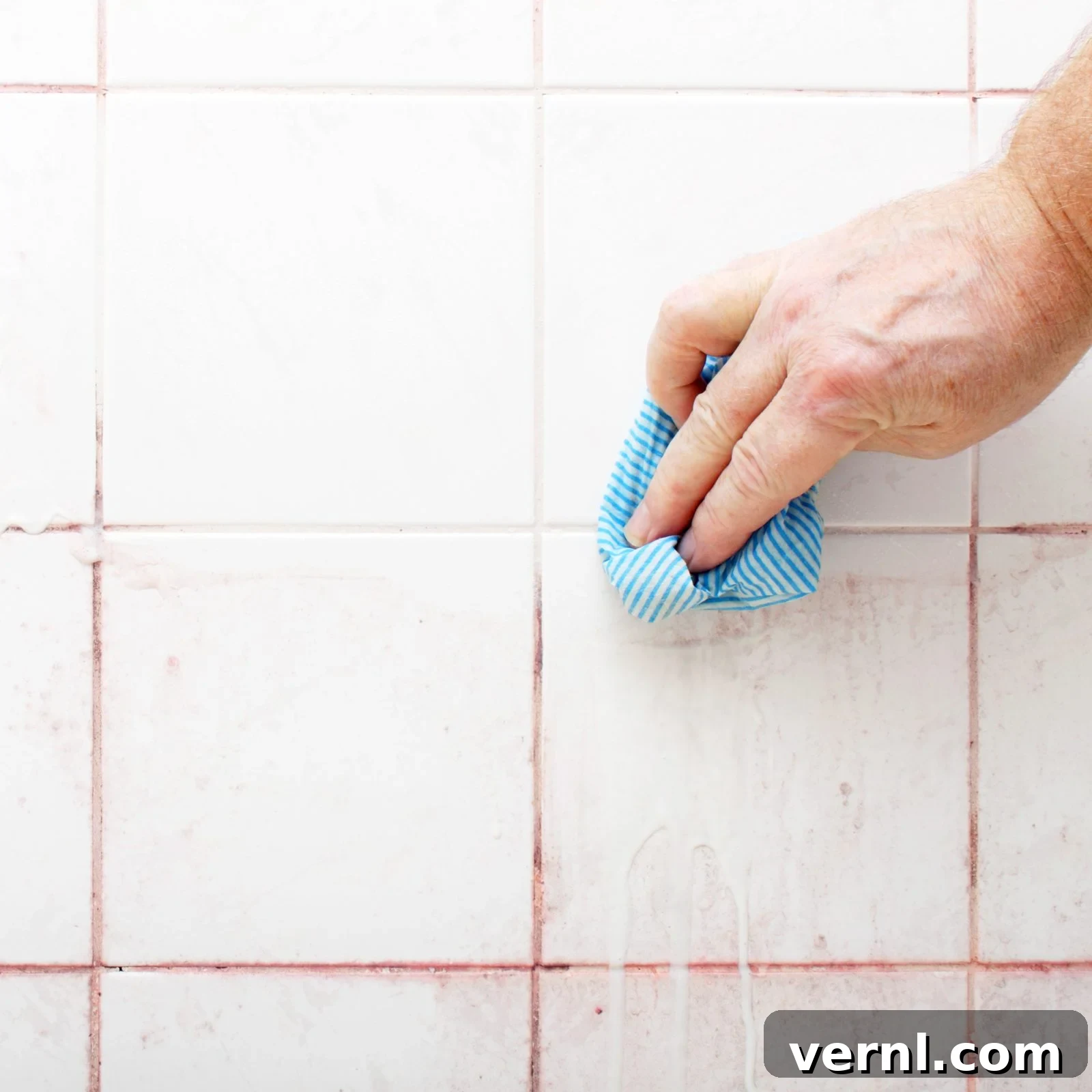
Pink Mold: Unveiling the Truth About Serratia Marcescens
Often dismissed as a mere nuisance, the appearance of pink mold in your home, particularly in bathrooms, warrants closer examination. While frequently referred to by the less appealing term “pink slime,” this common household visitor, scientifically known as Serratia marcescens, presents a more complex story than its cosmetic inconvenience suggests.
Lina DeSilva, founder of Toronto Shine Cleaning, astutely points out the potential of pink mold as a “bio-alert,” signaling the need to assess and address the health of our living spaces. This perspective encourages us to look beyond the surface and understand the implications of this often-overlooked bacterium.
What Exactly is Pink Mold? Unmasking the Bacterium
Contrary to its common name, pink mold isn’t actually a type of mold at all. Mold is a fungus, but pink mold is a bacterium: Serratia marcescens. This bacterium is ubiquitous in the environment, found in soil, water, and even within plants, animals, and humans. The tell-tale pink hue arises from a pigment called prodigiosin, which manifests as vibrant red in a fully developed colony. The pink appearance on bathroom surfaces results from the thin film the bacteria forms.
The bacterium’s identification as such dates back to the mid-twentieth century. Before then, scientists mistook it for a species of mold. The name, however, stems from the early 1800s, when Italian researcher Bartolomeo Bizio studied it. Bizio, while observing colonies growing in polenta, named it after Sarafino Serrati, an Italian physicist. The naming might seem odd, but it exemplifies the history and evolution of scientific discovery.
The “Miracle” and Religious Significance
Serratia marcescens‘s ability to thrive on damp bread and transform it to a blood-red color has led to instances that some interpreted as miracles. One notable example occurred in 1263 A.D. during Mass at the Church of Saint Christina in Bolsena, Italy. A Bohemian priest, Peter of Prague, doubted the transubstantiation doctrine, which posits that the bread and wine offered during Mass become the body and blood of Christ. As he offered bread, a blood-like liquid began to drip from it.
This event was considered so significant that Pope Urban IV instituted the Feast of Corpus Christi the following year. The altar cloth where the “blood” dripped, known as the Corporal of Bolsena, is still preserved and revered. Renaissance artist Raphael immortalized the event in a fresco displayed in the Apostolic Palace in the Vatican.
Pink Mold as a Tracer: Historical and Contemporary Applications
The distinctive coloration of S. marcescens makes it a valuable tracer organism, allowing researchers to track its spread. If someone inhales or ingests it, researchers can detect it in the blood and organs. This quality facilitated unique applications, including a controversial U.S. military operation.
In 1950, the U.S. military conducted “Operation Sea Spray” to assess the vulnerability of the population to biochemical attacks. Minesweepers released the bacteria into the atmosphere near San Francisco. Samples were taken to determine how far it had spread, revealing widespread evidence of the bacteria’s presence.
While initially believed harmless, the operation’s aftermath caused some health concerns. Following the test, several people reported urinary tract infections, a common effect of inhaling the bacteria. Today, medical professionals recognize Serratia marcescens as a potential pathogen.
Is Pink Mold Dangerous? Potential Health Risks
The simple answer is yes, pink mold can be a health concern. It can cause a range of illnesses, including conjunctivitis, pneumonia, and meningitis. While most people are not adversely affected, the elderly, young children, and those with pre-existing conditions are at a higher risk.
Once infected, vulnerable individuals may not fully eliminate the bacteria from their systems, leading to chronic health issues. Additionally, Serratia is part of a group of bacteria that release enzymes, protecting them from antibiotics. These enzymes can reduce antibiotics’ effectiveness against other bacteria, making the situation even more concerning.
How to Get Rid of Pink Mold and Prevent Its Return
The Centers for Disease Control and Prevention (CDC) recommends cleaning pink mold with soap and water. Various sources recommend a cleaning paste of a half-cup of baking soda mixed with a tablespoon of dishwashing liquid.
The key to managing and preventing pink mold, as suggested by Lina DeSilva, is a two-pronged approach: deep cleaning followed by regular maintenance. A thorough initial cleaning removes existing colonies. Consistent cleaning prevents its return.
Steps for Cleaning Pink Mold:
- Ventilate: Open windows and doors to increase airflow.
- Prepare: Wear gloves and a mask to protect yourself.
- Clean: Use a solution of soap and water, or a baking soda and dish soap paste.
- Scrub: Thoroughly scrub the affected areas.
- Rinse: Rinse the cleaned surfaces with clean water.
- Dry: Dry the surfaces completely to prevent regrowth.
- Maintain: Regularly clean and maintain your bathroom to prevent recurrence.
By understanding the nature of pink mold and taking proactive measures, you can maintain a cleaner, healthier home environment. Don’t underestimate the importance of regular cleaning and addressing moisture issues in areas prone to mold growth.
If you suspect a serious mold issue or have health concerns, consult a professional for assistance.