
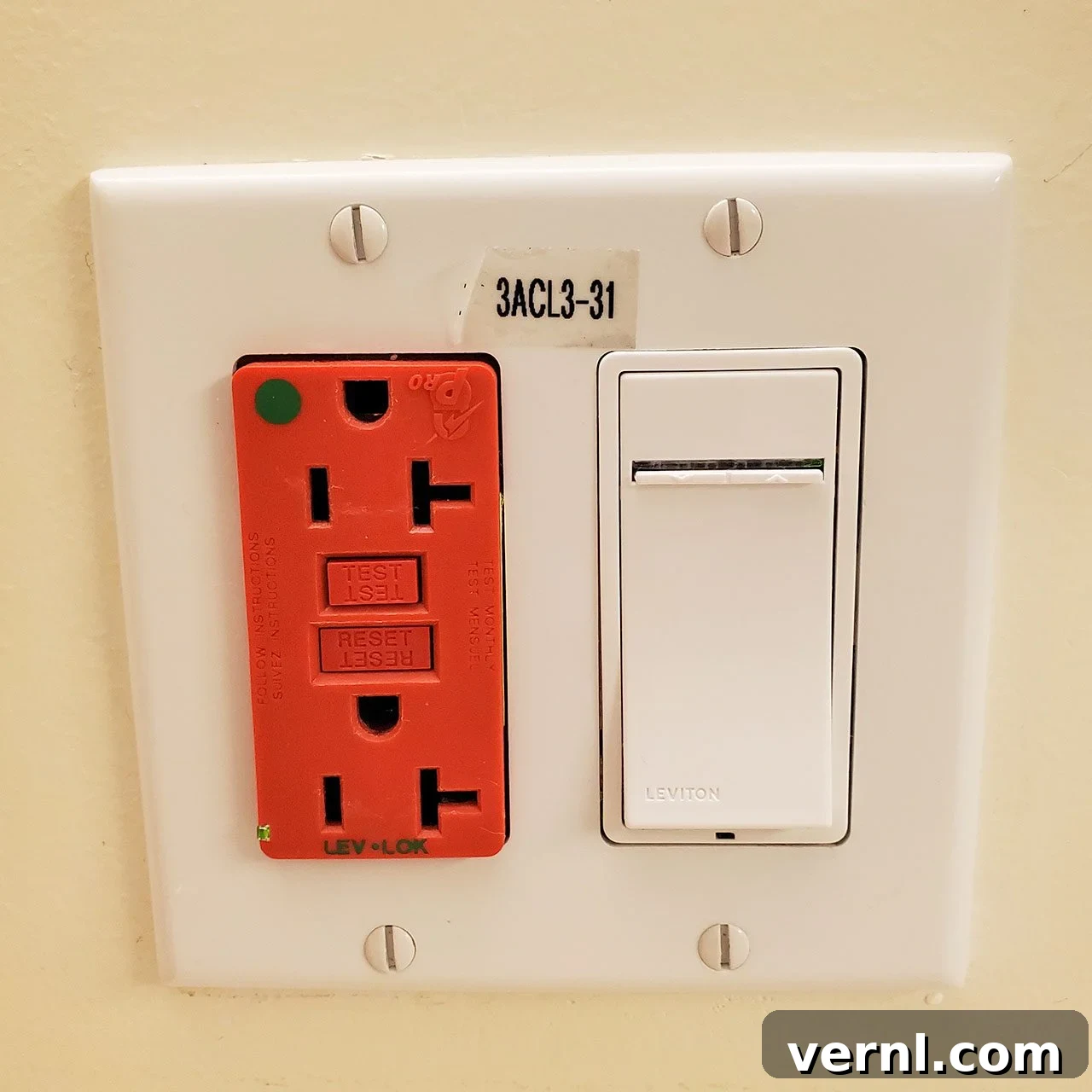
Outlets are everyday features in homes and commercial buildings that most people rarely consider. Modern receptacles may include USB or USB-C ports, built-in GFCI protection, or three-prong grounding. Older outlets sometimes lack a ground hole. One variation that often attracts attention is the orange electrical outlet. These are more than a design choice — they usually serve a specific electrical purpose.
Why Are Some Electrical Outlets Orange?
An orange electrical outlet commonly indicates an isolated ground receptacle. These outlets are installed to reduce electrical noise and interference that can affect sensitive electronic equipment. Instead of tying the grounding terminal to the metal box and shared grounding system in the usual way, an isolated ground outlet provides a dedicated equipment grounding conductor intended to minimize electrical interference.
Because their benefit is primarily for sensitive electronics, orange or isolated ground outlets are frequently found in offices, hospitals, data centers, laboratories, and other commercial environments that house computers, medical devices, or instrumentation. In residential settings they are uncommon, but you may encounter them in home theaters, recording studios, workshops, or home offices where homeowners have installed specialized equipment that benefits from cleaner grounding and reduced noise.
Isolated ground receptacles are often fully orange, but manufacturers may also mark them with an orange triangle on the face of the device. The triangle is a useful identifier when color alone isn’t used or when outlets have been replaced with different finishes.
How Is an Isolated Ground Outlet Different?
The key difference between an isolated ground outlet and a standard receptacle is the grounding path. On a standard outlet, the grounding terminal is connected to the metal outlet box and the building’s shared grounding system. An isolated ground outlet keeps the grounding connection separate from the mounting hardware and metal box while still providing the required equipment grounding conductor back to the electrical service. This separation helps reduce ground-loop currents and electrical noise that can travel through common grounding paths.
For everyday household devices such as lamps, televisions, vacuums, coffee makers, and phone chargers, the performance is effectively the same whether plugged into a standard or isolated ground outlet. The advantage of an isolated ground outlet becomes clear only when equipment is sensitive to small amounts of electrical interference that could cause noise, data errors, or operational problems.
Do Orange Outlets Always Mean the Same Thing?
Not always. While orange outlets are commonly used to indicate an isolated ground, some facilities use colored receptacles to denote other specific functions—dedicated circuits, emergency power, or different phases of a system, for example. Practices can vary between older and newer installations, and between different organizations and jurisdictions.
An identifying marker such as an orange triangle is often a more reliable indicator of an isolated ground than color alone. If you find an unusual outlet in a home or building and plan to replace it, first determine its intended purpose. Replacing a specialized receptacle with a standard device could remove an important feature that the electrical system or connected equipment requires.
If you are unsure about the purpose of an orange outlet or whether it should be replaced, consult a qualified electrician. A licensed professional can trace the grounding conductor, confirm whether an outlet is isolated, and advise on safe replacements or changes that preserve the electrical system’s intended protections and noise-reduction features.
In summary, an orange outlet usually signals an isolated ground receptacle used to reduce electrical interference for sensitive equipment. They are most common in commercial and specialized environments but can appear in certain residential setups. Always verify the purpose of nonstandard outlets before altering them to ensure safety and continued equipment performance.