
Vortex Generators: Unlocking Aerodynamic Advantages for Your Car
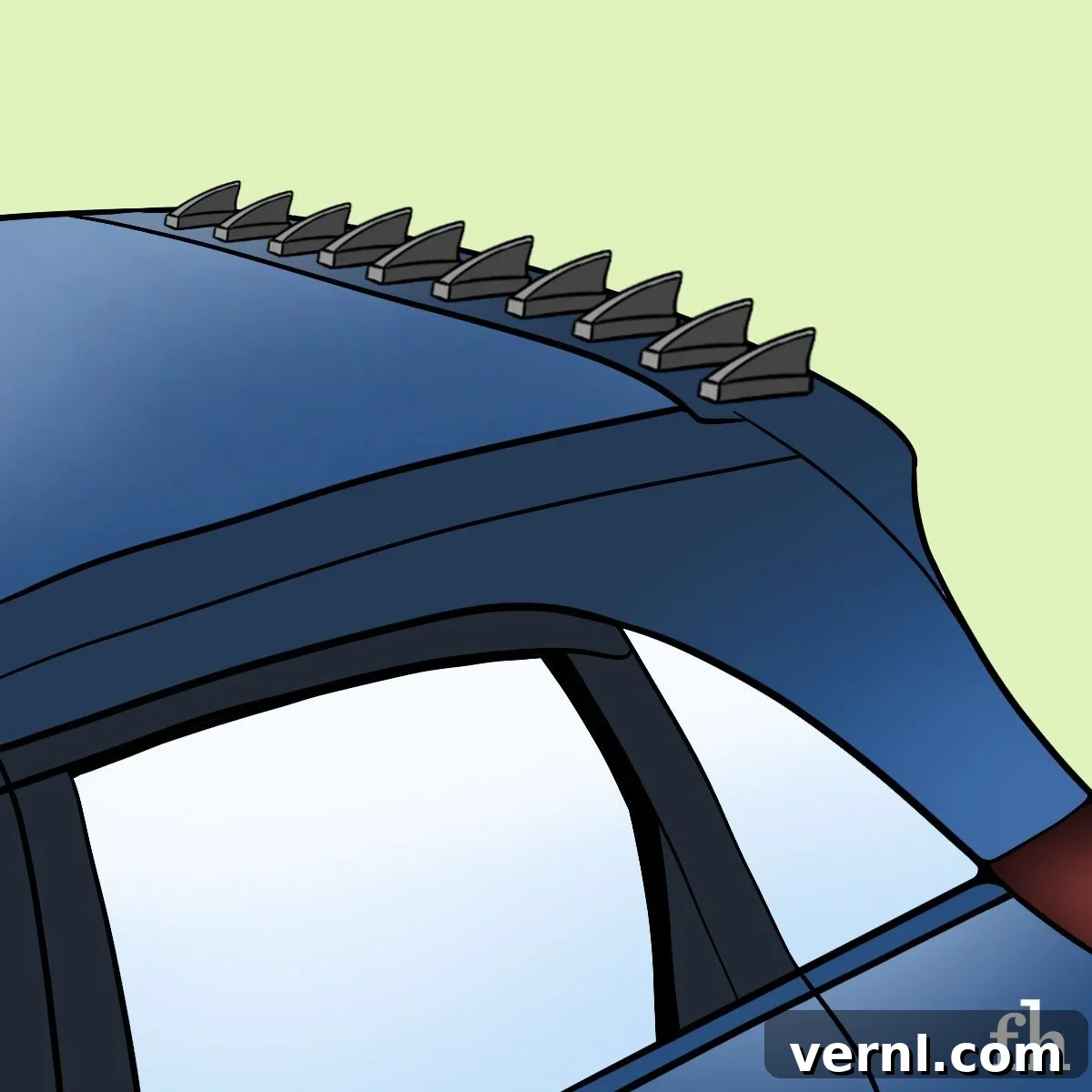
Have you ever noticed cars with small, fin-like attachments on their roof or rear? These aren’t just for show; they’re called vortex generators, and they play a significant role in a vehicle’s aerodynamic performance. These often-overlooked components are designed to manipulate airflow, leading to improvements in stability, handling, and potentially even fuel efficiency. This article dives deep into the world of vortex generators, exploring their function, origins, and whether they’re the right upgrade for your car.
What Exactly Are Vortex Generators?
Vortex generators are small, typically rectangular or triangular, fin-shaped devices. They are strategically positioned on a vehicle’s exterior, most commonly on the roof near the rear window, or sometimes on the trunk lid. These small fins are crucial for controlling the way air moves over and around the car. They’re engineered to disrupt the airflow in a controlled manner, preventing it from becoming chaotic and turbulent.
The primary function of vortex generators is to create small whirlwinds of air, known as “vortices.” These vortices help to energize the airflow and keep it attached to the car’s surface for a longer duration. This enhanced airflow leads to several benefits, including reduced drag and improved stability, particularly at higher speeds.
The Science Behind Vortex Generators: How They Work
To understand the impact of vortex generators, it’s essential to grasp the basics of car aerodynamics. As a car moves through the air, it encounters resistance, known as drag. Drag is a force that opposes the motion of the car and can negatively affect its performance and fuel economy. The shape and design of a car greatly influence how air flows over its surface.
Without vortex generators, the airflow over a car’s rear often separates, creating areas of low pressure and turbulence. This separation increases drag and can cause instability, especially when the vehicle is traveling at higher speeds. Vortex generators address this by creating a series of small, controlled vortices.
These vortices effectively “mix” the faster-moving air above the car with the slower-moving air near the car’s surface. This mixing helps to re-energize the airflow and prevent it from separating, which in turn reduces drag and improves stability. The optimized airflow also helps in reducing lift, which is the upward force that can reduce the car’s tire grip and handling.
Key Benefits of Using Vortex Generators
The addition of vortex generators offers several advantages for car owners, especially those who often drive at higher speeds or prioritize performance. Here are some of the primary benefits:
- Improved Aerodynamics: By smoothing airflow, vortex generators help to decrease drag, potentially leading to better fuel efficiency.
- Enhanced Stability: The controlled airflow around the car minimizes turbulence, improving stability, especially during high-speed driving and in windy conditions.
- Reduced Lift: Vortex generators can decrease lift at the rear of the car, enhancing the vehicle’s grip and providing better handling.
- Sporty Aesthetics: Beyond their functional benefits, vortex generators can add a distinctive, aggressive, and sporty look to your car, enhancing its visual appeal.
Where Did Vortex Generators Originate? A Glimpse into Aviation
While often seen as a car modification, vortex generators actually trace their roots back to aviation. The aviation industry has long employed vortex generators on aircraft wings to improve airflow and enhance performance. By using vortex generators, airplanes can maintain lift and stability at lower speeds and in turbulent conditions. Their success in aviation paved the way for their implementation in automotive engineering.
As the automotive industry sought to improve vehicle aerodynamics, it naturally looked to the aviation sector for solutions. The application of vortex generators in cars allowed engineers to improve airflow management and refine overall vehicle performance.
Today, vortex generators are often seen on high-performance vehicles, sports cars, and those modified for racing. Car enthusiasts and performance-driven drivers recognize the benefits these fins offer.
Are Vortex Generators Right for Your Car? Considerations and Practicality
While the benefits of vortex generators are clear, their suitability varies based on individual driving needs and preferences. Before deciding to install them on your car, it’s essential to consider the following:
- Driving Style and Conditions: If you primarily drive at low speeds in urban environments, the impact of vortex generators might be minimal. However, if you frequently drive on highways or participate in track events, the benefits become more apparent.
- Car Type: Vortex generators are more effective on vehicles with a sloped roof or a design that naturally creates turbulence at the rear.
- Installation Quality: Proper installation is critical for vortex generators to function effectively. Improper placement can negate their benefits or even negatively affect aerodynamics. Ensure that the installation is done according to the manufacturer’s guidelines.
- Aesthetic Preference: If you value the aggressive, sporty look that vortex generators provide, they can be a great addition to your car, even if the functional benefits are less pronounced for your driving habits.
- Fuel Efficiency: While vortex generators can improve fuel efficiency by reducing drag, the difference is often marginal for everyday driving.
Installation and Maintenance Tips
If you’re considering adding vortex generators to your vehicle, here’s what you should know about installation and maintenance:
- Research and Select Quality Products: Choose vortex generators from reputable manufacturers to ensure they’re made with high-quality materials and designed for optimal performance.
- Follow Installation Instructions Carefully: Proper installation is crucial for effective results. Adhere strictly to the manufacturer’s guidelines, which often involve using adhesive tape or screws to attach the fins to your car.
- Positioning Matters: The placement of vortex generators is critical. Usually, they are installed in a specific pattern, with angles and spacing carefully determined to maximize their aerodynamic impact. Incorrect positioning will render the vortex generators ineffective.
- Prepare the Surface: Before applying the vortex generators, thoroughly clean and prepare the surface of your car where the fins will be attached. This ensures the adhesive or mounting hardware can securely bond to the vehicle’s surface.
- Regular Inspection: Inspect your vortex generators periodically for any signs of damage or loosening. Make any necessary repairs or replacements to maintain their effectiveness.
- Consider Professional Installation: If you’re not comfortable with DIY modifications, consider professional installation. This can help to ensure that the vortex generators are properly positioned and securely attached, maximizing their performance.
Conclusion: The Practicality and Appeal of Vortex Generators
Vortex generators represent a functional and stylish upgrade that can enhance a car’s aerodynamic performance. While their impact may be subtle in everyday driving scenarios, the benefits of improved stability, reduced drag, and sporty aesthetics make them a compelling option, especially for those who prioritize performance or desire a more aggressive look for their vehicle. Consider your driving habits, vehicle type, and aesthetic preferences when deciding whether to add vortex generators to your car. With careful consideration and proper installation, these small fins can significantly contribute to the overall experience of driving your vehicle.
Ultimately, vortex generators offer a blend of function and form. They can improve performance and personalize the appearance of your car, adding a subtle yet impactful enhancement to its overall design and capabilities.