
Surviving Hurricane Irma: A Guide to Natural Disaster Preparedness
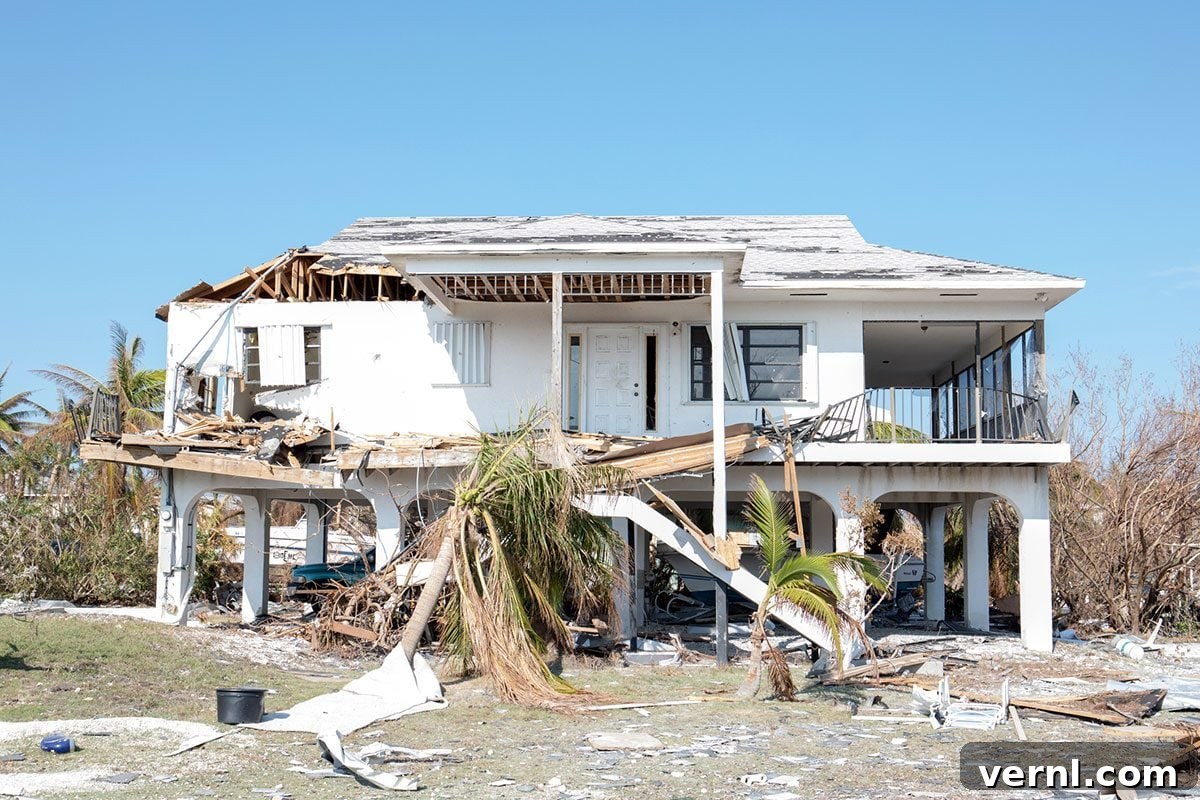
In 2017, Hurricane Irma, a catastrophic force of nature, relentlessly battered the Caribbean and Florida. Barbuda was almost entirely erased, stripped bare of its buildings and trees. The hurricane’s 185-mph winds marked it as the most powerful storm ever recorded in the Atlantic. Just four days later, Irma made landfall directly over our home in the Florida Keys. By that point, the winds had diminished to a still-formidable 130 mph, classifying it as a Category 4 hurricane.
We were fortunate. We had several days to prepare – a significant advantage compared to those who face sudden disasters like tornadoes, wildfires, flash floods, and landslides. Despite considering ourselves reasonably prepared, we quickly realized we were not fully equipped to handle the reality that unfolded. Natural disaster preparedness is essential for everyone living in a vulnerable area. It is more than just having supplies; it is about knowing what to do, when to do it, and understanding the potential long-term consequences.
This experience taught us invaluable lessons about natural disaster preparedness, encompassing evacuation strategies, insurance intricacies, and the often-arduous process of rebuilding. This guide shares those hard-earned insights to help you navigate future disasters with greater confidence and resilience.
Evacuation: The Crucial Decision – Stay or Go?
Go. Without hesitation, we recommend evacuation. Initially, we debated staying, but we are profoundly grateful that we ultimately chose to leave. The aftermath revealed the severity of the situation: it took days for emergency crews to clear the roads, and weeks for essential services like power, water, and sewer to be restored. Beyond the immediate discomforts, evacuation is paramount to alleviating the strain on emergency responders and clean-up crews. They are already overwhelmed, and having to deal with additional issues like injuries, health crises, or basic supply shortages only exacerbates the situation. Choosing to evacuate helps to ensure that resources are available to those who need them most.
Essential Evacuation Preparation
- Secure Vital Documents: Store all important documents in a readily accessible location. Take photos of these documents and back them up on your phone and in the cloud for added security. This includes passports, insurance policies, birth certificates, and other critical records.
- Preplan a Meeting Place: Designate a predetermined meeting place in case family members or friends become separated during the evacuation. Ensure everyone knows the location and has a map or directions if necessary.
- Document Your Home: Before leaving, thoroughly document every room with photos or videos. This documentation serves as a comprehensive record of your belongings and their condition, greatly simplifying the insurance claims process.
- Update Your Identification: Ensure your ID card reflects your current address. Authorities typically require proof of residency to allow reentry into disaster zones. An updated ID will expedite the process and minimize potential delays.
Evacuation Realities: Overcoming the Challenges
Leave early. We underestimated the complexities of a mass evacuation. We delayed our departure until the day before the hurricane, due to my partner’s commitment to securing his customers’ awnings and boats. By then, 6.8 million other Floridians were already on the move, triggering the largest evacuation in U.S. history. This created monumental traffic congestion and widespread shortages of essential supplies like gas, food, water, and lodging. Waiting until the last minute significantly increases the challenges of a successful evacuation.
The Gas Crisis
Keep extra gas cans on hand. Within minutes of the evacuation order, gas stations were overwhelmed, with lines stretching for hours. Soon after, pumps began to run dry. The state’s distribution network couldn’t keep up with the unprecedented demand. We were lucky enough to find gas at a local marina, but after the storm, we drove nearly 700 miles before finding a functioning gas station. Maintaining a reserve of gasoline is crucial for ensuring mobility during an evacuation.
Food and Water Scarcity
Within a day of the evacuation announcement, grocery store shelves across the state were emptied, and water supplies were strictly rationed. It is prudent to maintain a supply of nonperishable food and water for at least a few days. Prioritize compact items that can be easily cooked on a camping stove. A portable water filter or mini filter can be a lifesaver, as potable water sources are often compromised during a disaster. Having these supplies readily available ensures your basic needs are met during the initial phase of the evacuation.
Lodging Challenges
Book lodging well in advance. As evacuations began, hotel rates surged dramatically (despite price-gouging laws), and rooms were fully booked throughout Georgia and North Carolina. Even if we had the fuel, we couldn’t have reached these places. Securing reservations early is essential for avoiding exorbitant prices and ensuring a safe place to stay during the evacuation. Consider making contingency plans in case your initial reservations fall through.
The Emergency Kit: Beyond the Basics
In addition to a standard emergency kit, having two-way radios and a weather radio proved invaluable. These tools allowed us to stay informed about emergency alerts and communicate with each other, especially when cell service was unreliable. The weather radio provided critical updates on the hurricane’s path and intensity, while the two-way radios facilitated communication between our vehicles. Reliable communication tools are indispensable during a natural disaster.
Navigating Mass Panic
Stay calm and practice kindness. We witnessed firsthand how quickly society can devolve into chaos when resources become scarce. The gas shortage was a particular trigger, and we observed several near-fights at the pumps. Maintaining composure and treating others with respect can help de-escalate tense situations and foster a more cooperative environment. Remember that everyone is under stress, and a little kindness can go a long way.
The Aftermath: Rebuilding and Recovery
Utilities: A Critical Consideration
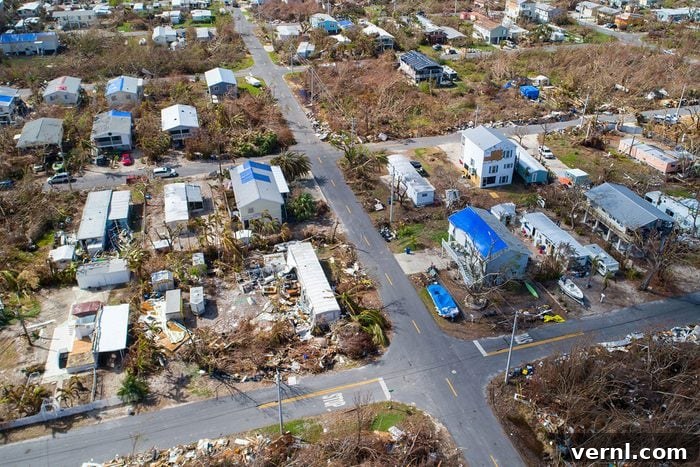
Anticipate prolonged power outages and consider the implications. On a basic level, your electric appliances will be unusable. More critically, essential equipment like sump pumps and medical devices will fail. My father, who attempted to defend his mountain home from a wildfire, discovered that his well pump stopped working once the utility company cut power, rendering his hose useless. Fortunately, he recognized this as a sign to evacuate. In Florida, nearly three-quarters of the state lost electricity, with outages lasting for days in many areas and weeks in the Keys. We returned home shortly after the storm but retreated to a hotel after a few days without showers, sewer, ice, or power. Those initial days prompted us to clear out the refrigerator before its contents spoiled. Preparing for extended power outages is crucial for ensuring your safety and comfort during the aftermath of a disaster.
Pro-tip: Today, we’d address many of these issues with a portable electric power station and solar panel. While these setups were less common in 2017, they are now indispensable for keeping electronics charged and running electric coolers. These portable power solutions provide a reliable source of electricity when the grid is down, allowing you to maintain essential functions.
Insurance and FEMA: Navigating the Complexities
You are likely underinsured. We discovered that we were. Unless you review your policy annually, it probably hasn’t kept pace with rising construction costs. Furthermore, insurance policies can be ambiguous when it comes to natural disasters. For example, we had a “hurricane rider” that did not cover water damage. Understanding the nuances of your insurance policy is crucial for ensuring adequate coverage in the event of a disaster.
Other essential insurance tasks after a disaster:
- Contact Your Agent Promptly: Be prepared for a potentially long wait due to the high volume of claims. It took weeks for an insurance adjuster and FEMA representative to visit our property.
- Be Persistent and Courteous: While remaining polite, be persistent in following up on your claim. Some of our neighbors eventually needed legal assistance.
- Understand Your Timeframe: Be aware of the policy’s rebuilding timeframe, which may be challenging given the scarcity of construction crews and architects.
- Document Damage Thoroughly: Take comprehensive photos of the damage before starting any cleanup. This documentation provides crucial evidence for your adjuster and FEMA.
- Utilize Community Programs: Take advantage of available community programs that assist in navigating aid and resources.
- Save Evacuation Receipts: Retain all receipts from your evacuation (food, fuel, lodging), as FEMA or your insurance may retroactively reimburse these expenses.
Zoning and Building Codes: Unintended Consequences
Updated building and zoning codes inadvertently created a hardship for the Keys community. These codes required heavily damaged trailers and manufactured homes to be replaced with stilt homes and other hurricane-resistant designs. While well-intentioned, these requirements were financially out of reach for many retirees and low-income residents. The result was emotionally and financially devastating for numerous homeowners and renters who were forced to leave the area, creating a void in the community. Carefully consider the social and economic implications of building codes in disaster-prone areas.
Cleanup Injuries: Prioritizing Safety
Pace yourself. The physical demands of clearing debris, repairing the house, and helping neighbors took a significant toll on our bodies. In our eagerness to restore normalcy, we exceeded our physical limits. My partner ultimately required a year of rehabilitation for shoulder and elbow injuries. Prioritize safety and avoid overexertion during the cleanup process. Seek assistance from others when needed.
Community PTSD: The Unseen Impact
Post-traumatic stress disorder within the community is often overlooked but is essential to understand. While communities often unite after natural disasters, they also experience collective long-term PTSD. Depression and suicide rates increase, accompanied by a pervasive sense of anxiety. In the Keys, we initially believed that everything would return to normal by the first anniversary of the storm. However, nearly a decade later, the community has not fully recovered emotionally. Be supportive of your neighbors and do not hesitate to seek help when needed. Addressing the mental health needs of the community is crucial for long-term recovery.
In the end, we were fortunate (although many of our neighbors were not). Our home sustained some damage but remained habitable. Even our two feral neighborhood chickens survived. Within weeks, new leaves sprouted on the bare trees, symbolizing hope. However, it took us a couple of years to fully restore our home and business. Overall, it was a profound learning experience, but one we hope never to repeat!