Sustainable Gardening: Cultivating a Greener Future
Discover how to create a thriving garden that benefits both your home and the environment. This comprehensive guide covers everything from the basics of sustainable gardening to practical tips and techniques.
The Growing Trend of Sustainable Gardening
Interest in gardening is booming, especially among younger generations like millennials and Gen Z. This renewed interest reflects a desire for more sustainable living practices. These generations are embracing gardening with a focus on environmental impact, often integrating vegetables, flowers, and native plants into their garden designs. This aligns perfectly with the growing trend of #sustainablegardening.
What is Sustainable Gardening?
Sustainable gardening, also known as regenerative or eco-gardening, is a gardening approach that prioritizes environmental health and biodiversity. It aims to grow plants in ways that minimize harm to the planet, enhance soil health, and promote a thriving backyard ecosystem.
Beyond simply avoiding synthetic fertilizers and pesticides, sustainable gardening encourages a long-term perspective. It’s about considering the impact of our gardening choices on future generations, ensuring they inherit fertile soil and clean water. This holistic approach focuses on working with nature, rather than forcing it to comply with our rules.
As Eva Monheim, author and co-creator of Verdant Earth Educators, explains, sustainable gardening “is a mind shift. It’s about understanding who and what resources you have in the community.”
Sustainable vs. Organic Gardening: What’s the Difference?
While often used interchangeably, sustainable and organic gardening are distinct concepts.
Organic gardening adheres to specific standards, often involving certifications (like those from the U.S. Department of Agriculture) for commercial crops. Sustainable and regenerative gardening, however, are broader terms that encompass a range of eco-conscious practices aimed at working in harmony with nature.
Organic gardening often employs sustainable practices, especially in home gardens, where gardeners commonly select organic seeds and seedlings.
The Environmental Benefits of Sustainable Gardening
Sustainable gardening offers numerous environmental advantages compared to conventional gardening methods. It’s a powerful way to reduce your environmental footprint.
- Protects Soil and Water: Avoids the introduction of harmful chemicals into the soil and water systems.
- Nutrient Preservation: Prevents the depletion of essential nutrients in the soil, ensuring long-term soil health.
- Boosts Soil Health: Increases the presence of beneficial microbes, leading to healthier soil.
- Conserves Water: Improves soil’s ability to retain moisture, reducing the need for excessive watering.
- Prevents Erosion: Minimizes soil erosion, preserving valuable topsoil.
- Supports Biodiversity: Encourages a diverse ecosystem, providing habitats for insects, birds, and other wildlife.
- Reduces Greenhouse Gases: Contributes to carbon sequestration, as healthy soil stores more carbon.
- Promotes Local Food Systems: Enables access to fresh, healthy produce with minimal transportation, reducing the carbon footprint associated with food miles. As Kim Roman, author and owner of Square Foot Gardening 4 U, puts it, “Our food is just steps away from our kitchen instead of traveling hundreds or thousands of miles away.”
Popular Types of Sustainable Gardening
Sustainable gardens can be cultivated in various ways, from in-ground plots to raised beds and containers. Here are some popular methods:
Square Foot Gardening
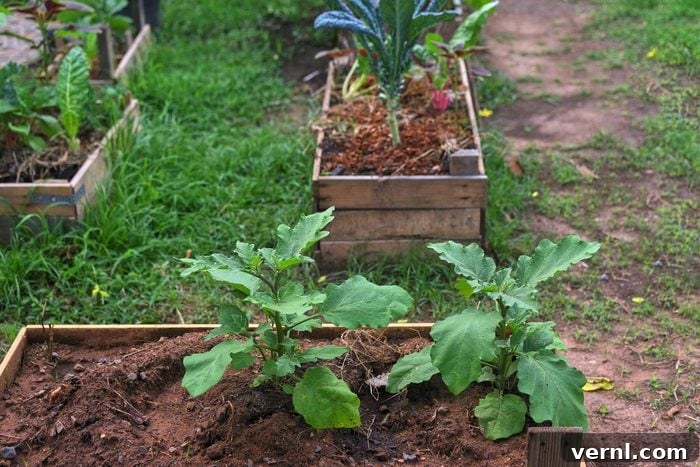
A highly efficient container gardening technique, square foot gardening maximizes yields in a limited space. It minimizes the need for fertilizers and weeding. According to Kim Roman, this is an excellent option if traditional in-ground gardens or permaculture seem overwhelming.
Sheet Mulching
Also known as lasagna gardening or the back-to-Eden method, sheet mulching is a no-till technique for creating garden beds directly on top of existing lawns or soil without any digging.
Instead of adding soil, sheet mulching involves layering compostable materials such as grass clippings, wood chips, cardboard, leaves, and newspaper. These layers decompose over time, enriching the soil and suppressing weeds. It’s often started in the fall for spring planting.
Permaculture
Permaculture represents the pinnacle of regenerative gardening. It is a more complex approach that mimics natural ecosystems.
A well-designed permaculture garden integrates plants, landscapes, climate factors, animals, and even buildings in a self-sustaining manner. “You begin by observing your land for a full year to judge the sun, water flow, microclimates and many other things before you start,” says Roman. “You learn how to work with nature instead of against it.”
Hügelkultur
Hügelkultur, or hill gardening, is well-suited for properties with fallen trees. It involves creating raised mounds by layering logs, branches, and soil.
This technique is best started in the fall and requires minimal supplemental watering once established.
Practical Sustainable Gardening Practices
Before starting your sustainable garden, research and learn about different techniques to choose what fits your situation best. Start small and experiment.
Here are some essential sustainable gardening practices to incorporate:
- Composting: Start a compost pile with kitchen scraps and yard waste to return nutrients to the soil and reduce waste. Consider using a countertop composter for convenience.
- Soil Testing and Amendment: Test your soil’s pH and nutrient levels, and amend it accordingly to increase beneficial microbes and improve water retention.
- Companion Planting: Plant companion plants and include native plants and perennial flowers, even in your vegetable garden. This can help naturally manage pests.
- Mulching: Spread mulch to conserve water, suppress weeds, prevent erosion, and regulate soil temperature.
- Avoid Tilling: Minimize tilling to protect the network of living organisms in the soil.
- Use Natural Fertilizers: Opt for non-synthetic fertilizers like compost, mushroom compost, leaf mold, neem oil, fish emulsion, and manure. Consider adding earth elements if needed.
- Avoid Chemical Pesticides and Herbicides: Use natural pest control methods to protect beneficial insects and wildlife.
- Collect Rainwater: Harvest rainwater to conserve water and reduce your reliance on municipal water sources.
- Cover Cropping: Plant an overwinter cover crop to add nutrients, improve soil structure, and prevent erosion.
Frequently Asked Questions (FAQ)
What are native plants and why are they important?
Native plants are species that naturally grow and evolve in a specific area without human intervention. They play a vital role in local ecosystems, providing food and habitats for wildlife.
How do I control pests sustainably?
Maintain clean garden areas, use natural barriers like nets, and eliminate weeds. Introduce beneficial insects like ladybugs, and consider homemade repellents using neem oil or garlic.
About the Experts
Eva Monheim is an author and co-creator of Verdant Earth Educators.