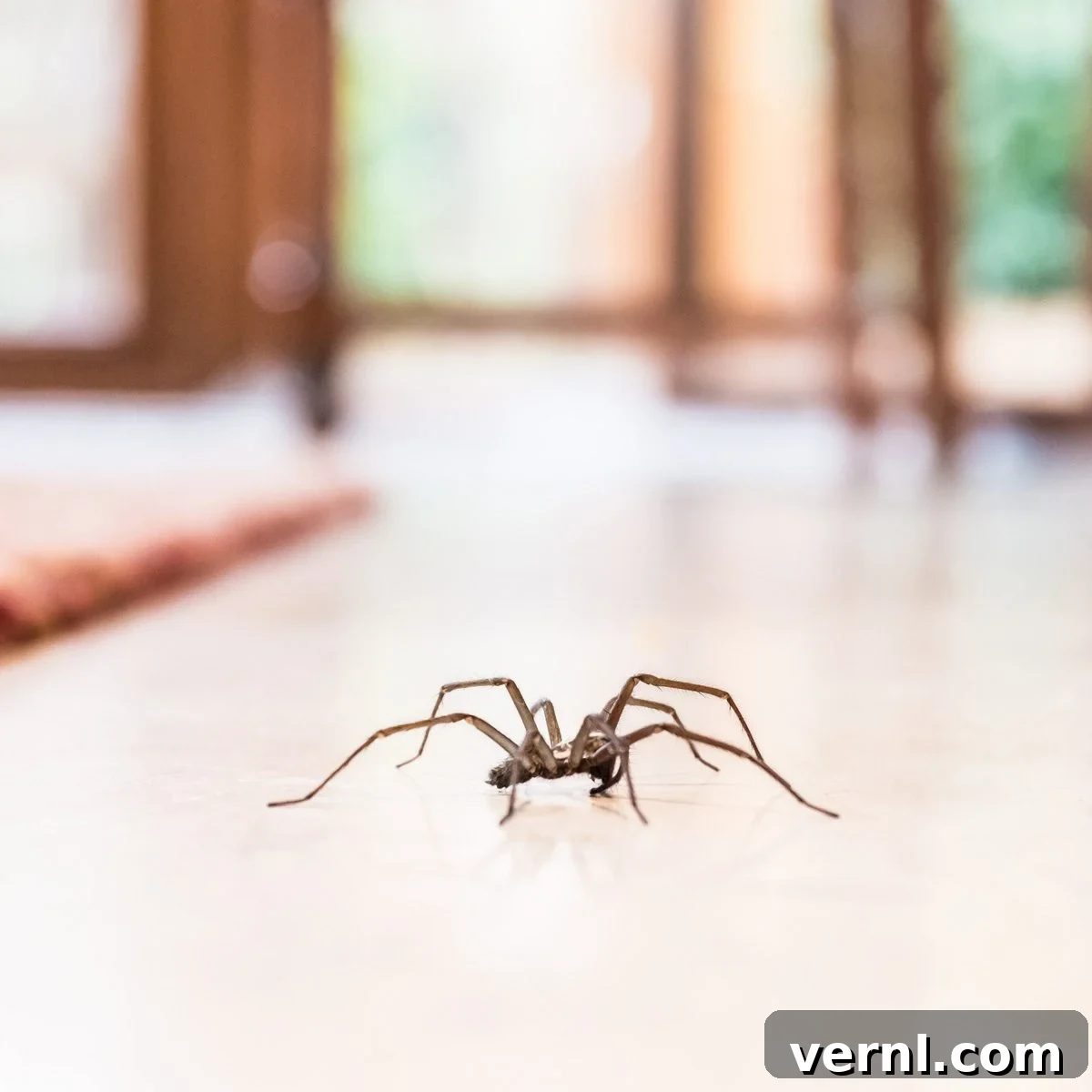
Why Spiders Are Your Home’s Unsung Heroes (And Why You Shouldn’t Kill Them)
Spiders often get a bad rap. Their long legs, creepy movements, and the general fear of being bitten often lead to an immediate urge to squash them. But before you reach for that shoe, consider this: the spiders in your home could actually be working for you, silently benefiting your living space.
While the thought of a spider bite is unsettling, the reality is that the vast majority of spiders found in our homes pose little threat. Only a small percentage of spider bites actually result in any significant reaction, and these typically don’t come from the common, harmless spiders you’re likely to encounter indoors.
So, why is it that we’re so quick to eliminate these arachnids? Perhaps it’s time to re-evaluate our approach and understand the valuable role spiders play in maintaining a healthy home environment.
The Undeniable Benefits of Having Spiders Around
Spiders are natural predators, and their primary diet consists of pesky insects that we often despise. They act as a crucial part of your home’s ecosystem, providing a form of natural pest control, and keeping the population of other, unwanted creepy crawlies down.
Many people mistakenly believe that spiders only consume flies. In fact, spiders have a much broader palate. They actively hunt and feed on a wide variety of insects, including those that can carry diseases or cause other issues in your home.
Consider the following:
- Cockroaches: These resilient pests are a common problem in many homes. Spiders readily prey on cockroaches, helping to control their numbers.
- Mosquitoes: Mosquitoes are not only annoying with their bites, but they also carry diseases. Spiders provide a natural defense against these pests, helping reduce their presence in your home.
- Earwigs: These small, yet bothersome insects can damage plants and infest homes. Spiders help keep earwig populations in check.
- Clothing Moths: These moths can wreak havoc on your wardrobe, eating away at your clothes. Spiders will gladly add clothing moths to their menu.
The more spiders you have around, the fewer of these unwanted pests you’ll likely encounter. The presence of spiders can contribute to a much more pleasant living environment.
Common household spider species include:
- Cellar Spiders (Daddy Longlegs): Known for their long legs, these spiders are effective predators.
- Cobweb Spiders: These spiders create webs in corners and other out-of-the-way places, trapping insects.
- Brown Recluses: These spiders are more dangerous, but can still play a role in pest control.
These spiders often build their webs in areas where their food source is readily available. So, if you see a spider happily perched on its web, it’s a good sign that it’s diligently working to eliminate those bugs you don’t want. They’re basically setting up camp where the buffet is, working diligently to get rid of bugs for you.
How to Deal with Spiders (Without Violence)
We’ve all been there – spotting a spider and the immediate instinct to eradicate it. But, before you resort to squashing, consider a more humane approach. Think of it as a conscious decision that benefits you in the long run.
While there are many ways to kill a spider – crushing them with a shoe, vacuuming them up, or letting a cat handle the situation – it’s worth considering an alternative.
If the thought of spiders roaming free in your home is truly unbearable, there are ways to remove them without causing harm. For instance, you could:
- Capture and Release: Gently capture the spider with a jar or container and release it outside. They will find a new home in your yard, and continue their valuable pest-control work.
Spiders are a part of a complex ecosystem, and a deeper understanding of them can help you see them in a new light. Consider learning more about spider habits, facts, and how they play a role in your garden. Spider facts can help you gain a new appreciation for these creatures.
Ultimately, it’s about making a choice that benefits both your home and the environment. By adopting a more tolerant attitude towards spiders, you can enjoy a natural and effective pest control solution.
Beyond Spiders: Other Helpful Home Inhabitants
Spiders aren’t the only creatures that can contribute to a healthy home environment. Other beneficial insects can also play a vital role in keeping your home pest-free.
Have you ever encountered those fast-moving, multi-legged creatures known as house centipedes? They might look a bit intimidating, but they are another valuable asset in your home’s pest control arsenal.
They also consume many types of household pests, making them a welcome addition in your home. Like spiders, house centipedes are nature’s pest control, keeping populations of annoying insects down.
By understanding the roles that these insects play, you can cultivate a more balanced and pest-free home.