
Simplify Your Life: The Smart Way to Organize Keys with Color-Coding
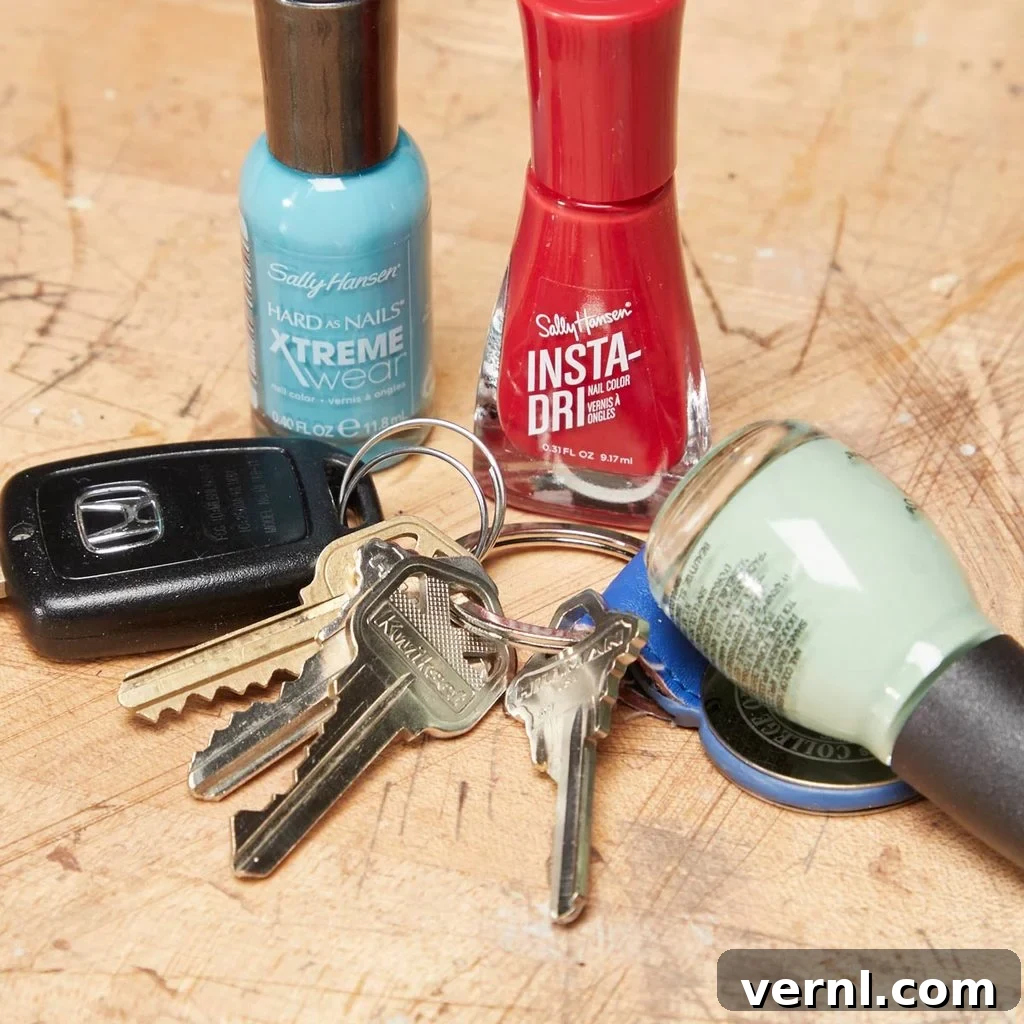
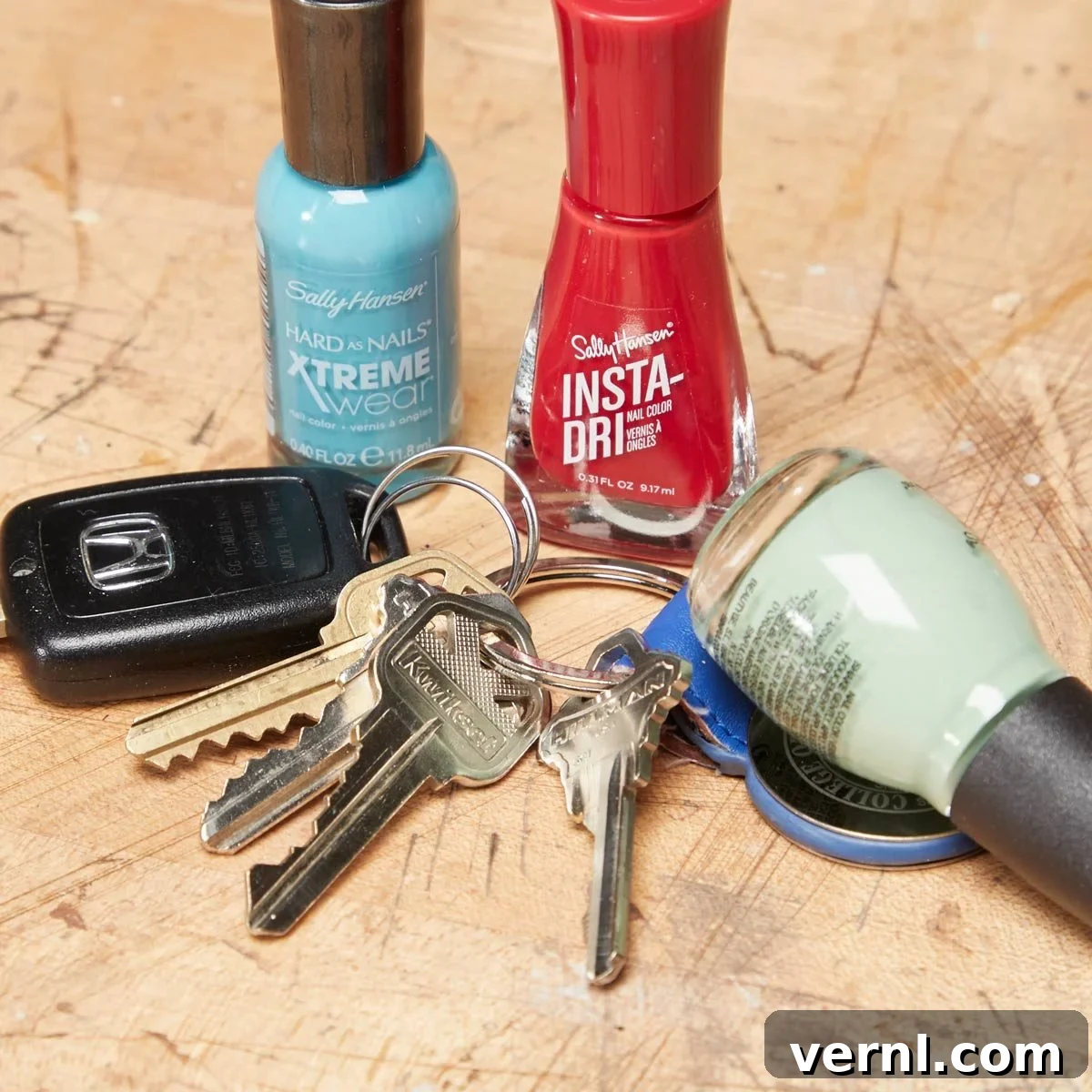
Ever feel like you’re carrying around a whole orchestra of keys? Between the house, car, mailbox, and maybe even a shed or garage, it’s easy for your keyring to become a chaotic mess. Finding the right key in a hurry can feel like an impossible task. But there’s a simple, affordable, and surprisingly effective solution: color-coding your keys.
The Power of Color-Coded Keys
Color-coding is a straightforward organizational strategy. By assigning a different color to each key, you can instantly recognize the one you need, saving you precious time and frustration. Imagine, no more squinting at identical-looking keys, desperately trying to remember which one unlocks the front door!
The beauty of color-coding lies in its simplicity. This method is far superior to relying on the subtle differences in key shapes or the mental gymnastics of trying to remember which key is which.
Nail Polish: The Perfect Key Color-Coding Solution
While there are various methods to color-code your keys, nail polish stands out as a top choice. Here’s why:
- Durability: Nail polish is designed to withstand everyday wear and tear, meaning your color-coding will last.
- Cost-Effective: A bottle of nail polish is an inexpensive investment.
- Easy Application: Applying nail polish to your keys is a quick and straightforward process.
- Variety of Colors: With countless colors available, you can easily create a unique color scheme for your keys.
How to Color-Code Your Keys with Nail Polish
Ready to organize your keys? Here’s a simple guide:
- Gather Your Supplies: You’ll need nail polish in various colors, nail polish remover (just in case!), and possibly a toothpick or small brush for precision.
- Clean Your Keys: Ensure the key heads are clean and dry for optimal polish adhesion.
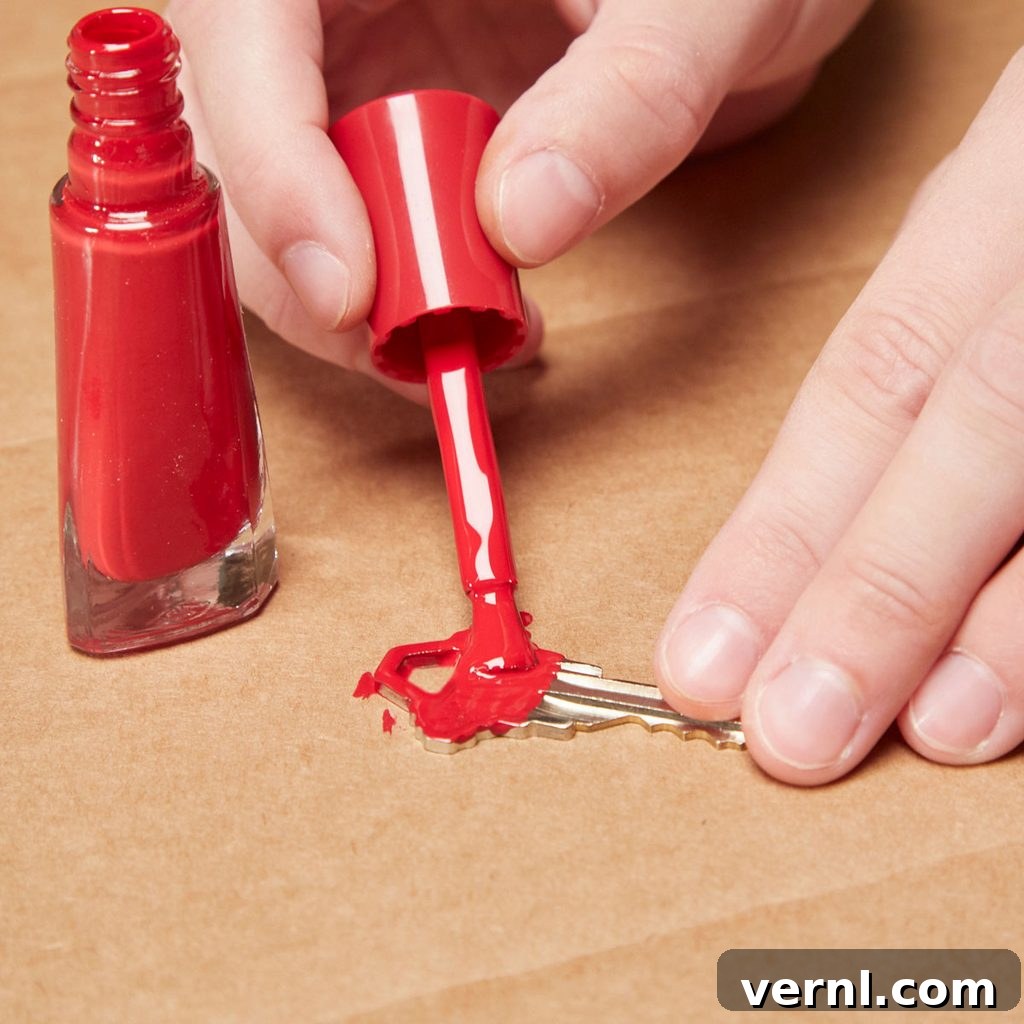
- Apply the Polish: Apply a generous coat of nail polish to both sides of the key head. You might consider applying multiple thin coats for added durability, allowing each coat to dry before applying the next.
- Let it Dry: Allow the nail polish to dry completely. This can take anywhere from 15 minutes to an hour, depending on the polish.
- Identify Your Keys: Once dry, label each key’s corresponding color for quick future reference.
Beyond Modern Living: Features of Old Homes
While modern innovations enhance our lives, looking back at historical home features offers a fascinating glimpse into the past. Many of these features, once essential, have faded into obsolescence, replaced by more contemporary technologies.
Brass Cylinder with Handle (Standing Drain)
In older homes, a brass cylinder with a handle, often found near tubs, served as a “standing drain.” This device, acting as a valve, regulated water flow, either opening or closing drainage paths. Constructed from durable, corrosion-resistant brass, it provided reliable plumbing functionality.
Anchor Plates
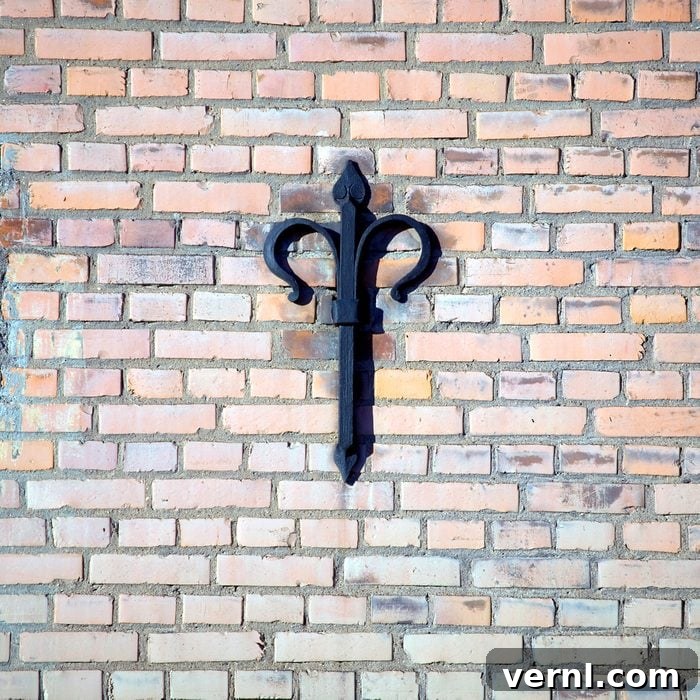
Often seen on the exteriors of old brick homes, anchor plates (also known as wall anchors) are typically shaped like “S,” “X,” or stars. They helped prevent walls from bowing outward and collapsing. They are often used in older brick buildings.
Ice Door
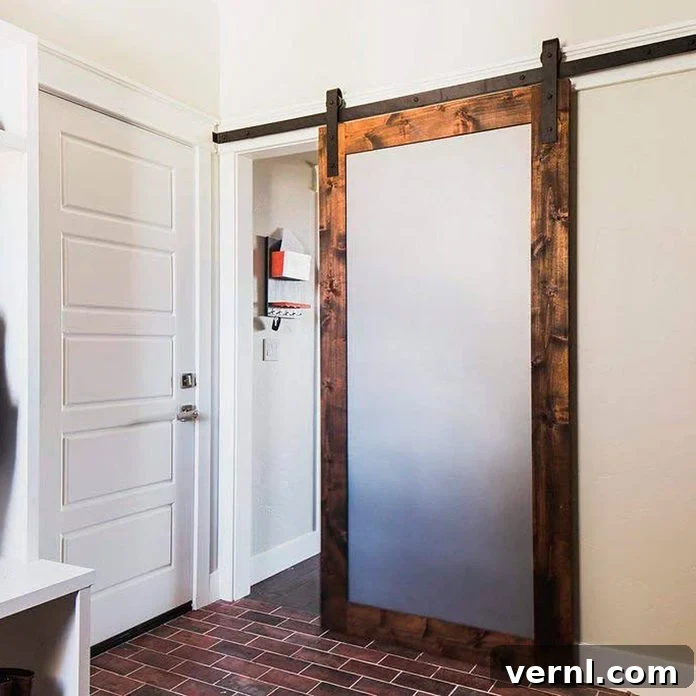
Homes once had a dedicated area in the pantry or kitchen for an icebox. An access door on the exterior facilitated the delivery of fresh ice without the delivery person entering the home.
Phone Niche
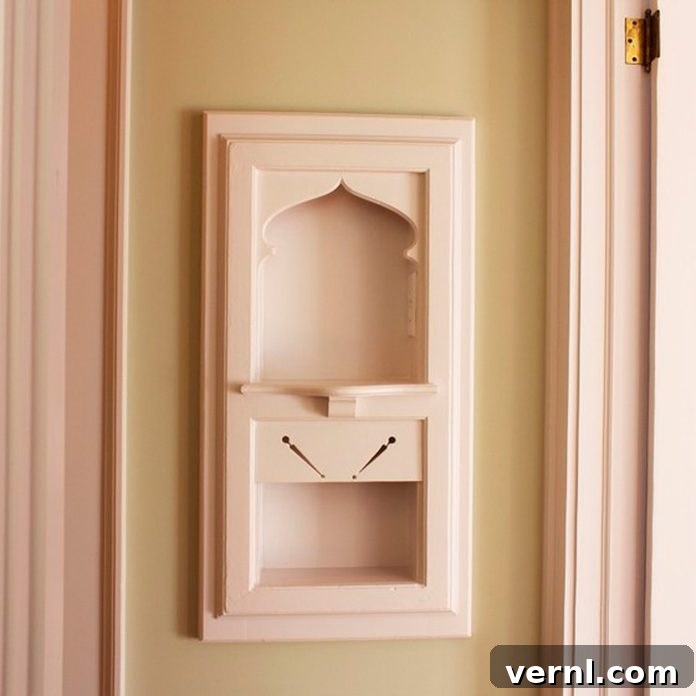
Landline phones used to be bulky, requiring dedicated space. Niches were built into walls for this purpose. Nowadays, these niches often serve as storage spots or display areas.
Tiny Iron Door Leading to the Basement (Coal Chute)
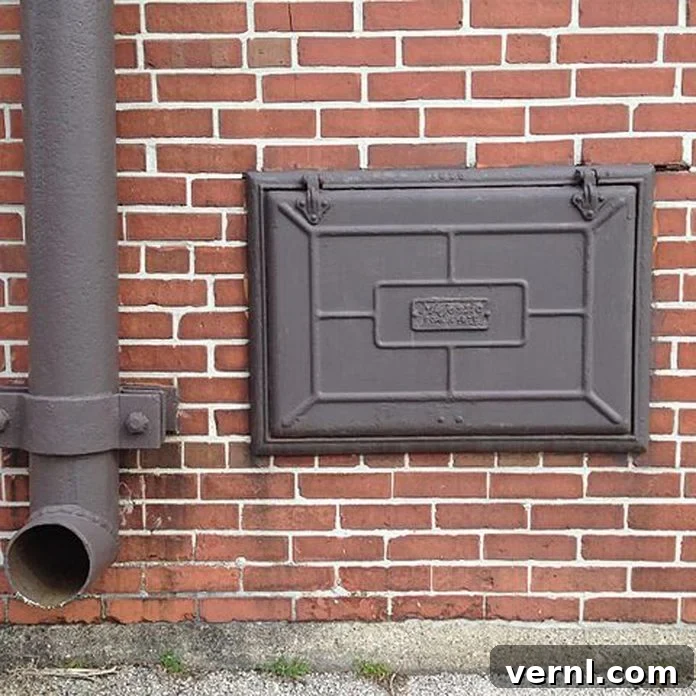
Before natural gas, coal was a primary heating fuel. Coal delivery men would deliver the fuel through small iron doors and down a chute to the basement, where homeowners shoveled it into the furnace.
Laundry Chutes
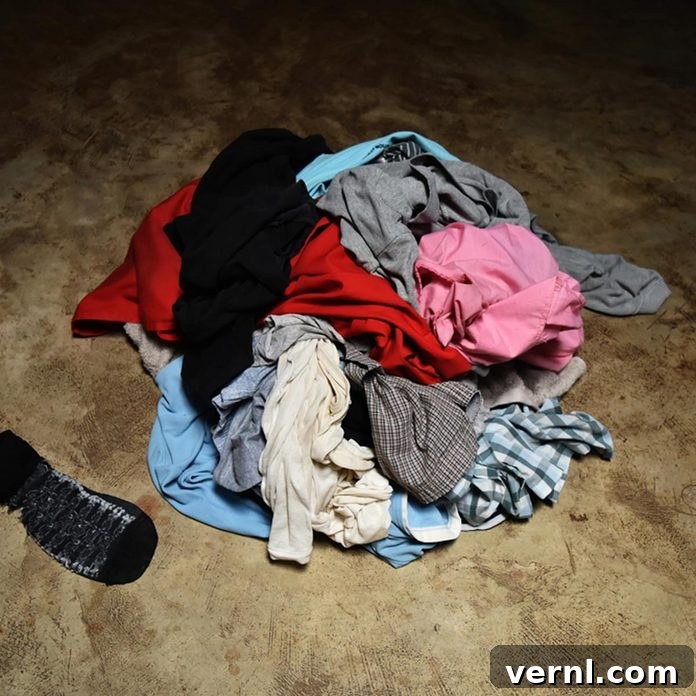
Laundry chutes, once a common feature, are experiencing a resurgence in popularity. They offer convenience by eliminating the need to carry laundry up and down stairs.
Landline Phone Jacks
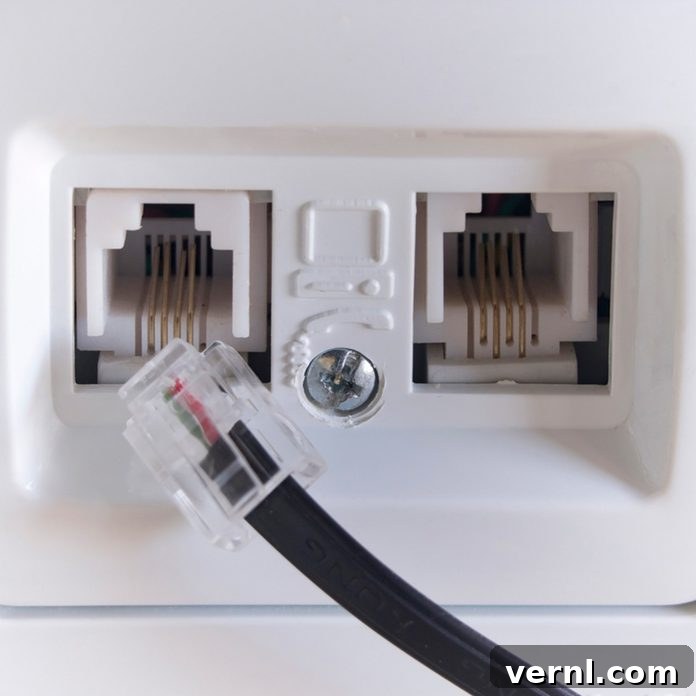
With the rise of cell phones, unused landline phone jacks are increasingly common in older homes. Once a necessity, they’re now a relic of a different era.
Random Toilet in the Basement (Pittsburgh Potty)
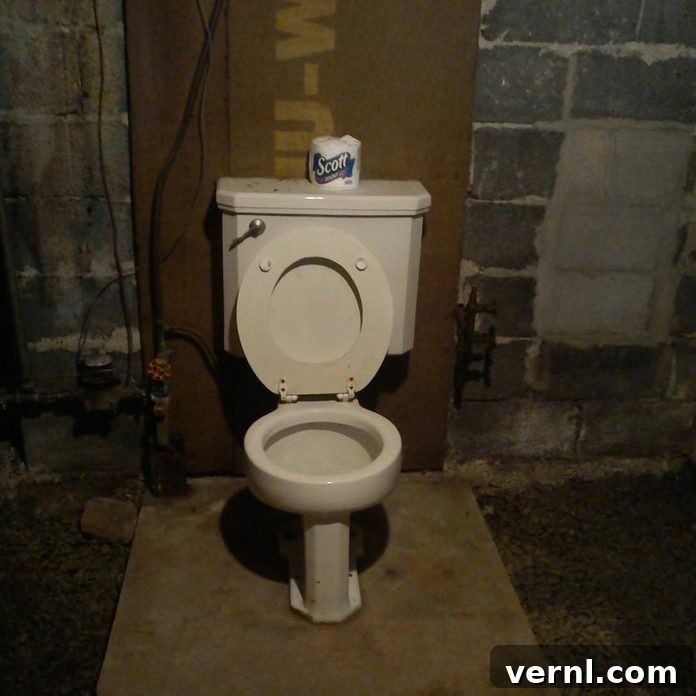
Common in pre-World War II homes, a lone toilet in the basement, often called a “Pittsburgh potty,” provided a convenient place for steelworkers and miners to clean up before entering the main house.
Knob and Tube Wiring
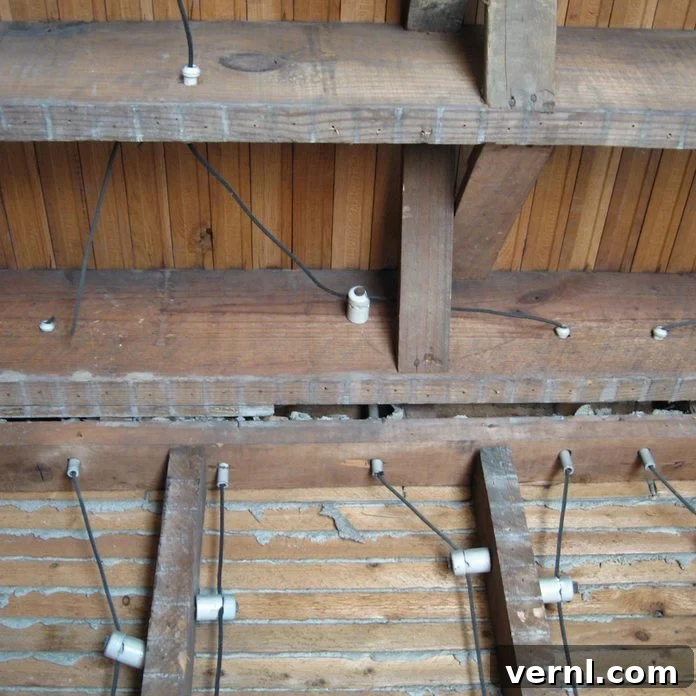
From around 1880 to the 1930s, knob and tube wiring was a standardized method of electrical wiring. It consisted of insulated copper conductors run within wall or ceiling cavities, passing through holes with porcelain insulating tubes and porcelain knob insulators.
Bed in the Ceiling (Sorlien Ceiling Bed)
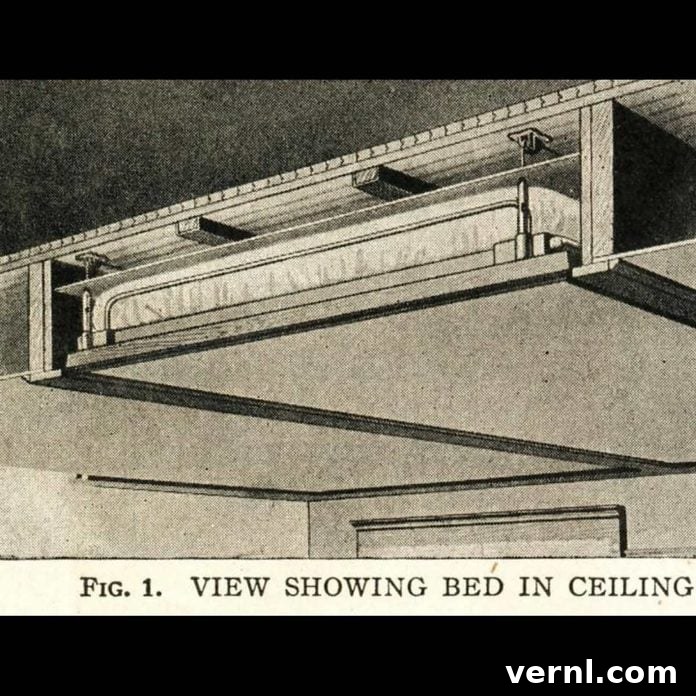
The Sorlien ceiling bed, a competitor to the Murphy bed, was stowed in the ceiling, lowered via a crank, and designed to save floor space.
Push-Button Light Switch
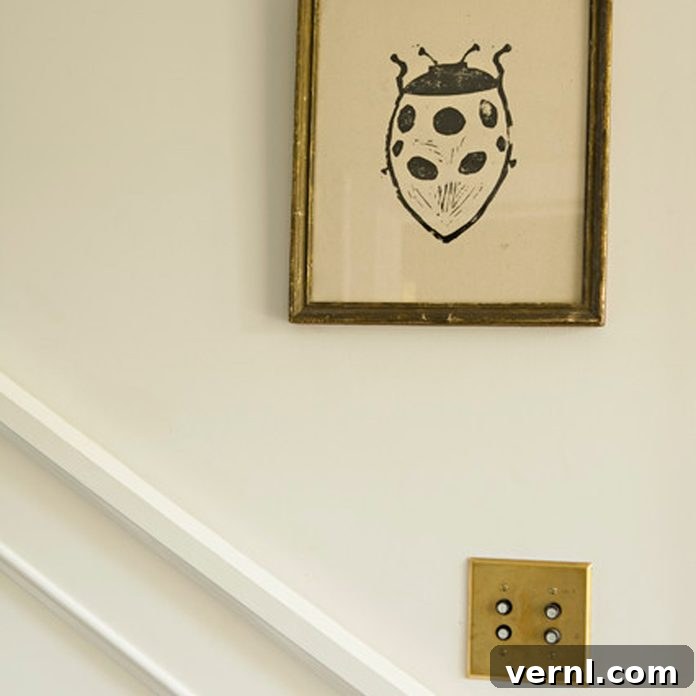
Push-button light switches, which emerged in the mid-19th century, eventually gave way to toggle switches due to issues such as buttons getting stuck.
Hoosier Cabinet
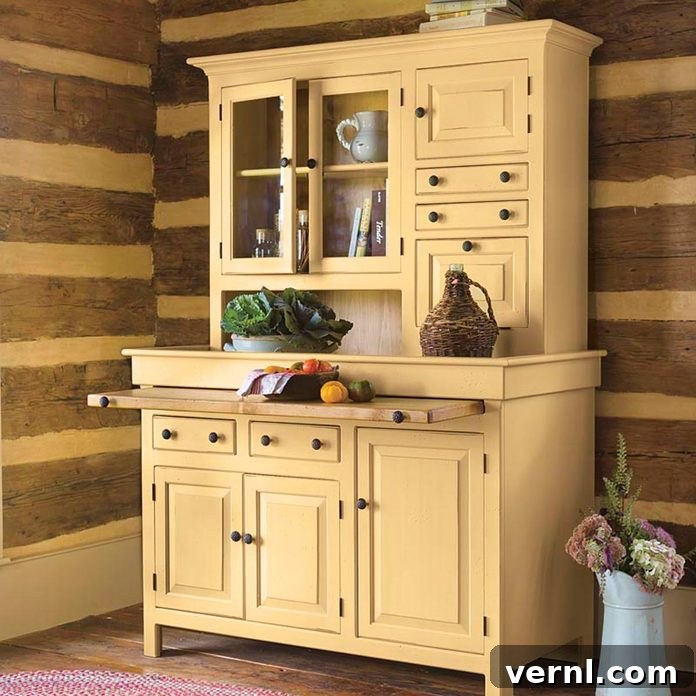
A Hoosier cabinet is a free-standing kitchen cabinet that serves as a workstation. These cabinets declined in popularity with the rise of built-in cabinetry and countertops.
Boot Scraper
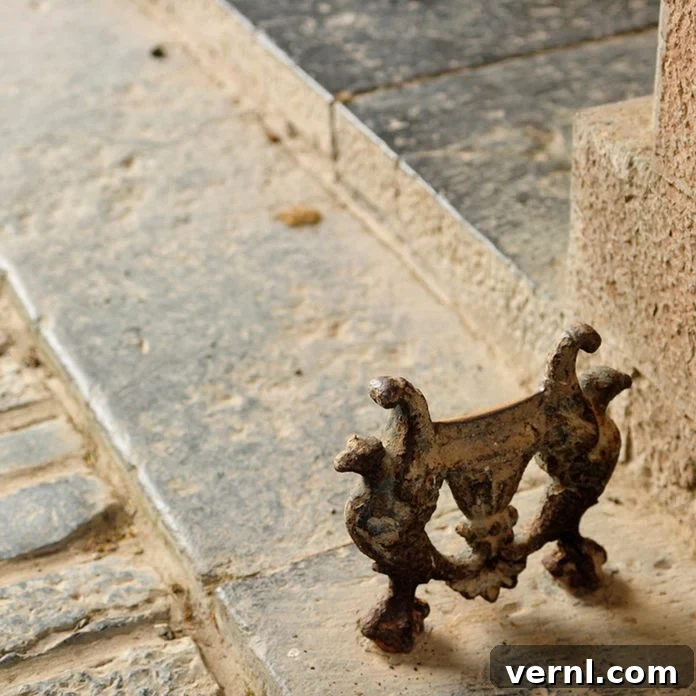
Boot scrapers, or “decrottoir” in French, were installed near front doors to remove mud and excrement from boots. Modern sanitation reduced the need for this feature.
Root Cellar
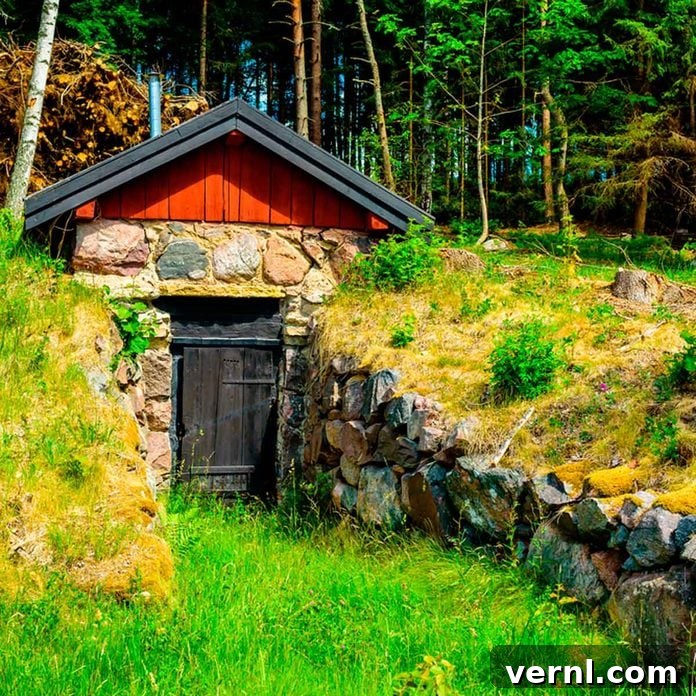
Root cellars were used to store vegetables, fruits, and nuts for extended periods. Modern refrigeration has made them largely unnecessary.
Razor Slit in Medicine Cabinet
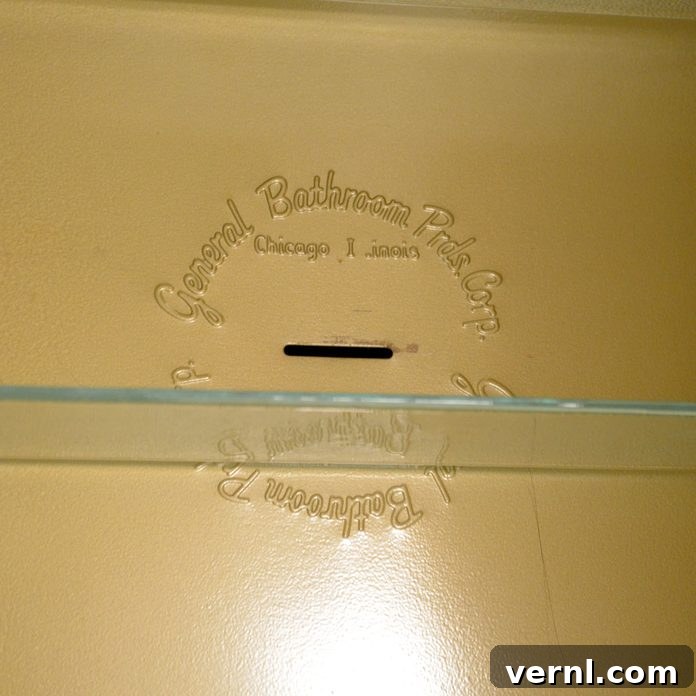
Medicine cabinets once featured a slit to dispose of old razor blades. The blades were simply dropped into the wall cavity.
Dumbwaiter
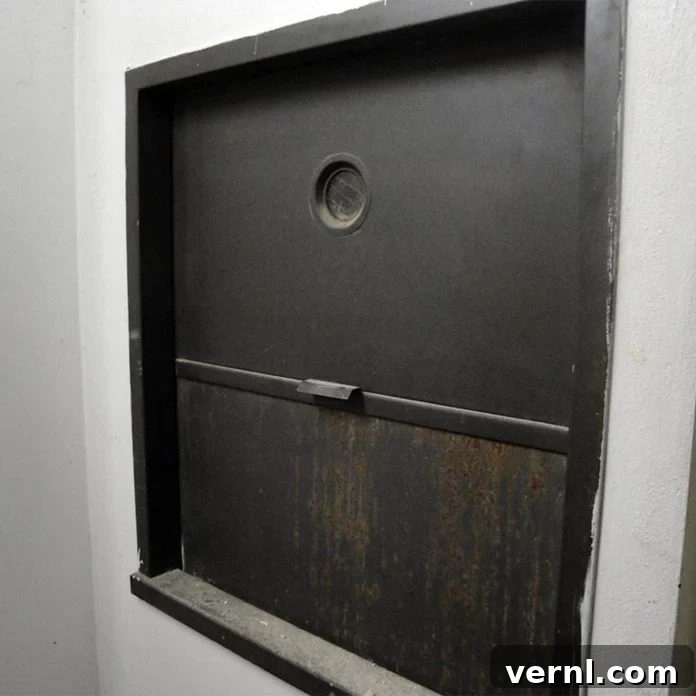
Dumbwaiters were used to move dishes and food between different levels of a house.
Servant Staircase
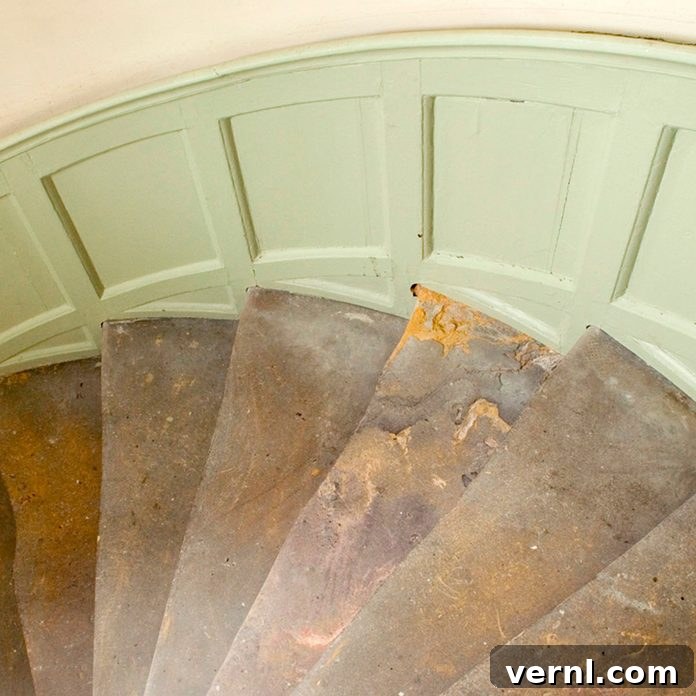
Older mansions often had separate staircases for servants, and potentially slaves, to keep them out of sight.
Servant Floor Button
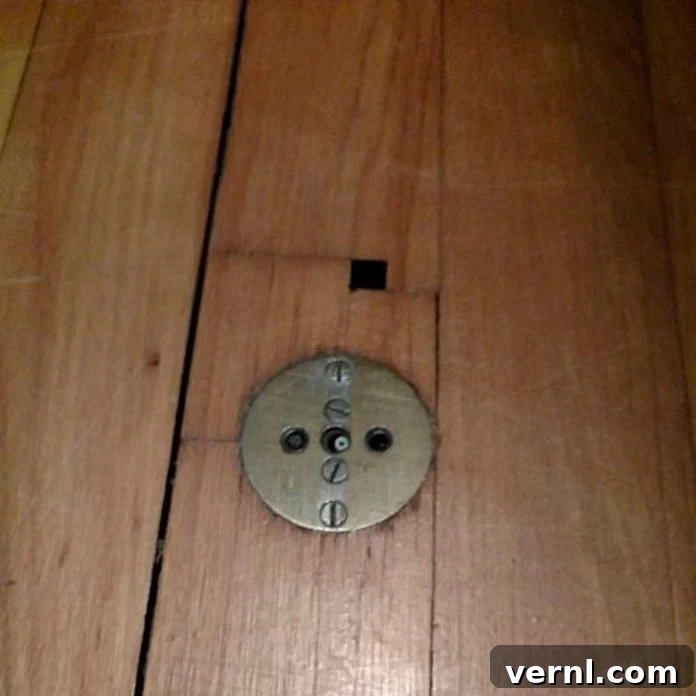
A servant floor button, or butler’s call, was used in dining rooms to summon the butler.
Milk Door
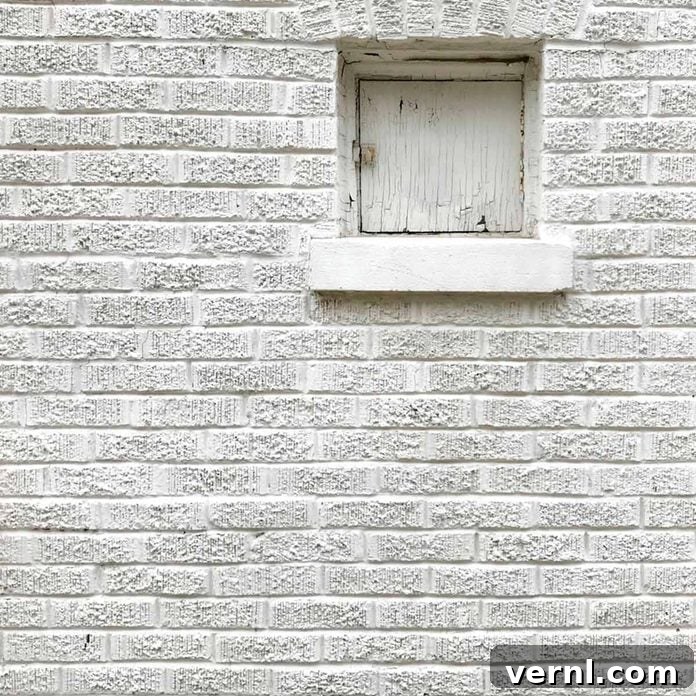
Milk doors were common for milk delivery, allowing the milkman to leave fresh milk and collect empty bottles.
Transom Windows
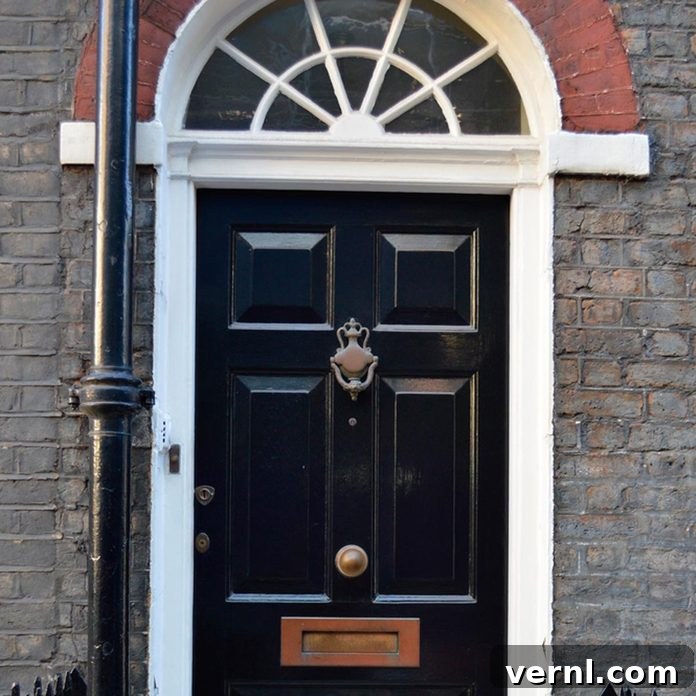
Transom windows, or panels of glass above doors, let in natural light before electricity became widespread.
Picture Hanging Molding
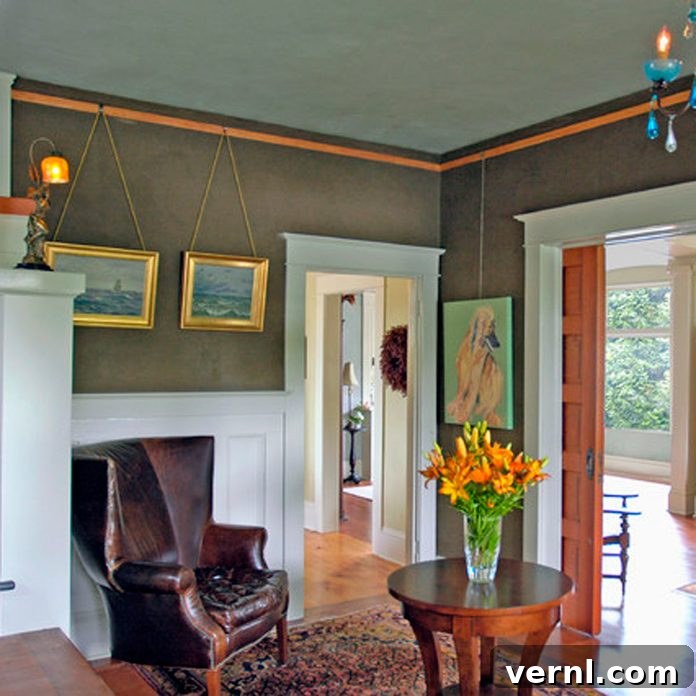
Picture rails provided a way to hang pictures without damaging walls, but they became outdated in the mid-20th century.
These features reflect evolving lifestyles, technological advancements, and changing social norms. While some have faded from relevance, their presence in older homes offers a fascinating glimpse into the past.
Conclusion
From the practical convenience of color-coded keys to the historical charm of old home features, organization and appreciation for the past can significantly enhance your daily living experience. By taking a simple step like color-coding your keys, you can bring order and efficiency to your routine.