
Why You MUST Label Your Electrical Panel (And How to Do It)
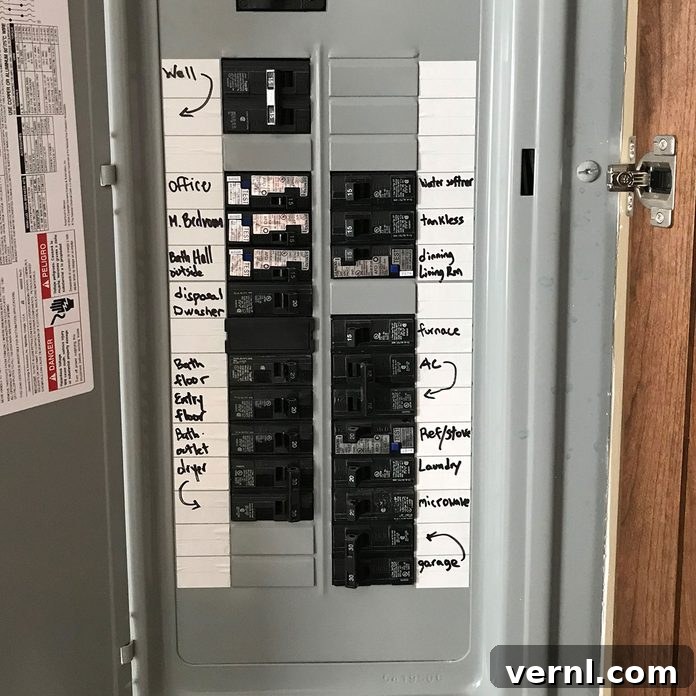
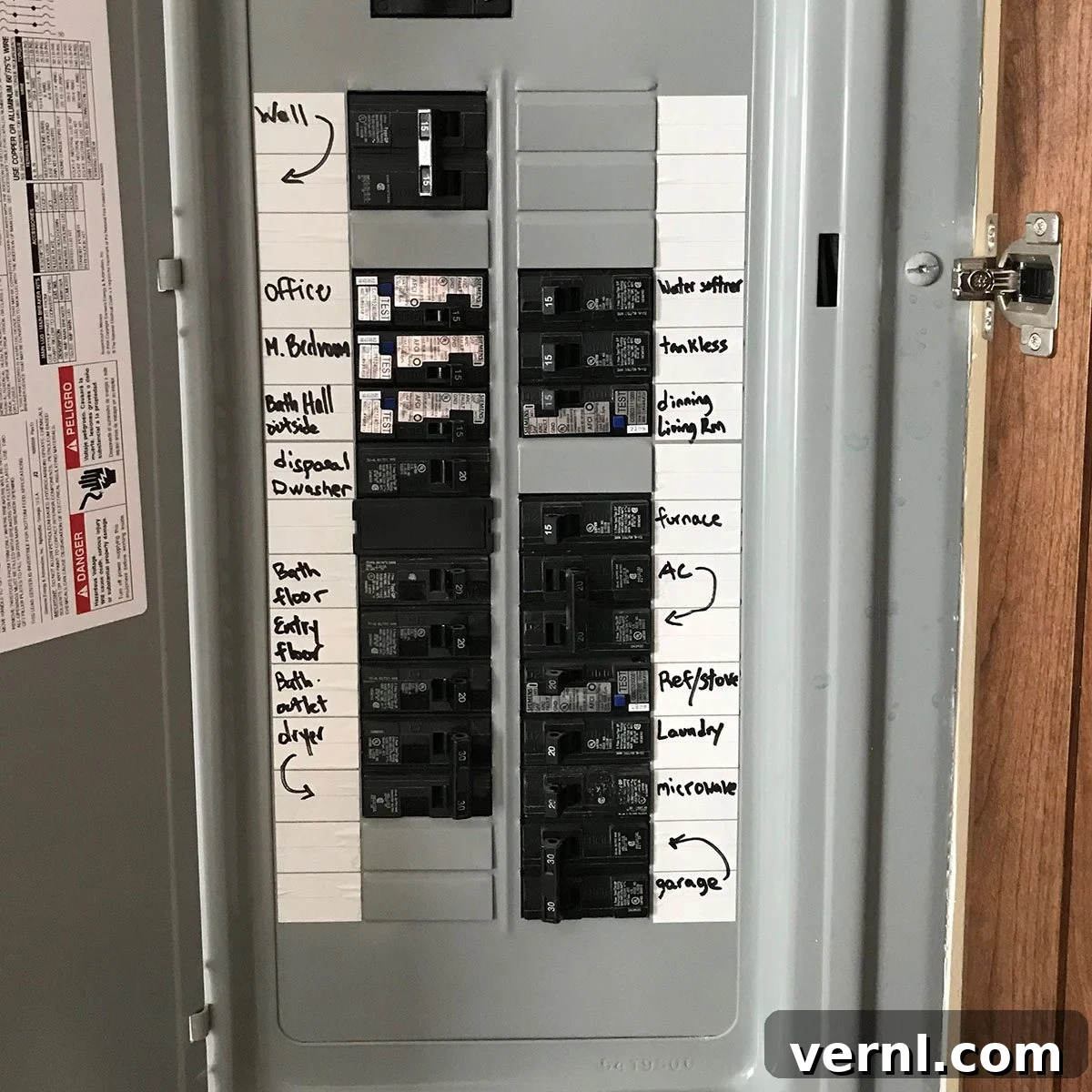
Electrical panels, also known as breaker boxes, can often be a source of confusion. Especially in older homes, the labels on these panels can be cryptic or even missing altogether. This lack of clarity isn’t just an inconvenience; it can pose significant safety risks. If your electrical panel is unlabeled or poorly labeled, it’s time to address the issue.
As Docia Boylen, owner of Handyman Connection of Golden, explains, proper labeling is crucial for safety. In an emergency, knowing which breaker controls which circuits is essential for quickly cutting off power to specific areas of your home. This knowledge can potentially prevent electrical fires or other dangerous situations.
Beyond safety, clear labeling is also vital for various home projects. Whether you’re installing a new appliance and need to safely disconnect power or troubleshooting electrical issues, well-labeled panels save time and minimize frustration. Furthermore, properly labeled panels ensure that anyone working on your electrical system, including electricians, can quickly understand the layout and avoid potential hazards.
But is it a legal requirement? Absolutely.
Is It a Legal Requirement to Label Circuit Breakers?
Yes. Labeling your electrical panel isn’t just a good practice; it’s a requirement of the electrical code. A complete and accurate directory of circuits within your electrical panel is essential for safe operation, especially during emergencies. The code mandates that every circuit and any modifications to a circuit must be clearly and legibly identified with its specific purpose.
This identification must be included in a directory located on the face or inside of the panel door. The circuit directory needs to be durable enough to withstand its environment.
Each label must contain enough detail to distinguish it from other circuits. Even spare or unused circuit breakers must be identified. Avoid using overly personal labels like “Mary’s Bedroom” that may not make sense to future homeowners.
Always consult your local electrical inspector for specific code requirements in your area, as they can vary.
Frequently Asked Questions About Labeling Your Electrical Panel
How Do I Relabel My Electrical Panel If I’m Unsure Which Breakers Control Which Circuits?
If your panel isn’t currently labeled, or if the labels are inaccurate, you’ll need to systematically identify each circuit. This process involves a bit of detective work and patience.
Here’s a step-by-step approach:
- Create a Diagram: Begin by making a simple diagram of your home, noting the location of outlets, lights, and appliances in each room.
- Work Room by Room: Start in one room and systematically flip each breaker off, one at a time.
- Test and Observe: Have a helper observe what stops working in each room as you turn off each breaker. This includes lights, outlets, and any hard-wired appliances. A small plug-in device like a nightlight can be helpful for testing outlets, says Boylen.
- Utilize Testers: Consider using an outlet plug tester, which are relatively inexpensive (around $10).
- Address Double-Pole Circuits: For 220V circuits like those for your range or water heater, you’ll likely need a multimeter (around $25) to identify the correct breaker.
- Document Thoroughly: As you determine which breaker controls which circuit, write detailed labels for each breaker. Note the specific room, outlets, and any fixtures or appliances it controls.
- Don’t Forget Hidden Areas: Be thorough! Many circuits may control multiple rooms or specific outlets within a single space. Don’t forget to test hidden outlets, outdoor connections, and large appliances, as Daniel Vasilevski, director of Bright Force Electrical, advises.
- Unused Breakers: If you find a breaker that doesn’t seem to control anything, leave it off for now. These could be connected to disconnected circuits or equipment.
Once you’ve tested and documented every breaker, create permanent, clear labels for your panel. Use a permanent marker or label maker to ensure the descriptions are easy to read and long-lasting.
Should I Use Codes or Shorthand When Labeling My Circuit Breakers?
While shorthand can save space, consider the potential for confusion. Todd Tripp, a home improvement expert with JustAnswer, recommends against using codes or shorthand, as they may not be easily understood by everyone, especially electricians or home inspectors.
Instead, use clear and descriptive labels such as:
- Kitchen
- Master Bathroom
- Kitchen Range
- Upstairs Dryer
- Water Heater
- Great Room Outlets
- Exterior Outlets
However, if you must use shorthand to save space, make sure any abbreviations are understandable, says Boylen. If you do use shorthand, make sure the codes are understandable. Create a legend that lists the abbreviations you use.
Some common abbreviations to consider include:
- BR = Bedroom
- LR = Living Room
- GFI = GFCI Outlet
- DW = Dishwasher
- WD = Washer and Dryer
Color-coding your labels can also be a helpful shortcut, highlighting critical areas with specific colors.
Expert Insights
This information was compiled with input from electrical experts:
- John Williamson, the Chief Electrical Inspector for the Minnesota Department of Labor and Industry, with 40 years of experience in the electrical industry.
- Docia Boylen, the owner of Handyman Connection of Golden, Colorado.
- Todd Tripp, a general contractor and home improvement expert with JustAnswer.
- Daniel Vasilevski, director and owner of Bright Force Electrical.