The persistent challenge of managing unwanted standing water has captivated engineers for millennia, a problem historians suggest even figures like Archimedes grappled with. For contemporary homeowners, a pivotal technological advancement arrived in the late 1940s: the development of the sump pump. This ingenious device emerged as a crucial solution, transforming how we safeguard our homes and properties from water damage.
Sump pumps effectively address the common and often costly issue of standing water, a significant concern for many homeowners, particularly those with basements or crawl spaces built into areas with a high water table or inadequate drainage. A flooded basement is more than just an inconvenience; it can lead to extensive and expensive water damage, compromise structural integrity, and pose serious health hazards due to mold growth and potential electrical issues.
Beyond the foundation of your home, sump pumps also play a vital role in outdoor drainage. They are instrumental in clearing standing water from low-lying areas in yards, which can otherwise render these spaces unusable, create slippery conditions, and provide ideal breeding grounds for mosquitoes and other pests. Understanding the mechanics and benefits of this essential device is key to protecting your home investment.
So, what exactly defines a sump pump, and how can you determine if one is a necessary addition to your home’s defense against water? Let’s delve into the specifics.
What Is a Sump Pump and How Does It Protect Your Home?
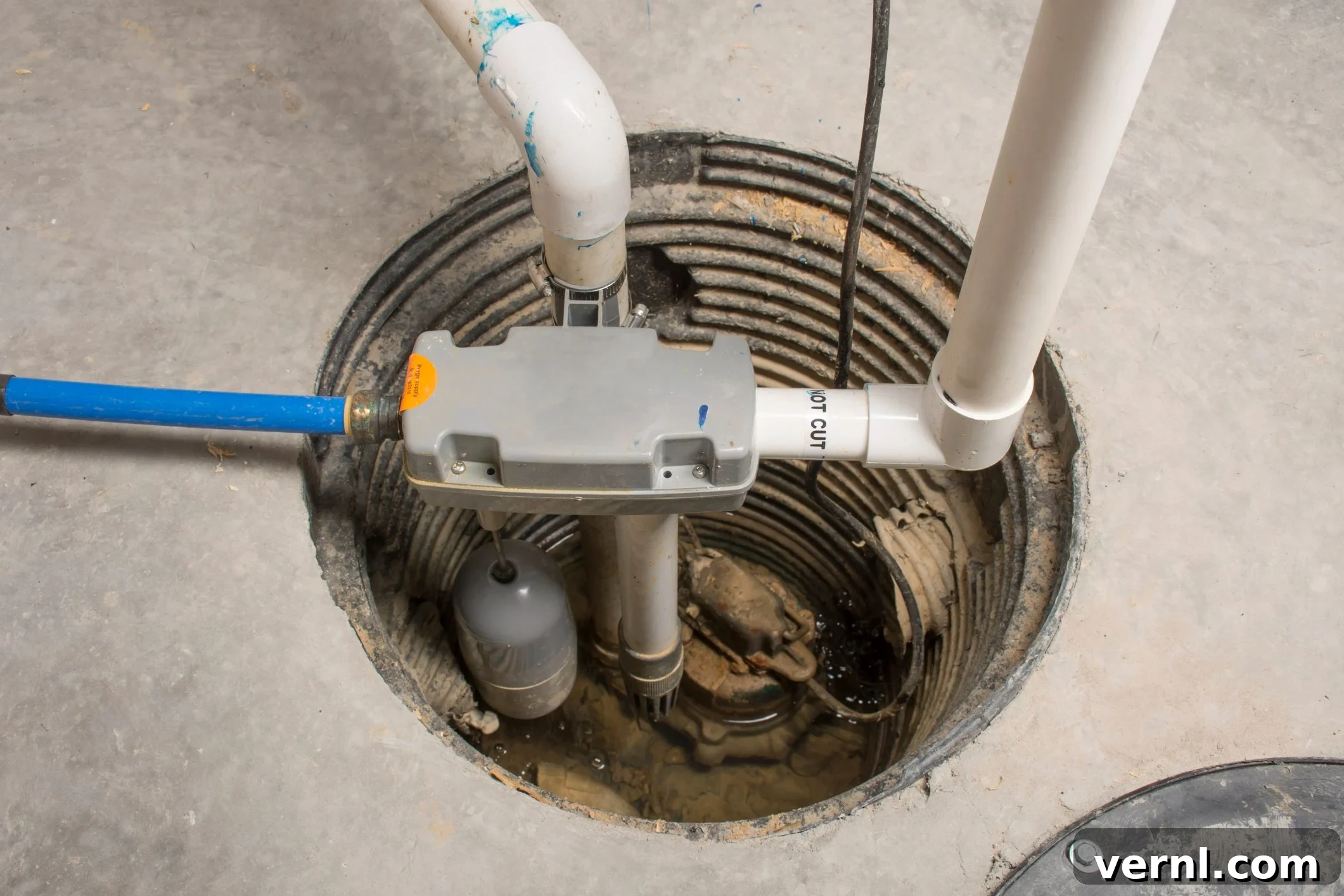
At its core, the term “sump” refers to a pit or a low point where liquids naturally collect. Consequently, a sump pump is a mechanical device specifically designed to transfer water from such a low-lying area to a location where it can safely drain away, typically outside your home and away from the foundation. These pumps are most commonly found in a home’s basement or crawl space, positioned within a dedicated sump pit. When used outdoors to clear standing water from a yard, it might be referred to as a transfer pump, but its fundamental function and operational principles are essentially the same as a sump pump.
Sump pumps primarily come in two distinct configurations, each with its own advantages and suitable applications:
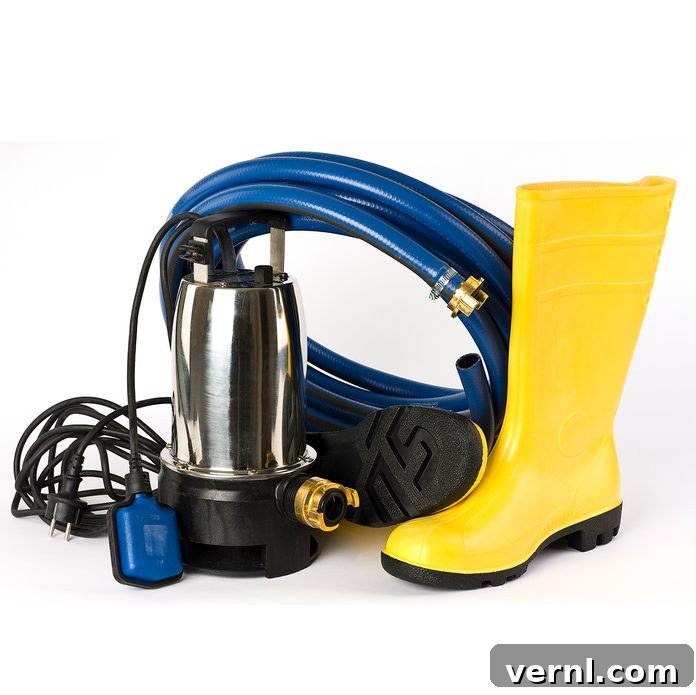
- Submersible Pumps: As the name suggests, a submersible pump is designed to operate while fully immersed in water within the sump pit. Its motor and electrical components are sealed within a waterproof housing, allowing it to reside discreetly at the bottom of the pit. This design makes submersible pumps notably quieter during operation, a significant benefit for homeowners as the noise is muffled by the surrounding water and the pit cover. However, due to constant exposure to water, their internal components may experience wear and tear at a slightly faster rate, potentially leading to a shorter overall lifespan compared to their above-ground counterparts.
- Pedestal Pumps: In contrast, a pedestal pump features its motor mounted on a pedestal above the sump pit, with only the water inlet filter submerged into the water. This design keeps the motor out of the water, which can contribute to a longer operational life. However, because the motor is exposed and not submerged, pedestal pumps are generally louder than submersible models, a factor that can be a major consideration for homeowners, especially if the pump is located in a finished basement or a frequently used area. According to seasoned plumber Danny Pen, “Pedestal pumps can last longer, but nobody installs them anymore because they’re loud and exposed.” This expert insight highlights the common trade-off homeowners face between longevity and operational comfort.
Ultimately, the choice between a submersible and a pedestal pump often depends on several factors, including the severity and frequency of the water problem, the available space in the sump pit, budget considerations, and the homeowner’s preference regarding noise levels and expected lifespan. Each type serves the same critical purpose: to effectively manage and remove unwanted water, protecting your property from potential damage.
Why You Might Need a Sump Pump: Safeguarding Your Home Investment
The primary and most compelling reason for installing a sump pump is to ensure the basement or crawl space remains dry and free from moisture intrusion. This foundational benefit extends into a multitude of related advantages that contribute significantly to the health, safety, and value of your home:
- Preventing Structural Damage: Water is a relentless force. Persistent moisture and standing water in a basement or crawl space can exert immense hydrostatic pressure on the foundation walls and floor. Over time, this pressure can lead to cracks in the foundation, bowing of basement walls, and even compromise the structural integrity of your entire home. A sump pump alleviates this pressure by keeping the water table below your foundation, thereby protecting the very structure of your property.
- Controlling Mold and Mildew: Damp, dark environments are ideal breeding grounds for mold and mildew. Beyond their unsightly appearance and musty odor, certain types of mold can pose serious health risks, triggering allergies, asthma attacks, and other respiratory issues for occupants. A dry basement, maintained by a reliable sump pump, effectively prevents the conditions necessary for mold and mildew to thrive, fostering a healthier indoor environment.
- Preventing Electrical Hazards: Standing water in a basement or crawl space can create extremely dangerous electrical hazards. Exposed wiring, outlets, and electrical appliances submerged in water can lead to short circuits, equipment damage, and, most critically, the risk of electrocution. A sump pump mitigates this risk by ensuring electrical systems remain dry and safe.
- Preserving and Increasing Home Value: By keeping the basement dry, a sump pump not only prevents costly damage but can also significantly increase a home’s market value. A dry, usable basement space can be finished into additional living areas, bedrooms, or recreational rooms, adding valuable square footage. During a home inspection, the presence of a functional sump pump in the basement should be a reassuring sign, indicating that previous owners proactively addressed potential water issues. Conversely, a history of basement flooding without any mitigation system in place would be a major red flag for prospective buyers.
Statistics underscore the prevalence of this issue: according to SANI-TRED, a significant sixty percent of homes in America experience wet basements, with many facing active water problems. Even if your basement isn’t actively flooding, a consistently high water table is a sufficient and valid reason to consider installing a sump pump. The excessive groundwater continuously pushes against basement walls and the floor, creating hydrostatic pressure that can, over time, lead to serious and expensive structural damage. Investing in a sump pump is an investment in the long-term health and stability of your home.
How Does a Sump Pump Work? The Mechanics of Water Removal
The operation of most sump pumps relies on a fascinating principle of fluid dynamics: centrifugal force. These pumps are equipped with spinning impellers, which are essentially rotating vanes or blades. The specific mechanism of water transfer depends on the pump type:
- Submersible Pumps: When a submersible pump is activated while submerged in the sump pit, its impeller rapidly spins, creating a powerful centrifugal force. This force pushes the water directly into the attached drainage plumbing, propelling it upwards and outwards from the pit.
- Pedestal Pumps: For a pedestal pump, the impeller, located at the base of the unit, creates suction. This suction effectively pulls water out of the pit, drawing it up through the intake and into the plumbing system for discharge. Generally, pushing water is a more efficient process than pulling it against gravity, which often makes submersible pumps inherently more powerful for heavy-duty applications.
A critical component for any automatic sump pump system is the float switch. This intelligent mechanism is responsible for sensing the water level in the pit and signaling the pump when to activate and deactivate, ensuring it operates only when necessary. There are three primary types of float switches:
- Tethered Float Switch: This type consists of a sealed ball or cylinder attached to the pump by a flexible cord. As the water level in the pit rises, the float pivots upwards. Inside the float, a steel ball or mercury switch slides, eventually tripping an internal electrical switch that activates the pump. As the water level drops, the float lowers, the internal switch deactivates, and the pump turns off. Tethered floats require more space in the pit due to their arc of motion.
- Vertical Float Switch: A vertical float switch operates by rising directly with the water level along a fixed rod or guide. When it reaches a predetermined upper level, it triggers the pump to turn on. As the pump evacuates the water, the float descends. Once it reaches a preset lower level, it turns the pump off again. This design is excellent for narrower pits as it has a more constrained movement.
- Pressure Switch: Ideal for smaller or unusually shaped pits where traditional floats might get stuck, a pressure switch monitors the water pressure within the pit. As the water level rises, the pressure increases. The switch is calibrated to turn the pump on when the pressure reaches a specific high point and turn it off when the pressure drops to a preset low point after the water has been removed. This offers a precise and compact solution for pump activation.
Once the water is propelled by the impeller, it exits the pump through a discharge pipe, which is typically made of PVC. This pipe directs the water outside to a suitable drainage location. The choice of drainage point is crucial and must comply with local regulations, ensuring the water does not flow back towards the house’s foundation, accumulate in inconvenient areas, or adversely affect a neighboring property. Common discharge locations include natural runoff points, a dry well, or, where local regulations permit, a connection to a municipal storm sewer system.
Installing a Sump Pump: A Critical Step in Home Protection
Proper installation is paramount for the effective and long-term operation of a sump pump. The pump must be situated at the absolute lowest point of the floor in the area requiring drainage, be it a basement or crawl space. While it doesn’t strictly *have* to be in a pit, digging a dedicated sump pit into the basement floor is almost always the best and most effective option, as it creates a centralized collection point for groundwater.
The construction of a sump pit typically involves excavating a hole, usually 2 to 3 feet deep and 18 to 24 inches in diameter. This pit is then lined with a prefabricated plastic basin, which often comes with a sturdy cover to prevent debris from entering and to reduce noise and odors. To enhance the system’s efficiency, especially in homes with significant groundwater issues, a perimeter drain tile system (sometimes referred to as a French drain) may be installed. This involves laying perforated pipes around the interior or exterior perimeter of the foundation, sloping gently towards the sump pit, to collect groundwater before it can reach the basement floor and funnel it directly to the pump.
The installation process for the pump itself involves several key steps, often best handled by a qualified plumber due to the complexities of proper sizing, electrical connections, and plumbing requirements:
- Pump Placement: Depending on the height of the water table and the chosen pump type, a submersible pump is carefully lowered into the sump pit, resting on a solid base. If a pedestal pump is used, the motor assembly is secured on the basement floor adjacent to the pit, with only its intake line extending into the water.
- Discharge Pipe Connection: A discharge pipe, typically PVC, is connected to the pump’s outlet. This pipe is then routed upwards and through the basement wall or rim joist to direct water outside. It’s critical to ensure the pipe is properly sealed where it exits the house to prevent leaks and pest entry.
- Float Switch Setup: The float switch is carefully positioned to ensure it moves freely without obstruction. Its activation and deactivation points are calibrated to turn the pump on when water reaches a certain level and off once the water has been removed.
- Check Valve Installation: In systems where the discharge pipe connects to a sewer or if there’s a risk of water backflowing into the pit after the pump shuts off, a check valve is installed. This device allows water to flow in only one direction, preventing it from draining back into the sump pit once the pump has done its job.
- Electrical Connection: The pump requires a dedicated, grounded electrical outlet. This connection must be secure and comply with all electrical codes to ensure safe operation.
Some simpler systems, particularly those that use a garden hose to deposit water directly onto the ground outside, might seem suitable for a DIY approach. However, even with these, it’s crucial to follow all local laws and regulations regarding drainage locations and ensure the discharge point is well away from your foundation and your neighbor’s property to avoid causing new problems. For any permanent or complex sump pump installation, consulting with or hiring a licensed plumber is highly recommended to guarantee proper functionality, compliance, and peace of mind.
Sump Pump Maintenance: Essential for Reliable Performance
A sump pump is a critical piece of equipment designed to protect your home, but its reliability hinges on consistent maintenance. Neglecting your sump pump is akin to rolling the dice every time it rains heavily. As plumber Danny Pen wisely points out, “If you’ve got a sump pump and you’re not checking on it, you’re basically crossing your fingers every time it rains.” He adds a crucial insight: “The problem is, sump pumps don’t usually fail while they’re running. They fail when they’re supposed to start and don’t. There are a few little things that are easy to fix, like a stuck float, a tripped outlet, or a clogged discharge pipe — and if you don’t, you might end up in two inches of water in your basement.”
To prevent such unwelcome surprises, a proactive maintenance schedule is essential:
- Regular Testing: At a minimum, test your sump pump twice a year – ideally once before the heavy rains of spring and again before the potential snowmelt and thaws of fall. To test, simply fill the sump pit with a few buckets of water. The pump should activate automatically, quickly drain the water, and then shut off. This confirms the float switch and pump motor are working correctly.
- Clean the Sump Pit and Pump Filter: Every few months, or more often if the pump cycles frequently, remove the pump or its filter screen from the basin and thoroughly clean any accumulated dirt, gravel, or debris. Sediment can clog the impeller, reduce efficiency, and shorten the pump’s lifespan. Also, ensure the sump pit itself is free of sludge and obstructions.
- Inspect the Float Switch: During cleaning, visually inspect the float switch to ensure it moves freely without any obstruction from wires, the pump itself, or debris in the pit. A stuck float switch is a common cause of pump failure.
- Check the Discharge Pipe: Regularly inspect the discharge pipe for any clogs, kinks, or damage. Ensure the outdoor end of the pipe is clear of leaves, snow, or ice, and that the water is flowing freely away from your foundation. In colder climates, consider measures to prevent the discharge pipe from freezing, such as installing a specialized freeze-proof discharge line.
- Examine the Check Valve: If your system includes a check valve, periodically inspect it for proper function and any signs of wear. A faulty check valve can allow water to flow back into the pit, causing the pump to cycle unnecessarily.
- Battery Backup System: If you have a battery backup for your sump pump, test it regularly according to the manufacturer’s instructions. Danny Pen advises, “if your pump has a battery backup, replace it every few years whether it seems fine or not.” Batteries degrade over time, and relying on an old, untested battery can leave you vulnerable during a power outage.
By dedicating a small amount of time to these simple maintenance tasks, you can significantly extend the life of your sump pump and, more importantly, ensure it’s ready to protect your home when you need it most.
FAQ: Common Questions About Sump Pumps
How often should a sump pump be serviced?
“You should test it twice a year, minimum — once before spring, once before fall,” advises plumber Danny Pen. “If you’re in a low-lying area or your pump kicks on regularly, do it more often. And if your pump has a battery backup, replace it every few years whether it seems fine or not.” Beyond homeowner testing, an annual professional inspection is also recommended to check for electrical issues, motor wear, and overall system integrity.
What is the average lifespan of a sump pump?
The lifespan of a sump pump can vary significantly based on its quality, how frequently it operates, and proper maintenance. A good-quality pump that cycles on regularly but not excessively can typically last seven to 10 years. In contrast, a cheaper model or one that runs very frequently due to a high water table may only last three to five years. Danny Pen offers practical advice: “If yours is past 6 or 7 years old, and you rely on it to keep water out, either replace it or have a backup sitting on a shelf.” Proactive replacement can prevent catastrophic basement flooding.
What size sump pump do I need?
Sump pump sizing depends on several factors, including the size of your basement or crawl space, the depth of the water table, the volume of water expected, and the vertical lift height needed to discharge the water. Most residential homes typically require a 1/3 HP or 1/2 HP pump. However, homes in areas prone to heavy flooding or with very large basements might need a 3/4 HP or even 1 HP pump. Consulting a professional plumber is the best way to accurately determine the appropriate pump size for your specific needs.
Do I need a battery backup for my sump pump?
While not strictly mandatory, a battery backup system is highly recommended, especially if you live in an area prone to power outages or heavy storms. A standard sump pump relies on household electricity. If the power goes out during a rainstorm, your pump will cease to function, potentially leading to flooding. A battery backup system provides a crucial safety net, automatically activating during power failures to ensure continuous water removal and protection for your home.
In conclusion, a properly installed and maintained sump pump is an indispensable asset for any homeowner, acting as a silent guardian against the costly and damaging effects of water intrusion. It’s an investment that pays dividends in peace of mind, structural integrity, and the overall health and value of your home.
About the Expert
- Danny Pen is a highly experienced plumber with 12 years in the field and serves as the president at New Era Plumbing & HVAC, based in Burlington, MA.
Source
- SANI-TRED: Basement Waterproofing Facts Infographic; (2025)