Managing Cicada Emergence: Your Guide to a Pest-Free Home Naturally
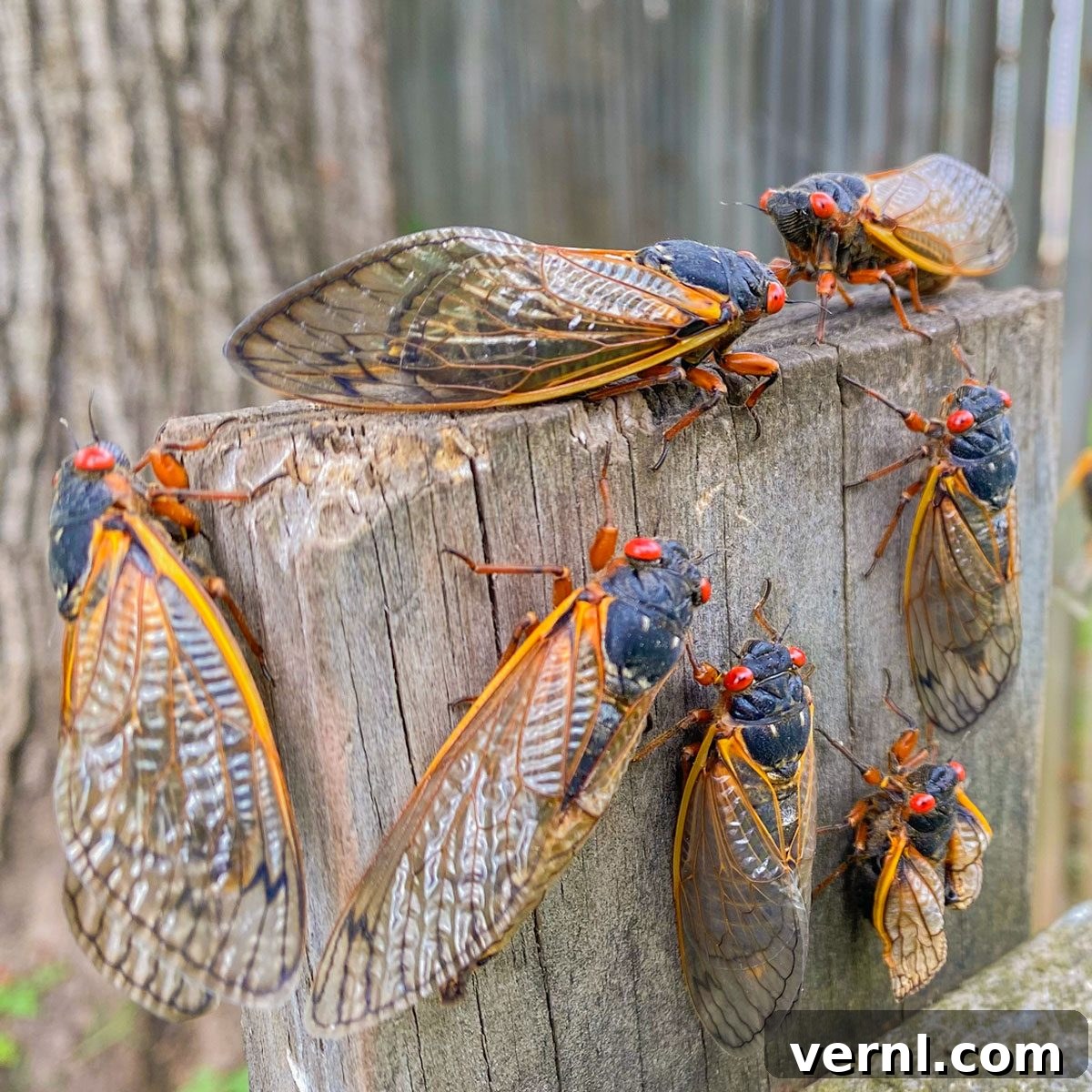
The periodic emergence of cicadas is one of nature’s most captivating, albeit sometimes overwhelming, spectacles. With millions of these fascinating insects surfacing in certain areas, sometimes reaching numbers as high as a million per acre, it’s natural to wonder about their impact on your daily life. While their presence can be substantial, it’s reassuring to know that cicadas, by and large, prefer the outdoor environment and have no intention of invading your home. This comprehensive guide offers practical, safe, and environmentally conscious strategies to prevent cicadas from entering your living space and to manage their presence during their brief but boisterous season.
Are Cicadas Dangerous to People or Pets?
A primary concern for many homeowners during a cicada emergence is whether these insects pose any threat to their family or pets. We can confidently put those worries to rest: cicadas are remarkably harmless. They do not transmit diseases to humans or household animals, nor do they possess the ability to bite, sting, or scratch. Amy Yarger, Senior Director of Horticulture at the esteemed Butterfly Pavilion, advises, “Just don’t eat them. Some people are allergic to eating them!” However, if your curious dog or cat happens to ingest a cicada, there’s generally no cause for alarm. Cicadas are considered a safe, if somewhat unconventional, snack for most pets and are not toxic.
Their large size and sheer numbers might appear intimidating, but understanding their gentle nature can significantly reduce any apprehension. These creatures are simply following their ancient life cycle, largely uninterested in human activity unless directly handled. While their loud calls can be startling, this natural event is a temporary and integral part of the local ecosystem, and recognizing their harmlessness is the first step toward peaceful coexistence.
Do Cicadas Bite or Sting? Debunking the Myth
Let’s unequivocally clarify another common misconception: cicadas do not bite or sting. Their mouthparts are specifically adapted for piercing plant tissue and sucking sap, not for defensive attacks against larger beings like humans or pets. Therefore, you will not experience any painful nips or stings from these insects. However, as Emma Grace Crumbley, an entomologist with Mosquito Squad, aptly explains, cicadas do have a few characteristic defense mechanisms. “Cicadas will defend themselves by flicking their wings, making their iconic loud buzzing, or urinating on you,” she notes. While none of these actions are harmful, getting a surprise squirt of cicada ‘urine’ — which is essentially excess plant sap — can certainly be an unexpected and somewhat sticky encounter!
Their signature buzzing, primarily produced by males to attract mates, can reach astonishing volumes when millions are present. This sound, although sometimes perceived as a nuisance, is their primary form of communication and a natural defense, serving as a warning or a signal of their presence rather than an intention to cause harm. Understanding these natural behaviors allows us to appreciate their instincts without fear or misunderstanding.
Should You Use Pesticides to Control Cicadas? The Environmental Impact
When faced with a large cicada emergence, the temptation to reach for pesticides might arise. However, entomologists and environmental conservationists overwhelmingly advise against using chemical treatments for cicada control. There are several compelling reasons why this approach is not only ineffective but also significantly detrimental to the environment and local ecosystems.
Firstly, the sheer numerical scale of a major cicada emergence renders localized pesticide application largely futile. As Matthew Shepherd, Director of Outreach and Education at the Xerces Society for Invertebrate Conservation, emphasizes, “It is best to let them get on with their lives and enjoy the spectacle. They will only be around for a few weeks.” Their populations are simply too vast to be meaningfully impacted by chemical sprays, and any attempt to do so would necessitate an unrealistic and environmentally destructive volume of pesticides.
Secondly, and critically, cicadas perform a vital and beneficial role within the ecosystem. They serve as an abundant food source for an extensive range of wildlife, including numerous bird species, chipmunks, squirrels, foxes, raccoons, and even various reptiles and amphibians. Introducing pesticides into this natural food web means that harm is inevitably transferred up the food chain. Animals that consume pesticide-laden cicadas can suffer severe health issues, reproductive problems, or even death. Jeremy McReynolds, a respected pest expert at TruGreen, further highlights this ecological disruption, stating, “Pesticides also make matters worse by getting rid of cicadas’ natural predators,” thereby compounding the imbalance within the delicate ecological system.
Beyond being a critical food source, cicadas contribute significantly to environmental health in other less obvious but equally important ways. During their nymph stage, while residing underground for years, they create extensive tunnels that effectively aerate the soil. This natural aeration improves water penetration, enhances nutrient absorption, and promotes healthier root growth for surrounding vegetation. Furthermore, upon their natural demise, their decomposing bodies return valuable nutrients and organic matter to the soil, acting as a natural, slow-release fertilizer. Dr. Daniel A. Herms of The Davey Tree Expert Company underscores this benefit, explaining, “as they decompose, they add nutrients to the soil, and while they’re nymphs, they create tunnels that help aerate the soil.” Utilizing pesticides would negate these profound ecological advantages and introduce harmful chemicals into an environment where they are not only unnecessary but actively detrimental.
How To Prevent Cicadas from Getting In/Around Your House Without Pesticides
Although cicadas are not intentionally seeking entry into your home, their natural exploratory behavior can sometimes lead them to crawl up exterior walls, potentially finding their way inside through open or unsealed entry points. The good news is that preventing this is straightforward and does not require the use of harsh chemicals. Here are several effective, non-pesticide strategies to minimize their presence near and inside your home:
Secure All Entry Points to Your Home
This is arguably the most critical step in preventing any unwanted insect visitors, cicadas included. Due to their relatively large and somewhat clumsy bodies, cicadas require more substantial openings to gain entry compared to smaller, more agile pests. During peak emergence periods, keep all windows and doors securely closed. Conduct a thorough inspection of your window and door screens, promptly repairing any tears, holes, or gaps. Emma Grace Crumbley clarifies this point: “Unlike ants, flies or roaches, these large, chunky insects cannot use small cracks and crevices to get in your home. If a cicada is found inside, it likely wandered in through an open door or window.” Additionally, meticulously check for and seal any significant gaps or cracks around utility pipes, foundation points, attic vents, or under eaves using appropriate materials like caulk, weatherstripping, or fine mesh screening. A meticulously sealed home serves as your most effective first line of defense.
Limit Your Outdoor Lighting at Night
Much like many other nocturnal insects, cicadas are undeniably attracted to sources of light. Minimizing your outdoor illumination during the evening hours can significantly reduce the number of cicadas congregating around your home’s perimeter. Jeremy McReynolds advises, “Like most other bugs, cicadas are attracted to light, so minimize outdoor lighting during the peak.” This means turning off non-essential outdoor fixtures such as porch lights, landscape lighting, and decorative lights after dusk. Inside your home, consider closing curtains and blinds to prevent interior light from spilling outwards, further deterring them from your windows and doors. While not a complete solution, switching to yellow “bug lights” might offer a marginal improvement, as these specific light wavelengths are generally less appealing to insects.
Implement Preventative Landscaping and Garden Care
Your landscaping and garden choices can play a considerable role in making your property less attractive to cicadas. They are instinctively drawn to trees and shrubs, particularly those with tender branches, as these are ideal locations for adult females to lay their eggs. By strategically managing your greenery, you can subtly discourage them from settling too close to your house:
- Trim Overhanging Tree Branches: Keep tree branches well-trimmed so they do not directly touch or overhang your house. This simple action creates a physical barrier, making it much more difficult for cicadas to transition from trees onto your home’s exterior walls or roof.
- Clean Gutters Regularly: Gutters can accumulate leaves, twigs, and other organic debris, which can create moist, sheltered environments that might attract various insects, including cicadas seeking refuge or egg-laying sites. Keeping them clean and free of blockages reduces potential resting spots near your roofline.
- Protect Young or Vulnerable Trees: While cicadas typically cause minimal long-term damage to healthy, mature trees, young trees, saplings, and delicate shrubs can sometimes suffer from significant egg-laying damage (oviposition). To protect these vulnerable plants, consider wrapping their trunks with fine mesh netting or foil barrier tape. Alternatively, cover entire young trees with fine mesh insect netting, ensuring it is securely fastened at the base of the trunk to prevent cicadas from crawling underneath. This physical barrier effectively prevents females from laying eggs in tender branches, which can lead to branch dieback.
- Rinse Down Vegetation: Amy Yarger suggests a simple yet effective method: “Spraying down tree and shrub branches with water also makes the habitat less attractive to cicadas.” A regular rinse with a garden hose can dislodge any lingering cicadas and make the foliage less hospitable for egg-laying, encouraging them to move on to other areas.
By conscientiously implementing these landscaping and garden care practices, you establish a less inviting environment for cicadas immediately adjacent to your home, naturally redirecting them to other parts of your yard or surrounding green spaces.
What to Do If Cicadas Do Get Into Your House
Despite your most diligent preventative efforts, an exceptionally determined or accidental cicada might occasionally find its way indoors. There is absolutely no need for panic or resorting to harsh chemical solutions. The simplest, safest, and most humane approach is immediate relocation. These insects are not seeking to establish a presence within your home and will likely be disoriented and eager to return outside.
To safely and gently remove an indoor cicada:
- Capture with a Cup or Container: Approach the cicada calmly. Gently place a clear cup, jar, or any small container over the insect. Once it’s enclosed, slide a piece of stiff paper, thin cardboard, or a coaster underneath the opening to trap it securely within the container.
- Careful Vacuuming for Hard-to-Reach Spots: For cicadas located in inaccessible areas (like high ceilings or tight corners) or if you encounter a small cluster, a vacuum cleaner can be a useful tool. Use a hose attachment and ensure your vacuum has a bag that can be easily removed or a canister that can be quickly emptied. After vacuuming them up, immediately take the vacuum bag or canister outdoors to release the cicadas. This method is quick and efficient without direct handling.
- Prompt Relocation Outdoors: Once you have successfully captured the cicada, immediately carry the container or vacuum bag outside. Release the cicada back into its natural environment, ideally away from any open doors or windows to prevent immediate re-entry.
Matthew Shepherd offers reassuring insight into their behavior during capture: “They will likely make a loud noise when you grab them, but that’s all. To use an animal analogy, they are all bark and no bite.” This buzzing sound is merely a startled reaction, not an aggressive act. Remember, cicadas are harmless and instinctively prefer the outdoors, so a gentle and prompt release is always the best course of action.
Frequently Asked Questions About Cicadas
Gaining a deeper understanding of cicadas can help demystify their emergence and clarify many common misconceptions. Here are comprehensive answers to some frequently asked questions:
What Specifically Attracts Cicadas to Certain Areas?
Cicadas are primarily attracted to soft, woody plants and trees because these provide the ideal environments for adult females to lay their eggs and for nymphs to feed on root sap. The presence of mature, healthy trees is a strong indicator of suitable habitat, especially for periodical cicadas, which spend many years underground nourishing themselves on tree roots. Beyond vegetation, there’s compelling evidence that loud vibrations can also draw them in. Emma Grace Crumbley provides an interesting explanation: “Cicadas communicate through loud buzzing, and these vibrations may confuse them into thinking a mate is nearby.” This means that the consistent hum of HVAC units, the persistent rumble of lawnmowers, or the powerful roar of leaf blowers could inadvertently attract cicadas by mimicking their complex mating calls or other forms of cicada activity, leading them to investigate.
Why Do Cicadas Make So Much Noise?
The iconic, often deafening, buzzing sound produced by cicadas serves a singular, paramount purpose: attracting mates. This immense chorus is primarily the domain of male cicadas. Matthew Shepherd elaborates on their remarkable vocalization mechanism: “The males have a pair of ridged membranes on their bodies that they rub together to create the loud noise. Females flick their wings in response, which makes a lesser noise but still contributes to the din.” These specialized structures, known as tymbals, are located on the underside of the male’s abdomen and vibrate at incredibly high speeds to produce their distinctive calls. Each cicada species, and even different broods within periodical cicadas, can possess a slightly different “song” or acoustic signature, allowing them to locate and identify appropriate mates amidst the vast numbers. The collective sound of millions of male cicadas calling simultaneously creates the truly remarkable and often overwhelming acoustic experience uniquely associated with a mass cicada emergence.
What Do Cicadas Eat During Their Life Stages?
Cicada diets are distinct and vary depending on their particular life stage. As adults, cicadas primarily consume sap, specifically xylem fluid, from young trees, shrubs, and other woody plants. They achieve this by using their specialized, straw-like mouthparts to pierce the outer plant tissue and draw out the nutrient-rich fluid. This feeding activity typically causes minimal to no significant damage to healthy, well-established plants. In their nymph stage, when they reside underground for years (or even decades for periodical cicadas), they feed on plant fluids exclusively from tree and shrub roots. They attach themselves to the roots and continually siphon sap, a process that is generally benign and harmless to the host plant, unless the plant is very young, already stressed, or planted too recently.
When Do Cicadas Typically Emerge and How Long Do They Live?
The timing of cicada emergence is dictated by their specific type. Annual cicadas, commonly known as “dog-day cicadas” due to their summer appearance, emerge every year. Their emergence typically occurs once the soil temperature reaches a consistent warmth, usually in late spring or throughout the summer months. These are the cicadas you hear singing every single summer. Periodical cicadas, conversely, have much longer and significantly more synchronized emergence cycles. They emerge en masse every 13 or 17 years, depending on the specific brood (a distinct population that emerges together). These mass emergences, such as the widely publicized Brood X, are far more synchronized and result in the overwhelming numbers that can literally blanket landscapes. Predicting periodical cicada emergences requires meticulous tracking of these long generational cycles, making them a fascinating subject for entomologists and nature enthusiasts alike. Once they emerge as adults, regardless of whether they are annual or periodical, adult cicadas only live for a relatively short period of a few weeks, dedicating this final stage of their lives solely to mating and laying eggs before their life cycle concludes.
About the Experts
- Matthew Shepherd is the esteemed Director of Outreach and Education at the Xerces Society for Invertebrate Conservation. With over two decades of dedicated service, he is a passionate advocate for invertebrate protection and habitat restoration.
- Daniel A. Herms serves as the Vice President of Research and Development at The Davey Tree Expert Company. Holding a Ph.D. in entomology, he previously dedicated 21 years as a distinguished professor of forest and shade tree entomology in the Department of Entomology at The Ohio State University, bringing extensive academic and practical knowledge to his field.
- Amy Yarger is the Senior Director of Horticulture at Butterfly Pavilion, where she has been a pivotal figure for more than two decades. Butterfly Pavilion holds the unique distinction of being the world’s first standalone, Association of Zoos and Aquariums-accredited non-profit invertebrate zoo, underscoring her profound expertise in insect and plant interactions.
- Jeremy McReynolds is a seasoned pest expert and currently holds the position of TruGreen’s New York Compliance Manager, offering invaluable practical insights into effective and responsible pest management strategies.
- Emma Grace Crumbley is an enthusiastic entomologist at Mosquito Squad. A self-described “bug nerd,” she is deeply passionate about educating the public on the intriguing and often misunderstood world of insects and their vital roles in our environment.
Embracing the Cicada Season: A Natural Spectacle
While the sudden appearance and persistent, often loud, buzzing of millions of cicadas can undoubtedly be an unusual and sometimes challenging experience, it’s crucial to remember that this phenomenon is a temporary and utterly vital part of nature’s intricate rhythm. By understanding their inherently harmless nature, appreciating their myriad ecological contributions, and diligently employing simple, non-toxic prevention methods, you can effectively manage their presence around your home without resorting to harmful chemicals. Embrace the cicada season not as a nuisance, but as a unique opportunity to witness one of the planet’s most fascinating insect spectacles. Rest assured, your home can remain a peaceful, cicada-free sanctuary, and these incredible creatures will recede as quickly as they arrived, leaving behind a richer, healthier ecosystem.