
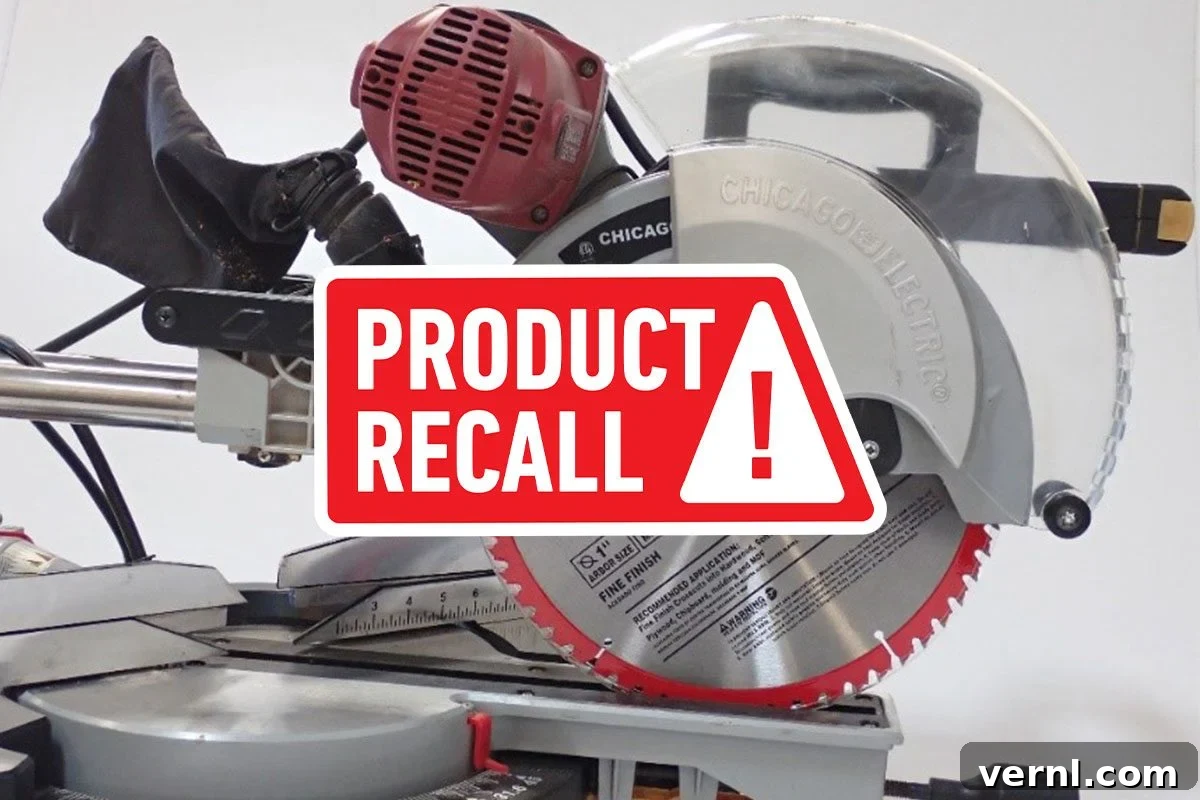
Mastering Miter Saw Safety: From Manufacturer Recalls to Everyday Workshop Habits
In the realm of woodworking, few tools offer the same blend of speed and precision as the modern miter saw. Power tools like miter saws are indispensable for craftsmen and DIY enthusiasts alike, enabling them to accomplish vast amounts of work in a fraction of the time it would take with hand tools. However, this impressive increase in productivity is directly proportional to a significant escalation in potential danger. While using a hand saw might result in a minor cut, the incredibly fast-spinning blade of a power miter saw presents a very real and severe risk of serious injury, including amputation. This critical distinction makes acquiring a thorough understanding of miter saw basics and advanced safety protocols absolutely essential for anyone operating such machinery.
Recognizing these inherent risks, tool manufacturers have dedicated extensive efforts over many years to developing innovative designs that significantly enhance user safety. These continuous improvements foster greater confidence among users, who can trust that manufacturers have meticulously considered every detail, from the selection of blades to the design of crucial safety features like blade guards. Yet, despite rigorous design, engineering, and quality control processes, manufacturing defects or unforeseen design flaws can occasionally lead to safety components proving unreliable. When such critical issues are identified, responsible tool manufacturers act swiftly to protect their customers by issuing product recalls. This involves identifying the defective products, implementing necessary redesigns or fixes, and then providing affected customers with replacement parts or updated versions, typically at no cost. This commitment to consumer safety was recently demonstrated by Harbor Freight Tools, which issued a recall concerning a specific component found on some of its 12-inch Chicago Electric Miter Saws.
Harbor Freight Tools Recall: Understanding the Chicago Electric Miter Saw Blade Guard Issue
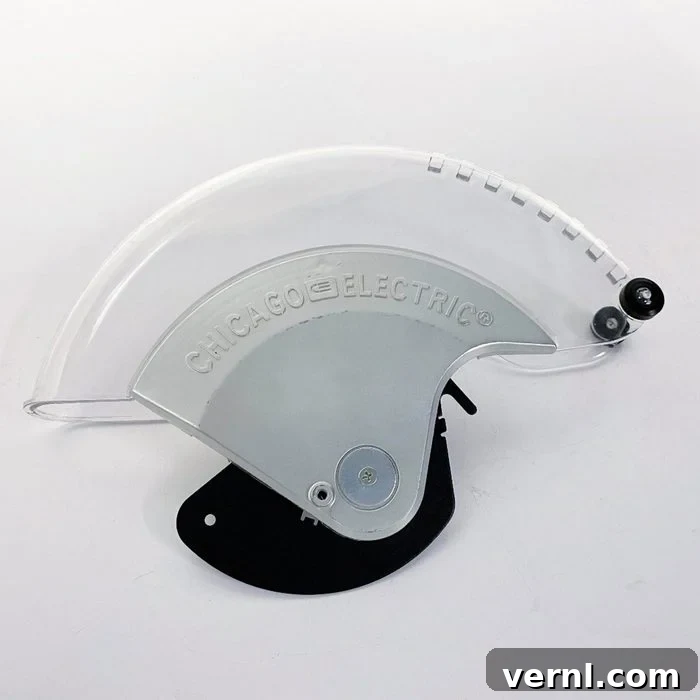
On February 23, 2023, Harbor Freight Tools formally announced a safety recall impacting approximately 7,175 lower blade guards manufactured for its popular Chicago Electric line of 12-inch miter saws. These specific blade guards, distinguishable by their clear and grey plastic construction, do not carry a distinct model or serial number on the component itself. However, they are clearly stamped with the words “Chicago Electric” in their grey section, which serves as a key identifier for owners. This proactive recall underlines the critical importance of manufacturer responsibility in ensuring the safety of power tools used by consumers and professionals alike.
Why the Recall Was Initiated: Unreliable Blade Guards Posing Serious Injury Risks
The decision to issue this recall was prompted by serious safety concerns. Harbor Freight Tools reported at least one incident where a lower blade guard of this particular design fractured during normal operational use. More critically, subsequent investigations revealed that these recalled blade guards often fail to provide complete and consistent coverage for the rapidly spinning saw blades. This inherent flaw leaves users dangerously exposed to the blade, significantly elevating the risk of severe injuries, including deep lacerations, serious cuts, and even finger amputations. While thankfully, no injuries had been officially reported at the time of the recall announcement, the potential for catastrophic harm due to the unreliability and insufficient coverage of the blade guard was deemed unacceptable. Harbor Freight Tools acted decisively to address this potential hazard, prioritizing the safety and well-being of its customer base above all else. This recall is a stark reminder that even seemingly minor defects in safety features can have life-altering consequences, emphasizing the importance of robust product testing and user feedback.
How to Determine If Your Miter Saw Has a Recalled Blade Guard
For individuals who own a Chicago Electric 12-inch miter saw, it is absolutely crucial to verify whether your tool is fitted with one of the recalled lower blade guards. Harbor Freight Tools has provided specific, detailed instructions to assist customers in accurately identifying affected units. The recall applies exclusively to blade guards found on Chicago Electric miter saws with a distinct item number of 61970 and a serial number that falls below 370331931. This specific serial number threshold is vital for precise identification.
To confirm if your miter saw is included in this safety recall, begin by locating the warning label on your saw. This label is typically situated on the bottom or side of the tool. Carefully inspect this label to find both the item number and the serial number. If your saw displays item number 61970 and its serial number is less than 370331931, then your blade guard is indeed part of this recall and poses a potential safety risk. Furthermore, an additional layer of verification involves checking the purchase date of your miter saw or the replacement blade guard itself. Only blade guards that were purchased or supplied between August 2019 and September 2022 are subject to this specific recall. By cross-referencing both the item/serial number criteria and the purchase date, you can make the most accurate determination regarding whether your woodworking power tool is affected by this important safety notification.
Immediate Steps to Take If You Have a Recalled Blade Guard
Upon confirming that your Chicago Electric miter saw is equipped with a recalled blade guard, the single most important and immediate action you must take is to discontinue its use without any delay. Your personal safety must be your utmost priority. The temptation to make “just one more cut” to finish a project, despite knowing about a potential defect, is a risk not worth taking. Operating a power tool with a known safety flaw can lead to severe and irreversible injuries, transforming a convenient task into a catastrophic event. It is imperative to understand that the potential for harm far outweighs any perceived benefit of completing a minor task.
Harbor Freight Tools is fully committed to ensuring that all affected customers receive a safe and reliable replacement component. The company has publicly stated that all customers who purchased or received a recalled blade guard will be directly contacted by their customer service team. Once contact is established, arrangements will be made to dispatch a brand-new, safe, and fully functional lower blade guard to you at absolutely no charge. This service ensures that you can safely replace the defective part and resume your woodworking projects with complete confidence and peace of mind, knowing that your tool meets current safety standards. Should you have any questions, concerns, or if you have not yet been directly contacted regarding the recall, please do not hesitate to reach out to Harbor Freight Tools. You can contact their dedicated recall support line directly at (800)-444-3353, or send an email to [email protected]. Proactive communication and prompt action are crucial for your safety and for the efficient resolution of this product recall issue.
Beyond Recalls: Essential Miter Saw Safety Practices for Every Woodworker
While product recalls are vital for addressing specific manufacturing or design defects, comprehensive miter saw safety extends far beyond merely ensuring your tool isn’t subject to a recall. Adopting a rigorous and consistent approach to safety is absolutely fundamental for anyone operating these powerful and potentially dangerous machines. Integrating these essential practices into your regular workshop routine will significantly minimize risks and help prevent serious injuries:
1. Personal Protective Equipment (PPE) is Non-Negotiable
- Eye Protection: Always wear ANSI-approved safety glasses or goggles. The miter saw’s operation generates fast-moving sawdust, wood splinters, and can even propel blade fragments in the event of a blade failure.
- Hearing Protection: Miter saws produce substantial noise levels that, over time, can lead to permanent hearing damage. Protect your auditory health by consistently using earplugs or earmuffs.
- Dust Mask/Respirator: Cutting wood releases fine particulate dust into the air. This dust can irritate your respiratory system and, depending on the type of wood, pose long-term health risks. A high-quality dust mask or respirator is crucial, especially in less-ventilated workshop environments.
- Appropriate Clothing: Avoid wearing loose-fitting clothing, dangling jewelry, or unrestrained long hair that could easily become entangled in the spinning blade or moving parts. Secure long hair and opt for snug-fitting work attire.
2. Meticulous Preparation of Your Work Area
- Clear and Clutter-Free: Before starting any work, ensure your workbench and the entire area surrounding the miter saw are completely free of clutter, offcuts, other tools, and any potential tripping hazards. A clean workspace allows for safe, unimpeded movement.
- Adequate Lighting: Always work in a brightly lit area. Good lighting allows you to clearly see your cut lines, the saw blade, and any potential obstructions, significantly reducing the chance of errors.
- Stable and Level Support: It is imperative that your miter saw is positioned on a stable, level, and robust surface. The saw must be absolutely secure and free from any wobbling or movement during operation. Use a dedicated miter saw stand or ensure it is firmly bolted or clamped to a sturdy workbench.
- Proper Material Support: When cutting longer workpieces, they must be adequately supported on both the infeed and outfeed sides of the blade. This prevents the material from tipping, binding the blade, or causing dangerous kickback. Utilize roller stands, dedicated outfeed supports, or extension wings.
3. Understand and Diligently Maintain Your Miter Saw
- Read the Owner’s Manual: Thoroughly familiarize yourself with your specific saw’s unique features, safety mechanisms, and operating instructions. Each model can have distinct quirks and operating procedures.
- Blade Selection and Condition: Always use the correct type of blade for the material you intend to cut, ensuring it is sharp, clean, and entirely free from any visible damage (e.g., missing teeth, cracks). A dull or damaged blade can lead to kickback, binding, splintering, and excessive strain on the motor. Always unplug the saw from its power source before attempting to change or inspect the blade.
- Regular Guard Checks: Before each and every use, visually inspect and manually verify that all blade guards (both the upper and lower guards) are functioning correctly. They should retract smoothly and fully cover the blade when not cutting. Never attempt to bypass, modify, or remove any safety features on your saw.
- Fence and Bevel Alignment: Ensure that your saw’s fence is perfectly square to the blade and that all bevel and miter settings are securely locked in place before initiating a cut. Misalignment can lead to inaccurate cuts and potential safety hazards.
4. Execute Cuts with Precision and Absolute Control
- Secure the Workpiece: Always firmly clamp or hold the workpiece securely against the saw’s fence and table. Never attempt to freehand a cut on a miter saw, regardless of how small the piece or how confident you feel.
- Maintain Safe Hand Placement: Keep your hands and fingers well clear of the blade’s path, typically at a minimum distance of 6 inches. For smaller pieces, always utilize push sticks, hold-down clamps, or auxiliary fences to keep your hands away from the danger zone.
- Allow Blade to Reach Full Speed: Before beginning to lower the blade into the material, allow it to reach its full rotational speed. This ensures a cleaner, more efficient cut and reduces undue strain on both the motor and the blade.
- Smooth and Controlled Movement: Lower the blade into the material slowly and with a steady, controlled motion. Do not force the cut; allow the blade to perform the work at its own pace.
- Wait for Blade to Stop Completely: After completing a cut, keep the blade in the fully down position until it has come to a complete and absolute stop before slowly lifting it. Lifting a still-spinning blade can cause accidental contact or dangerous kickback.
- Avoid Cutting Foreign Objects: Unless your specific blade is explicitly designed for it, never attempt to cut through materials containing nails, screws, staples, or any type of metal. Such objects can severely damage the blade, create dangerous projectiles, and cause kickback.
Stay Proactively Informed: Your Ongoing Role in Power Tool Safety
Beyond individual safe practices, being proactively informed is a critical, ongoing aspect of comprehensive power tool safety. Registering your tools with the manufacturer is highly recommended, as it allows them to directly contact you in the event of a recall, important safety updates, or crucial maintenance advisories. Regularly checking governmental recall websites (such as the Consumer Product Safety Commission – CPSC – in the United States) or visiting manufacturer websites for the latest recall announcements can also help you proactively identify and address potential hazards before they lead to an accident. Your continuous vigilance and commitment to staying informed play a crucial role in preventing accidents and fostering a safe working environment for yourself and anyone else who might use your tools.
Conclusion: Prioritizing Safety in Every Workshop Endeavor
The efficiency, power, and precision offered by modern woodworking tools like miter saws are invaluable assets in any workshop, significantly enhancing productivity and craftsmanship. However, this inherent power demands unwavering respect and an uncompromising commitment to safety. The recent Harbor Freight Tools recall, concerning specific Chicago Electric miter saw blade guards, serves as a poignant and timely reminder that even with sophisticated engineering and design, defects can occur. This makes both rigorous manufacturer responsibility and constant user vigilance equally important in preventing accidents.
By consistently adhering to strict safety protocols, meticulously preparing your workspace, ensuring your tools are properly maintained, and staying diligently informed about potential recalls, you can significantly mitigate the inherent risks associated with operating power tools. Prioritizing safety not only safeguards you from harm but also profoundly enhances your ability to confidently enjoy the rewarding and fulfilling craft of woodworking for many years to come. Always remember this fundamental principle: a single moment of carelessness or oversight in the workshop can unfortunately lead to a lifetime of regret. Therefore, always strive to work safely, work smartly, and prioritize your well-being above all else.